fall4 min read
Take-All Root Rot Treatment: Fix Your Lawn Fast
Learn how to treat take-all root rot with proven fungicide, pH, and cultural methods. Save your lawn from this destructive fungal disease today.
Diagnose and fix common lawn issues including brown spots, disease, fungus, and more.
Every lawn faces challenges, and the key to recovery is accurate diagnosis followed by the right treatment. Brown spots, yellow patches, bare areas, and mysterious die-off can stem from dozens of different causes -- fungal disease, insect damage, pet urine, soil compaction, or even mower damage. Treating the wrong problem wastes time and money while the real issue gets worse.
Fungal diseases like brown patch, dollar spot, and pythium blight are among the most common lawn problems, especially in humid climates or during periods of heavy rain. Learning to identify the telltale patterns each disease creates helps you respond quickly with the right fungicide before damage spreads. Our troubleshooting guides include photo references and step-by-step diagnostic flowcharts.
Insect pests like grubs, chinch bugs, and armyworms can destroy a lawn seemingly overnight. Understanding their life cycles and knowing when to check for them gives you the upper hand. We cover both preventive treatments and rescue applications, plus how to repair and restore areas that have been damaged. No lawn problem is permanent when you have the right knowledge.
Compare 4 grub killers by active ingredient (chlorantraniliprole, imidacloprid, trichlorfon), application window, and life-cycle stage. Includes the pyrethroids that won't work.
Key Stat: Eight or more grubs per square foot is the standard action threshold — below that, treatment usually is not necessary.
These lawn problems & solutions articles are most relevant to what your lawn needs right now.
Learn how to treat take-all root rot with proven fungicide, pH, and cultural methods. Save your lawn from this destructive fungal disease today.
Learn how to spot, treat, and prevent the most common winter lawn diseases. Expert tips for homeowners to protect their grass through the cold season.
Is 2,4-D banned in your state? Learn which states restrict this herbicide, how to check local rules, and safer alternatives for weed control.
Leatherjackets from crane flies destroy grass roots in autumn. Learn how to identify, treat, and prevent lawn damage with practical homeowner tips.
Browse all 38 articles in this topic. Filter by season to find exactly what you need.
Learn how to treat take-all root rot with proven fungicide, pH, and cultural methods. Save your lawn from this destructive fungal disease today.
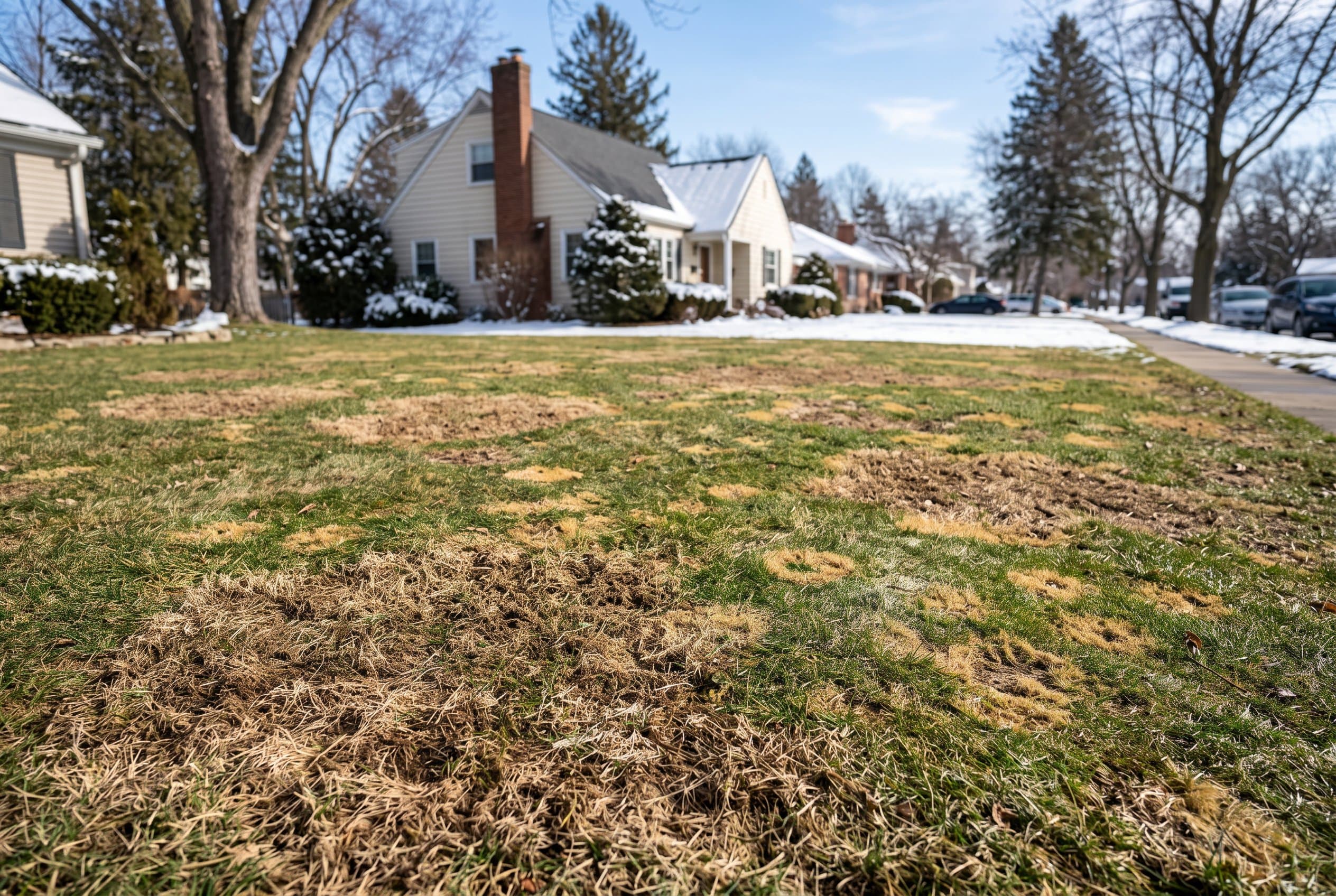
Learn how to spot, treat, and prevent the most common winter lawn diseases. Expert tips for homeowners to protect their grass through the cold season.
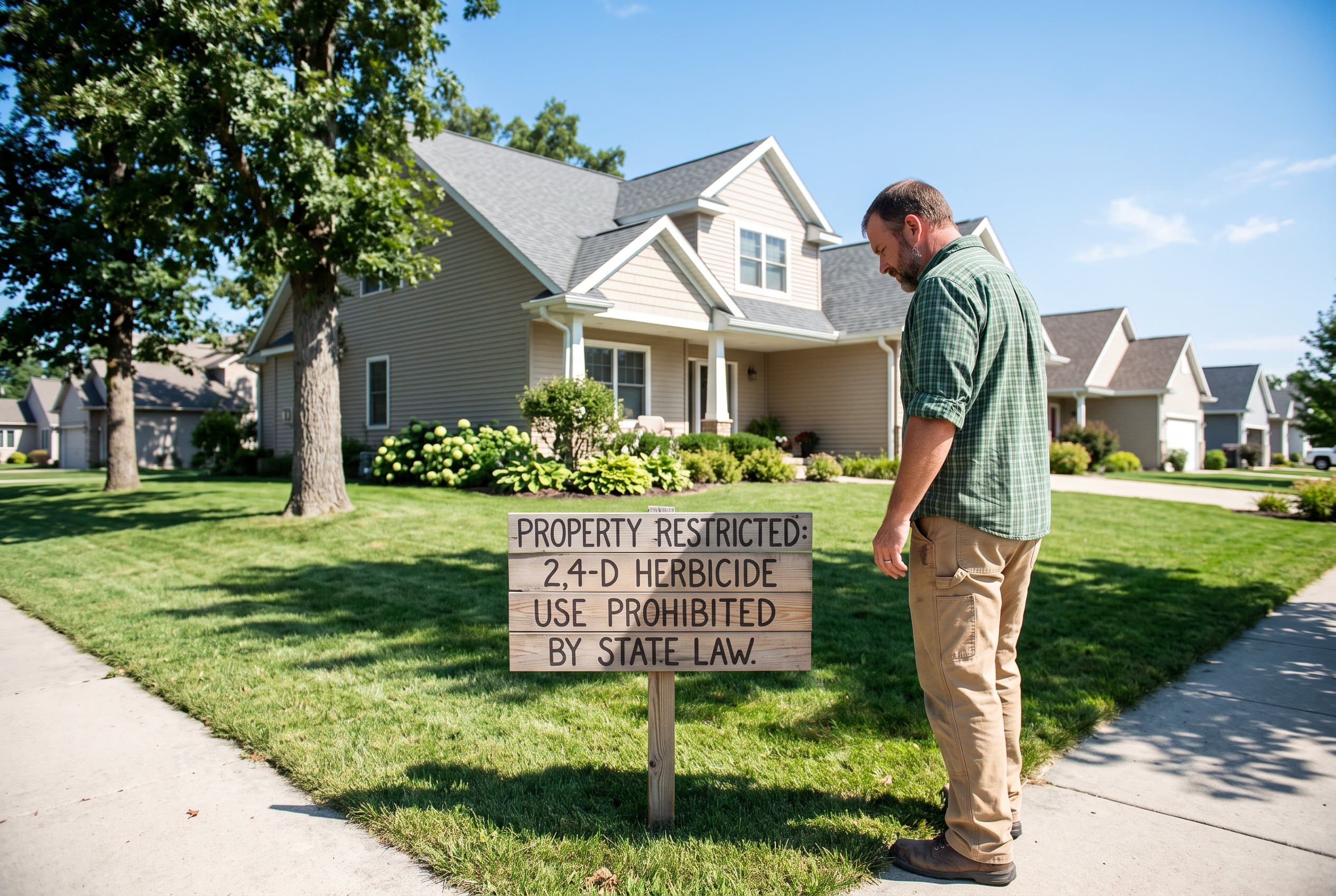
Is 2,4-D banned in your state? Learn which states restrict this herbicide, how to check local rules, and safer alternatives for weed control.
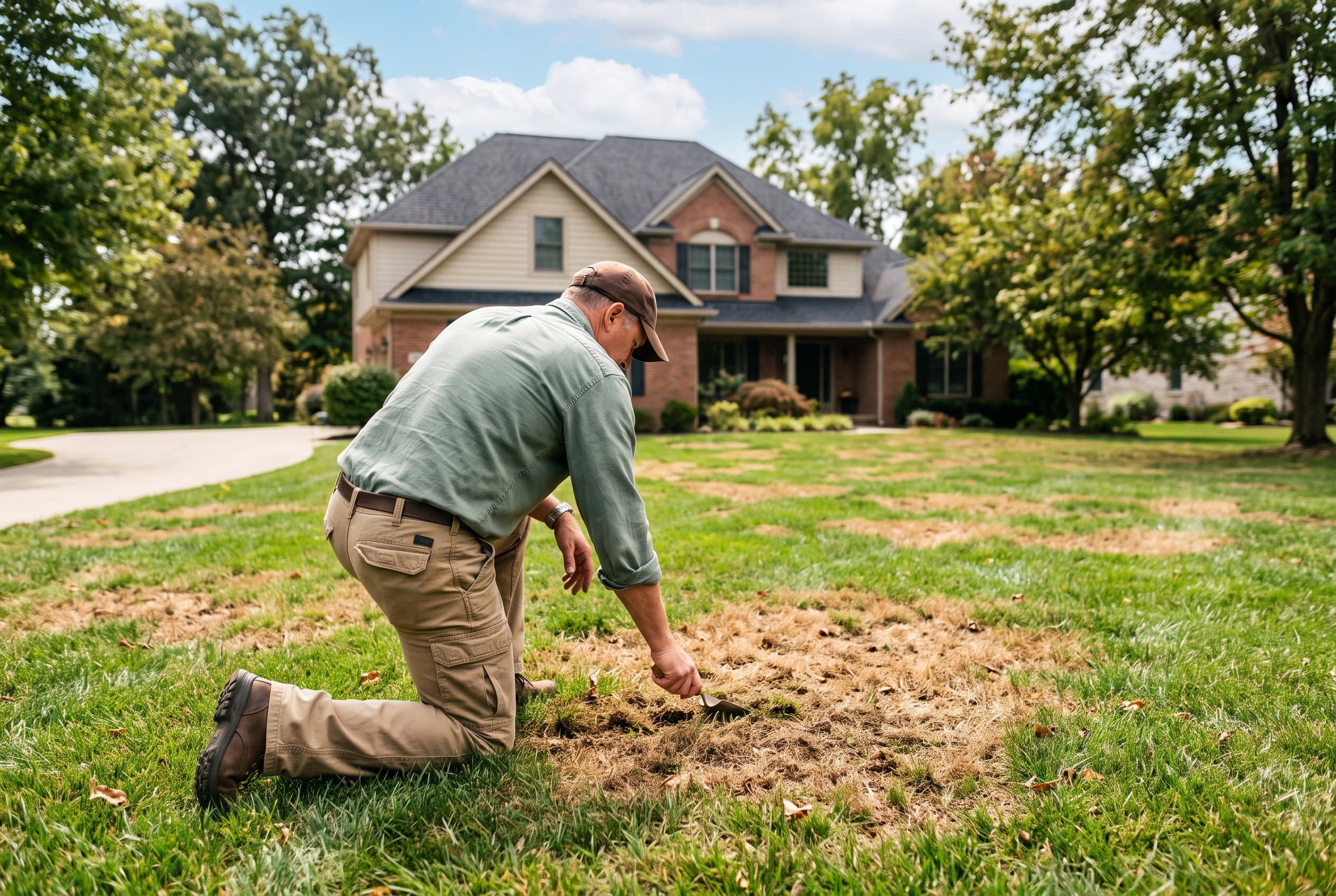
Leatherjackets from crane flies destroy grass roots in autumn. Learn how to identify, treat, and prevent lawn damage with practical homeowner tips.
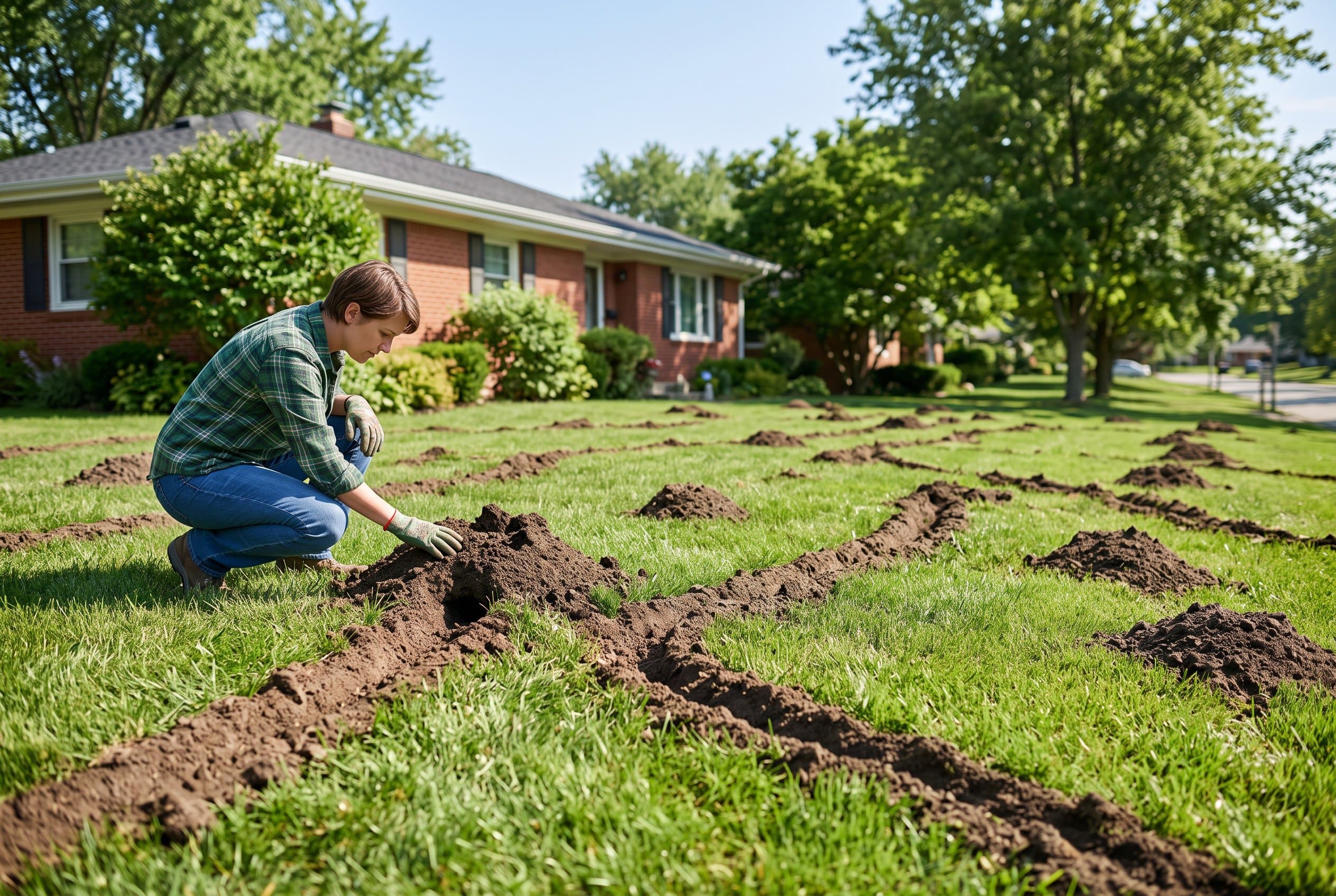
Learn how to tell vole vs mole lawn damage apart, what signs to look for, and the best ways to protect your lawn from both pests year-round.
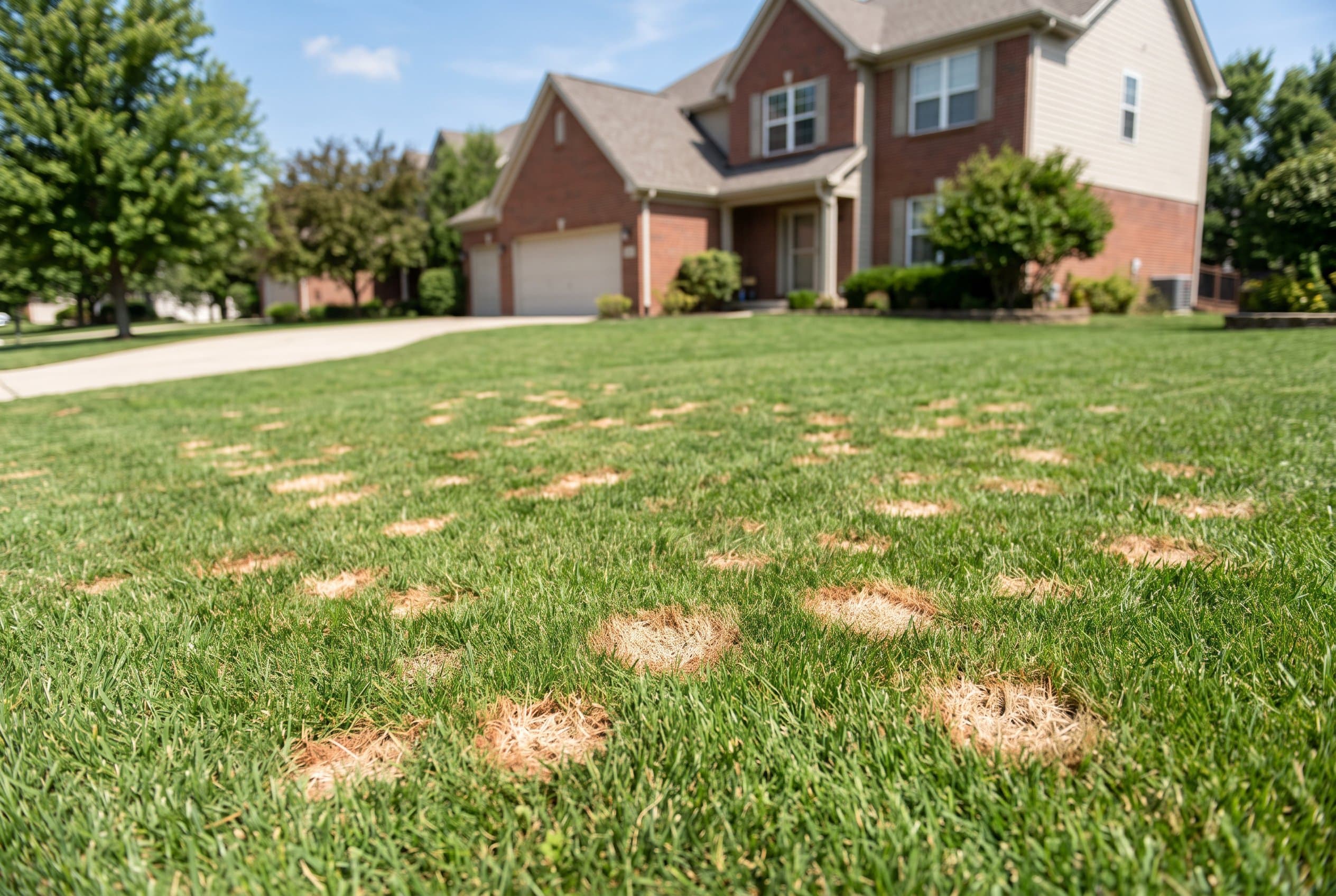
Learn how to identify and treat dollar spot lawn disease with proven fungicide and cultural control methods to restore your lawn fast.
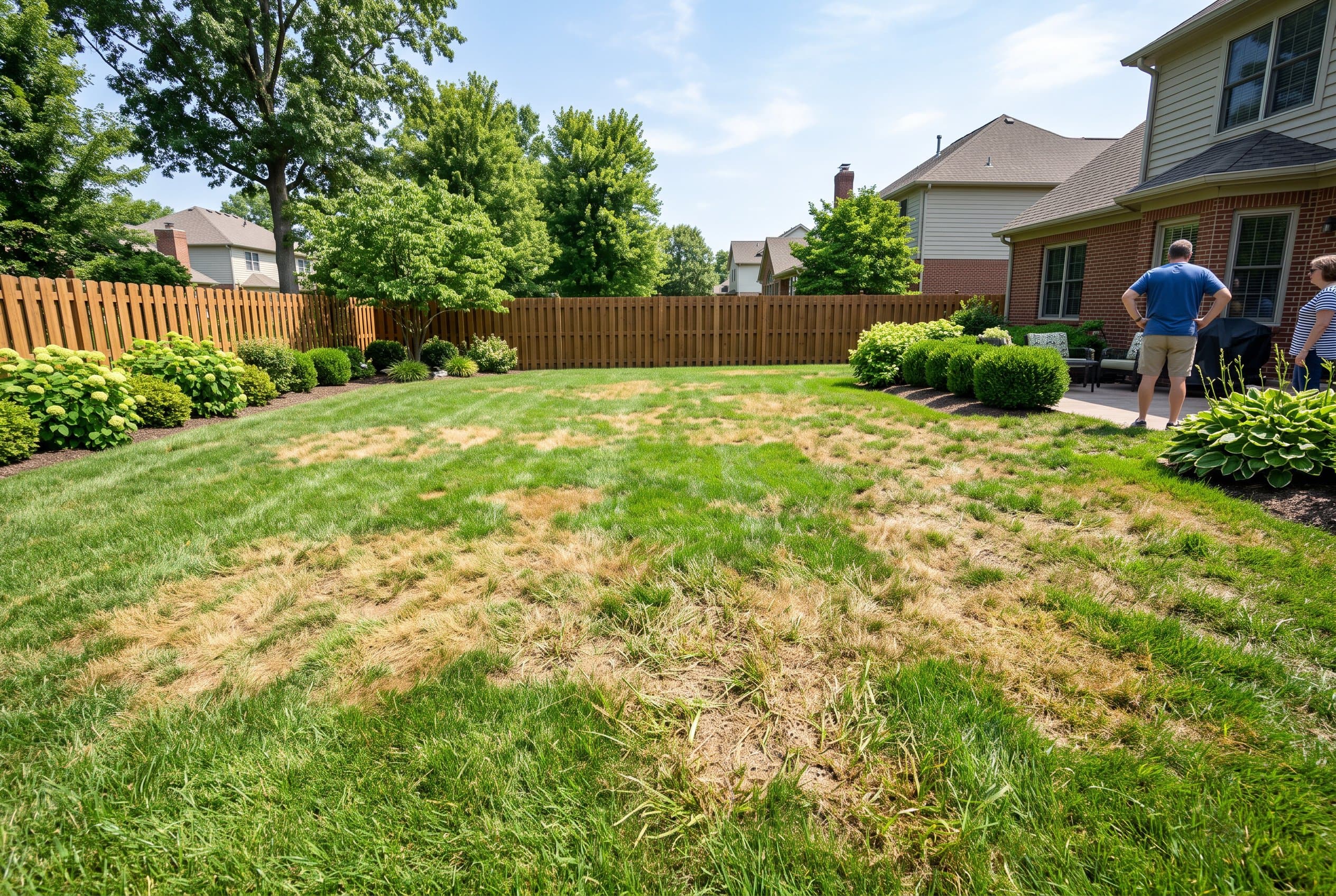
Fall armyworms can destroy your lawn in days. Learn how to identify them, treat an infestation fast, and prevent future damage with these expert tips.
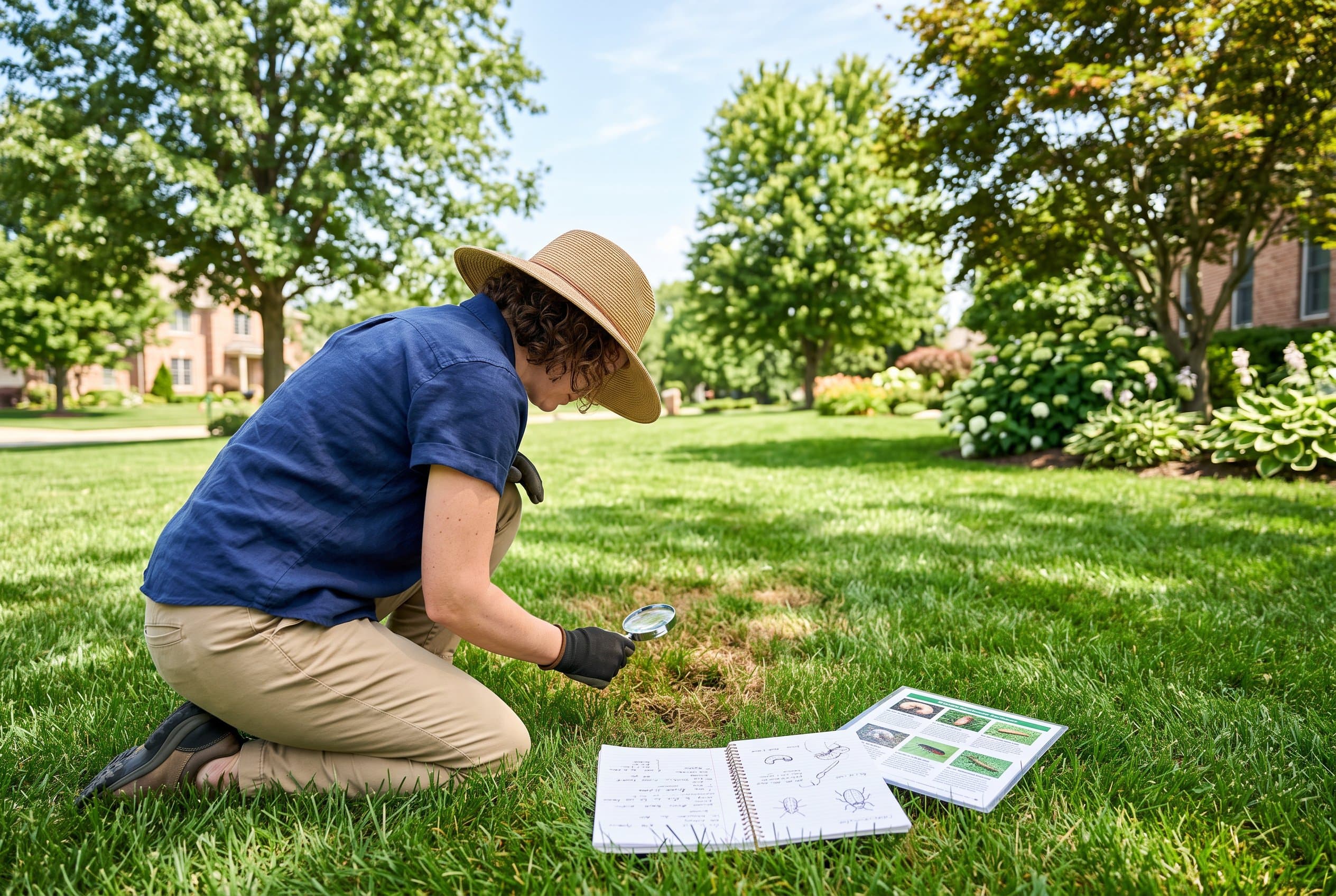
Identify common lawn pests quickly with this homeowner guide. Learn what damage signs to look for, which bugs to target, and when to act each season.
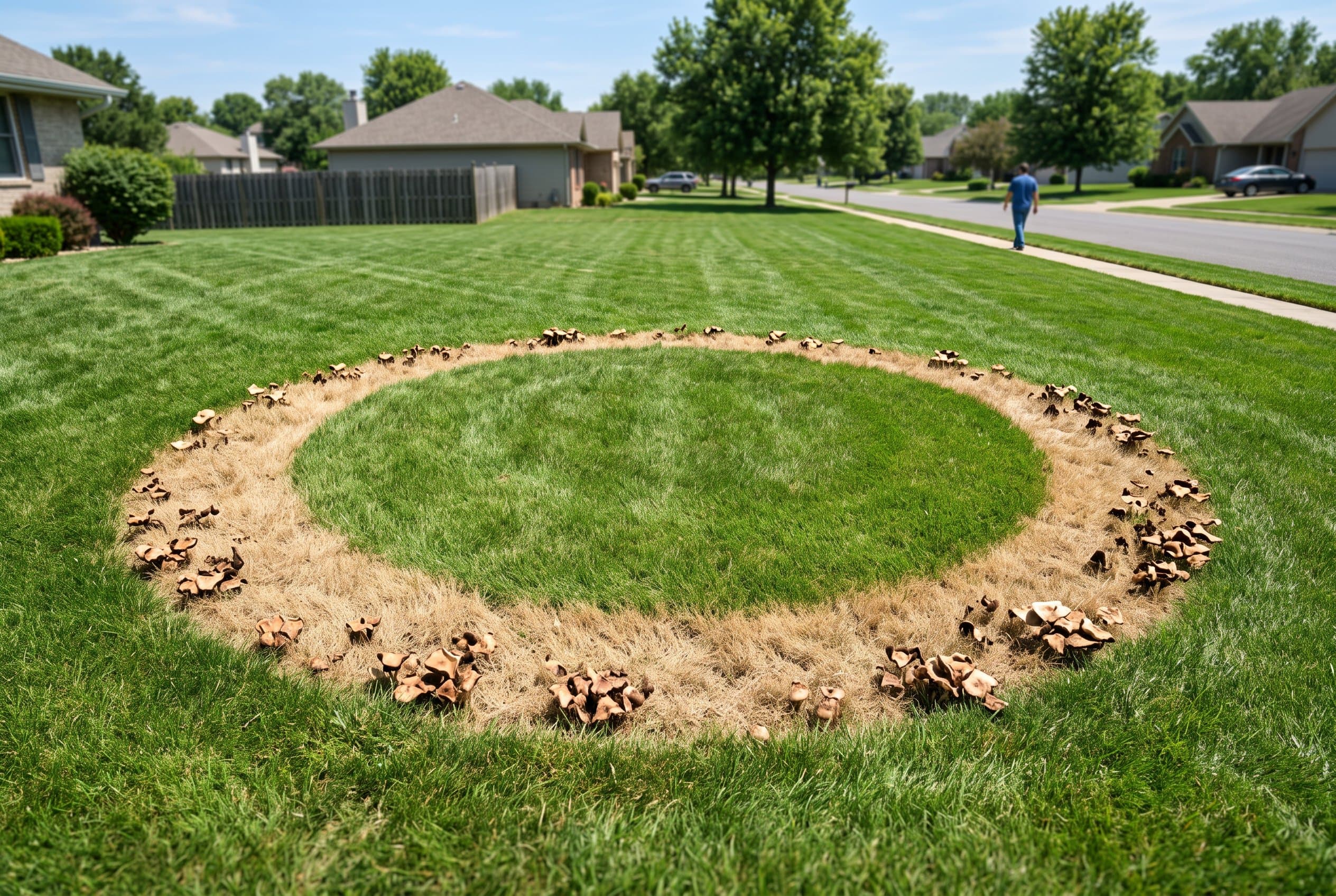
Learn how to identify and treat fairy ring in your lawn with proven methods. Discover why it forms, treatment options, and prevention tips for homeowners.
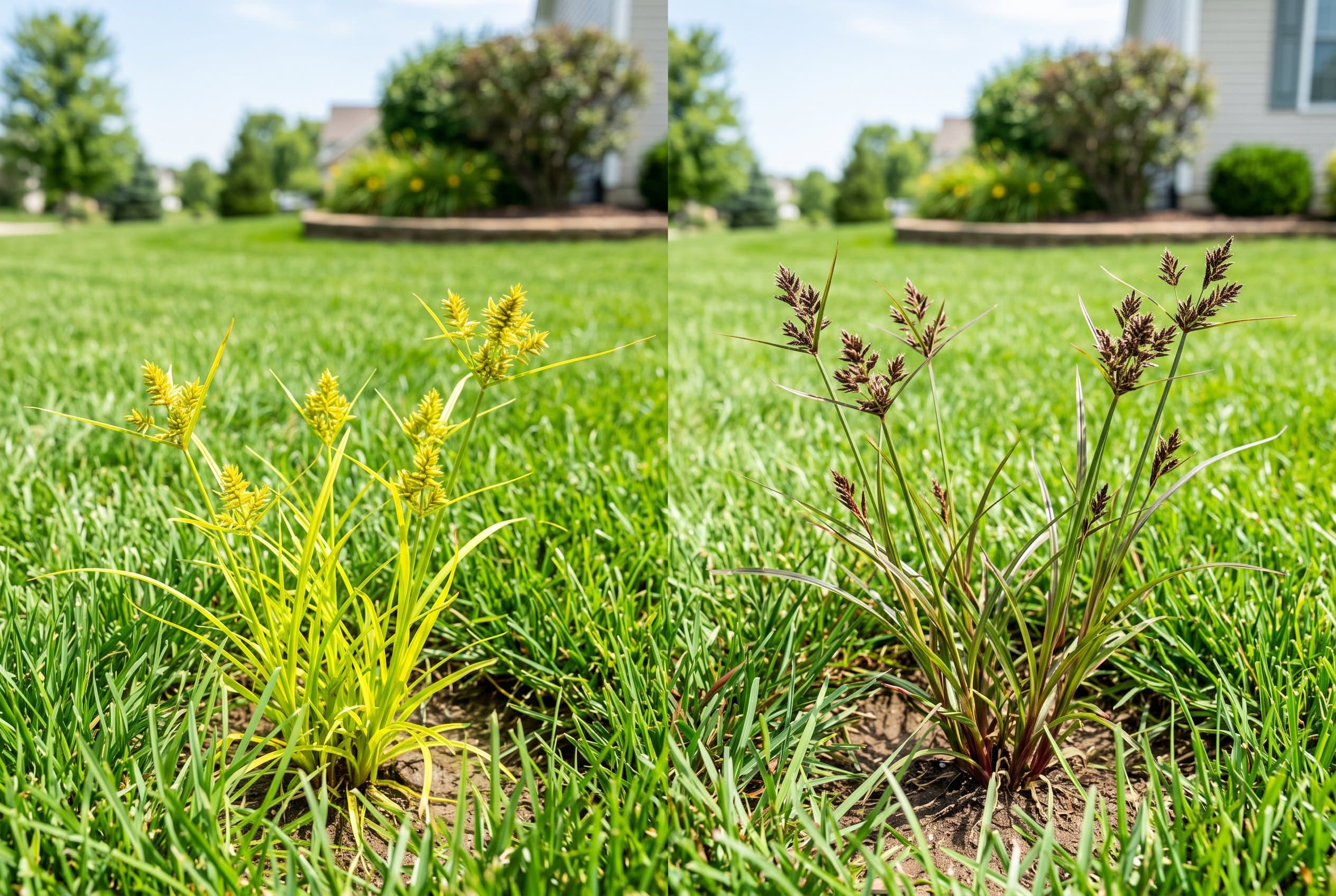
Learn how to tell yellow nutsedge from purple nutsedge, spot each weed in your lawn, and choose the right control method to get rid of them for good.
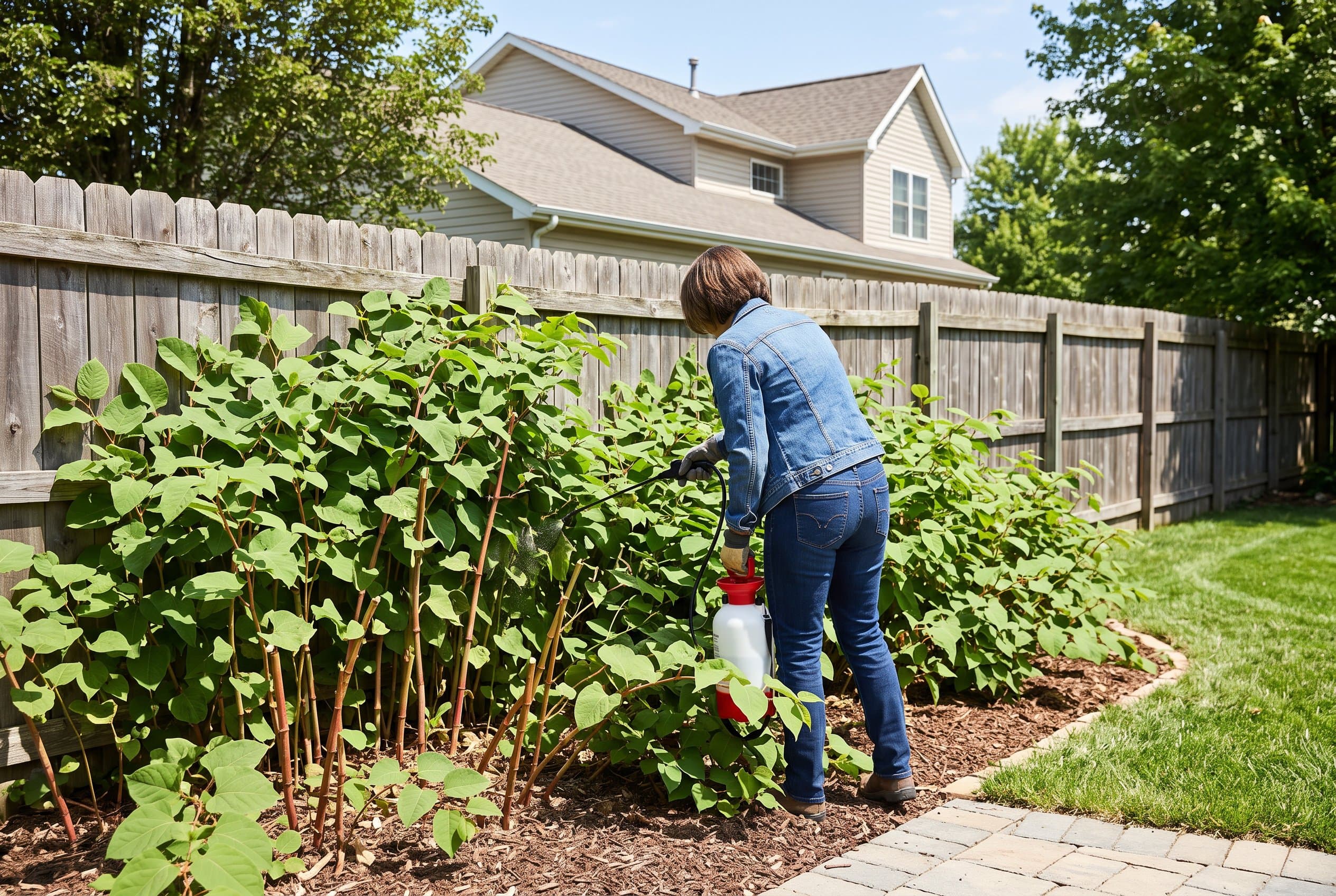
Discover the most effective Japanese knotweed killer methods for homeowners. Learn which herbicides work, when to apply them, and how to prevent regrowth.
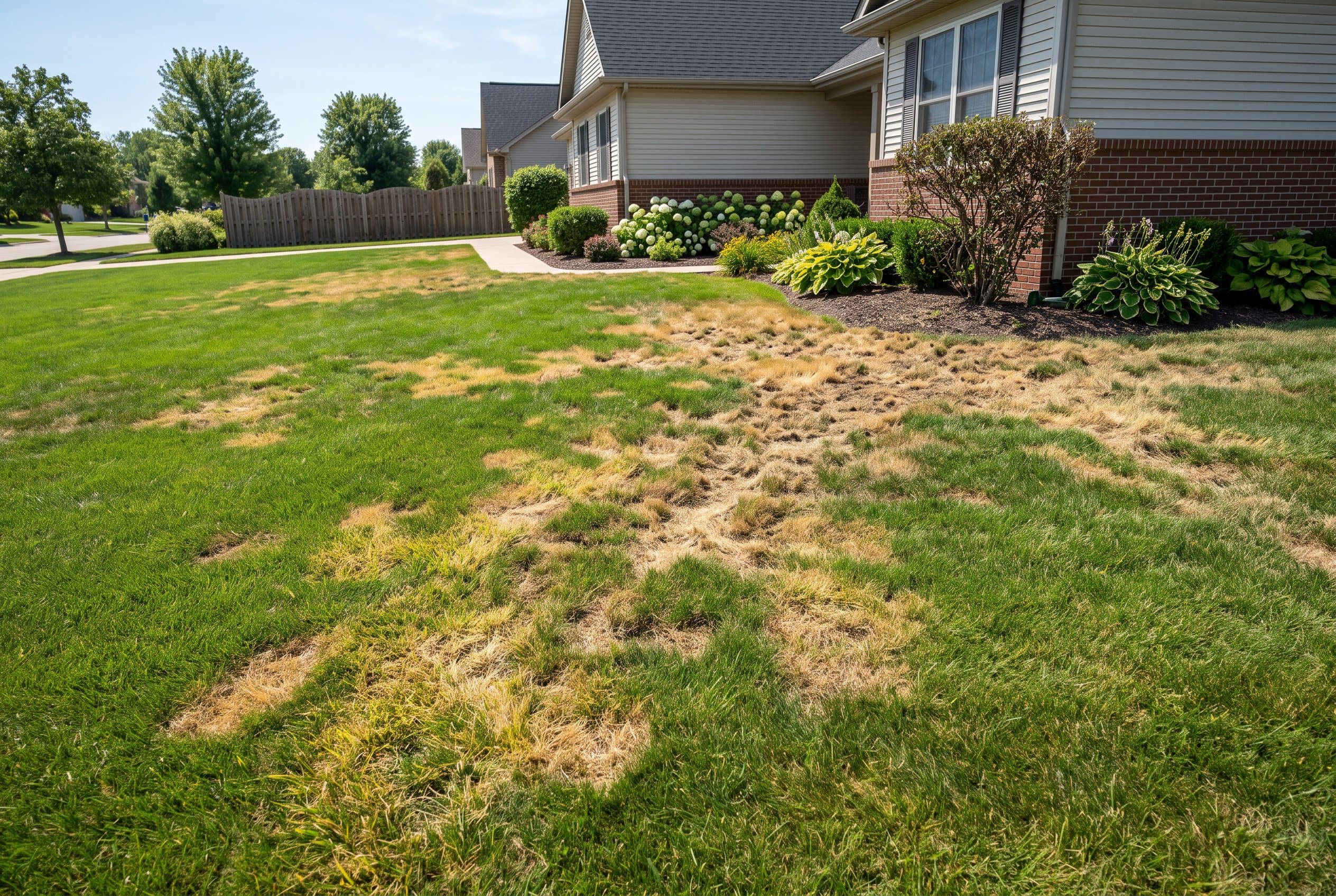
Learn how to identify chinch bug lawn damage, spot an infestation early, and take action to restore your grass with proven treatment strategies.
Common questions about lawn problems & solutions, answered by our expert guides.
Fungicides containing azoxystrobin, thiophanate-methyl, or fludioxonil are most effective against take-all root rot. These must be watered into the root zone and are best applied in early spring or fall. Combining fungicide treatment with soil pH correction and improved drainage gives the best results.
Read the full article →Yes, with consistent treatment a lawn can recover from take-all root rot, though it typically takes one to two growing seasons for full recovery. Early intervention, proper fungicide timing, and correcting cultural practices like drainage and watering are key to successful recovery.
Read the full article →St. Augustinegrass is the most commonly affected turfgrass, but bermudagrass, centipedegrass, and zoysiagrass can also be impacted. The disease is most prevalent in warm, humid regions of the southeastern United States.
Read the full article →Yes, lowering soil pH to between 5.5 and 6.0 using granular sulfur creates a less favorable environment for the take-all fungus. Always test your soil before applying sulfur to avoid over-acidifying, which can cause its own turf problems.
Read the full article →In most cases, yes. Gray snow mold typically only damages leaf tissue, not the crown or roots, so grass recovers naturally as temperatures warm. Lightly raking affected areas in spring speeds up recovery by improving airflow.
Read the full article →Explore our complete library of lawn care articles covering every topic, season, and skill level.