fall5 min read
Soil Testing for Lawns: A Complete Homeowner Guide
Learn how to test your lawn's soil the right way: when to sample, how deep to dig, what results mean, and how to fertilize with data instead of guesswork.

Feed your lawn the right way with expert fertilizer schedules, NPK guidance, iron timing, and soil-test strategies.
Fertilization is the single biggest lever you have over how your lawn looks and performs. The right blend of nitrogen, phosphorus, and potassium, applied at the right time of year, turns thin, pale turf into thick, dark green grass that crowds out weeds and bounces back from stress. Get the timing or the product wrong, though, and you can burn the lawn, feed the weeds, or wash nutrients straight through the soil.
Cool-season grasses like Kentucky bluegrass, tall fescue, and ryegrass do most of their root building in fall, which is why September and October feedings often outperform a spring rush. Warm-season grasses like bermuda, zoysia, and St. Augustine peak in the heat and want their nutrients while they are actively growing, not while dormant. Knowing your grass and its growth calendar is the prerequisite to choosing a schedule that works for your lawn instead of fighting against it.
A current soil test is the cheapest insurance you can buy before spending on fertilizer. It tells you the actual NPK and pH starting point, so you can fix deficiencies, avoid over-applying what you already have, and target iron or other micronutrients only when they will move the needle. Our guides walk through fall and spring fertilizer choices, granular versus liquid trade-offs, weed-and-feed timing, and how to sequence fertilization with aeration and mowing so each step compounds.
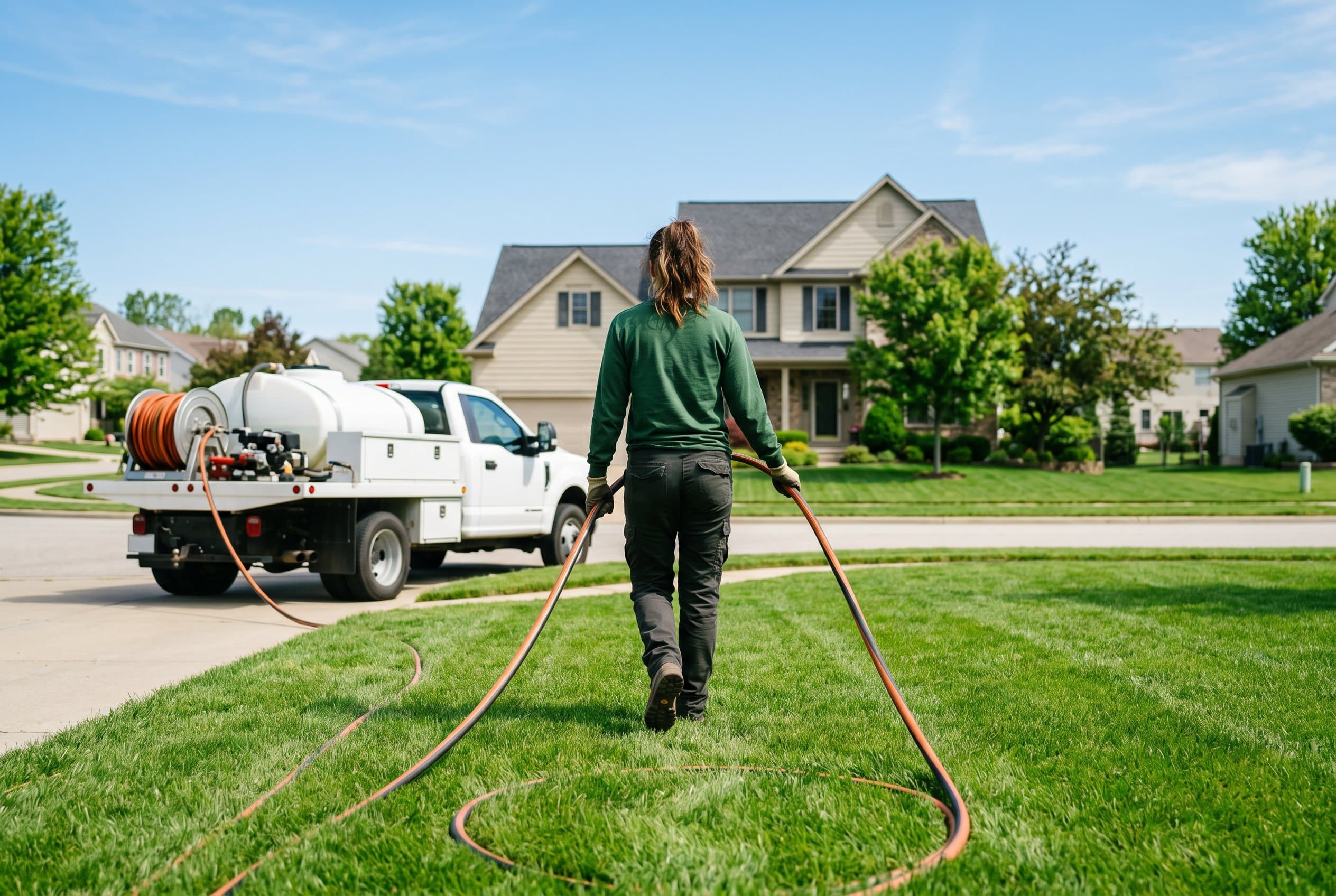
TruGreen costs $65–$225 per visit, or roughly $34–$101 a month by plan. See 2026 pricing, aeration and overseeding costs, and if it's worth it vs. DIY.
Key Stat: TruGreen's annual lawn plans run $450–$2,000 depending on lawn size and plan tier, while a comparable DIY fertilization and weed control program typically costs $150–$400 per year in products.
These lawn fertilization articles are most relevant to what your lawn needs right now.
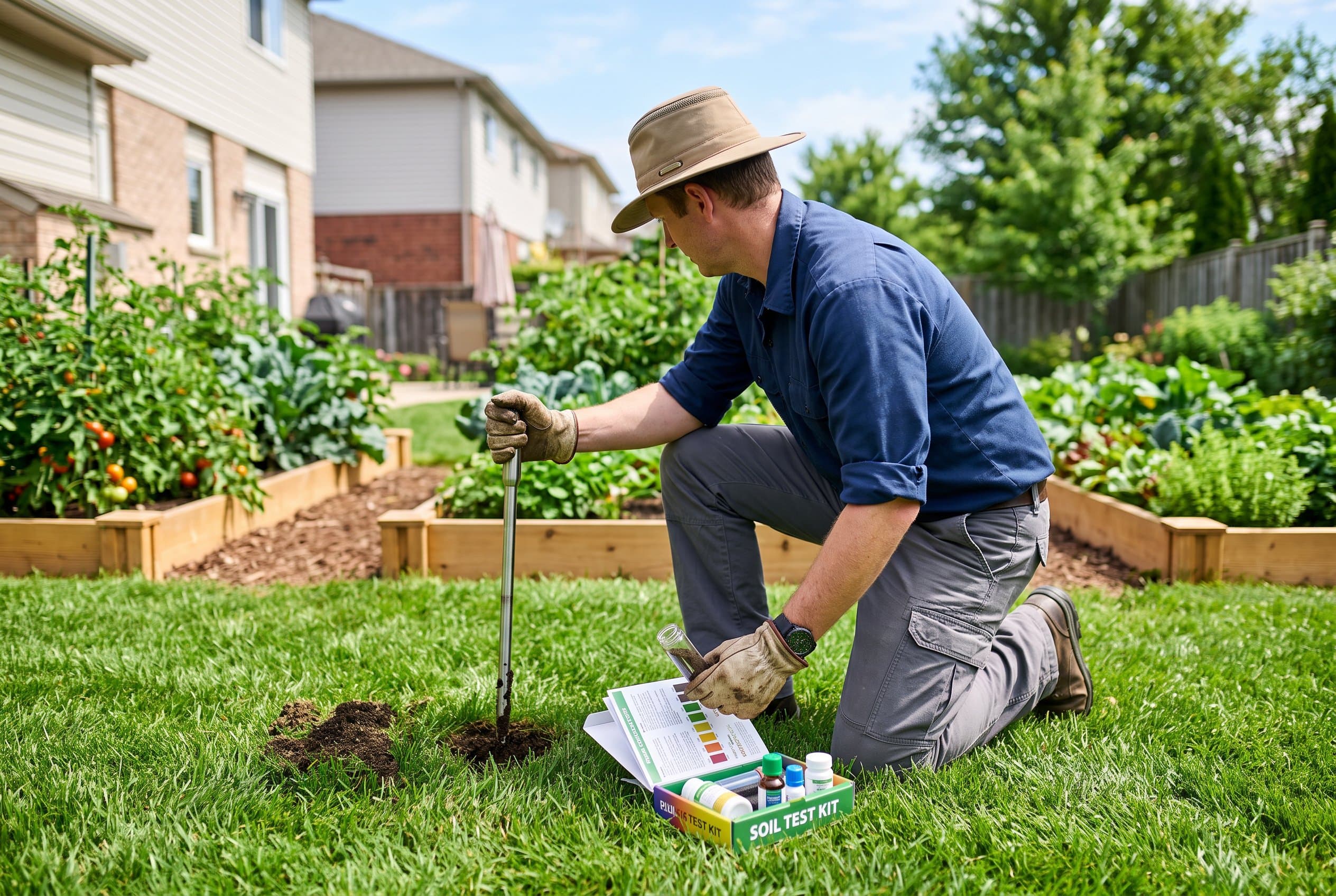
Learn how to test your lawn's soil the right way: when to sample, how deep to dig, what results mean, and how to fertilize with data instead of guesswork.
Follow this zone 6 lawn care calendar to know exactly when to fertilize, seed, mow, and winterize your lawn for a thick, healthy turf all year long.
Compare broadleaf weed killers by type, active ingredient, and lawn safety. Find the best option for your yard with our practical homeowner guide.
Learn how to plan a spring lawn renovation with expert tips on timing, soil prep, seeding, and fertilizing for a thicker, healthier lawn this season.
Browse all 30 articles in this topic. Filter by season to find exactly what you need.
Learn how to test your lawn's soil the right way: when to sample, how deep to dig, what results mean, and how to fertilize with data instead of guesswork.
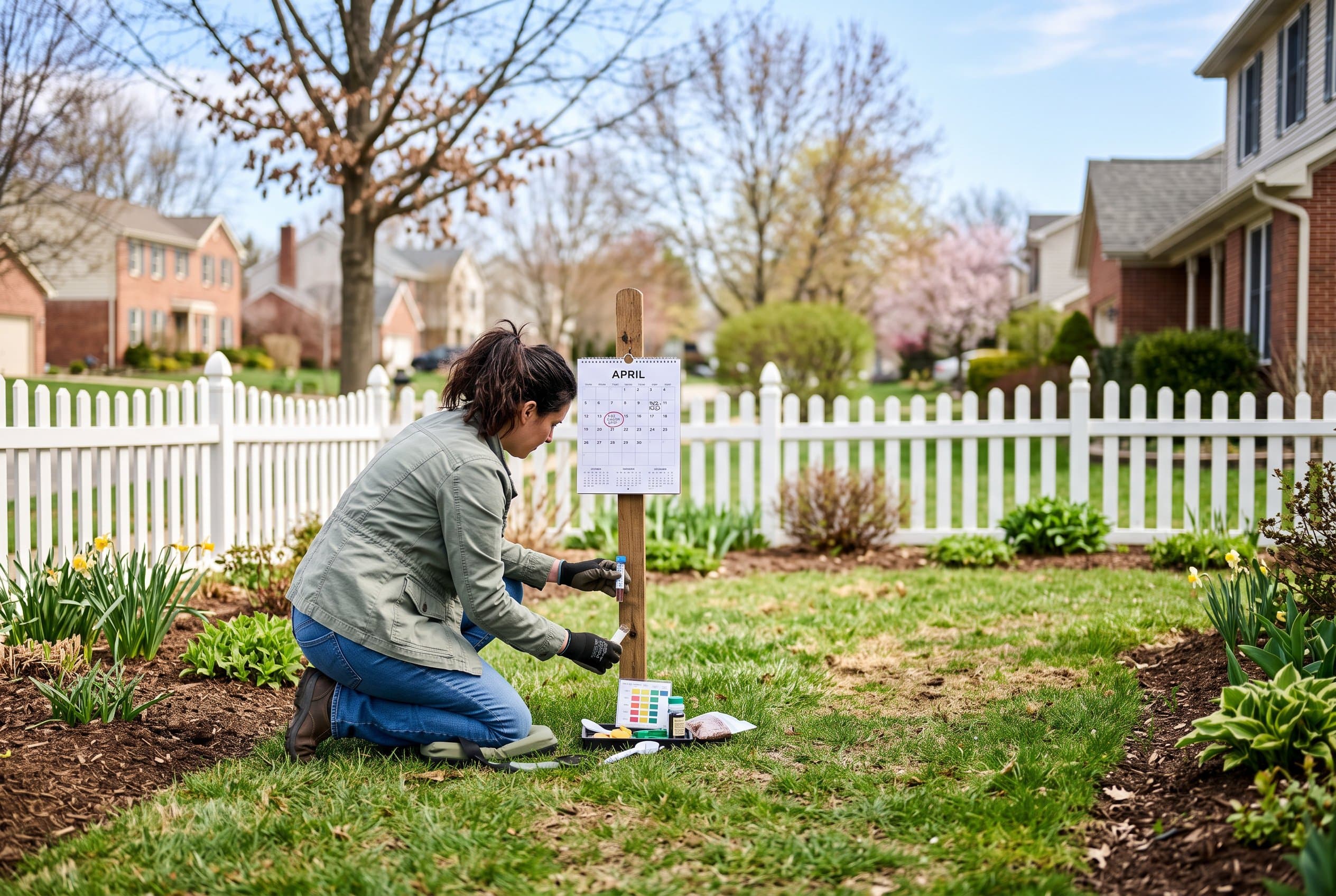
Follow this zone 6 lawn care calendar to know exactly when to fertilize, seed, mow, and winterize your lawn for a thick, healthy turf all year long.
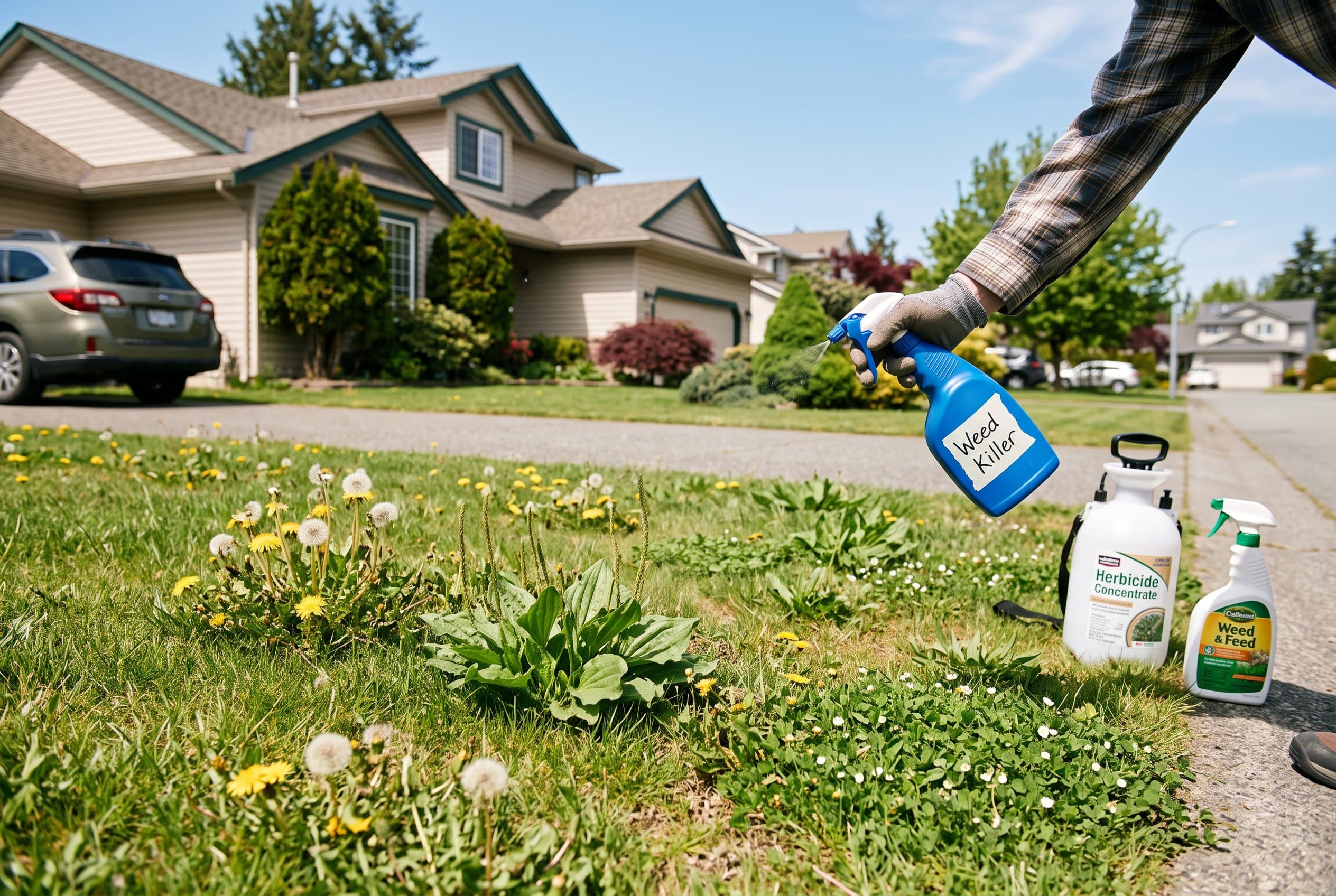
Compare broadleaf weed killers by type, active ingredient, and lawn safety. Find the best option for your yard with our practical homeowner guide.
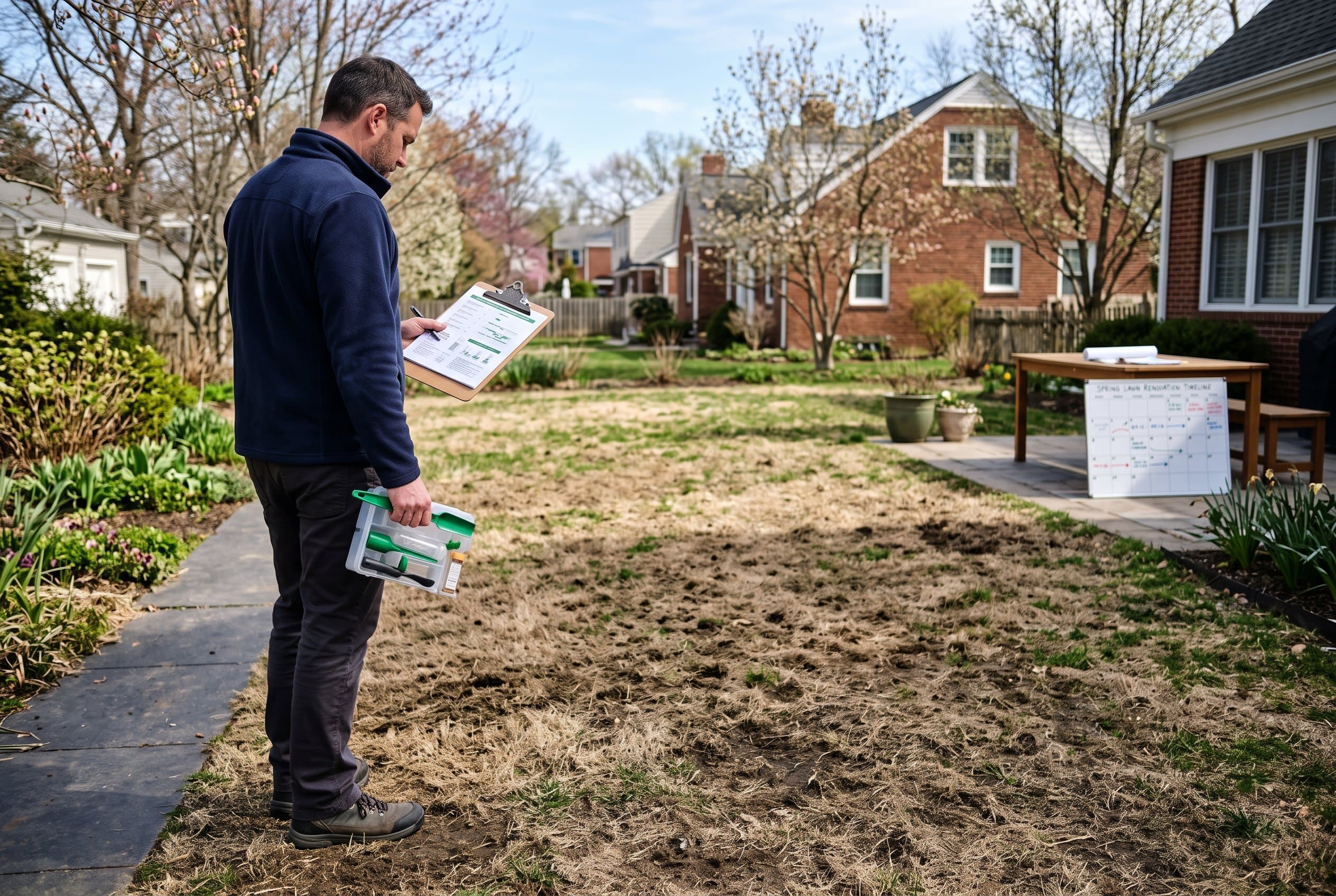
Learn how to plan a spring lawn renovation with expert tips on timing, soil prep, seeding, and fertilizing for a thicker, healthier lawn this season.
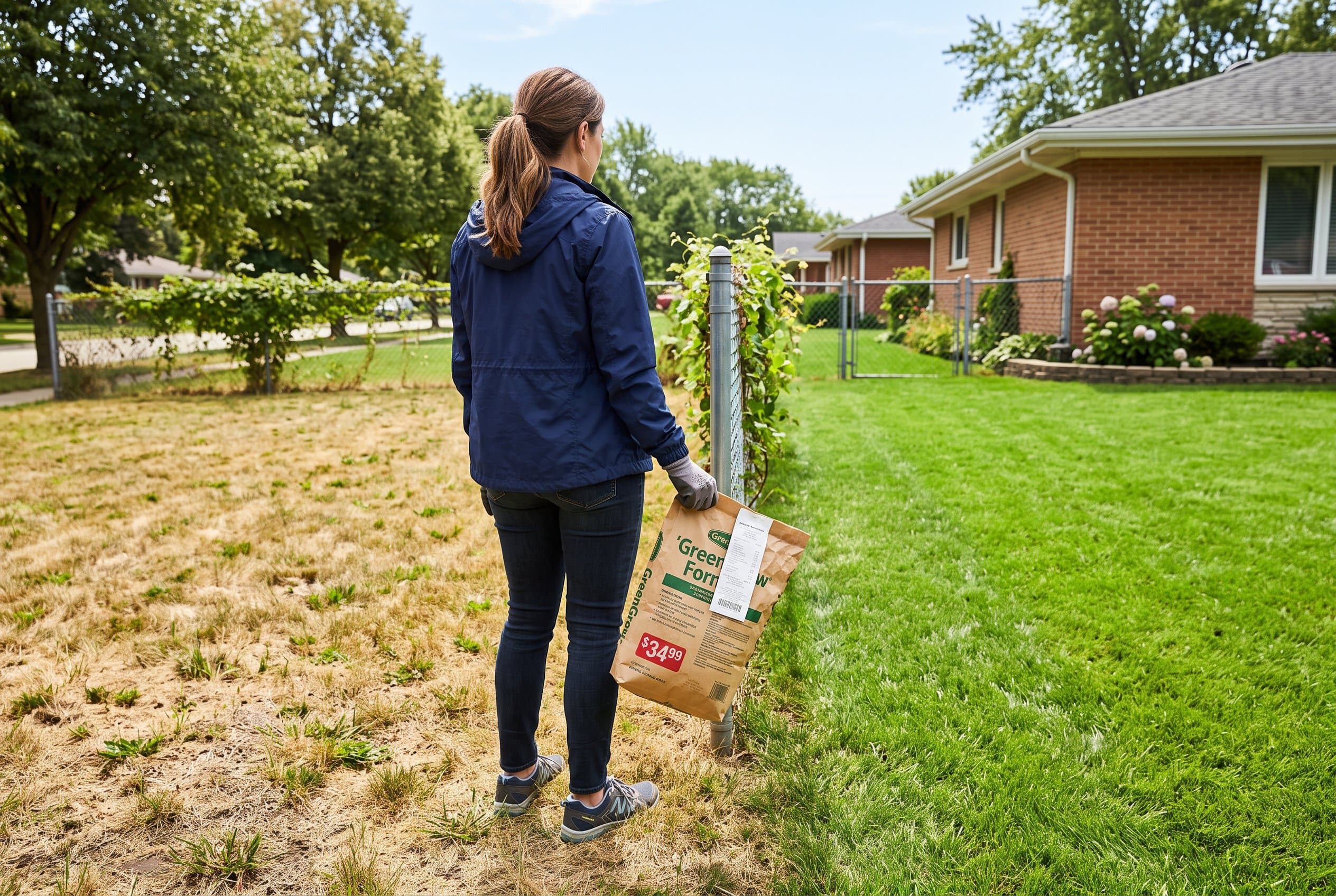
Lawn fertilizer prices are still high in 2026. Learn why costs remain elevated and how to fertilize your lawn without breaking the bank.
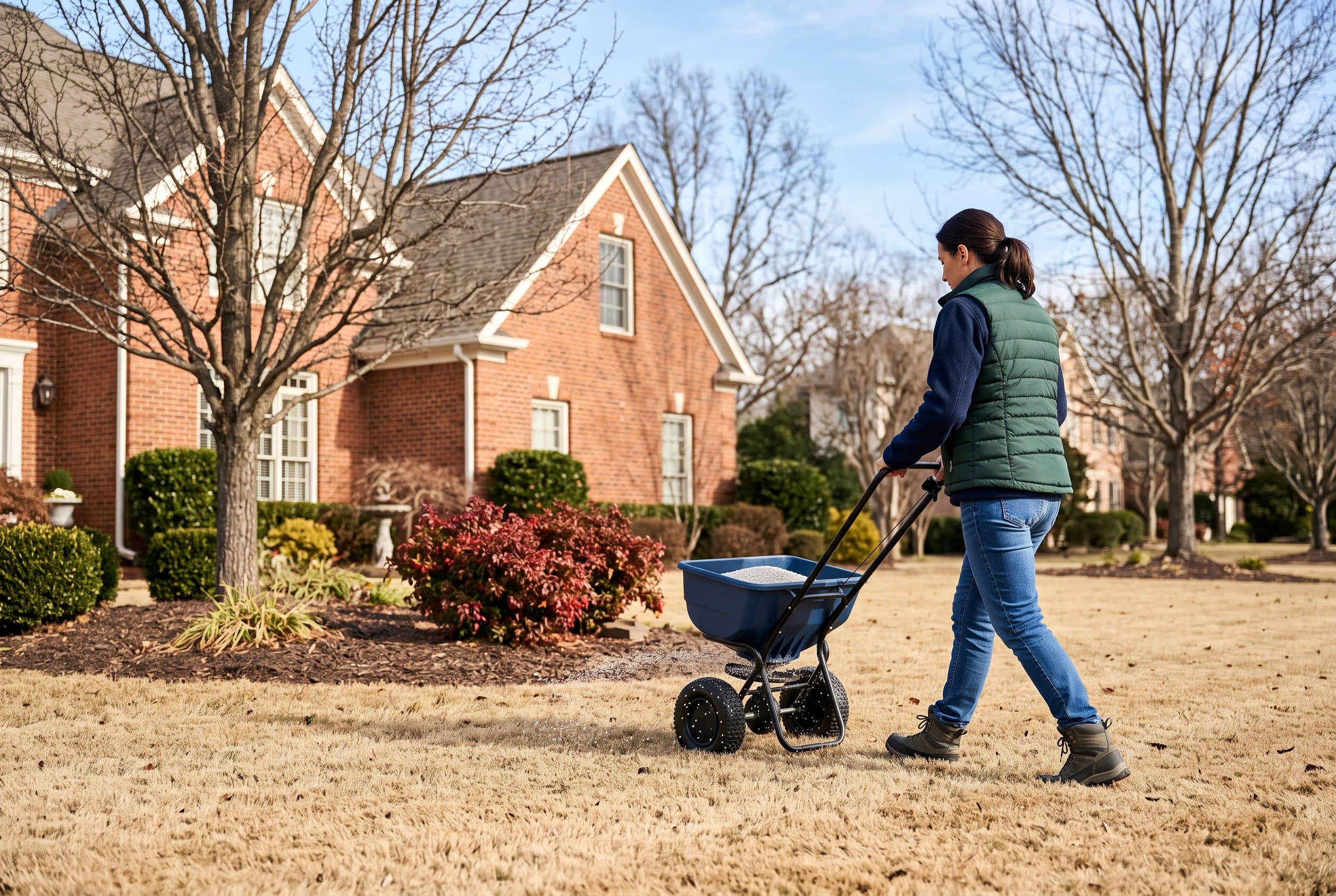
Learn when to apply winterizer fertilizer for a healthier spring lawn. Timing tips by grass type, region, and soil temperature included.

Discover how to maintain a lush lawn without harming your pets. Learn which products, practices, and timing tips make lawn care safe for dogs and cats.
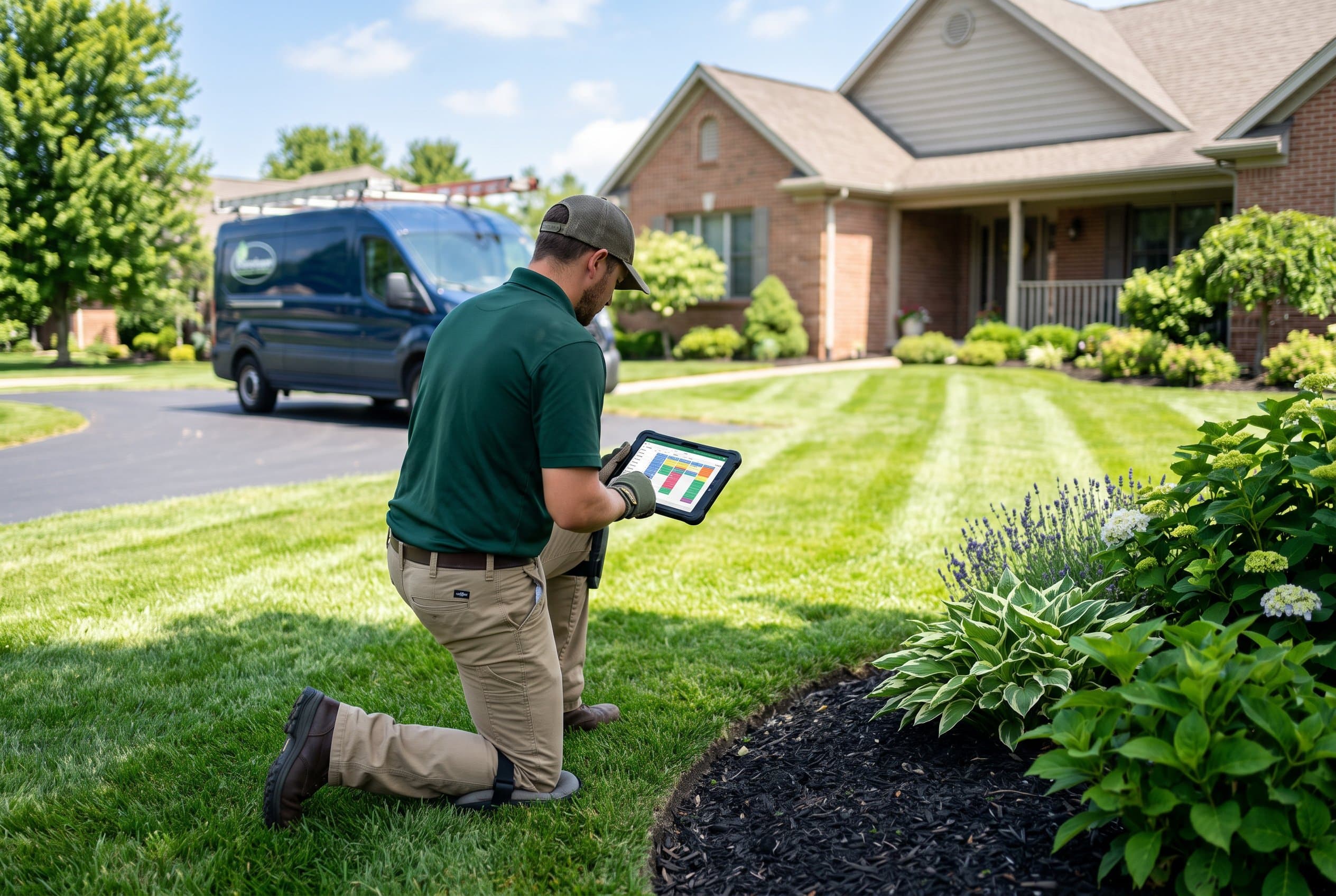
Discover how lawn care subscription services work, what they include, and whether they're the right choice for your yard. Make an informed decision today.
TruGreen costs $65–$225 per visit, or roughly $34–$101 a month by plan. See 2026 pricing, aeration and overseeding costs, and if it's worth it vs. DIY.
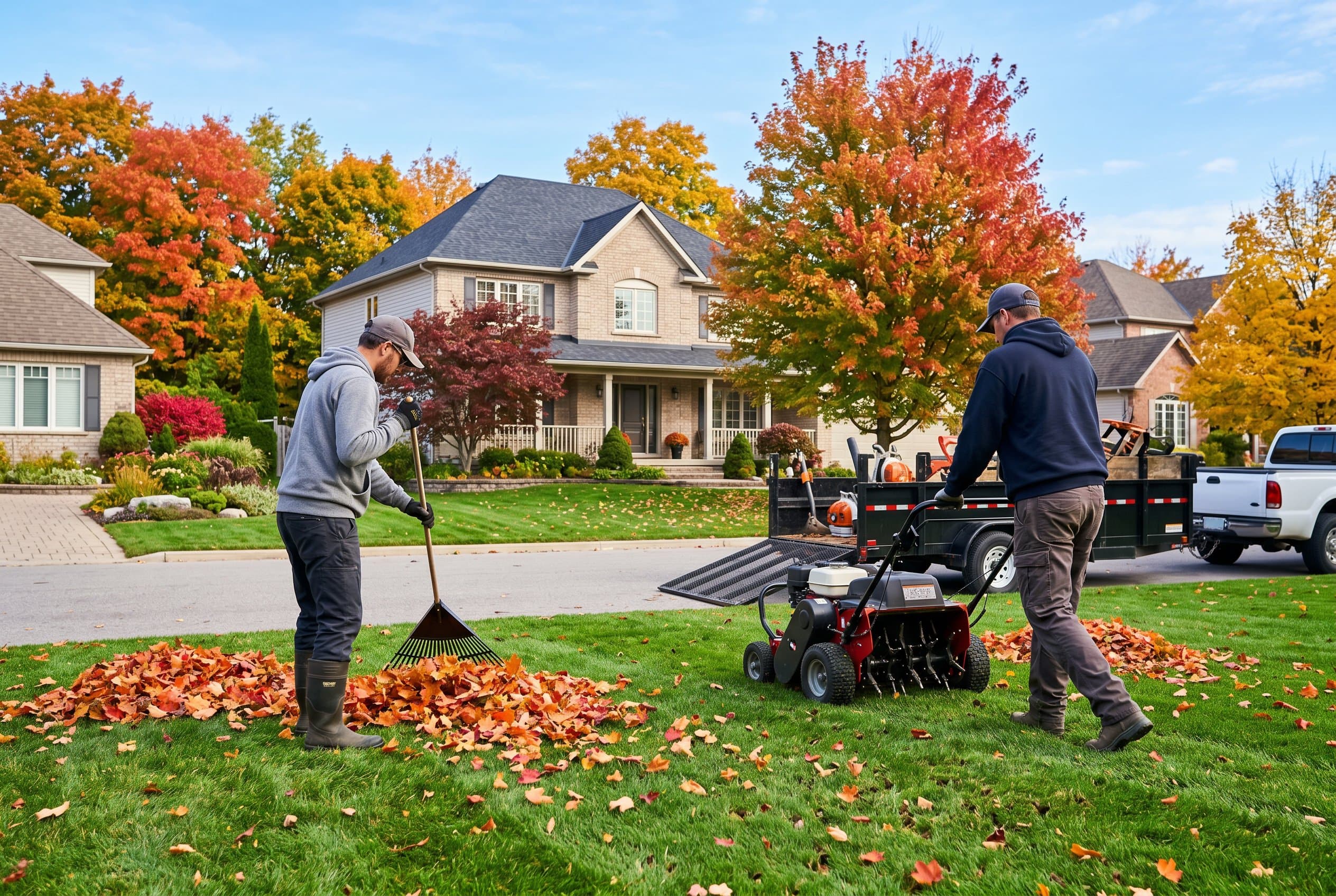
Fall lawn care service costs $300–$900 for a full package. See 2026 line-item pricing for aeration, overseeding, fertilization, and leaf cleanup.
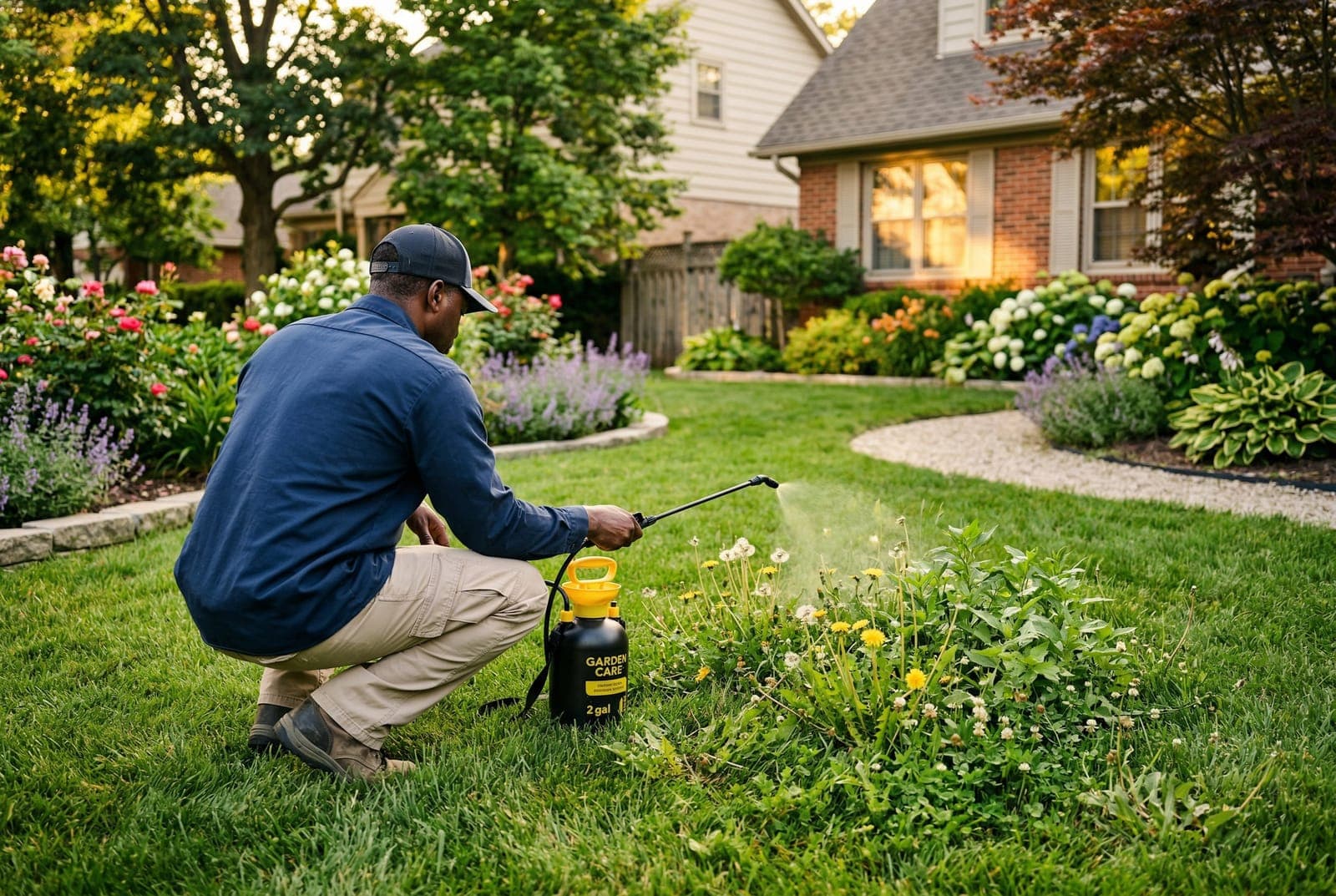
Master your spring weed and feed schedule with proper timing, application tips, and seasonal guidance for a healthier, weed-free lawn all season long.
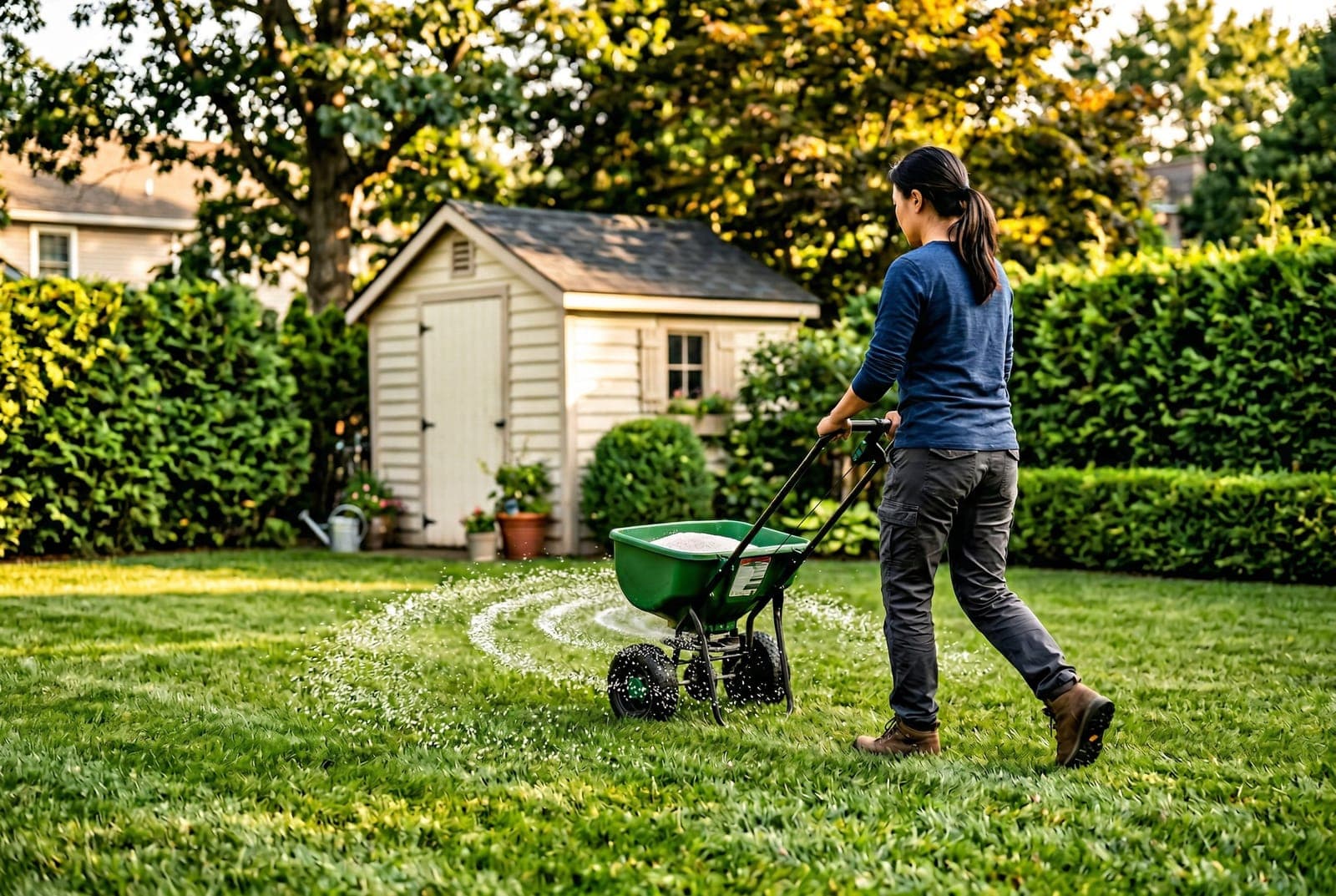
Discover the best spring fertilizer for your lawn. Learn NPK ratios, timing, and application tips for healthy grass growth all season long.
Common questions about lawn fertilization, answered by our expert guides.
University soil labs typically charge $10–$30 for a standard lawn and garden package, plus postage. DIY probe meters and strips cost less but can't reliably measure phosphorus, potassium, or lime needs.
Read the full article →Cheap probe meters measure pH only and are frequently inaccurate. A laboratory test is the only reliable way to get phosphorus, potassium, and a lime recommendation specific to your lawn.
Read the full article →Take cores 4 to 6 inches deep, which covers the root zone where grass actually feeds. Sampling shallower captures thatch and surface amendments and skews your results.
Read the full article →Every two to three years for a healthy established lawn. Test annually if you're correcting pH, recovering from a renovation, or the lawn keeps underperforming despite regular care.
Read the full article →Cool-season grasses thrive in zone 6, including tall fescue, Kentucky bluegrass, and perennial ryegrass. Tall fescue is especially popular for its heat and drought tolerance compared to other cool-season options.
Read the full article →Explore our complete library of lawn care articles covering every topic, season, and skill level.

