
Quick Answer
Brown patch is a fungal disease caused by Rhizoctonia solani that can be treated by applying a systemic fungicide, improving drainage, and adjusting watering habits. Most lawns show improvement within 14–21 days when cultural changes are combined with fungicide treatment. Early identification is key to stopping the spread before large patches form.
Key Takeaways
- Brown patch thrives in hot, humid conditions — typically when temps exceed 80°F with high overnight humidity
- Fungicide applications are most effective as a preventive or at the very first signs of disease
- Overwatering and evening irrigation are the top cultural contributors to brown patch
- Fescue, ryegrass, and bentgrass are the most susceptible cool-season grasses
- Improving soil drainage and air circulation reduces recurrence significantly
Introduction
Few things are more frustrating than watching your lawn develop large, circular brown patches seemingly overnight. Brown patch disease is one of the most common turfgrass diseases in the United States, affecting millions of home lawns every summer[1]. The good news: with the right treatment approach and a few cultural adjustments, most lawns fully recover and can be protected from future outbreaks.
How Do I Know If My Lawn Has Brown Patch?
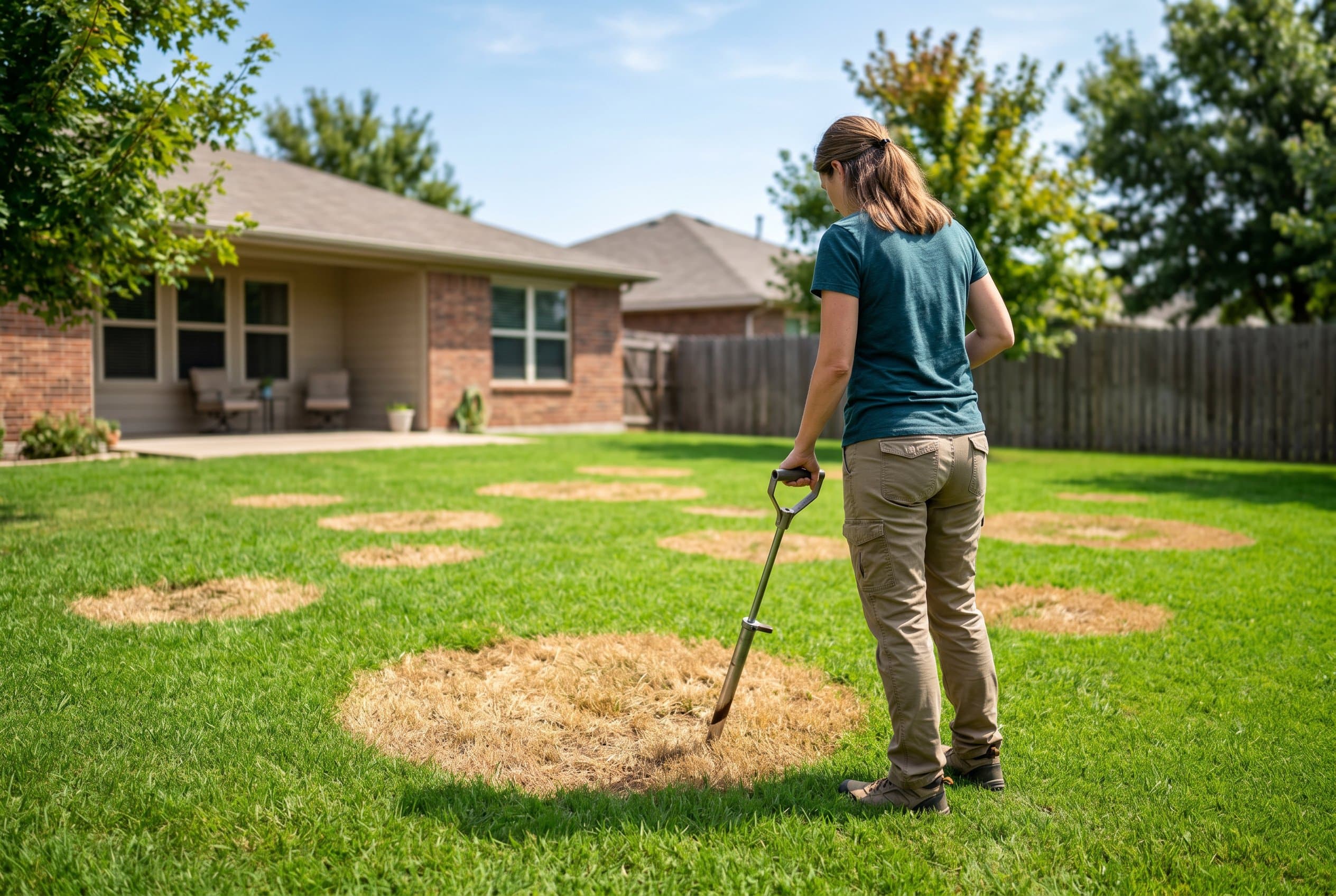
Correct identification is the first step to effective treatment. Brown patch creates distinct circular or irregular patches ranging from a few inches to several feet in diameter[2]. Key visual signs include:
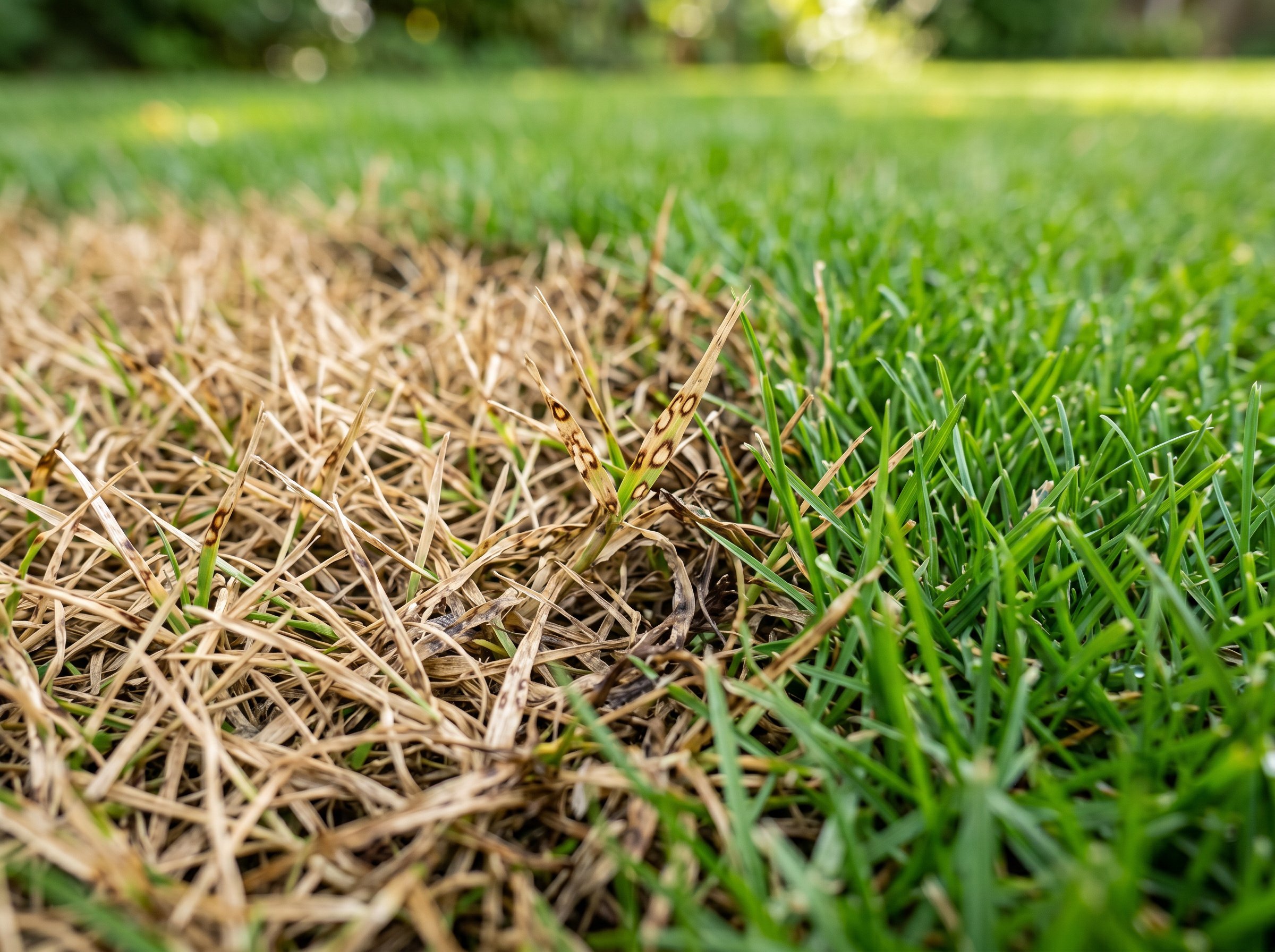
- Smoky ring border: A dark, water-soaked ring around the patch edge — most visible in early morning
- Bleached tan centers: Grass inside the patch turns light tan or straw-colored
- Leaf lesions: Individual grass blades show tan spots with brown borders
- Rapid spread: Patches can double in size within 24–48 hours during ideal conditions
Brown patch is most active when nighttime temperatures stay above 70°F and relative humidity exceeds 95%[3]. In the South, this can mean nearly all summer. In the North, peak risk runs from June through September.
Don't confuse brown patch with dollar spot (smaller, silver-dollar-sized spots) or heat stress (uniform browning without defined borders). Misidentification leads to wasted treatment money.
What's the Most Effective Treatment Step-by-Step?
Treating brown patch successfully requires both a chemical and cultural approach applied together.
Step 1: Adjust Your Watering Immediately
Switch all irrigation to early morning (between 6–10 AM) so grass dries completely before nightfall[4]. Wet foliage overnight is the single biggest driver of disease spread. Reduce watering frequency and water deeply but less often.
Step 2: Mow at the Right Height
Do not mow wet grass. Raise your mowing height slightly — taller grass improves airflow at the soil surface. Clean mower blades with a disinfectant between mowing sessions to avoid spreading spores.
Step 3: Apply a Systemic Fungicide
For active infections, apply a systemic fungicide containing active ingredients such as azoxystrobin, propiconazole, or thiophanate-methyl[5]. These penetrate the plant tissue and stop fungal spread from within. Follow label directions precisely — the EPA requires all fungicide use to follow label instructions as law[6].
- Apply in the early morning or evening to reduce evaporation
- Repeat applications every 14–28 days during high-risk periods
- Rotate fungicide classes to prevent resistance buildup
Step 4: Improve Drainage and Air Circulation
Core aerate compacted areas to improve drainage. Prune overhanging shrubs or tree branches that block airflow and trap humidity near the turf surface.
Step 5: Avoid Excess Nitrogen
Hold off on high-nitrogen fertilizer during active disease. Lush, fast-growing grass is more susceptible to infection[1]. Resume a balanced fertility program once the lawn has recovered.
How Can I Prevent Brown Patch From Coming Back?
Prevention is far easier than treatment, and a few consistent habits make a significant difference year over year[2].
Cultural prevention habits:
- Water only in the morning, never in the evening
- Dethatch annually if thatch exceeds ½ inch — thick thatch traps moisture and harbors fungal spores
- Maintain soil pH between 6.0–7.0 for optimal grass health
- Overseed with disease-resistant turfgrass cultivars when renovating[3]
Preventive fungicide program: In high-risk climates (Southeast, Gulf Coast, humid Midwest), apply a preventive fungicide when soil temperatures consistently reach 70°F in spring. This proactive approach dramatically reduces outbreak severity compared to waiting for visible symptoms[5].
Soil health matters: Compacted soils with poor drainage create ideal conditions for Rhizoctonia. Annual aeration and topdressing with compost improves both drainage and beneficial microbial activity that naturally suppresses fungal pathogens[4].
Conclusion: Your Next Steps
If you're seeing brown patch symptoms right now, start with the cultural fixes immediately — adjust watering, stop evening irrigation, and hold the nitrogen. Apply a systemic fungicide within the first 48 hours of identification for best results. For next season, build a simple prevention plan: early-morning watering, annual aeration, and a preventive fungicide application when warm, humid weather arrives. Consistent lawn care habits are your best long-term defense against this frustrating but very beatable disease.