fall4 min read
Frost Damage Lawn Recovery: Fix Your Grass Fast
Learn how to recover your lawn from frost damage with step-by-step guidance on timing, repair, and treatment to restore healthy, green grass this season.
Master your lawn care routine for every season with expert timing guides and seasonal checklists.
A beautiful lawn doesn't happen by accident. It follows the rhythm of the seasons, and the homeowners who achieve the greenest, healthiest yards are the ones who understand what their grass needs at each stage of the year. Seasonal lawn care is about working with nature rather than against it -- applying the right treatments at the right time for maximum impact.
In spring, your lawn awakens from dormancy and needs the right combination of fertilizer, pre-emergent herbicide, and proper mowing height to establish a strong foundation. Summer brings heat stress and increased water demands that require a shift in strategy. Fall is your golden window for overseeding, aeration, and building root reserves before winter. And winter, far from being a "do nothing" season, is when smart planning and equipment maintenance set you up for next year's success.
Our seasonal guides are organized month-by-month so you always know what to do next. Each article includes specific timing windows based on grass type and climate zone, so whether you have cool-season fescue in the Northeast or warm-season bermuda in the South, you'll find advice tailored to your lawn.
Compare 4 grub killers by active ingredient (chlorantraniliprole, imidacloprid, trichlorfon), application window, and life-cycle stage. Includes the pyrethroids that won't work.
Key Stat: Eight or more grubs per square foot is the standard action threshold — below that, treatment usually is not necessary.
These seasonal lawn care articles are most relevant to what your lawn needs right now.
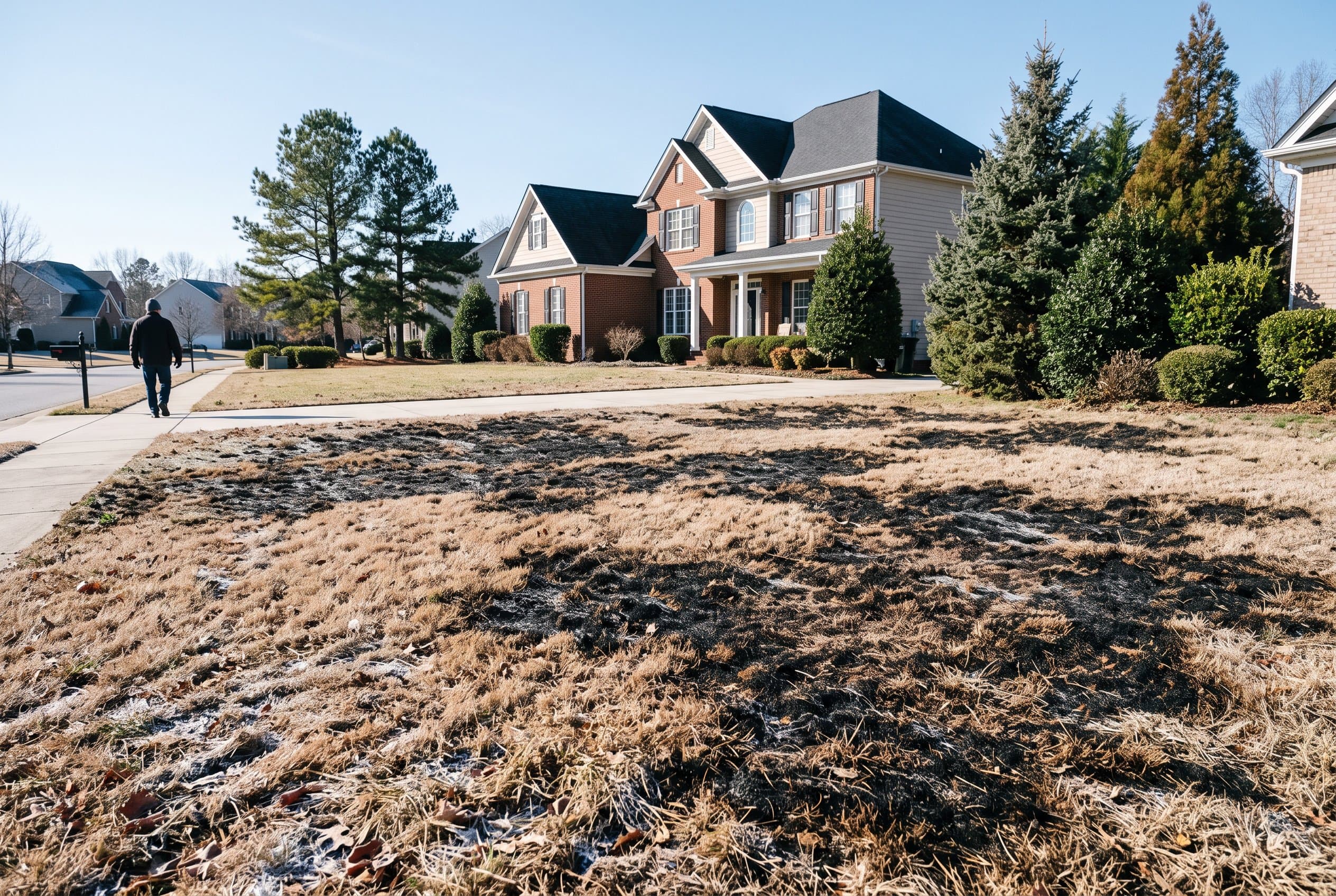
Learn how to recover your lawn from frost damage with step-by-step guidance on timing, repair, and treatment to restore healthy, green grass this season.
Learn how to plan a spring lawn renovation with expert tips on timing, soil prep, seeding, and fertilizing for a thicker, healthier lawn this season.
Learn how to spot, treat, and prevent the most common winter lawn diseases. Expert tips for homeowners to protect their grass through the cold season.
Keep your lawn healthy during water restrictions with expert tips on watering schedules, drought-tolerant grasses, and smart conservation strategies.
Browse all 73 articles in this topic. Filter by season to find exactly what you need.
Learn how to recover your lawn from frost damage with step-by-step guidance on timing, repair, and treatment to restore healthy, green grass this season.
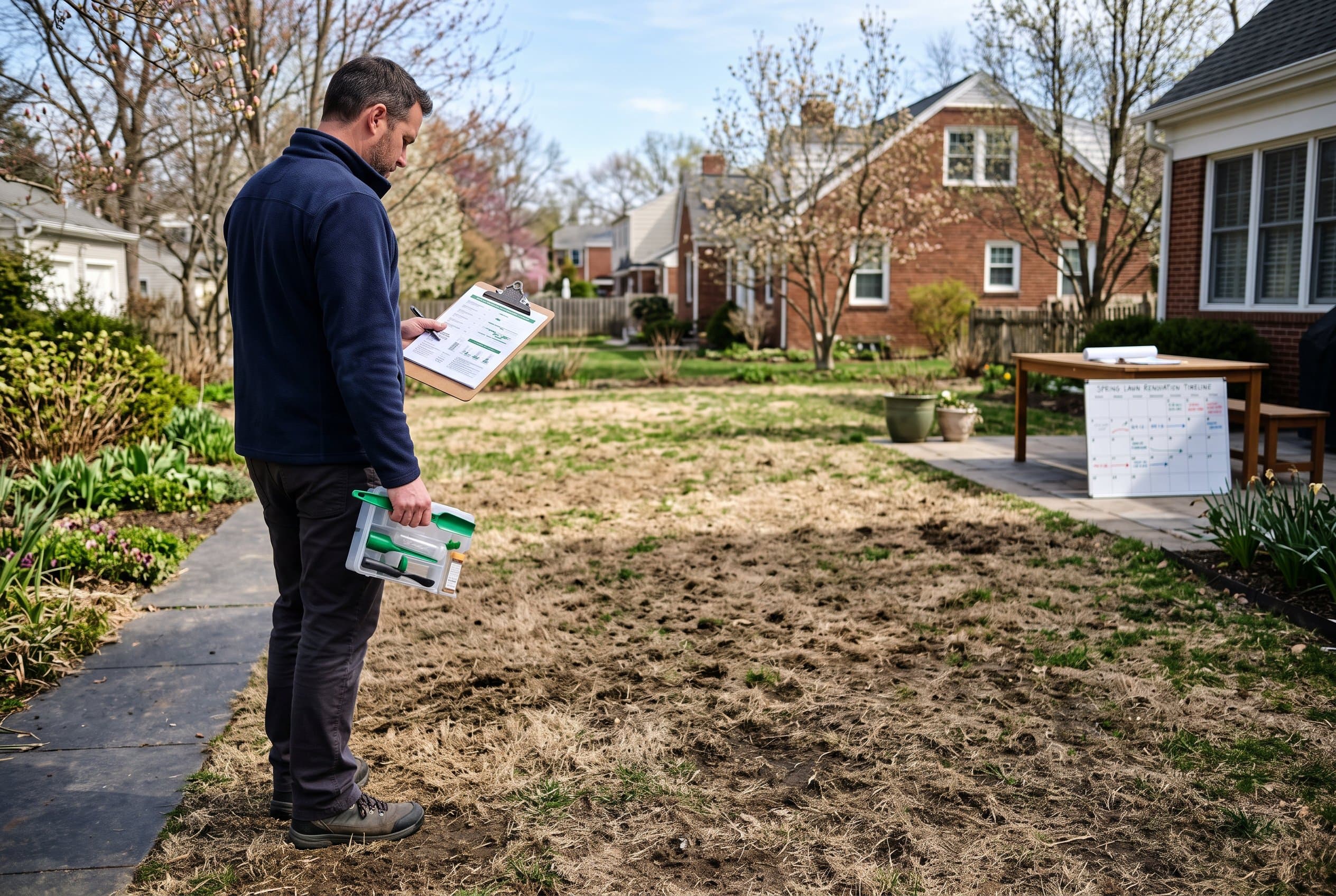
Learn how to plan a spring lawn renovation with expert tips on timing, soil prep, seeding, and fertilizing for a thicker, healthier lawn this season.
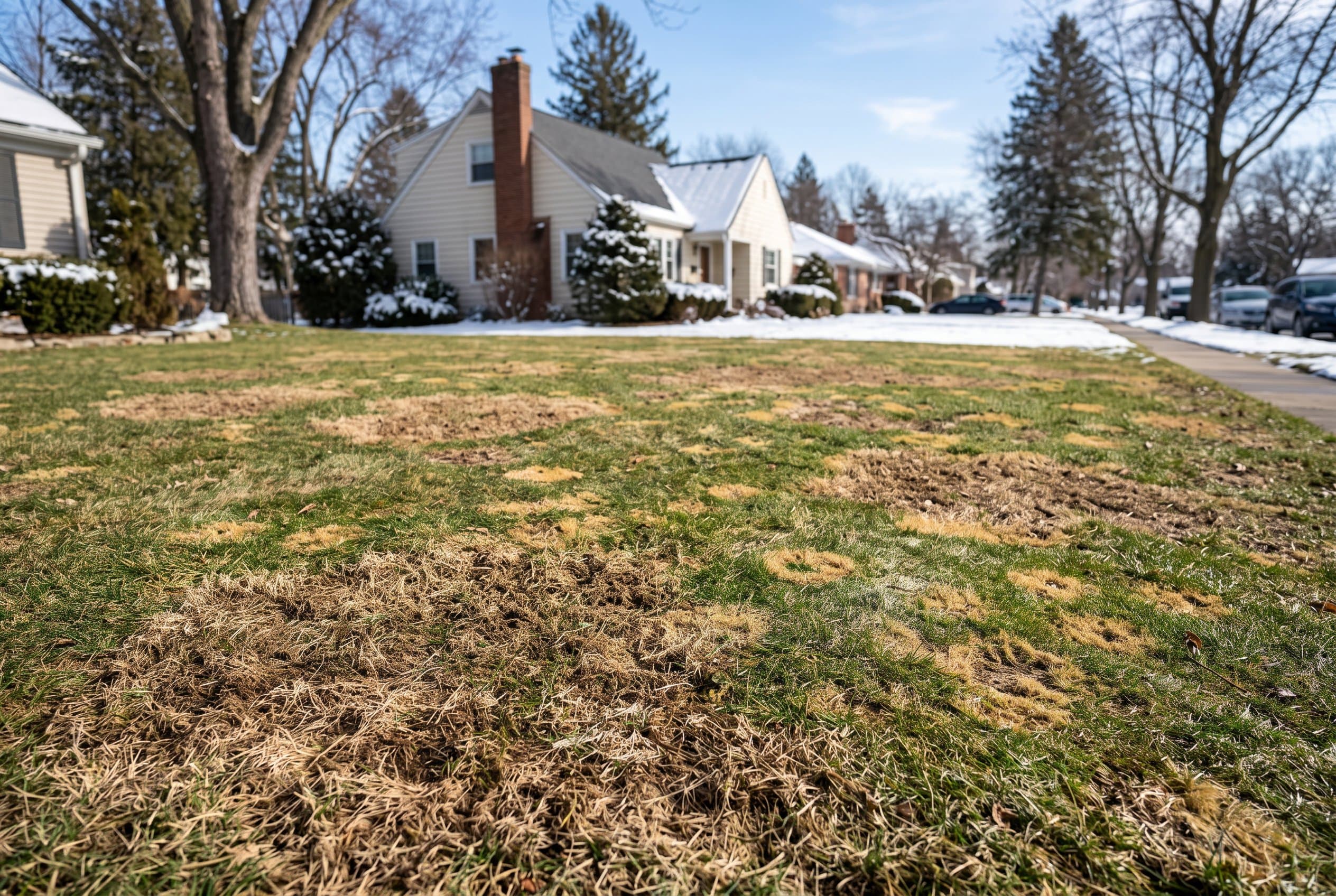
Learn how to spot, treat, and prevent the most common winter lawn diseases. Expert tips for homeowners to protect their grass through the cold season.
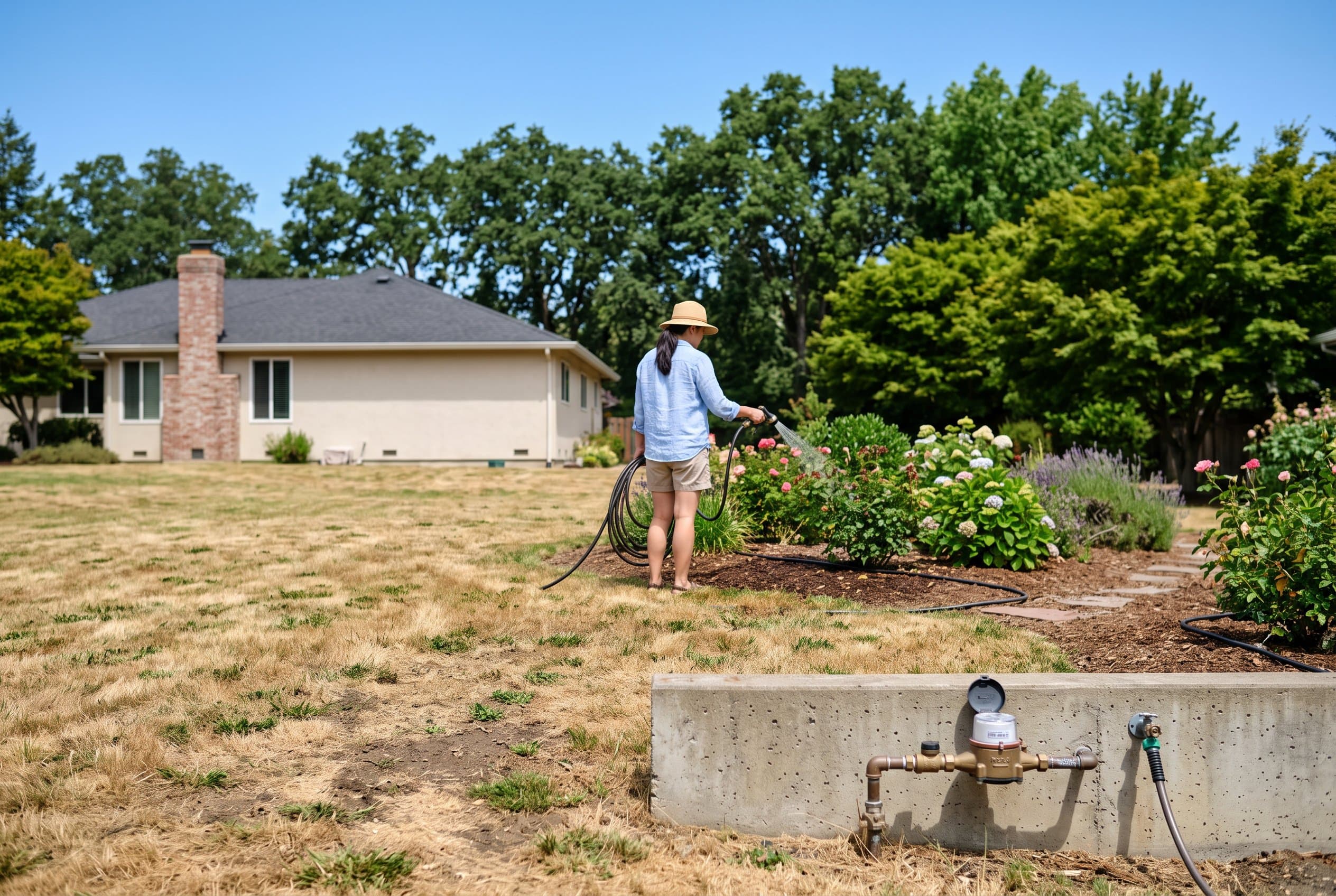
Keep your lawn healthy during water restrictions with expert tips on watering schedules, drought-tolerant grasses, and smart conservation strategies.
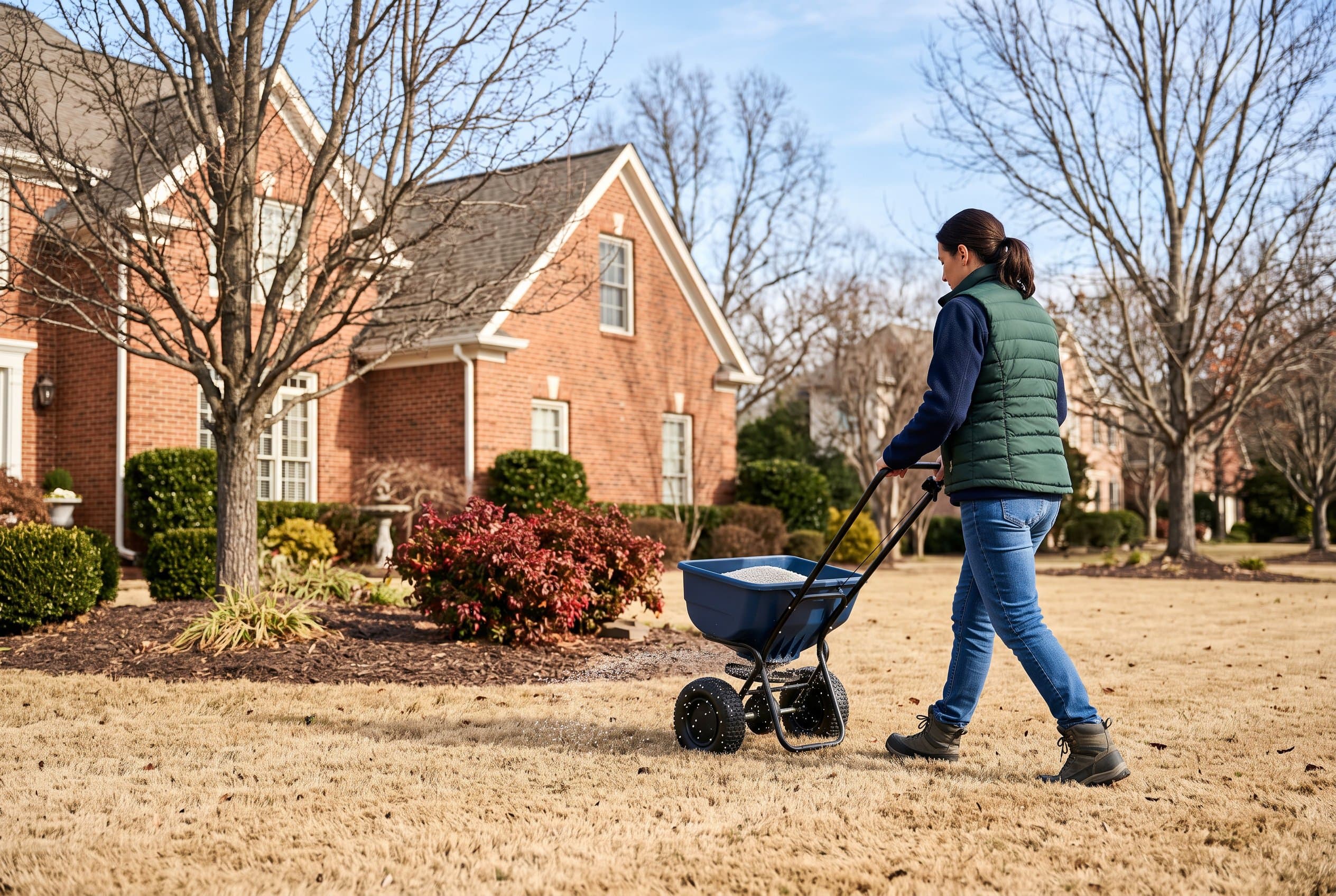
Learn when to apply winterizer fertilizer for a healthier spring lawn. Timing tips by grass type, region, and soil temperature included.
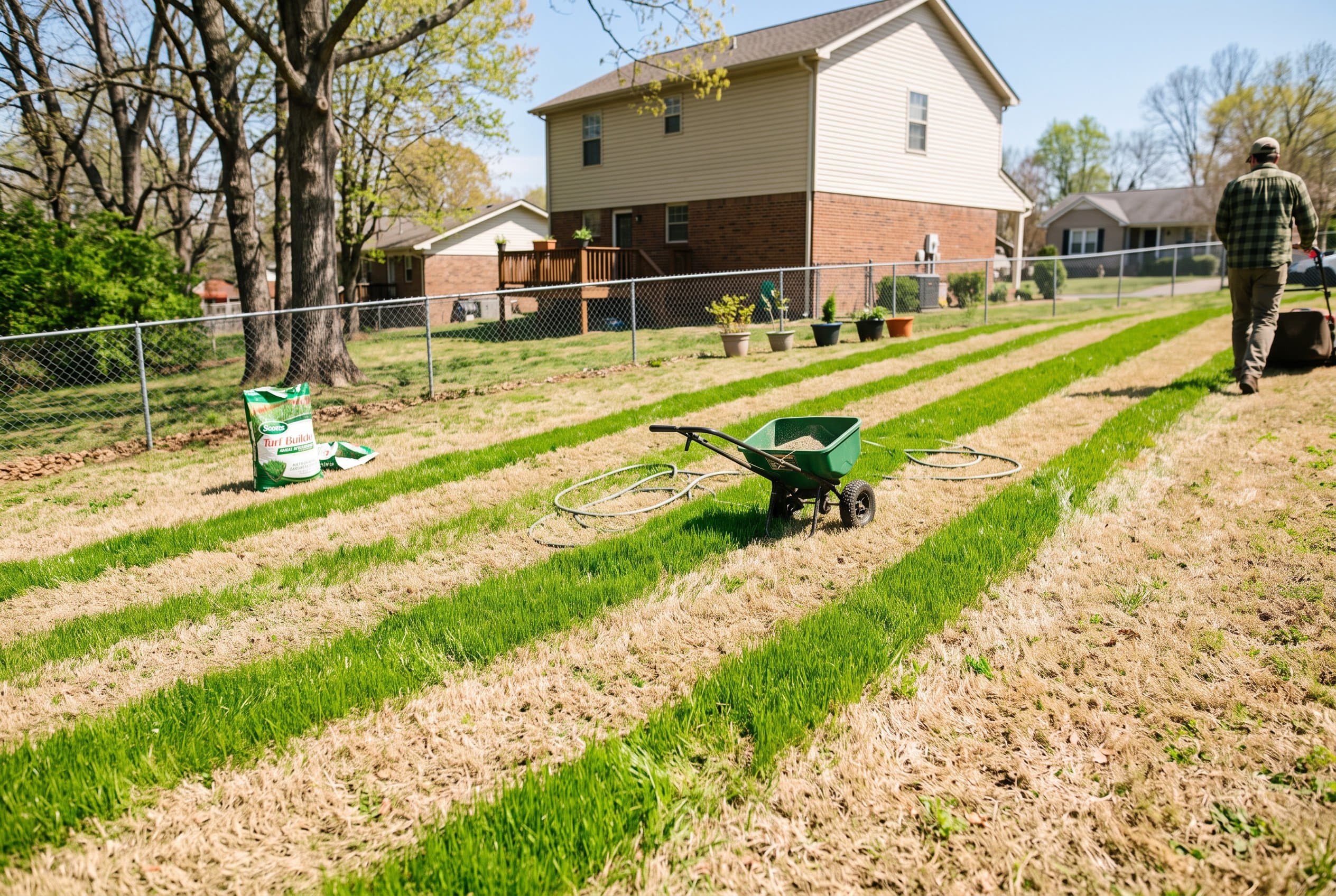
Learn how to overseed bermuda grass with ryegrass for a green winter lawn. Step-by-step tips on timing, seeding rates, and aftercare for homeowners.
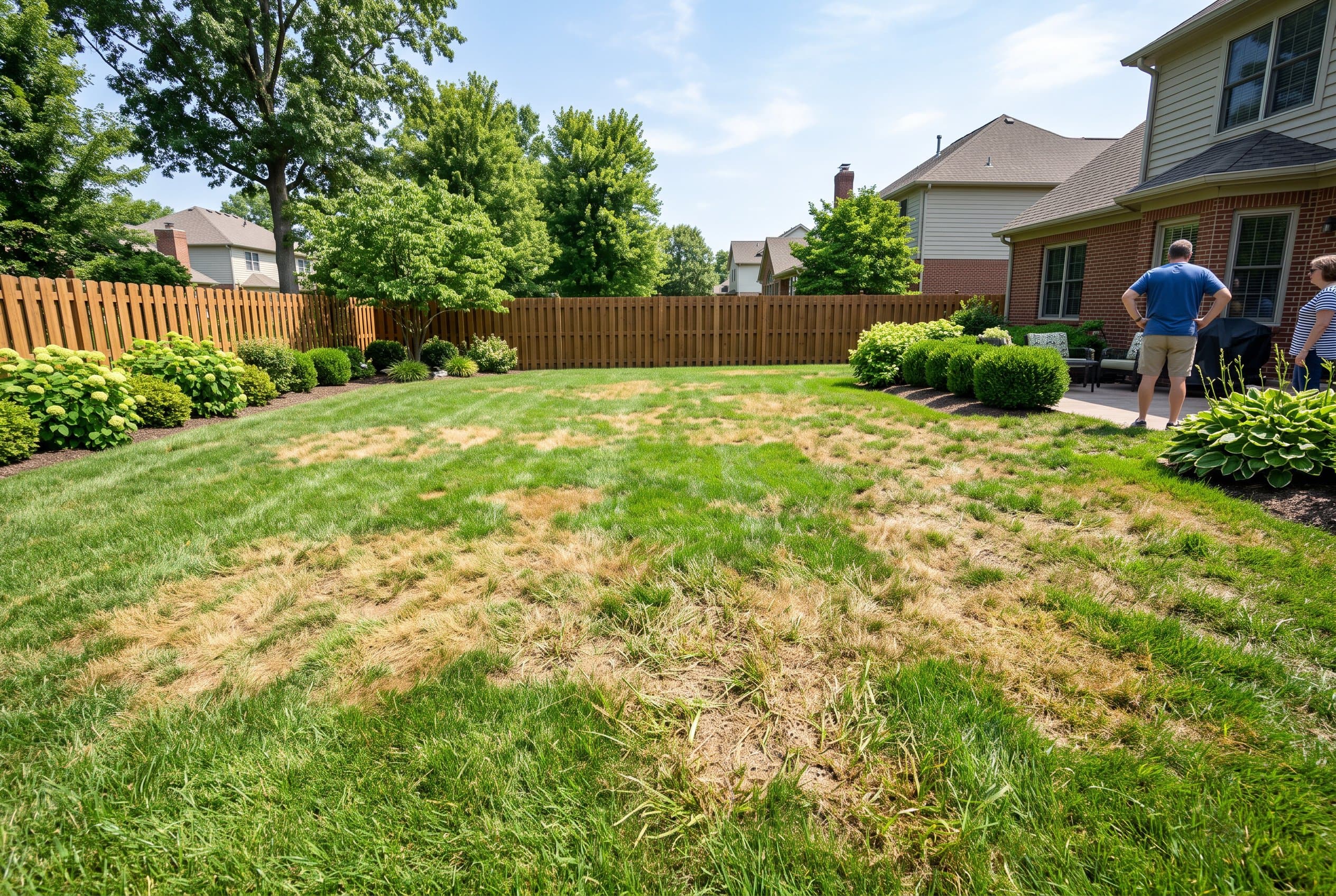
Fall armyworms can destroy your lawn in days. Learn how to identify them, treat an infestation fast, and prevent future damage with these expert tips.
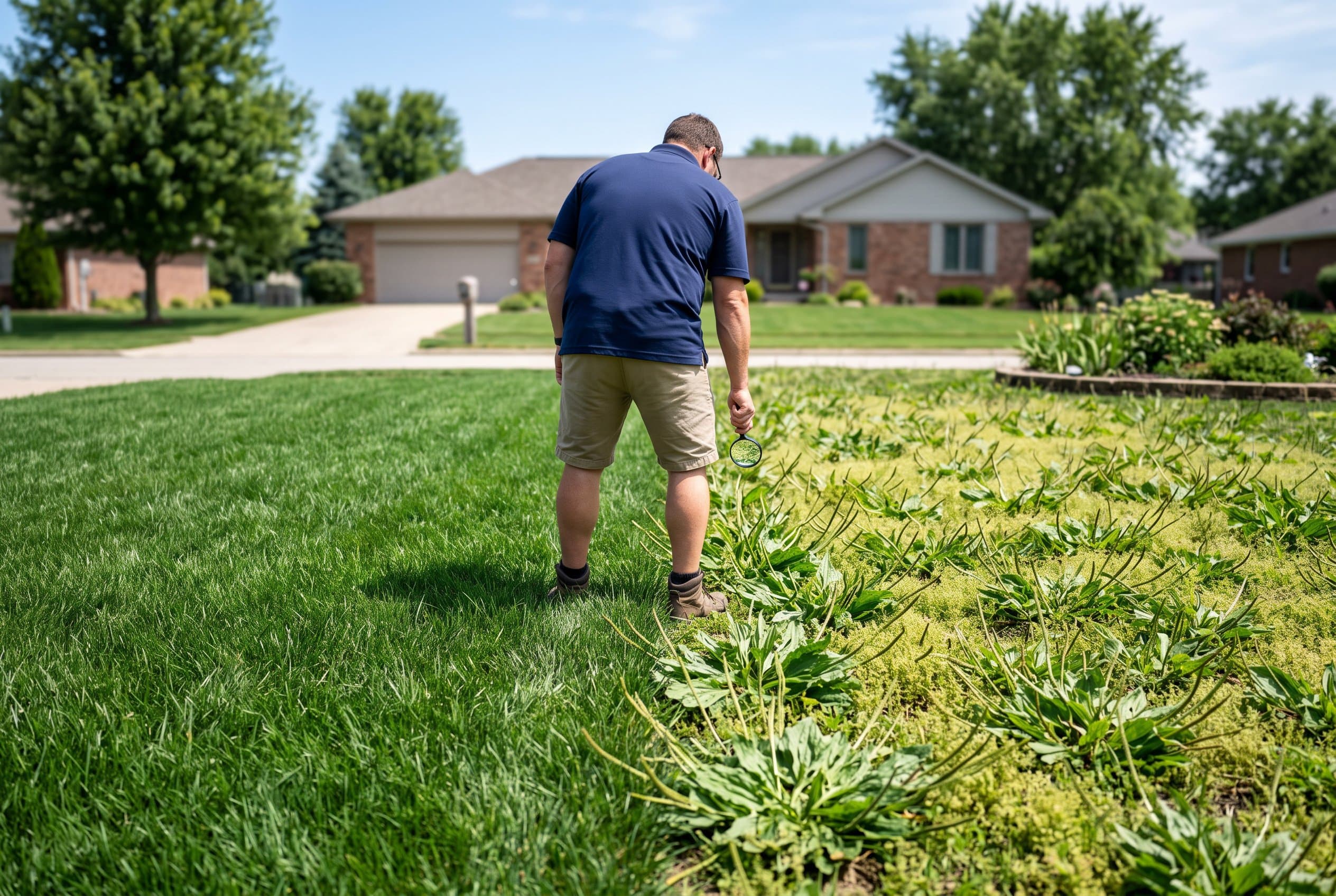
Learn how to tell goosegrass from crabgrass with key visual differences, a comparison table, and tips to control each weed effectively in your lawn.
Discover how lawn care subscription services work, what they include, and whether they're the right choice for your yard. Make an informed decision today.
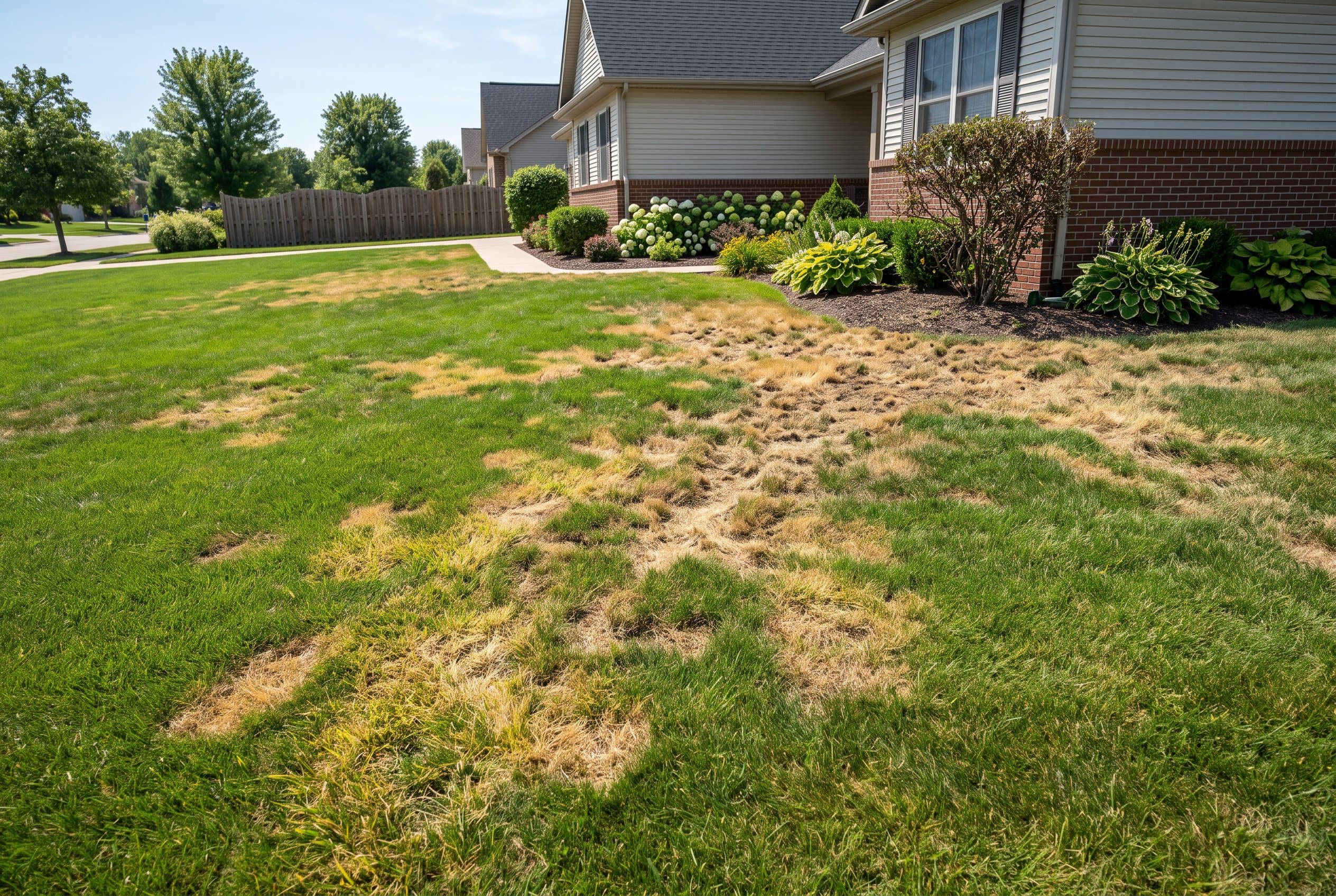
Learn how to identify chinch bug lawn damage, spot an infestation early, and take action to restore your grass with proven treatment strategies.
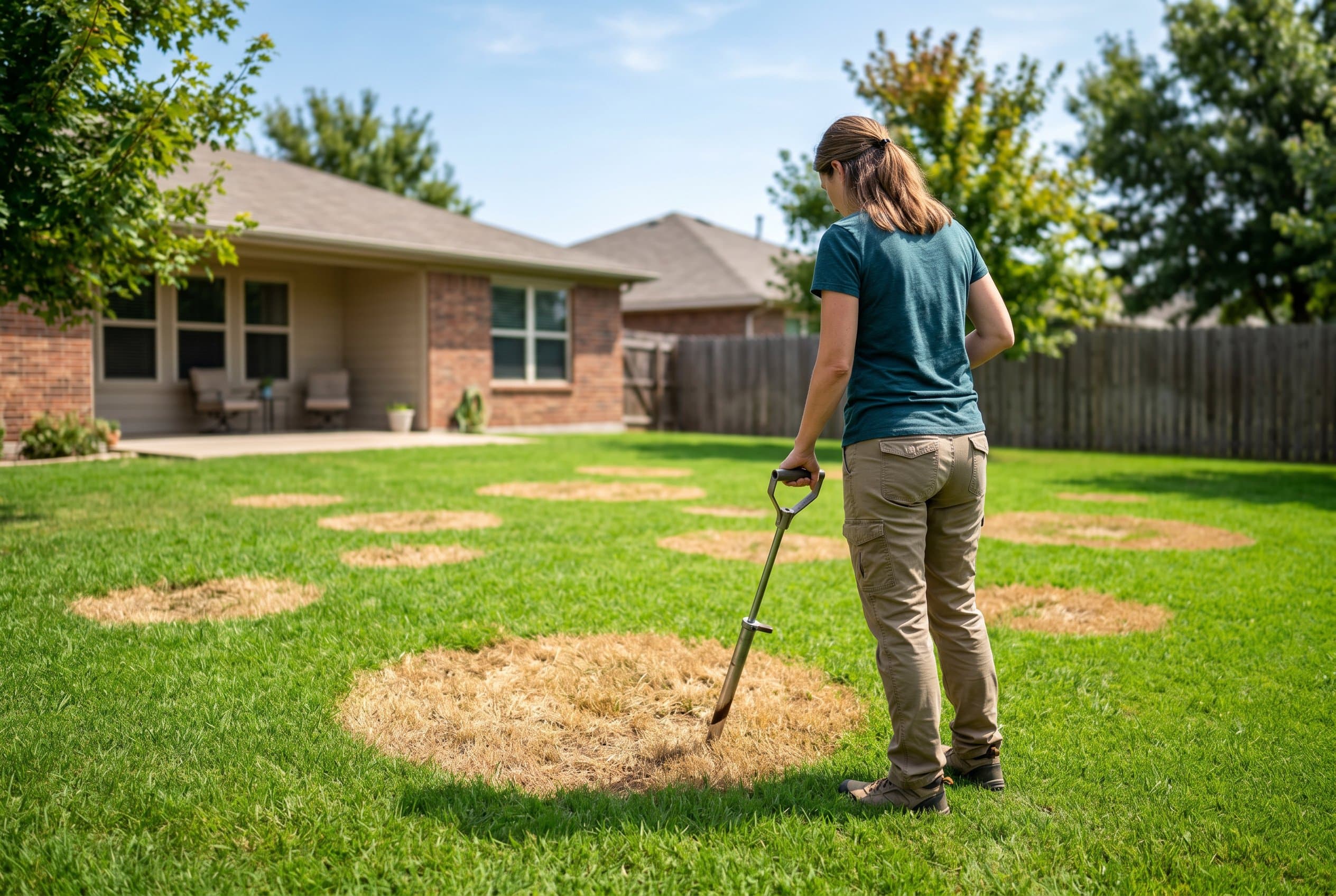
Learn how to identify, treat, and prevent brown patch lawn disease with proven fungicide treatments and cultural practices that work fast.
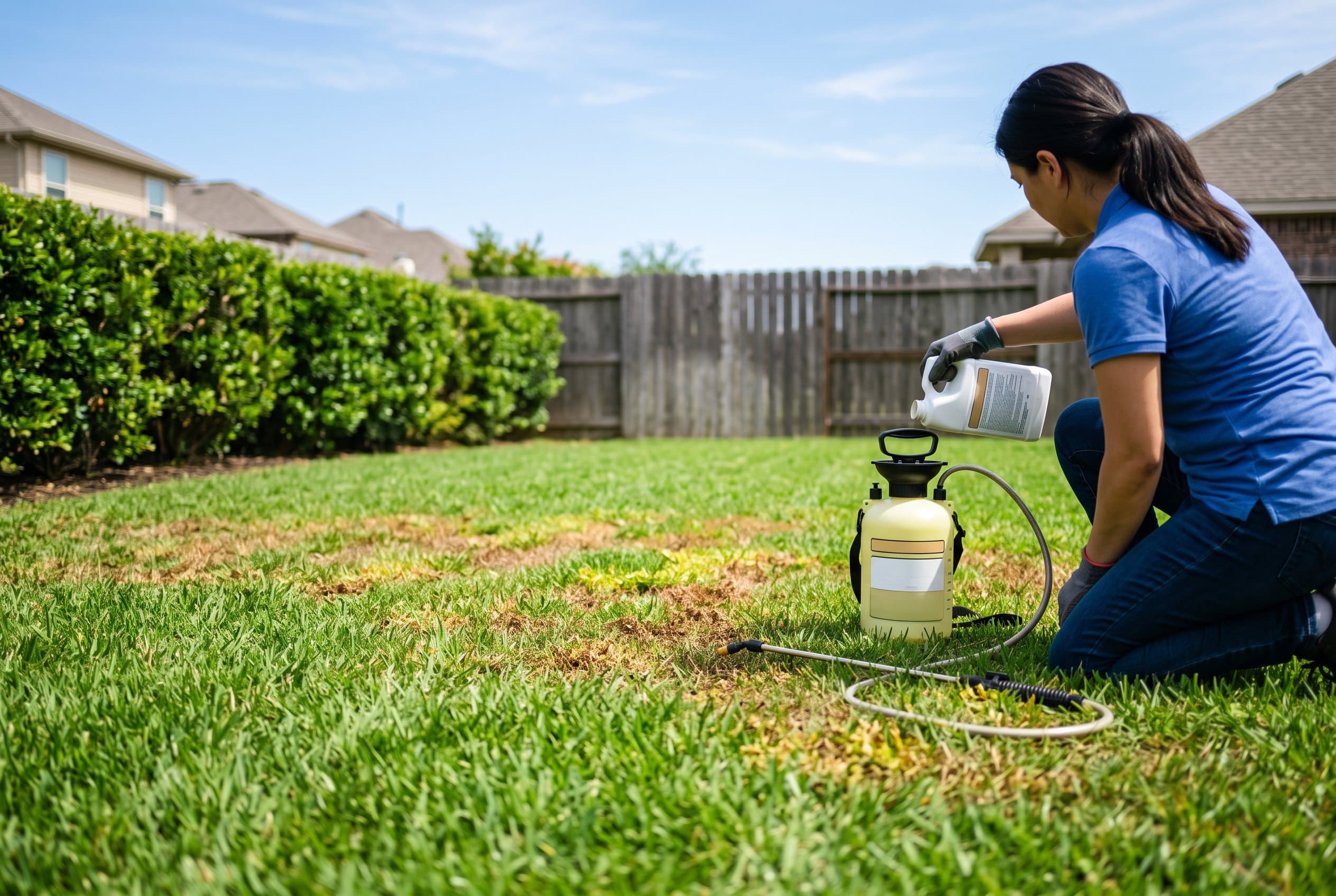
Compare 5 lawn fungicides by active ingredient, disease spectrum, and application type. Systemic vs. contact, preventive vs. curative — matched to the most common turf diseases.
Common questions about seasonal lawn care, answered by our expert guides.
Mild frost damage typically resolves within 1 to 2 weeks once temperatures warm. Severe damage that has killed the grass crown may take a full growing season to recover, especially if overseeding or sodding is required.
Read the full article →Yes, but wait until the grass has fully thawed before watering. Once thawed, consistent soil moisture helps damaged grass recover and supports any new seed you may apply to bare patches.
Read the full article →In most cases, yes — if the grass crown survived the freeze, the lawn will green up naturally as temperatures rise. Only areas where the crown is dead will require overseeding or sodding to recover.
Read the full article →Warm-season grasses like bermudagrass, zoysiagrass, and St. Augustine are the most frost-sensitive and go dormant or suffer damage at temperatures below 32°F. Cool-season grasses like tall fescue and Kentucky bluegrass are more cold-tolerant.
Read the full article →The best time is early spring when soil temperatures consistently reach 50–65°F. This gives new seed the warmth it needs to germinate without the stress of approaching summer heat.
Read the full article →Explore our complete library of lawn care articles covering every topic, season, and skill level.