fall4 min read
Broadleaf Weed Killer Comparison: Best Options for 2024
Compare broadleaf weed killers by type, active ingredient, and lawn safety. Find the best option for your yard with our practical homeowner guide.
Identify and eliminate lawn weeds with proven strategies for crabgrass, spurge, and more.
Weeds are the number one frustration for homeowners striving for a clean, healthy lawn. They compete with your grass for sunlight, water, and nutrients, and left unchecked, they can take over entire sections of your yard in a single season. Effective weed control requires a two-pronged approach: prevention and targeted elimination.
Pre-emergent herbicides are your first line of defense, creating a chemical barrier that prevents weed seeds from germinating. Timing is critical -- apply too early and the barrier degrades before peak germination; too late and the weeds are already growing. Our guides cover the exact soil temperature windows for crabgrass, spurge, and other common invaders so you can time your applications perfectly.
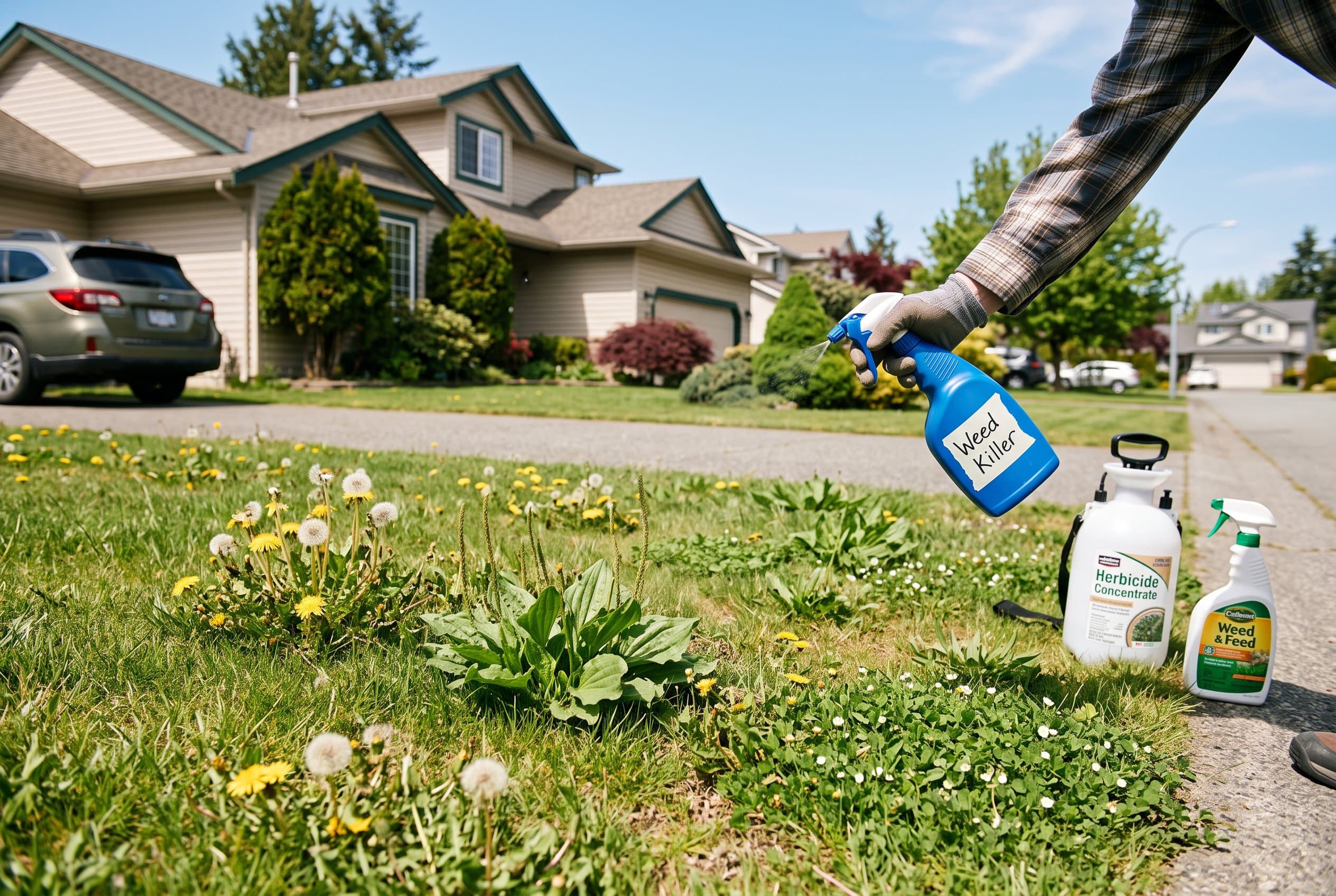
For weeds that have already established, post-emergent herbicides provide targeted control. Knowing whether you're dealing with broadleaf weeds like dandelions or grassy weeds like crabgrass determines which product to use. We also cover organic and natural weed control methods for homeowners who prefer chemical-free approaches, including corn gluten meal, vinegar-based solutions, and manual removal techniques that actually work.
TruGreen costs about $400–$900 per year for most lawns, or $50–$100 per visit. See 2026 plan pricing, what's included, and how it compares to DIY and local pros.
Key Stat: TruGreen's annual lawn plans run $450–$2,000 depending on lawn size and plan tier, while a comparable DIY fertilization and weed control program typically costs $150–$400 per year in products.
These weed control articles are most relevant to what your lawn needs right now.
Compare broadleaf weed killers by type, active ingredient, and lawn safety. Find the best option for your yard with our practical homeowner guide.
Is 2,4-D banned in your state? Learn which states restrict this herbicide, how to check local rules, and safer alternatives for weed control.
TruGreen costs about $400–$900 per year for most lawns, or $50–$100 per visit. See 2026 plan pricing, what's included, and how it compares to DIY and local pros.
Poa annua germinates as fall soil temps drop below 70°F. Learn the right pre-emergent, the soil-temp trigger, and application timing for your region.
Browse all 22 articles in this topic. Filter by season to find exactly what you need.
Compare broadleaf weed killers by type, active ingredient, and lawn safety. Find the best option for your yard with our practical homeowner guide.
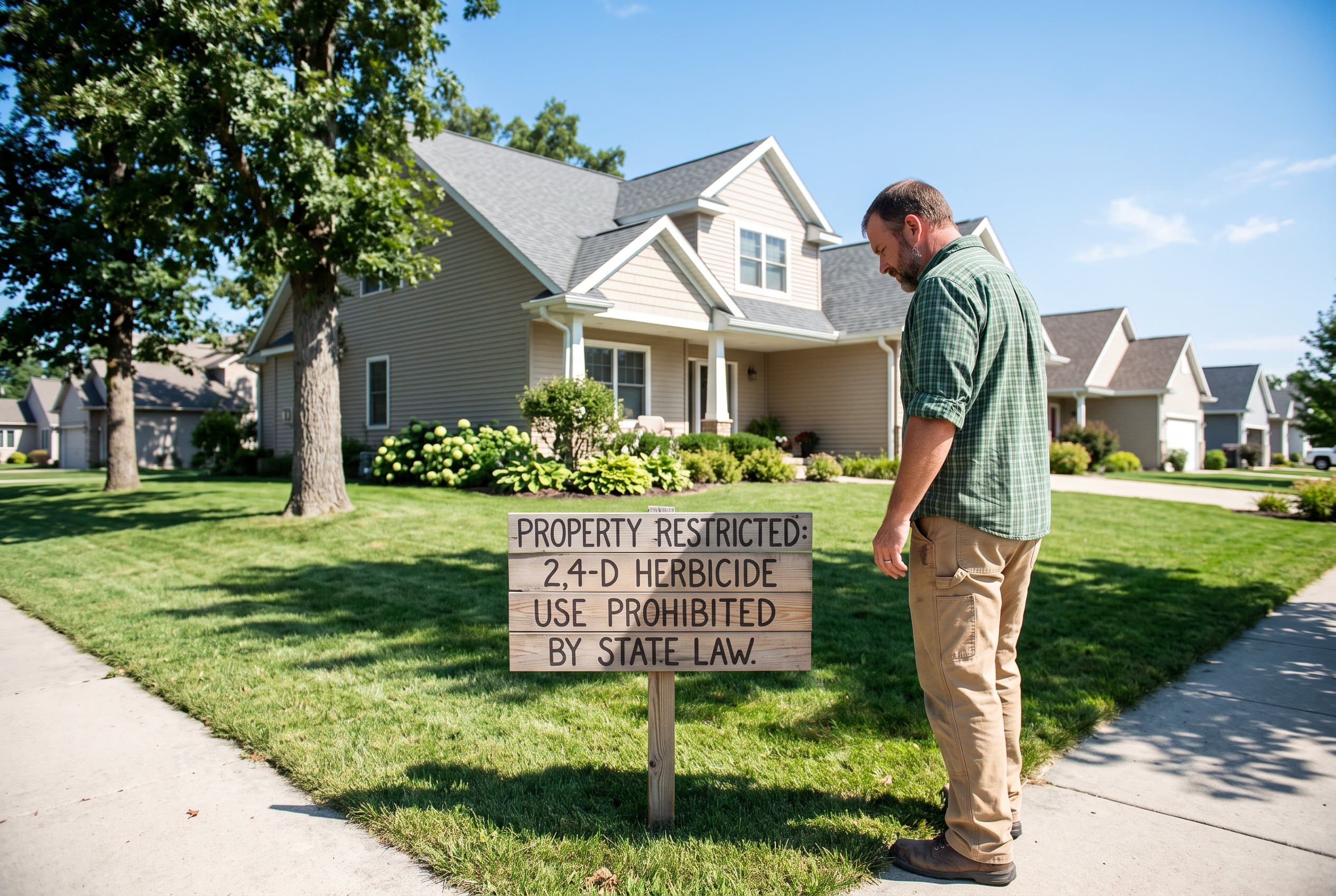
Is 2,4-D banned in your state? Learn which states restrict this herbicide, how to check local rules, and safer alternatives for weed control.
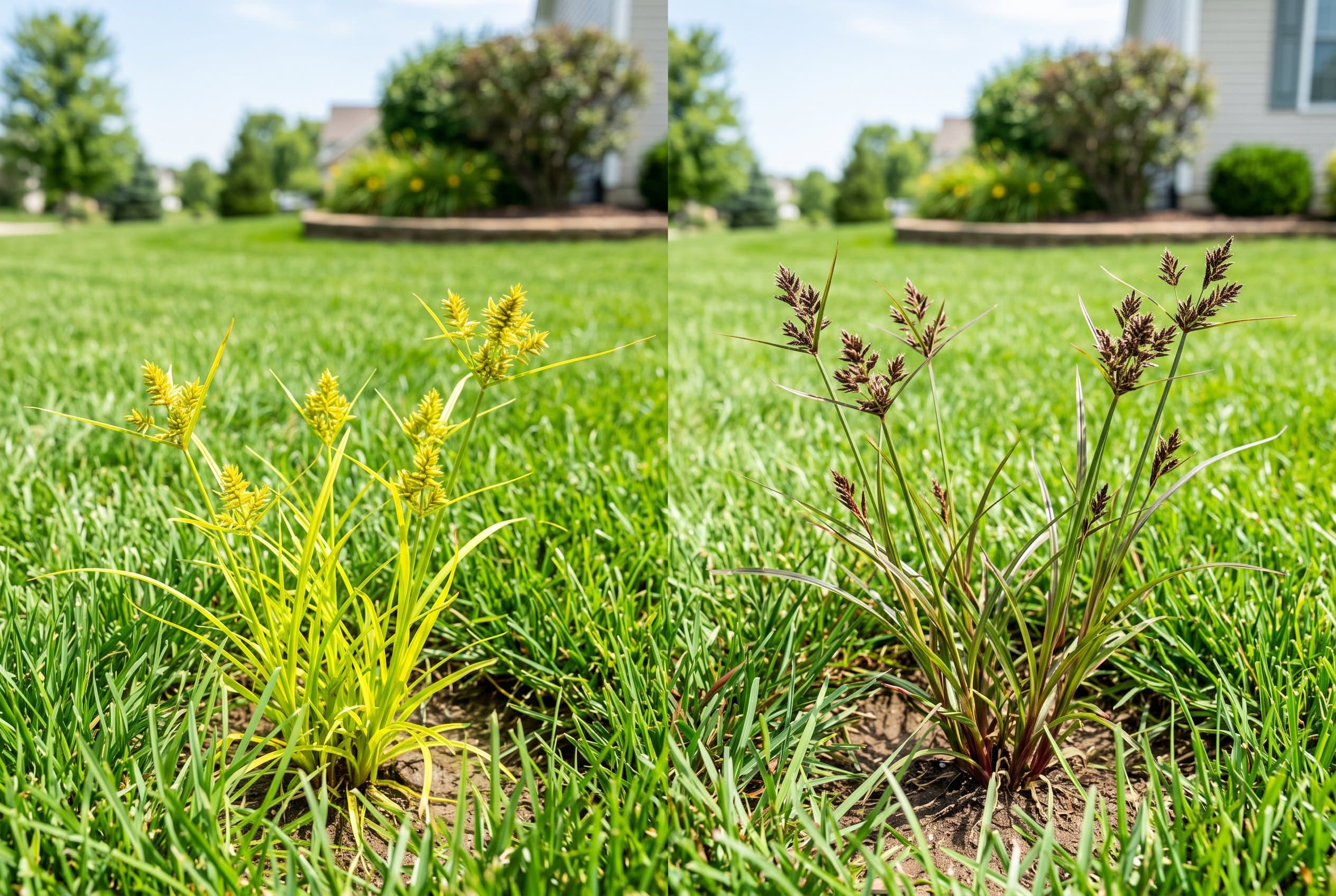
Learn how to tell yellow nutsedge from purple nutsedge, spot each weed in your lawn, and choose the right control method to get rid of them for good.
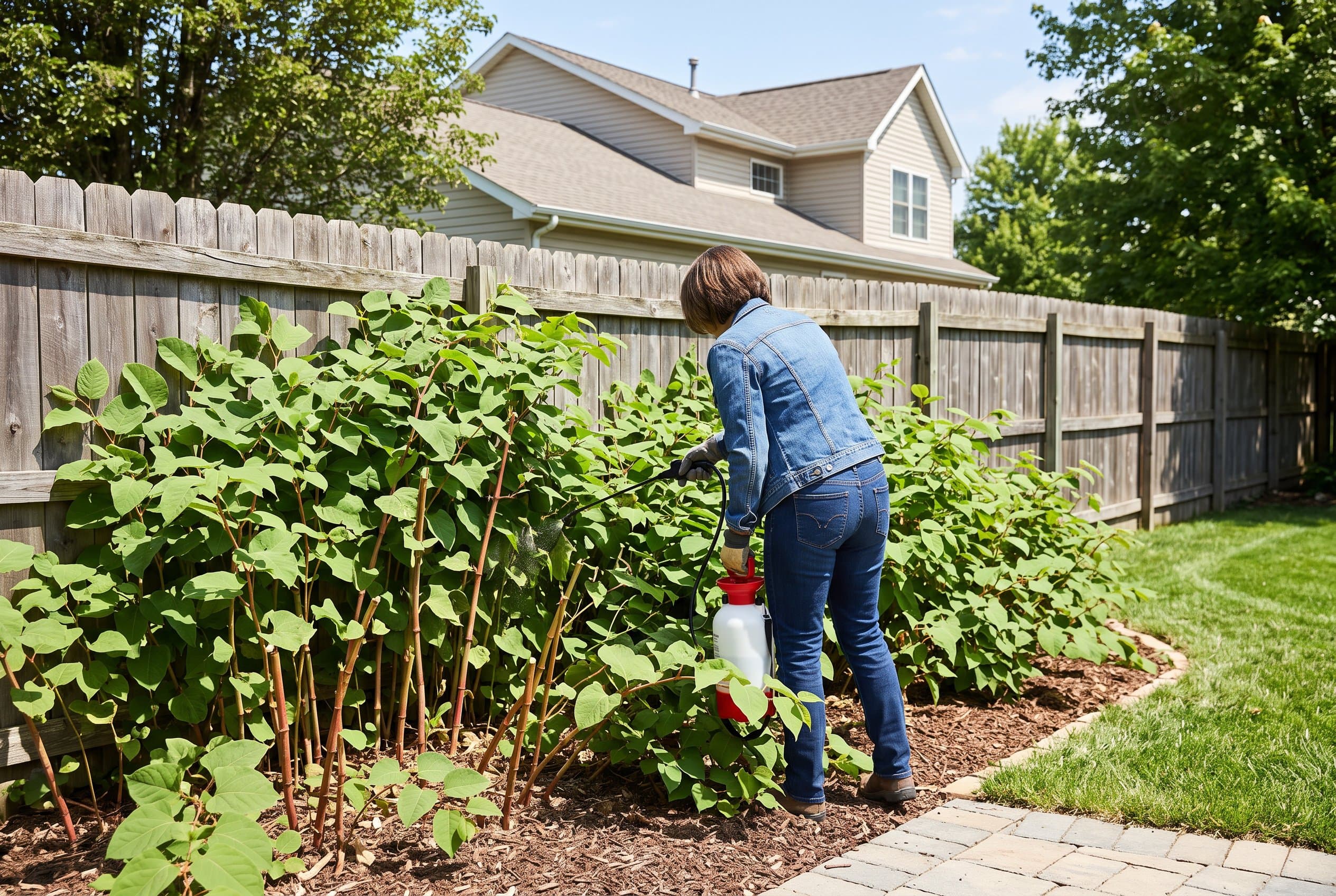
Discover the most effective Japanese knotweed killer methods for homeowners. Learn which herbicides work, when to apply them, and how to prevent regrowth.
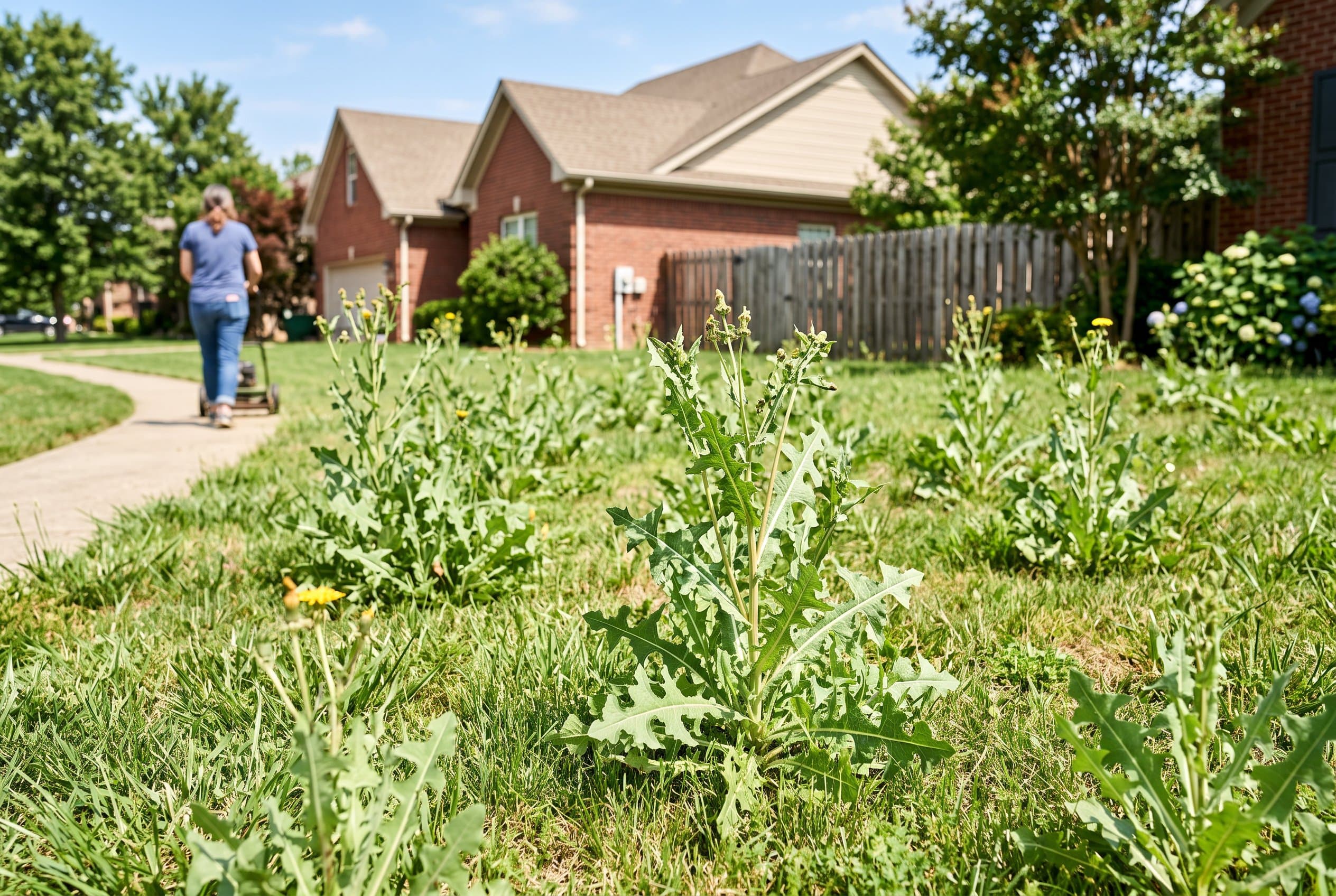
Lamb's quarters invading your lawn? Learn how to identify, remove, and prevent this common weed with simple, proven methods for homeowners.
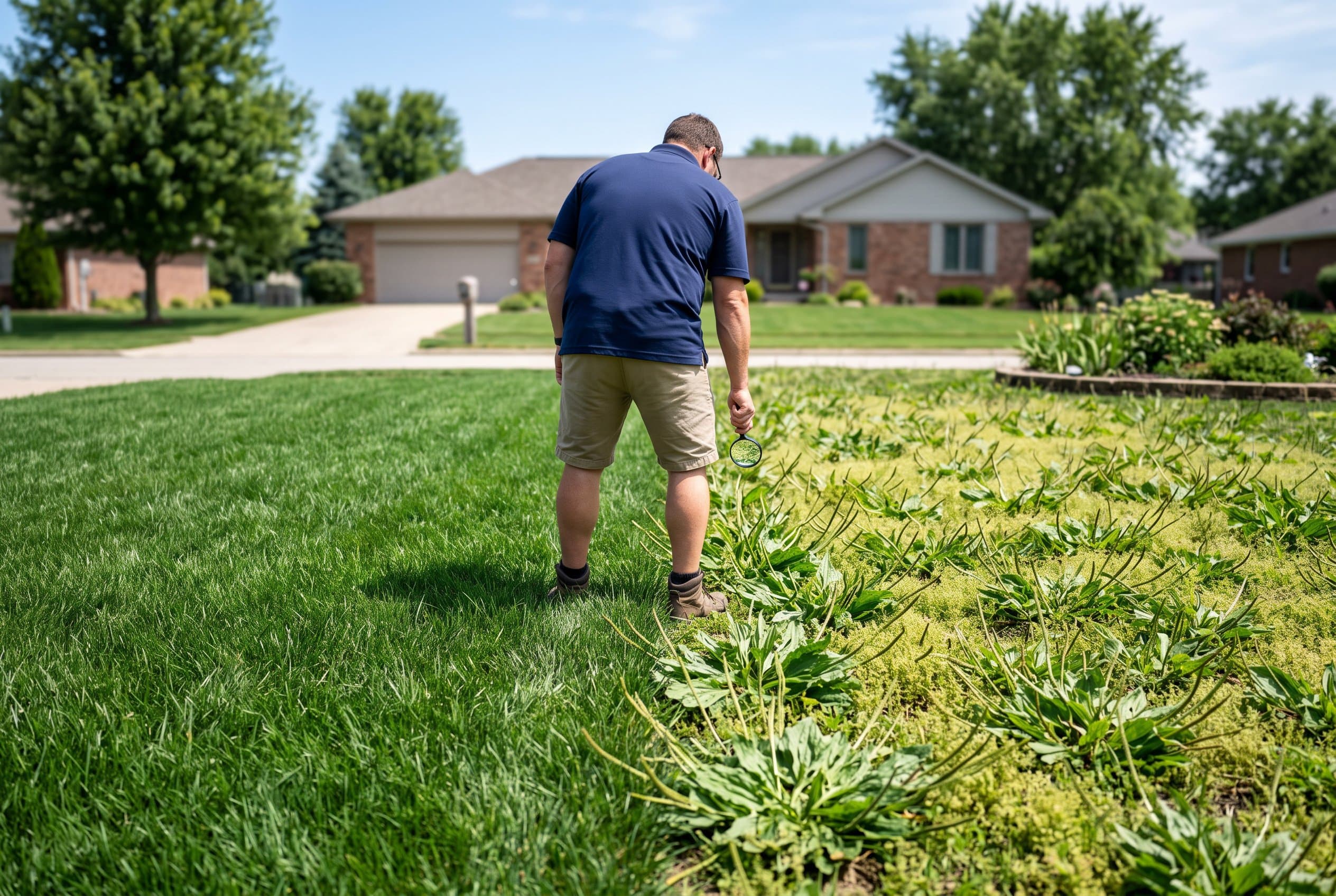
Learn how to tell goosegrass from crabgrass with key visual differences, a comparison table, and tips to control each weed effectively in your lawn.
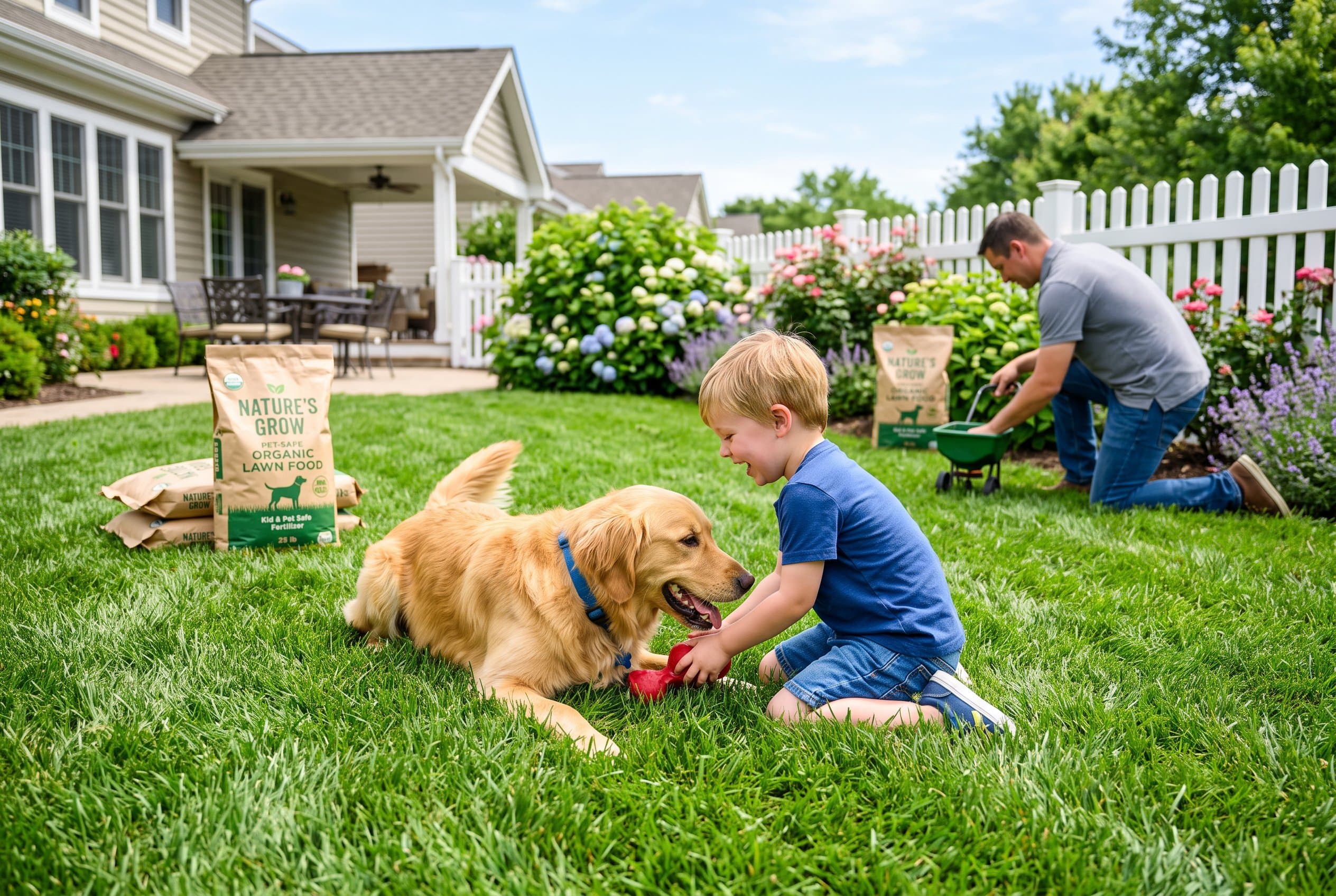
Discover how to maintain a lush lawn without harming your pets. Learn which products, practices, and timing tips make lawn care safe for dogs and cats.
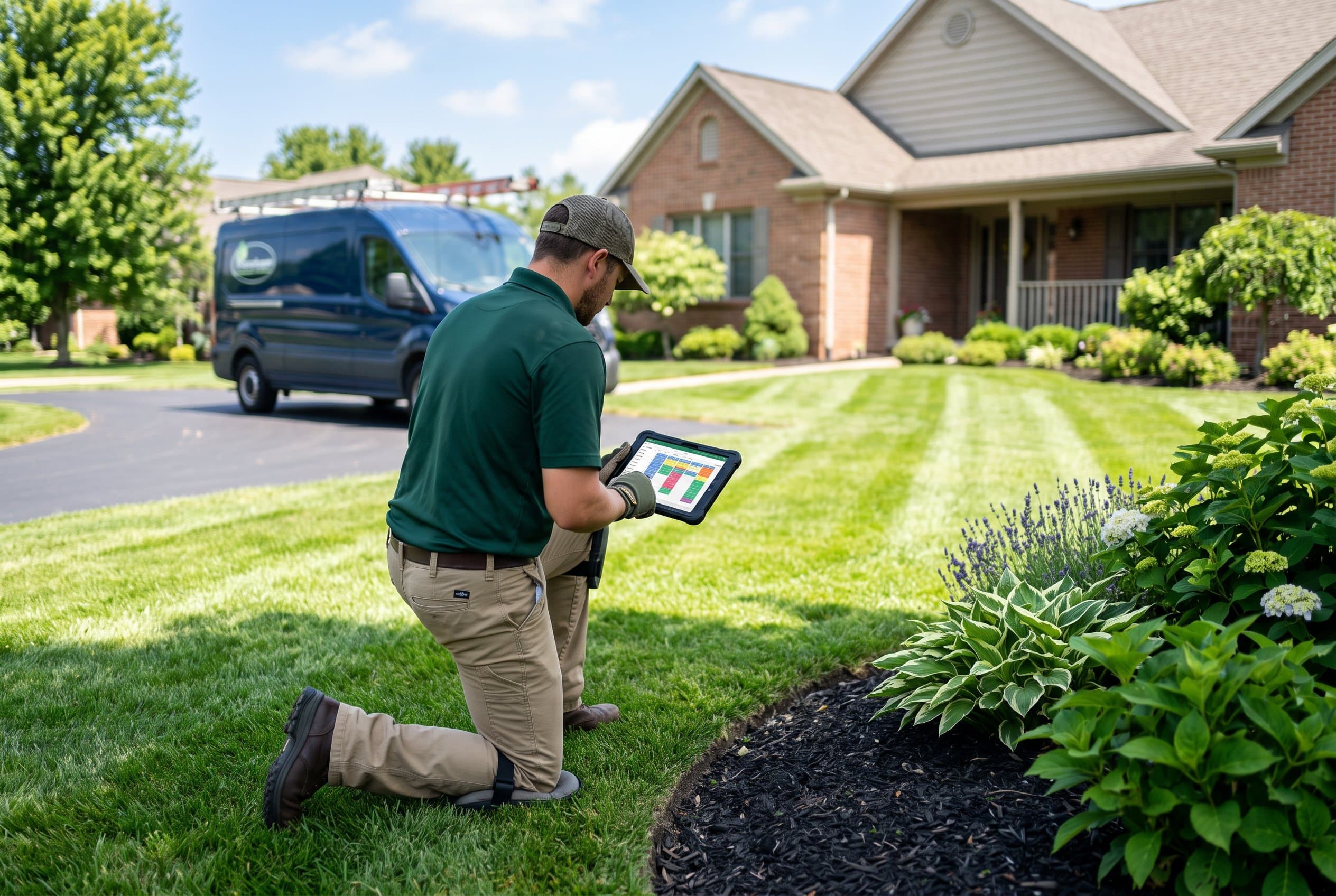
Discover how lawn care subscription services work, what they include, and whether they're the right choice for your yard. Make an informed decision today.
TruGreen costs about $400–$900 per year for most lawns, or $50–$100 per visit. See 2026 plan pricing, what's included, and how it compares to DIY and local pros.
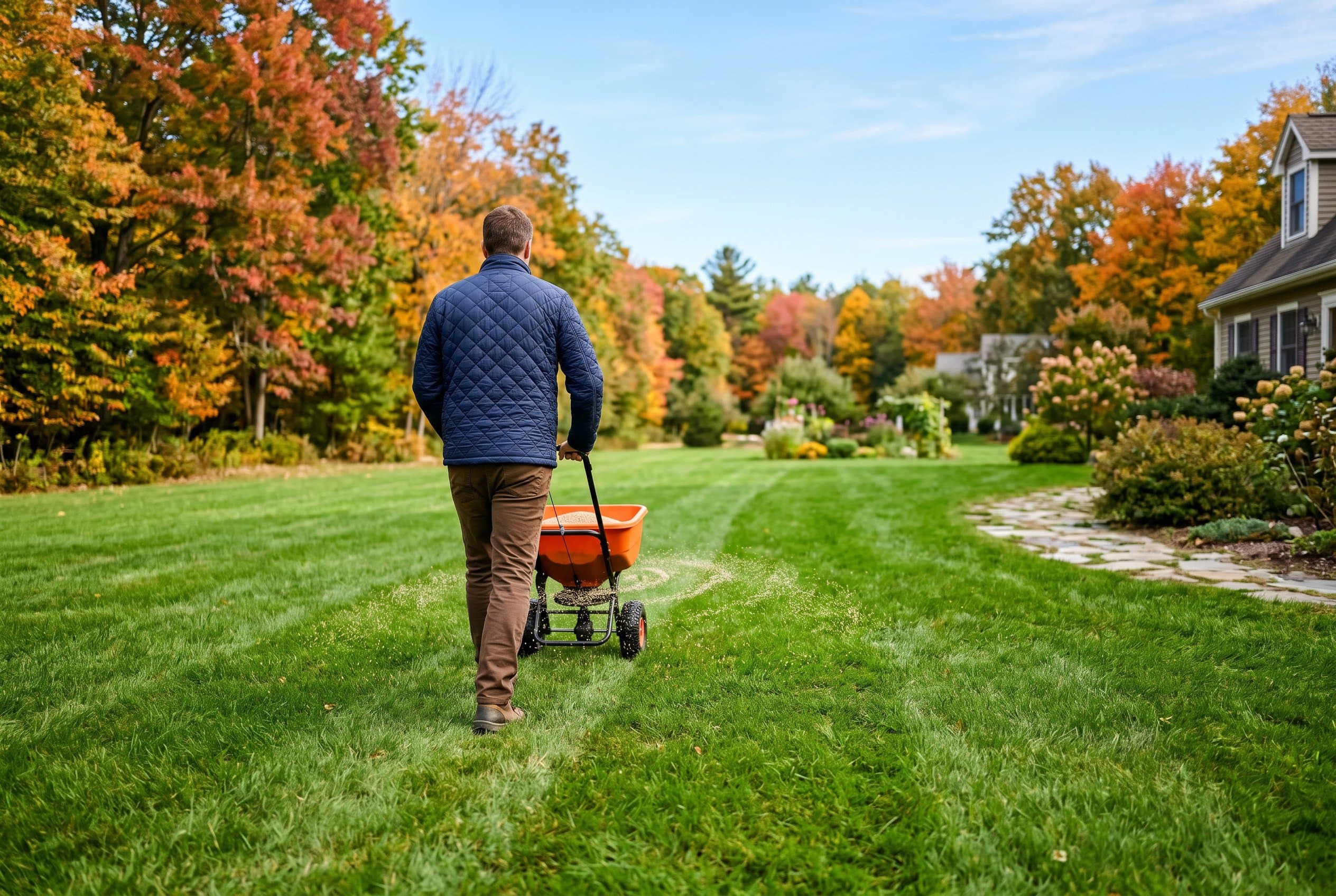
Poa annua germinates as fall soil temps drop below 70°F. Learn the right pre-emergent, the soil-temp trigger, and application timing for your region.
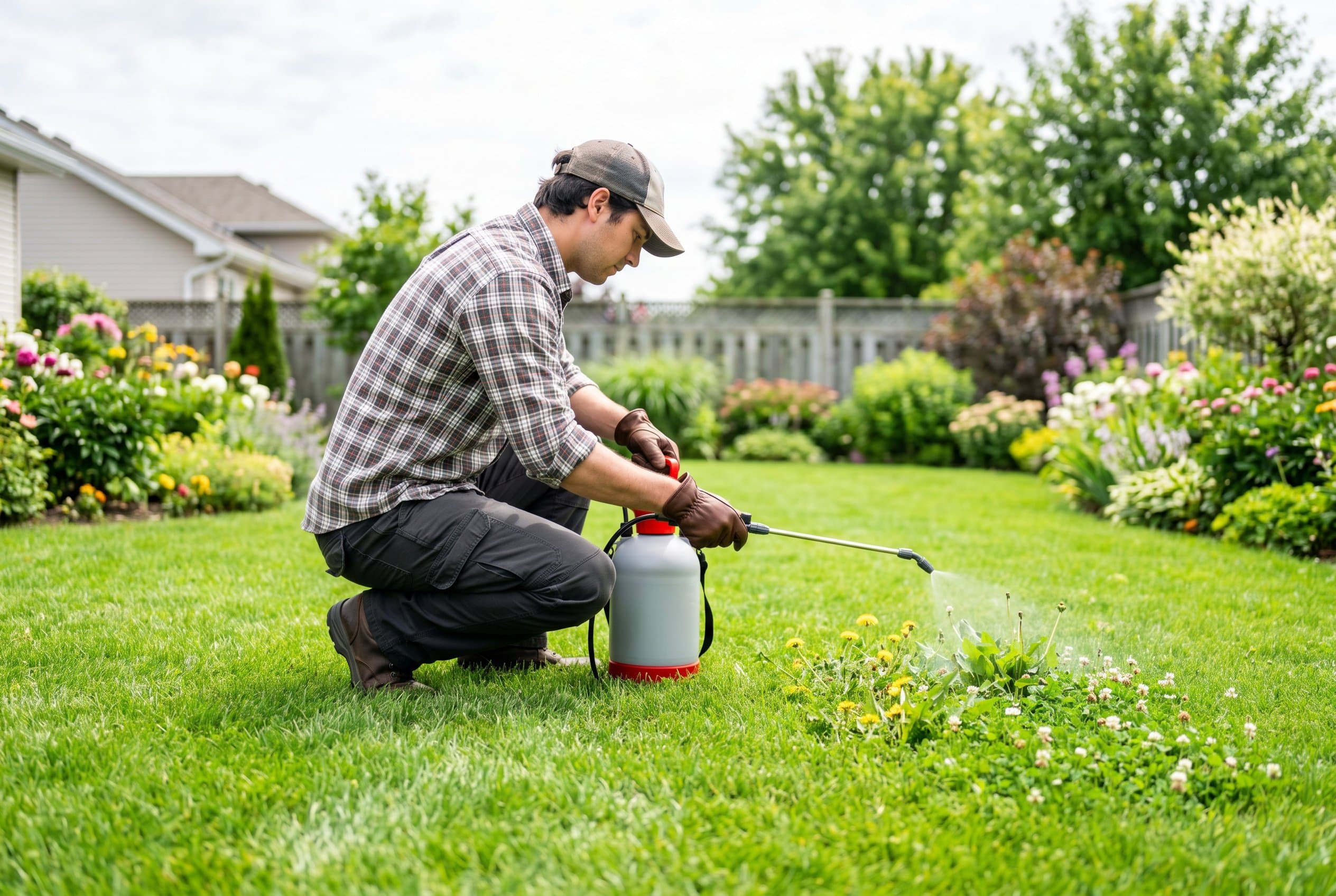
Summer weed control without frying your lawn: what's safe to spray above 85°F, how to spot-treat crabgrass, spurge, and nutsedge, and what to save for fall.
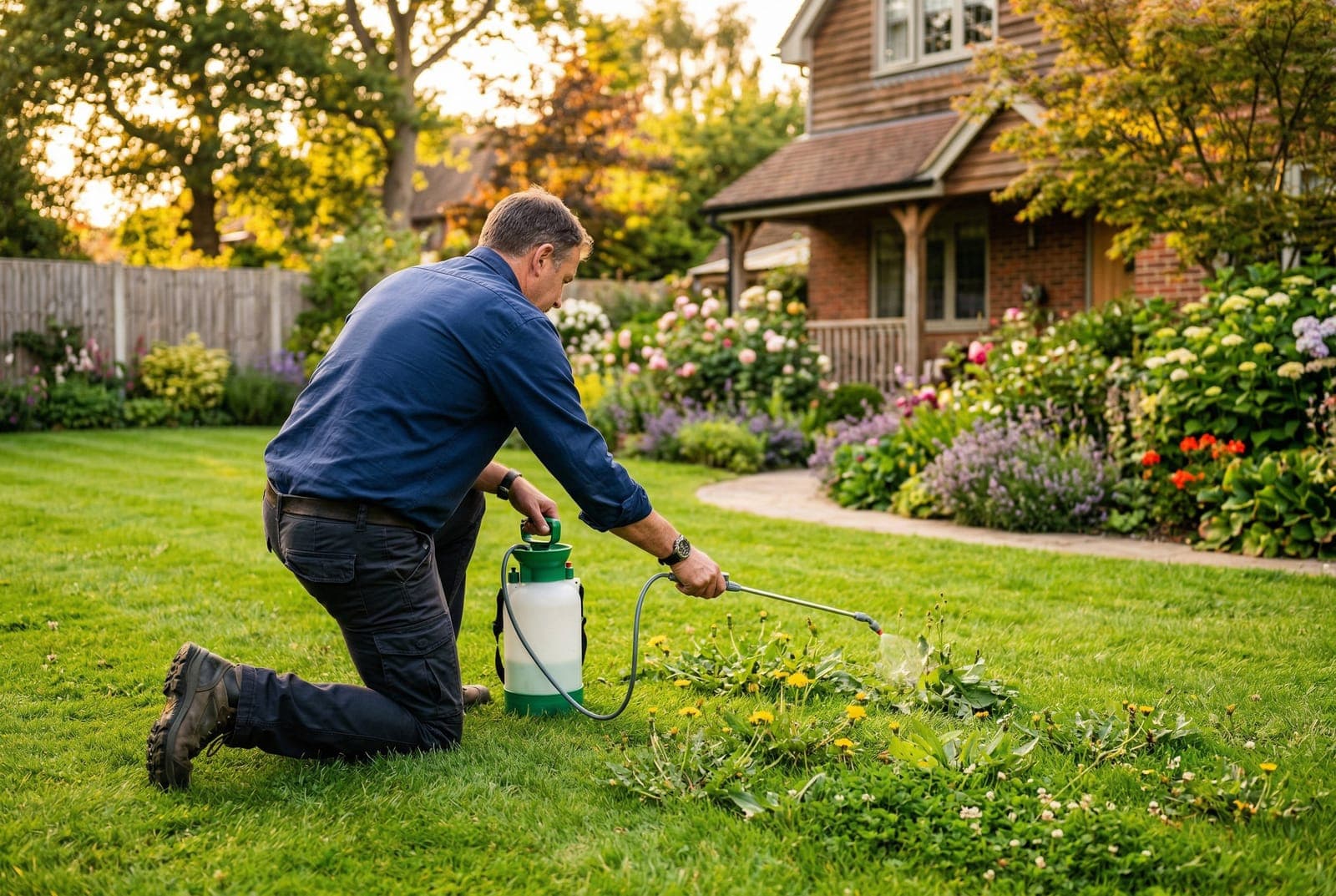
Learn the optimal timing for spring weed killer application. Get expert tips on pre-emergent and post-emergent herbicides for a weed-free lawn.
Common questions about weed control, answered by our expert guides.
Three-way herbicide mixes containing 2,4-D, MCPP, and dicamba provide the broadest control of common broadleaf weeds like dandelions, clover, and plantain. These are available in both liquid and granular forms at most garden centers.
Read the full article →Many standard broadleaf herbicides containing high rates of 2,4-D or dicamba can damage St. Augustine and centipede grass. Always check the product label for your specific grass type before applying, and look for formulas specifically approved for sensitive grass species.
Read the full article →Fall (September–October) is the most effective window because weeds draw the herbicide down into their roots as they prepare for winter dormancy. Spring applications also work well on young, actively growing weeds. Avoid applying in temperatures above 85°F.
Read the full article →Most broadleaf herbicides require a waiting period of 3–4 weeks before overseeding. Check your specific product label, as timing varies by active ingredient. Conversely, avoid applying herbicide to newly seeded areas until the grass has been mowed at least three times.
Read the full article →No, 2,4-D is not banned at the federal level and remains EPA-registered for residential use. However, some states and municipalities have restrictions on when, where, and how it can be applied.
Read the full article →Explore our complete library of lawn care articles covering every topic, season, and skill level.