fall4 min read
Core Aeration vs Spike Aeration: Which Is Better?
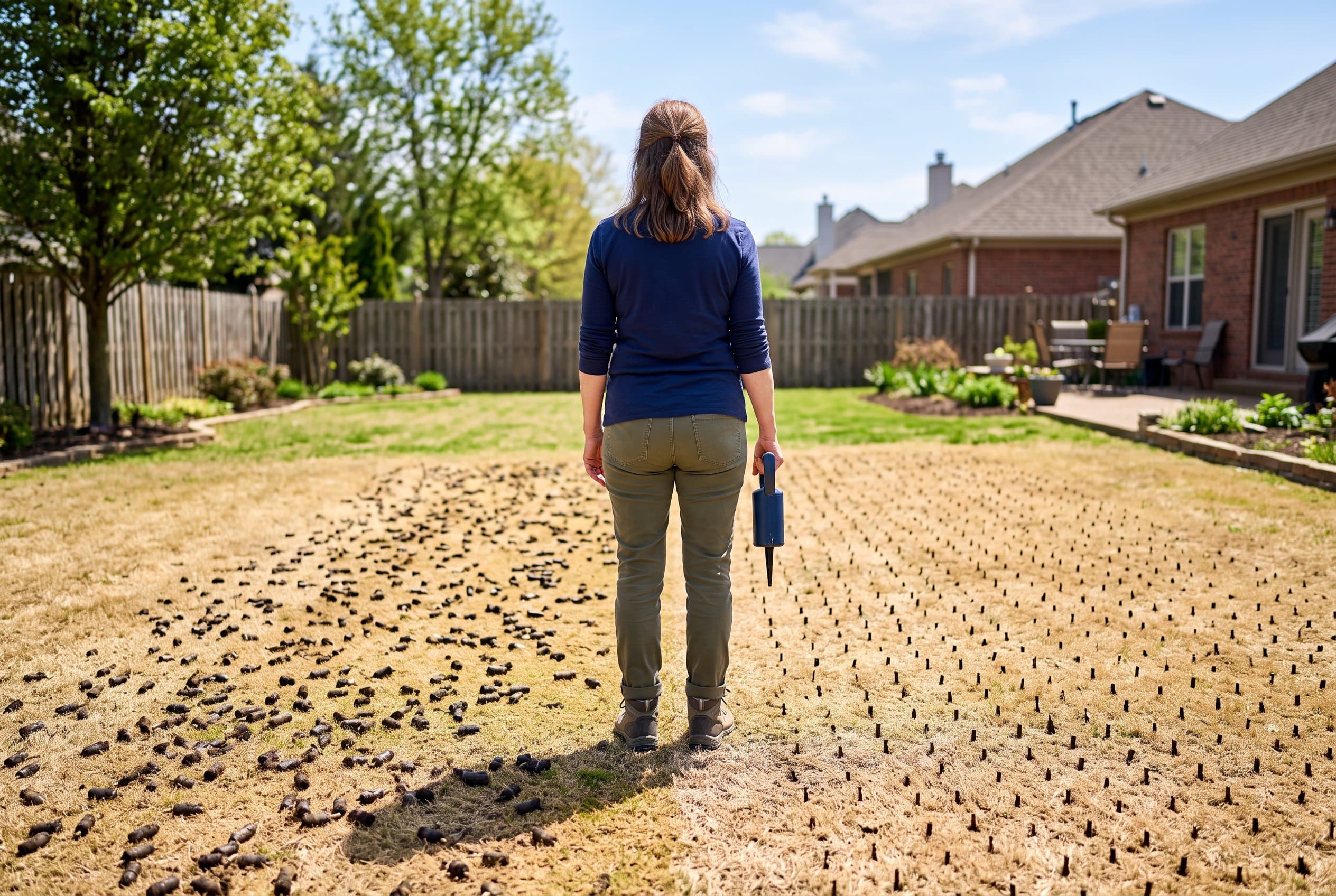
Core aeration vs spike aeration — learn which method truly relieves soil compaction, when to use each, and what most lawn experts recommend for healthier grass.
Get the most from your lawn care tools with expert mowing, trimming, and equipment guides.
The right equipment used correctly makes every lawn care task faster, easier, and more effective. Mowing alone accounts for the majority of time homeowners spend on lawn care, and your mowing technique has a direct impact on grass health. Mowing height, blade sharpness, mowing frequency, and pattern all affect how your lawn grows and how it looks.
Modern lawn care equipment has evolved dramatically. Robot mowers offer hands-free maintenance for busy homeowners. Battery-powered tools eliminate the noise and emissions of gas engines without sacrificing performance. String trimmers, edgers, and blowers round out the toolkit that keeps your yard looking professionally maintained. Our guides help you choose the right equipment for your property size and budget.
Proper maintenance extends the life of your tools and ensures they perform at their best. Dull mower blades tear grass instead of cutting it cleanly, creating brown tips and opening the door to disease. Our equipment guides cover blade sharpening schedules, end-of-season storage procedures, and the spring startup checklist that ensures everything is ready when growing season begins.
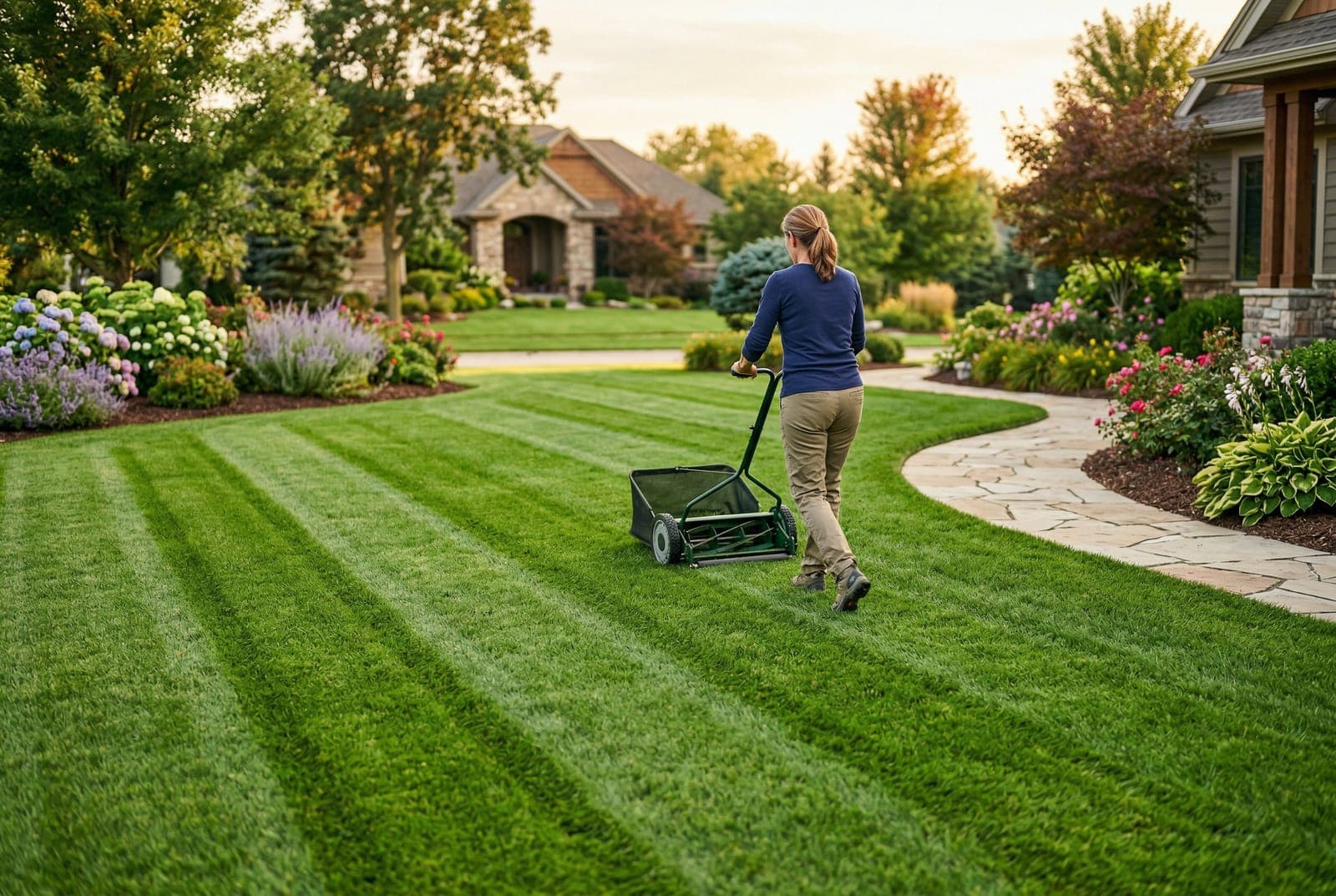
Learn how to create professional lawn stripes like golf courses. Get step-by-step instructions, equipment tips, and seasonal timing advice.
Key Stat: Cool-season grasses mowed at maximum recommended height show 60% more dramatic striping contrast than grass cut at minimum height
These equipment & techniques articles are most relevant to what your lawn needs right now.
Core aeration vs spike aeration — learn which method truly relieves soil compaction, when to use each, and what most lawn experts recommend for healthier grass.
Gas leaf blower bans starting 2026 in California and other states. See which areas are affected, regulations explained, and top electric blower alternatives.
Should you rake leaves or mulch them into your lawn? Learn when leaf removal vs mulching is better for your grass, soil, and time this fall season.
Learn the best timing for mowing and fertilizing your lawn. Get expert tips on proper sequence, application techniques, and seasonal considerations.
Browse all 25 articles in this topic. Filter by season to find exactly what you need.
Core aeration vs spike aeration — learn which method truly relieves soil compaction, when to use each, and what most lawn experts recommend for healthier grass.
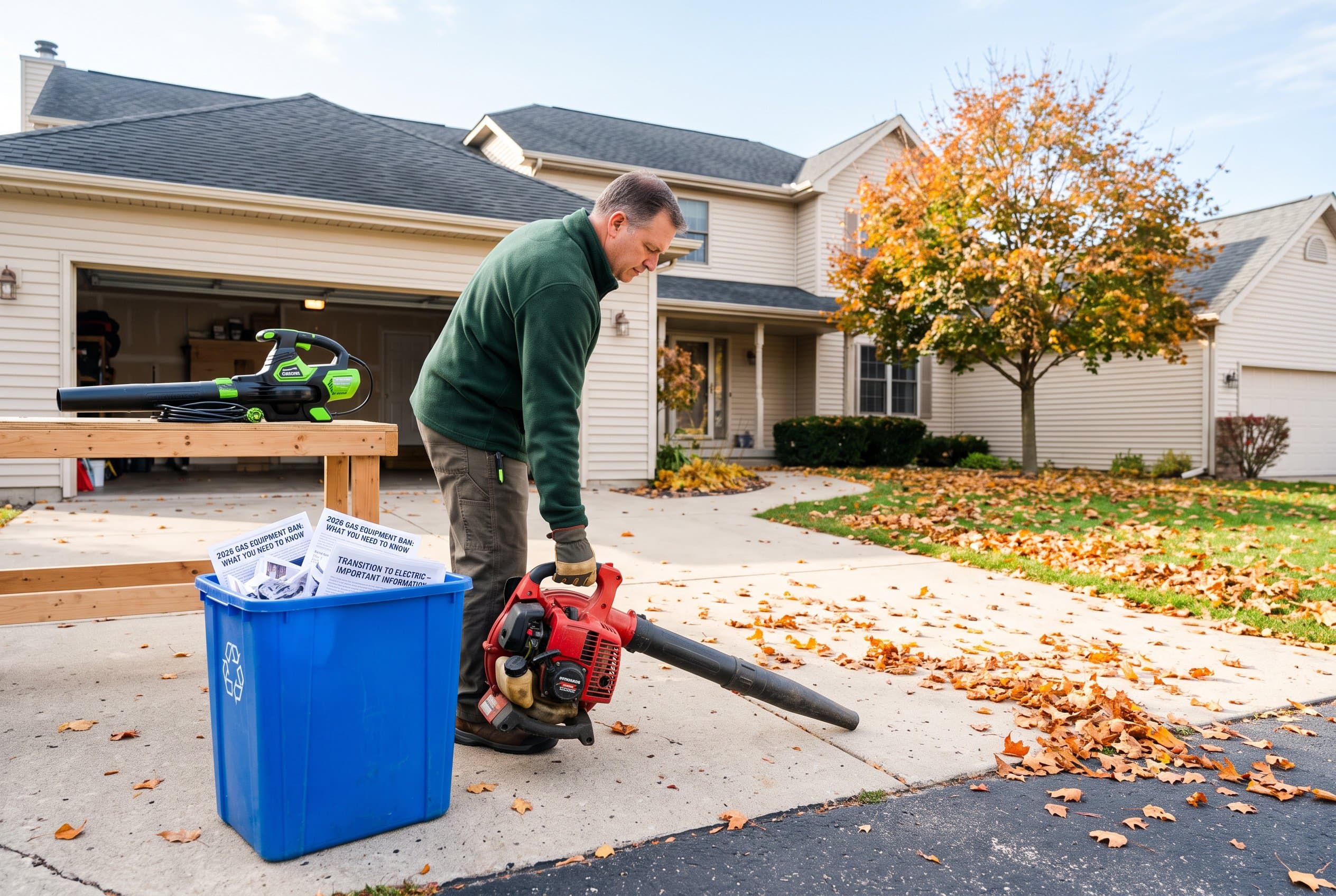
Gas leaf blower bans starting 2026 in California and other states. See which areas are affected, regulations explained, and top electric blower alternatives.
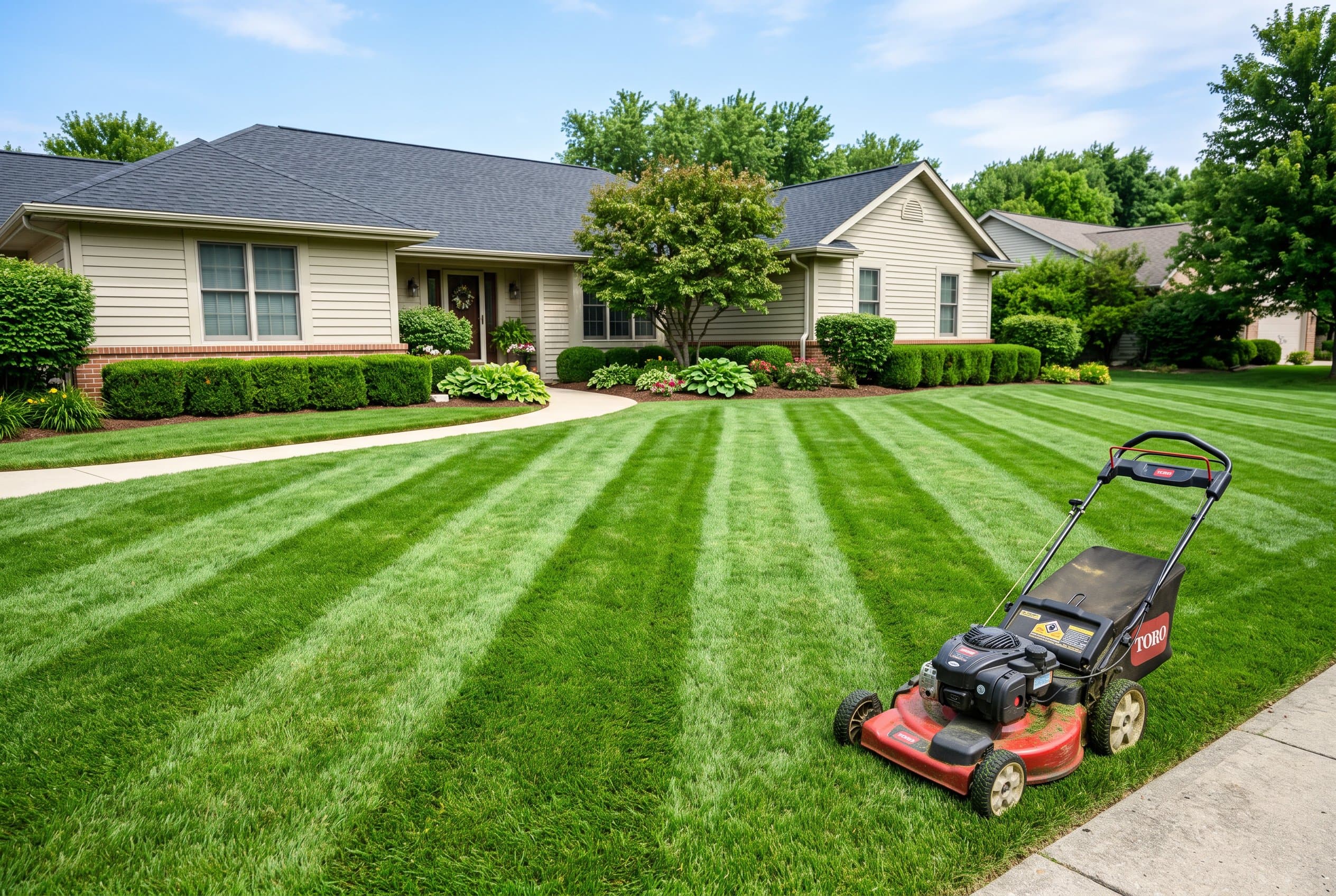
Learn lawn striping techniques to create beautiful patterns in your yard. Complete step-by-step guide for stripes, checkerboards, and diamonds using simple equipment and tools.
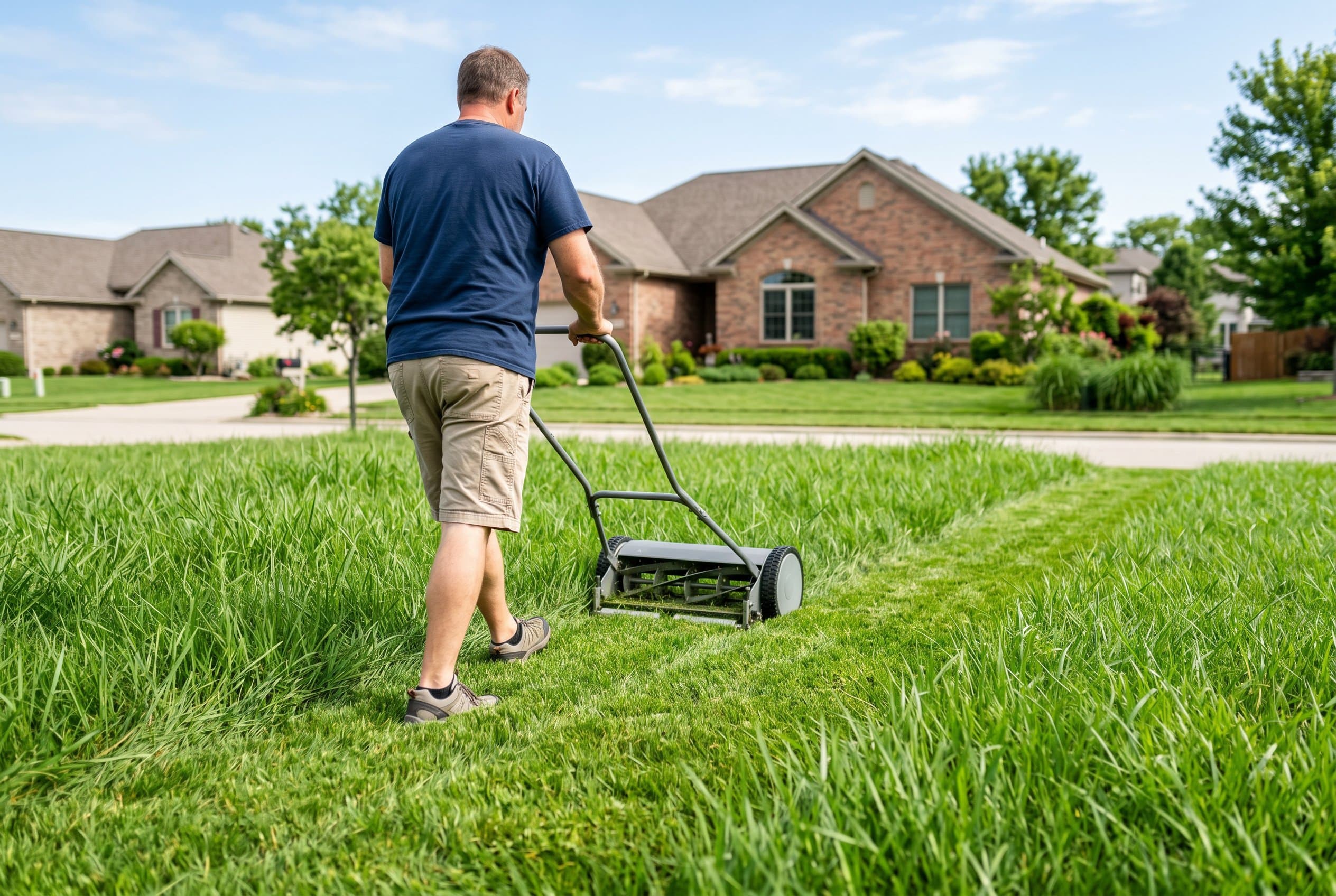
Find the best lawn mowing height for summer: exact inch ranges for tall fescue, bluegrass, bermuda, zoysia, and St. Augustine, plus heat-stress mowing rules.

Head-to-head on cost, maintenance, lot size, slope, and lifespan — plus a clear decision matrix on which mower category fits which homeowner.
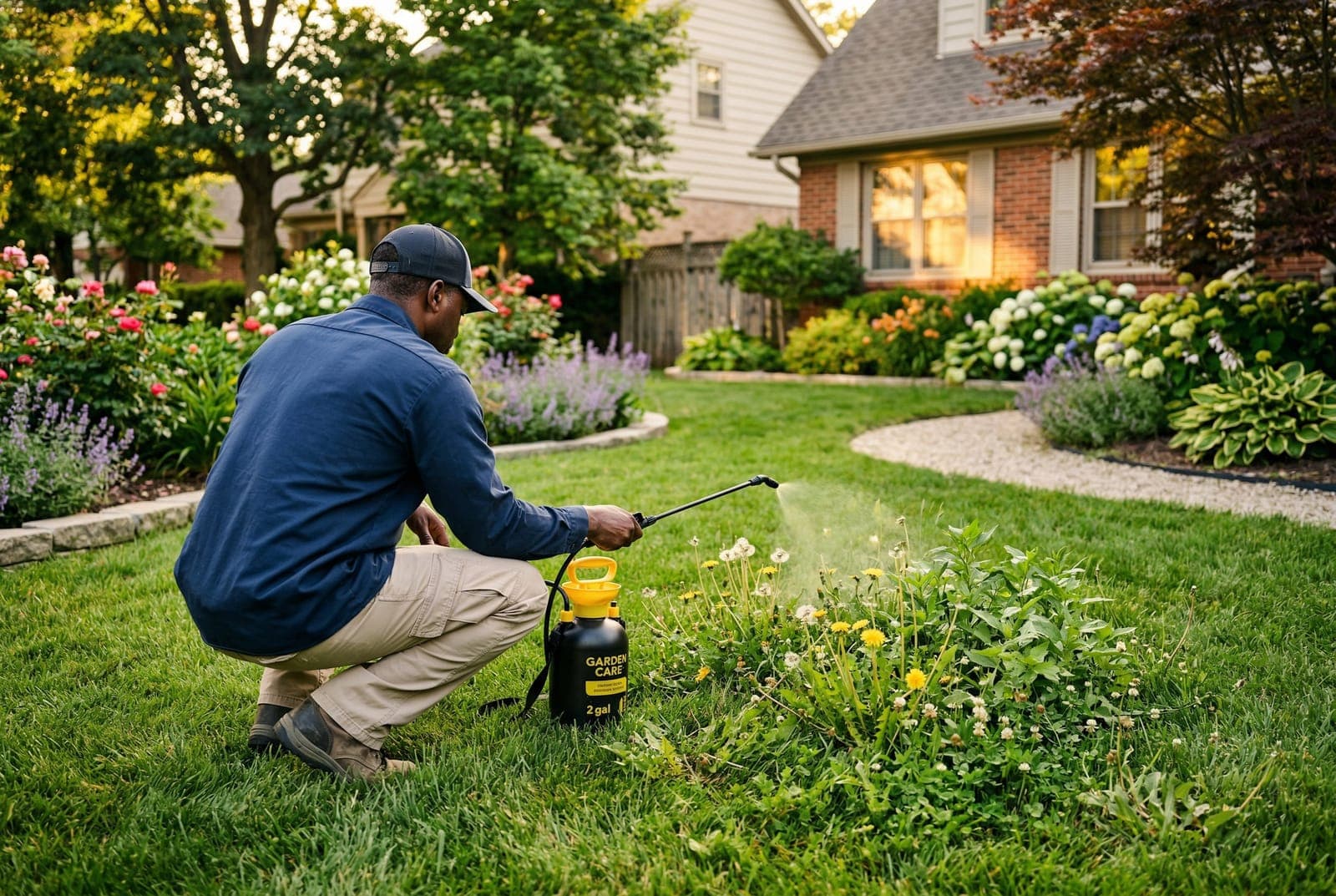
Master your spring weed and feed schedule with proper timing, application tips, and seasonal guidance for a healthier, weed-free lawn all season long.
Learn how to create professional lawn stripes like golf courses. Get step-by-step instructions, equipment tips, and seasonal timing advice.
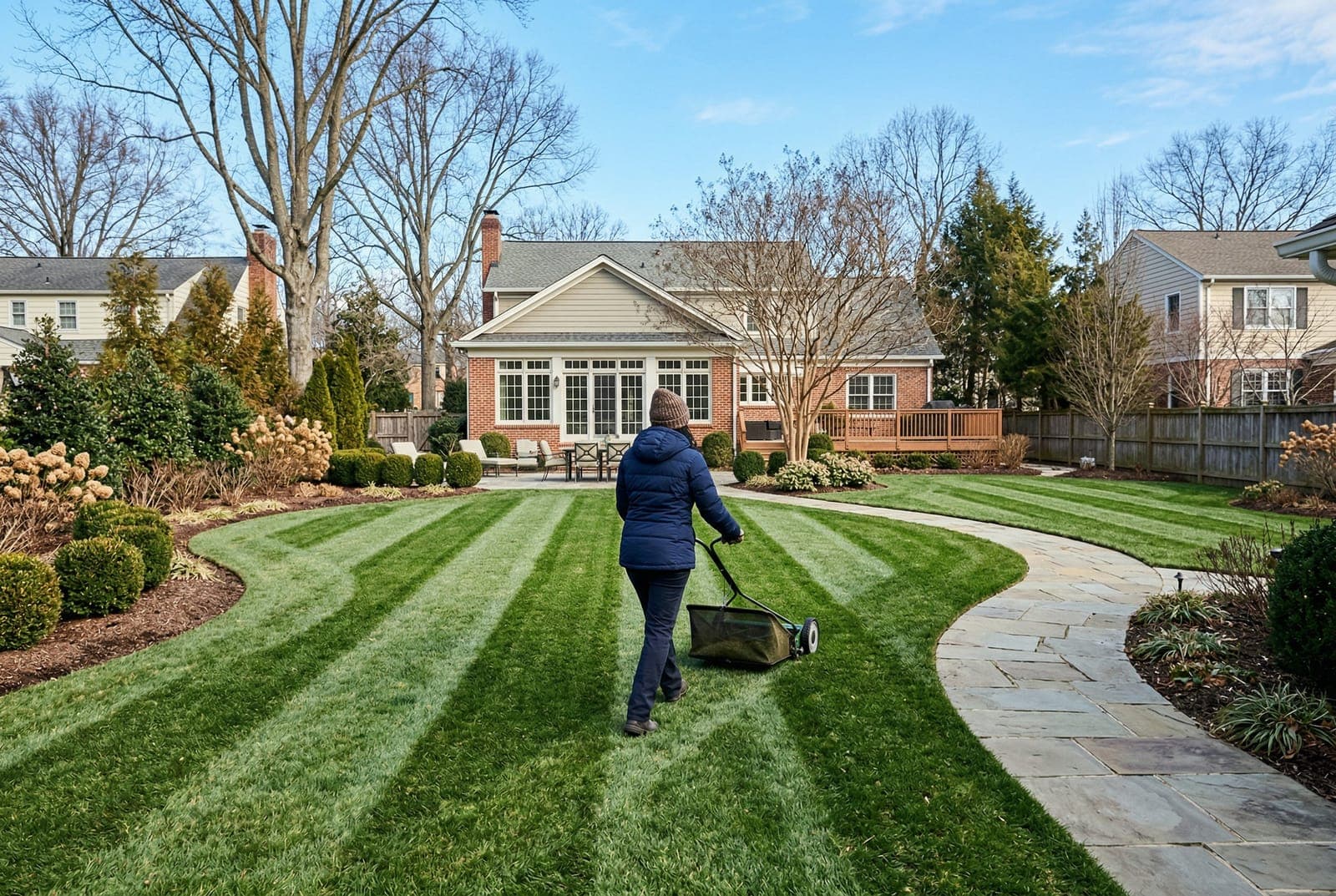
Transform your lawn into golf course perfection with professional mowing, fertilization, and maintenance techniques. Get that pristine look at home.
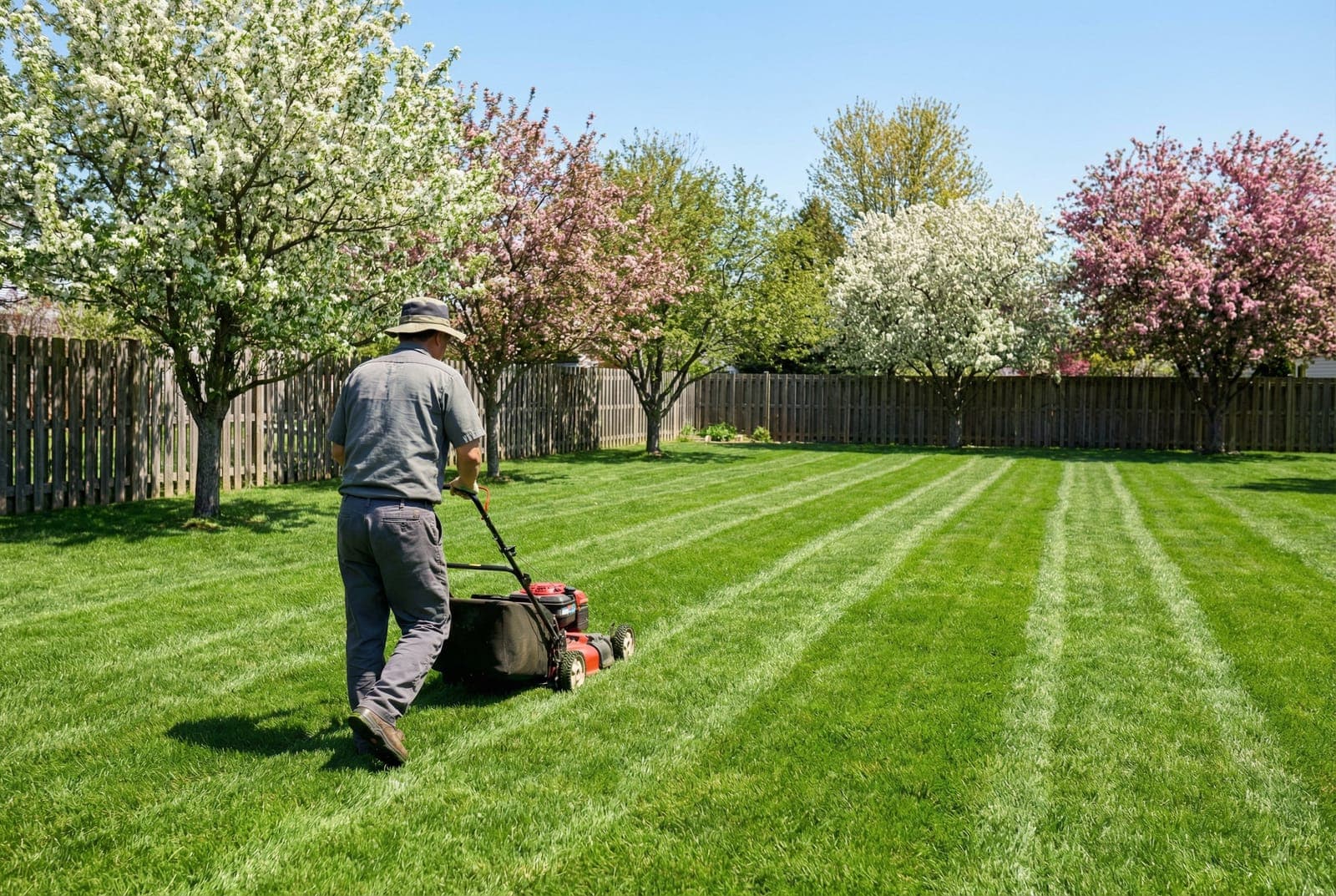
Start mowing when grass is 3"+ tall and soil hits 50°F (cool-season) or 65°F (warm-season). See zone-by-zone first-mow dates and blade-height rules.
Discover wire-free robotic mowers that handle large lawns and steep slopes. Learn features, benefits, and what to look for in advanced GPS lawn mowers.
Viral videos claim people get arrested for helping neighbors with lawn care. Learn the real legal facts about community yard work and property maintenance laws.
Discover how robot lawn mowers transform small yard maintenance with 3D vision, smart apps, and automated cutting. Perfect for busy homeowners.
Common questions about equipment & techniques, answered by our expert guides.
Yes, for most lawns core aeration is worth it. It actually removes soil rather than displacing it, providing lasting relief from compaction that spike aeration simply can't match. The rental cost for a core aerator is typically $60–$90 per day.
Read the full article →Most lawns benefit from core aeration once a year. Heavily compacted lawns or those with thick thatch may benefit from twice-yearly aeration — fall and spring — until conditions improve.
Read the full article →Yes, always leave the plugs in place. They break down naturally within 2–4 weeks, returning valuable organic matter and microorganisms back into the soil surface.
Read the full article →Absolutely — this is actually the best approach. After core aeration, the open channels provide ideal contact for grass seed with soil, improving germination rates significantly compared to overseeding without aerating first.
Read the full article →The California SORE regulations ban the sale of new gas-powered small off-road engines, not necessarily the use of equipment you already own. However, local city ordinances may impose stricter use-based restrictions, so check your municipality's rules.
Read the full article →Explore our complete library of lawn care articles covering every topic, season, and skill level.