fall4 min read
Leatherjackets & Crane Fly Lawn Damage: Fix It Fast
Leatherjackets from crane flies destroy grass roots in autumn. Learn how to identify, treat, and prevent lawn damage with practical homeowner tips.
Spot and stop lawn-damaging insects early with identification guides and proven treatment timing for grubs, chinch bugs, armyworms, and more.
Lawn-damaging insects work fast and often stay hidden until the turf above them is already dying. Grubs chew through roots from below, chinch bugs suck moisture from grass blades in hot, sunny spots, and armyworms can strip a lawn bare in a matter of days. Knowing which pest you are dealing with, and when it is active, is the difference between a quick rescue and a season of damage.
Correct identification comes first. Grub damage shows up as turf that lifts like loose carpet, chinch bug damage looks like drought stress that will not green up after watering, and armyworm damage spreads in a visible front across the yard. Each pest has its own detection test -- a soil sample for grubs, a flotation test for chinch bugs, a soap flush for armyworms -- and our guides walk through each one step by step.
Timing treatment to the pest life cycle matters as much as choosing the right product. Grub killer applied too late misses the window before larvae burrow deep to overwinter, and preventive treatments need to go down before an infestation takes hold. Our guides cover identification, treatment timing, and prevention for the insects most likely to damage a home lawn.
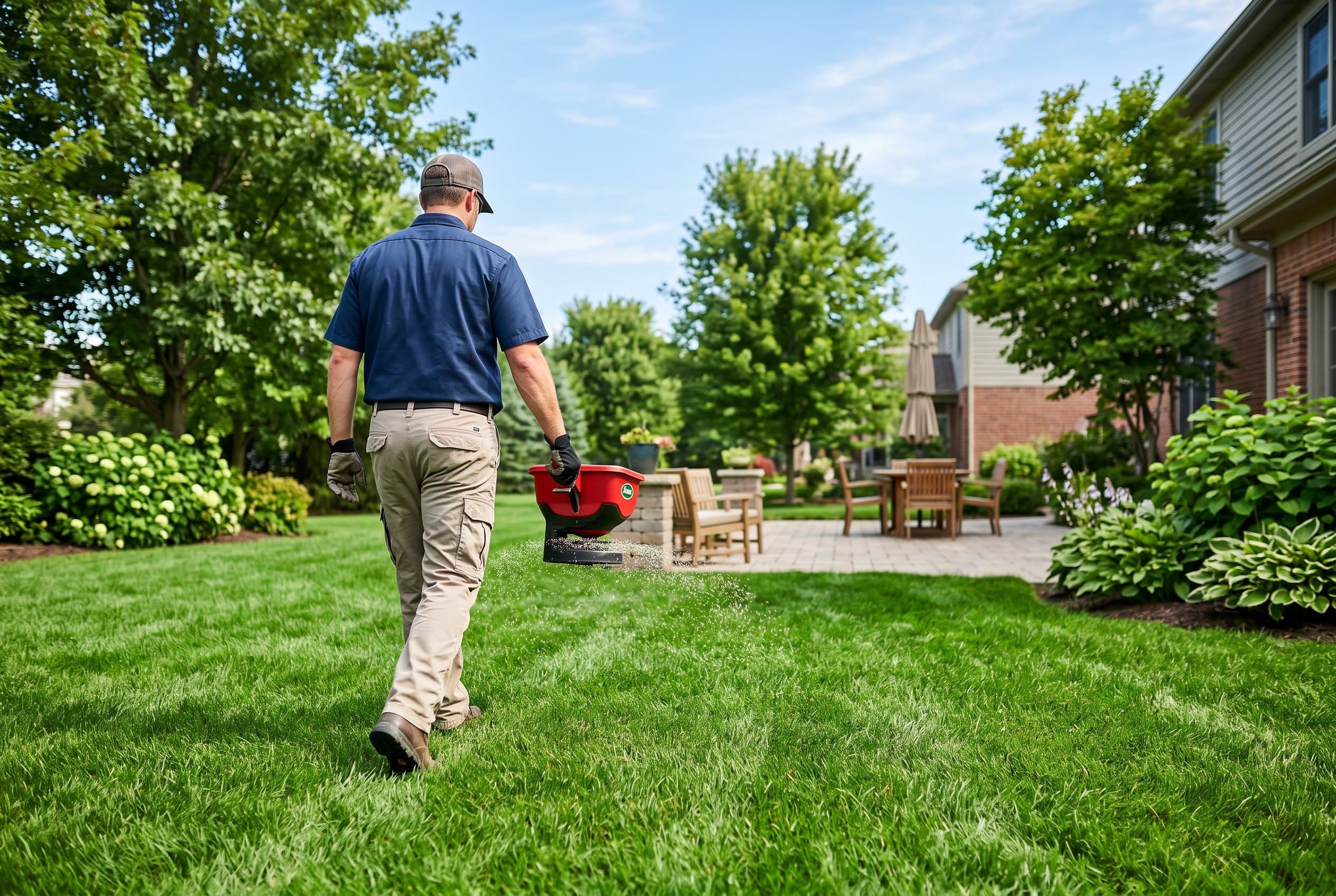
Compare 4 grub control treatments by active ingredient and timing, see which also control ants, fleas, ticks, and chinch bugs, and skip what won't work.
Key Stat: Eight or more grubs per square foot is the standard action threshold — below that, treatment usually is not necessary.
These pest control articles are most relevant to what your lawn needs right now.
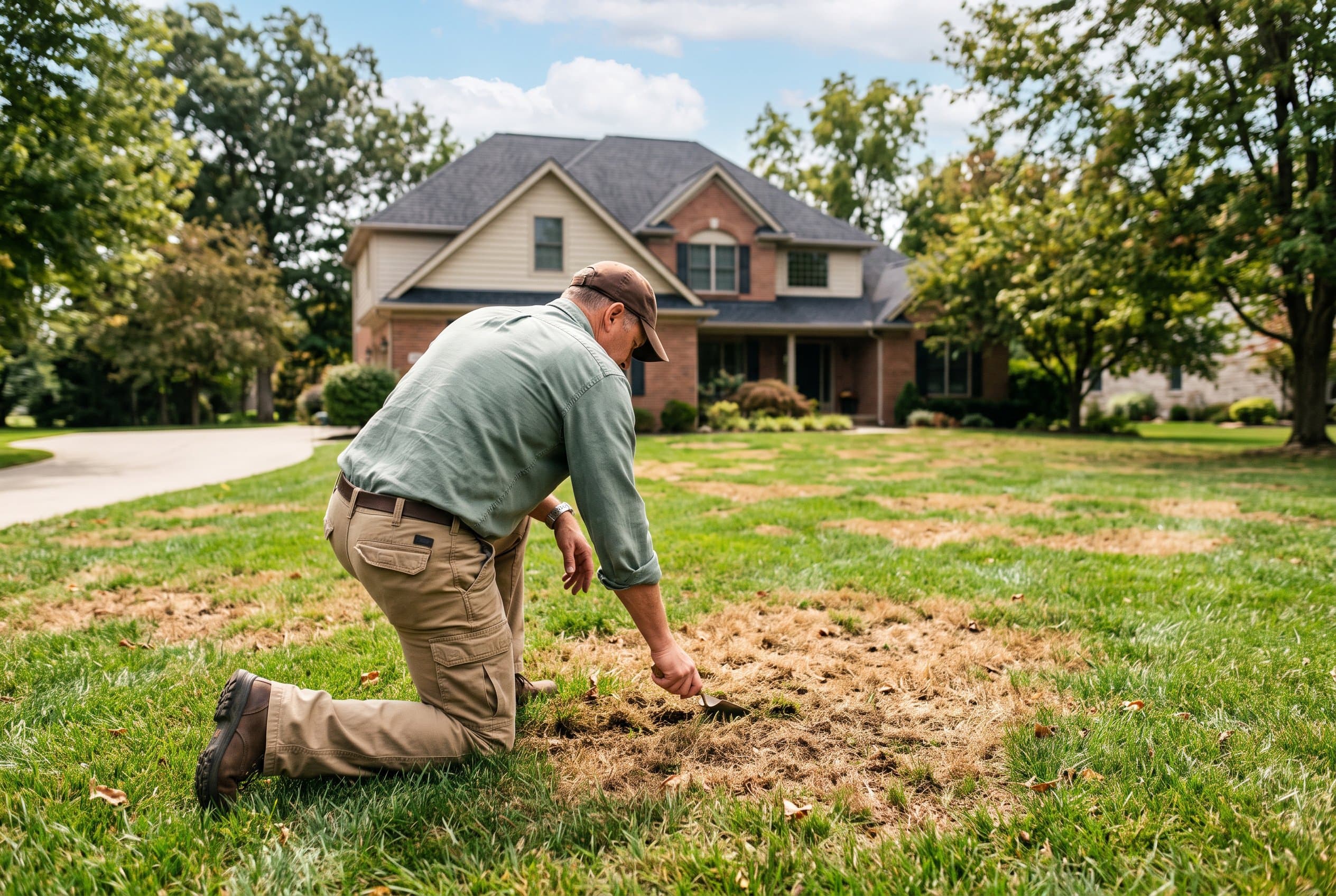
Leatherjackets from crane flies destroy grass roots in autumn. Learn how to identify, treat, and prevent lawn damage with practical homeowner tips.
Fall armyworms can destroy your lawn in days. Learn how to identify them, treat an infestation fast, and prevent future damage with these expert tips.
Browse all 10 articles in this topic. Filter by season to find exactly what you need.
Leatherjackets from crane flies destroy grass roots in autumn. Learn how to identify, treat, and prevent lawn damage with practical homeowner tips.
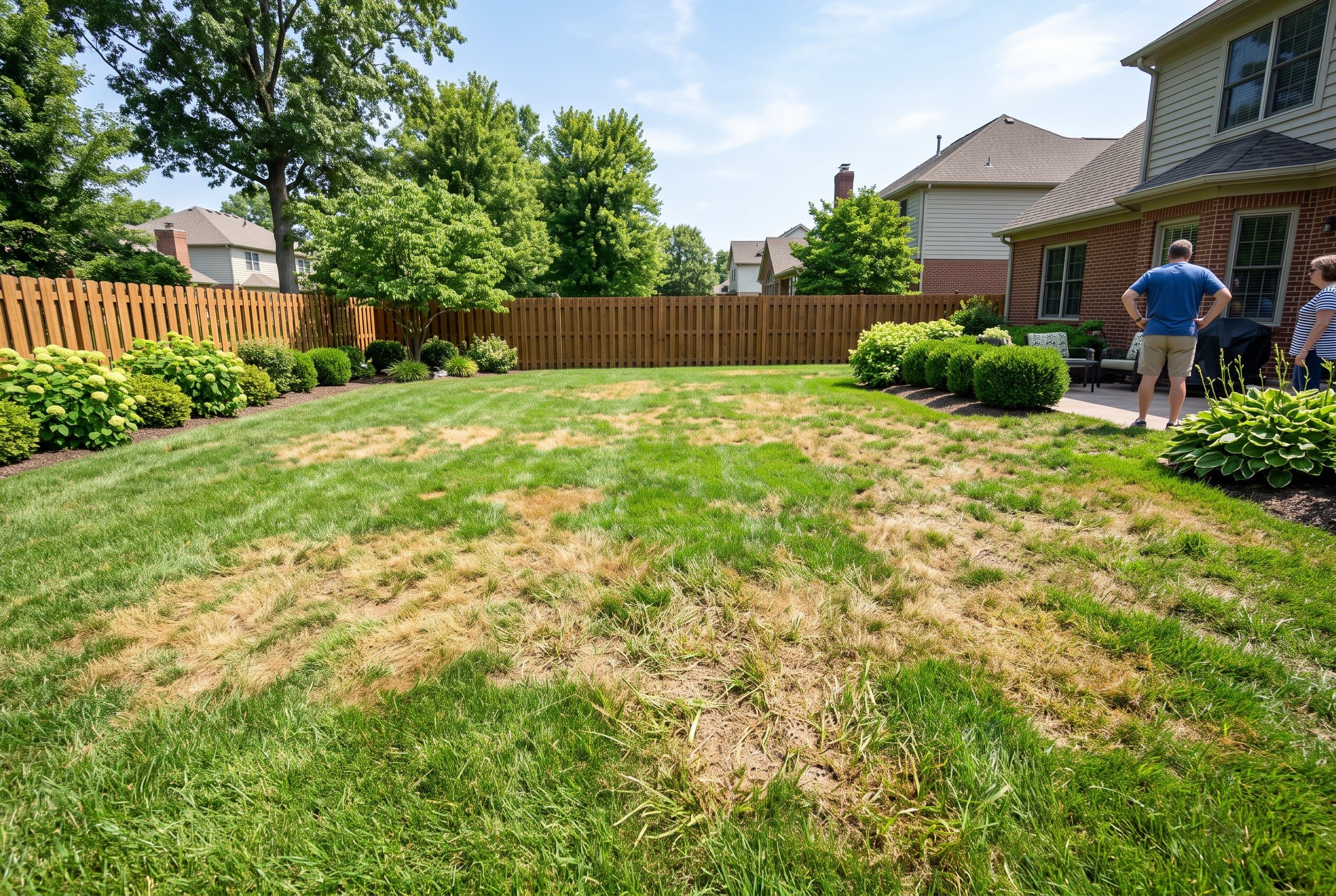
Fall armyworms can destroy your lawn in days. Learn how to identify them, treat an infestation fast, and prevent future damage with these expert tips.
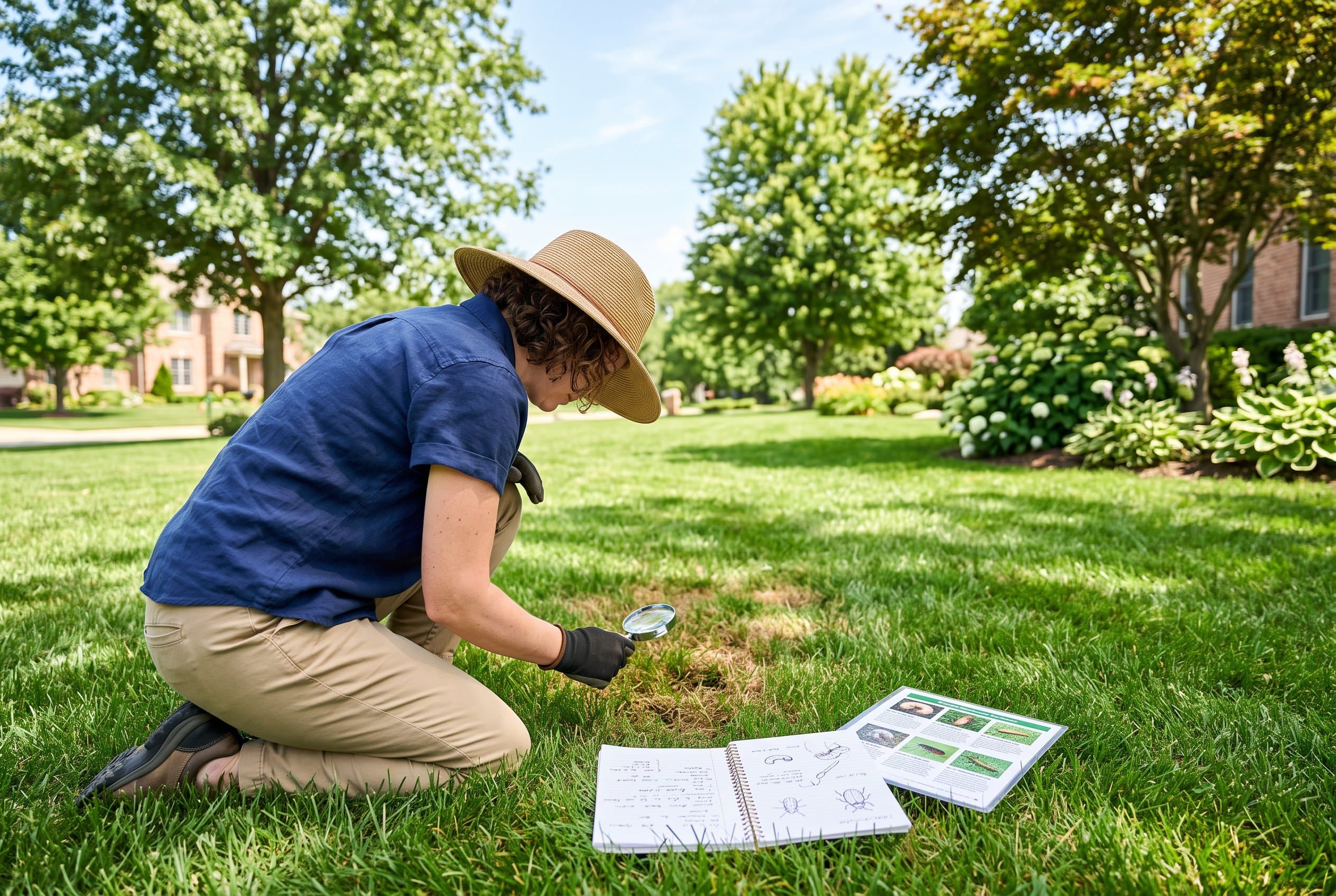
Identify common lawn pests quickly with this homeowner guide. Learn what damage signs to look for, which bugs to target, and when to act each season.
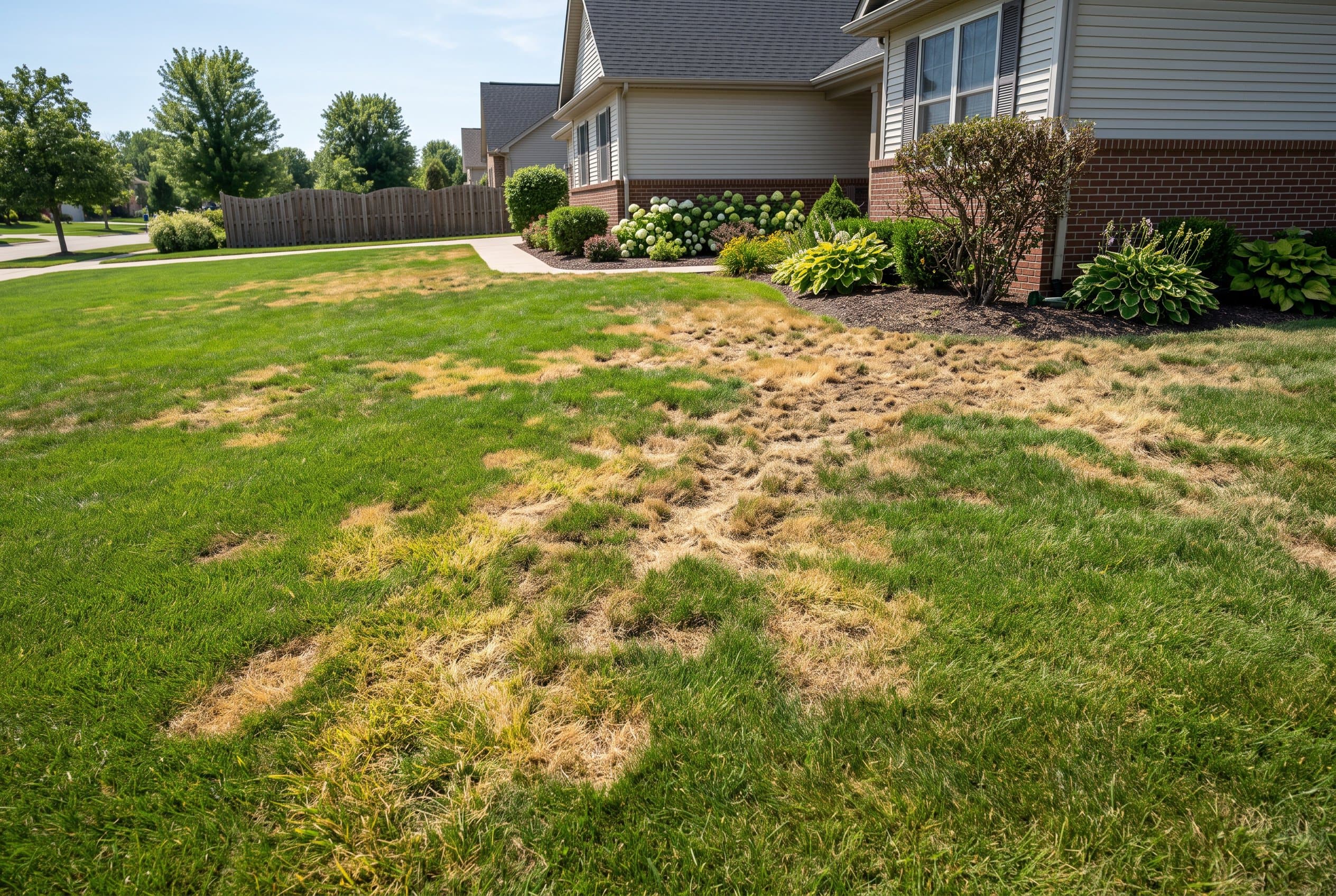
Chinch bug damage looks like drought stress but won't green up after watering. Learn the warning signs, how to confirm it, and how to treat and repair it.
Compare 4 grub control treatments by active ingredient and timing, see which also control ants, fleas, ticks, and chinch bugs, and skip what won't work.

A side-by-side look at milky spore vs chemical grub killers — speed, cost, safety, and the Japanese-beetle catch most articles skip.
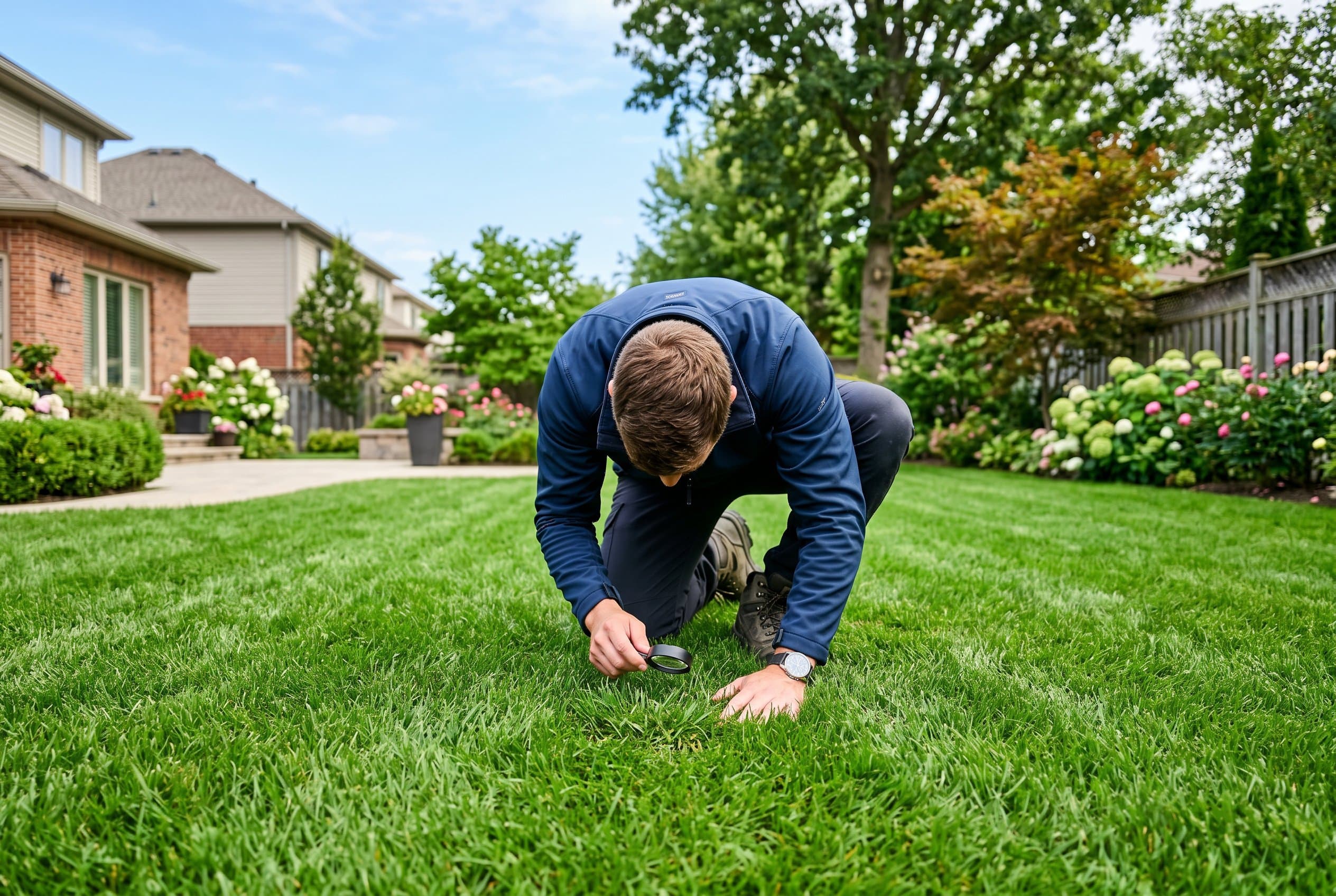
Grubs vs sod webworms — fast ID, damage patterns, and peak windows. Diagnose the pest in your lawn before you spend a dollar on treatment.
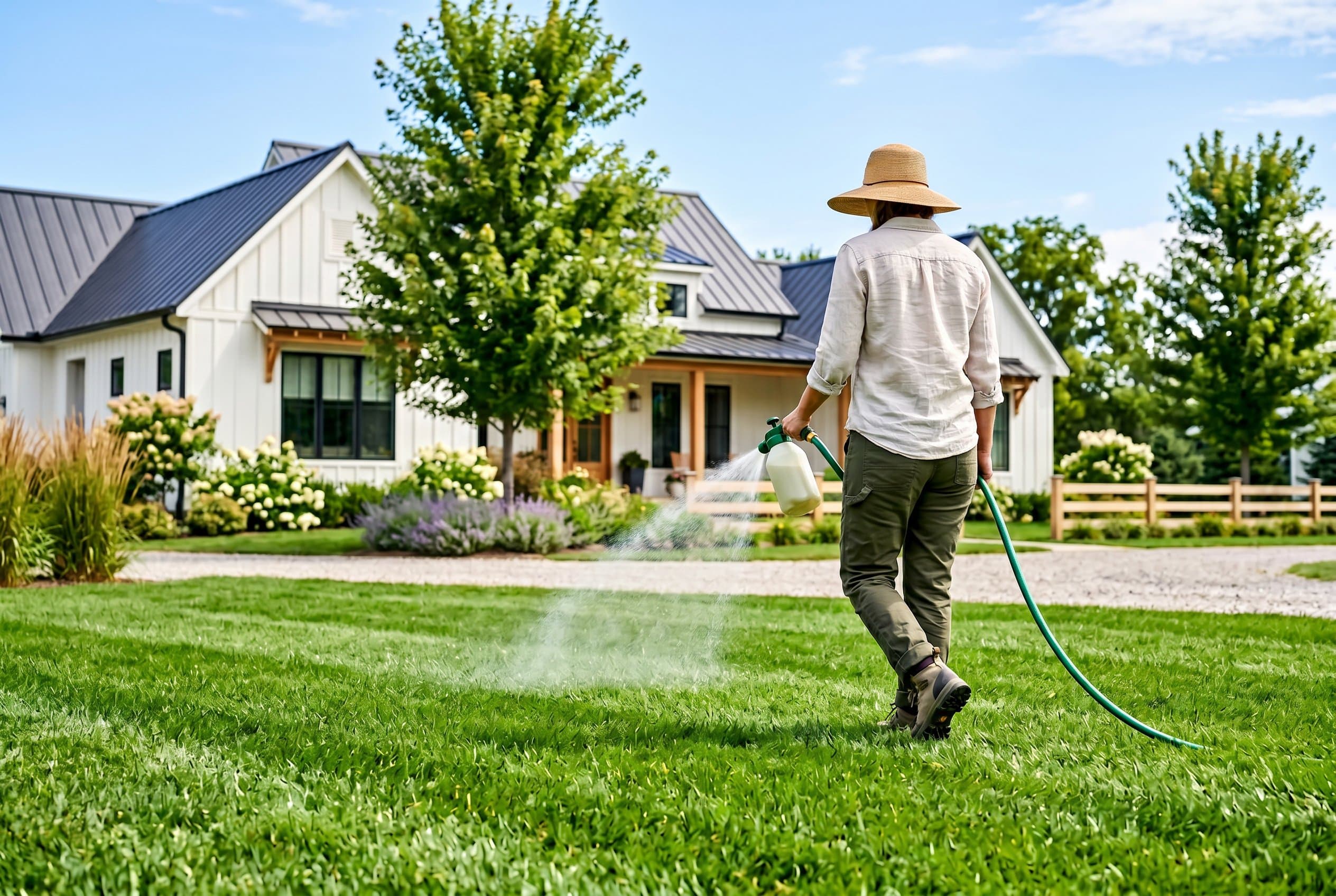
Kill lawn grubs without chemicals using beneficial nematodes (Heterorhabditis bacteriophora). Get timing, dosing, storage, and a step-by-step guide.
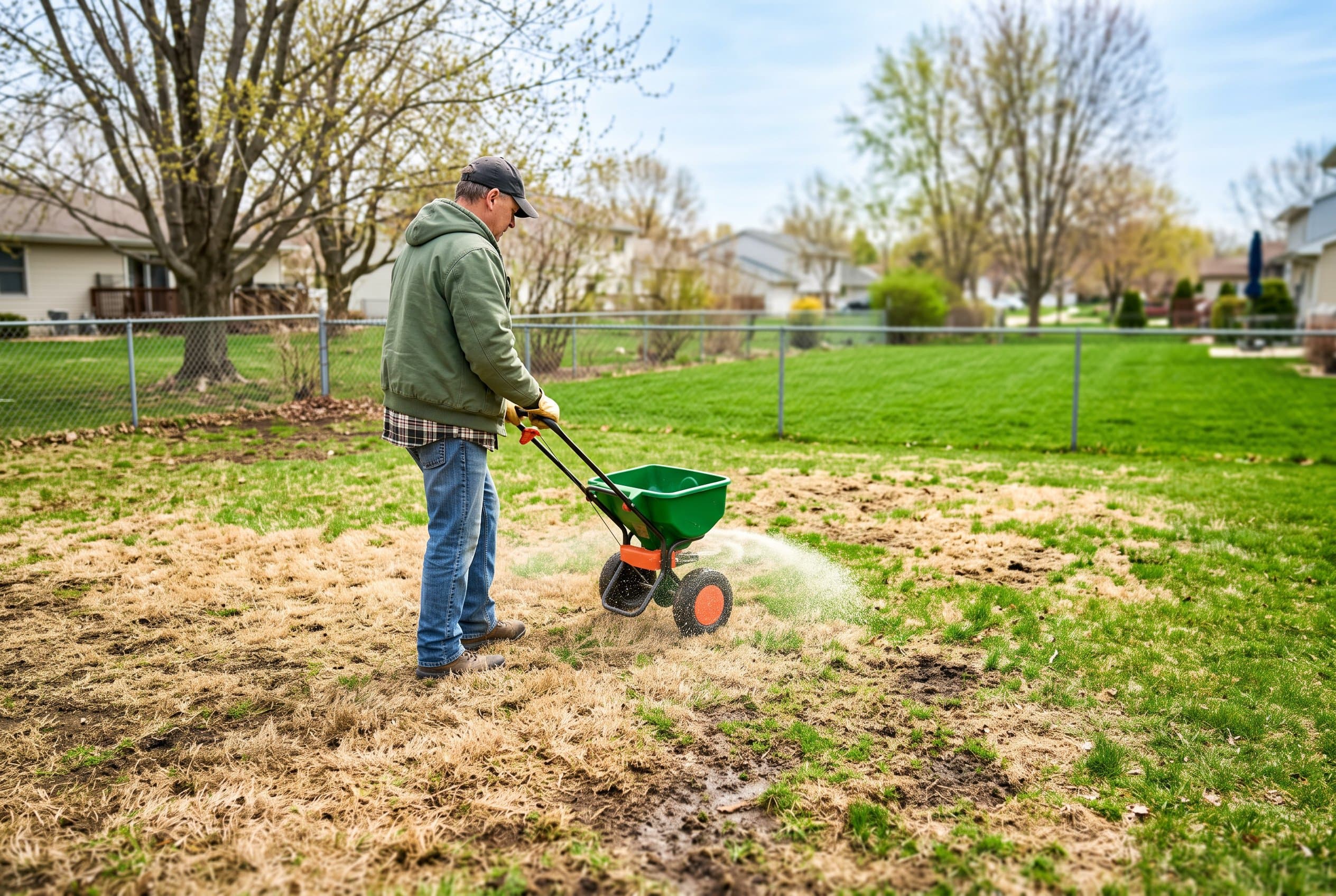
Learn exactly when to apply grub killer to protect your lawn. Timing is everything — find out the best window by season, grub stage, and grass type.
Discover why your lawn is bumpy and how to fix it. Learn about frost heave, grub damage, settling, and practical solutions for a smooth, healthy yard.
Common questions about pest control, answered by our expert guides.
The best time to treat leatherjackets is early to mid-autumn (September to October) when larvae have recently hatched and are still small. Soil temperatures above 12°C are required for biological nematode treatments to work effectively.
Read the full article →Leatherjackets only damage plant material — specifically grass roots and stems at or below the soil surface. They pose no risk to humans, pets, or most garden plants, though large populations can devastate turf areas quickly.
Read the full article →Leatherjacket damage causes yellow patches where the turf can be pulled back easily like a loose mat, because the roots have been eaten through. Unlike drought or fungal issues, you'll often see increased bird activity probing the lawn, and the bin bag overnight test will reveal the larvae on the surface.
Read the full article →Yes — crane flies lay new eggs each year in late summer, so re-infestation is possible annually. Ongoing prevention through good lawn drainage, avoiding overwatering in August and September, and annual nematode treatments where needed will help keep populations under control.
Read the full article →Fall armyworms can cause severe, visible damage within 2–3 days and can strip large sections of a lawn bare within one to two weeks if left untreated. Early detection and fast treatment are critical.
Read the full article →Explore our complete library of lawn care articles covering every topic, season, and skill level.

