Quick Answer
The best time to apply grub killer is late June through August, when young grubs are newly hatched and feeding near the soil surface. Preventive treatments work best in early summer, while curative treatments should be applied as soon as you confirm an active infestation. Timing matters more than product choice — apply too early or too late, and you'll waste money with minimal results.
Key Takeaways
- Apply preventive grub killers (containing imidacloprid or chlorantraniliprole) in June or early July, before eggs hatch
- Apply curative grub killers (containing trichlorfon) in late July through August when young grubs are actively feeding
- Grubs are nearly impossible to kill once they burrow deep in fall — don't wait
- Always water the treatment into the soil within 24–48 hours of application
- Lawns with a history of beetle damage are prime candidates for annual preventive treatment
Introduction
Grubs are the larval stage of beetles — Japanese beetles, June bugs, and European chafers among them. They live underground and chew through grass roots, causing your lawn to brown in irregular patches that lift like loose carpet. The trick to controlling them isn't just what you apply — it's when. Miss the timing window and even the strongest product won't save your lawn[1].
What's the Difference Between Preventive and Curative Grub Killers?
Not all grub products work the same way, and understanding the difference is critical to choosing the right application window.
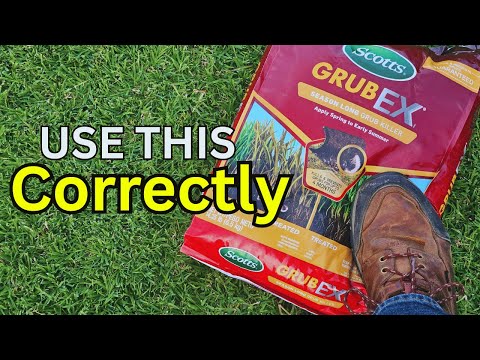
Preventive products contain active ingredients like chlorantraniliprole or imidacloprid. These work by treating the soil before eggs hatch, killing grubs in their earliest larval stage[2]. They're most effective when applied May through early July and watered in promptly.
Curative products contain trichlorfon or carbaryl and are designed to knock down an existing infestation. These are faster-acting but require the grubs to be small (first to second instar) and close to the soil surface — typically July through mid-August[3].
Which Should You Choose?
- No history of grub damage? A preventive product applied in June is your best insurance
- Seeing damage now? Use a curative product immediately if grubs are confirmed and small
- Damage appeared in fall or spring? Grubs are too large and deep — wait until the following summer to treat
How to Apply Grub Killer the Right Way
Proper application is just as important as timing. Follow these steps to get the most out of your treatment.
Step 1: Confirm You Actually Have Grubs
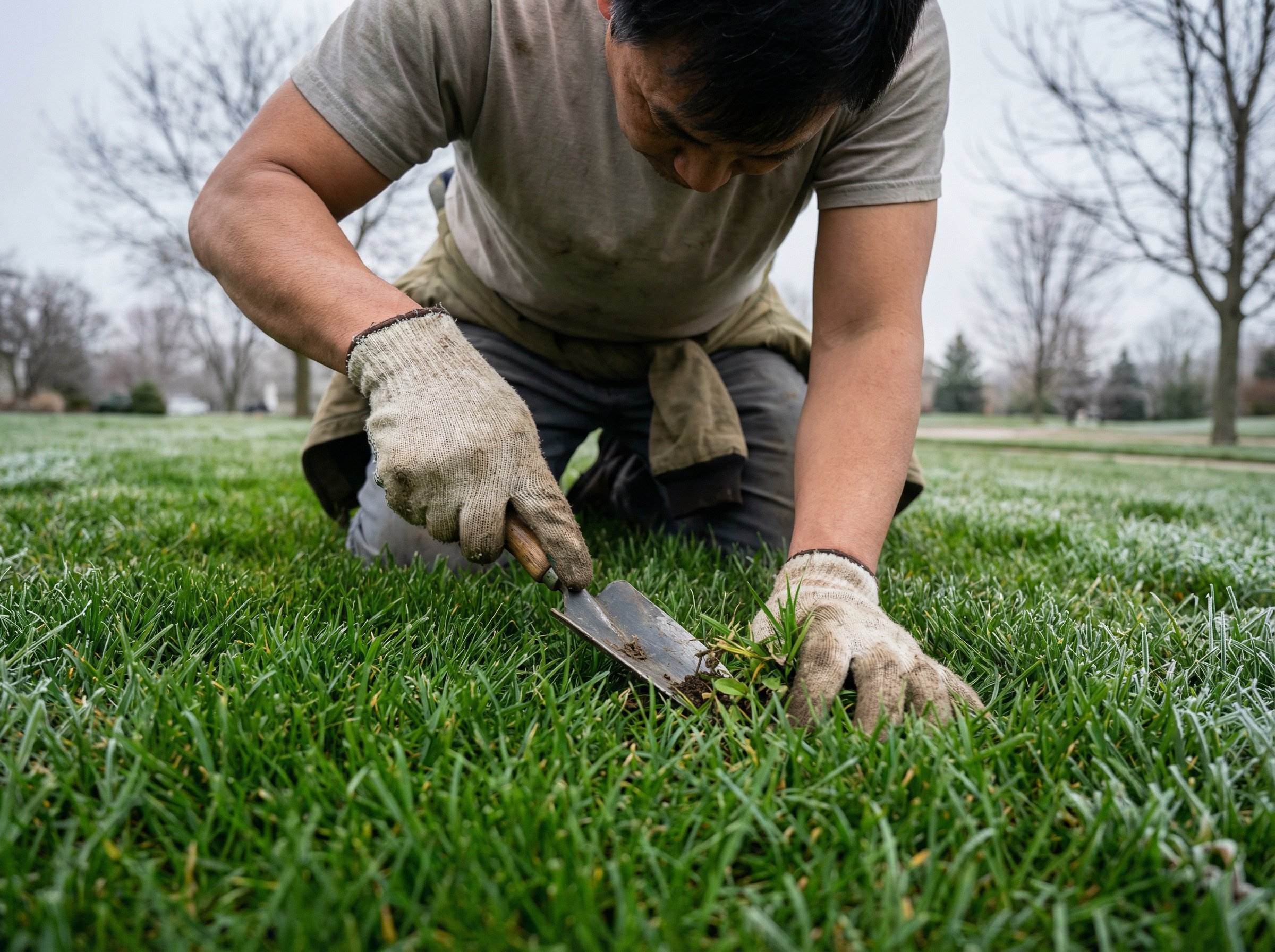
Before applying anything, dig a 1-square-foot section of turf about 2–3 inches deep in a damaged area. If you find 10 or more grubs, treatment is warranted[1]. Fewer than that and your lawn can typically recover on its own.
Step 2: Choose the Right Product for the Season
Select preventive or curative based on timing (see above). Read labels carefully — application rates vary by product and grass type[4].
Step 3: Apply Evenly with a Spreader
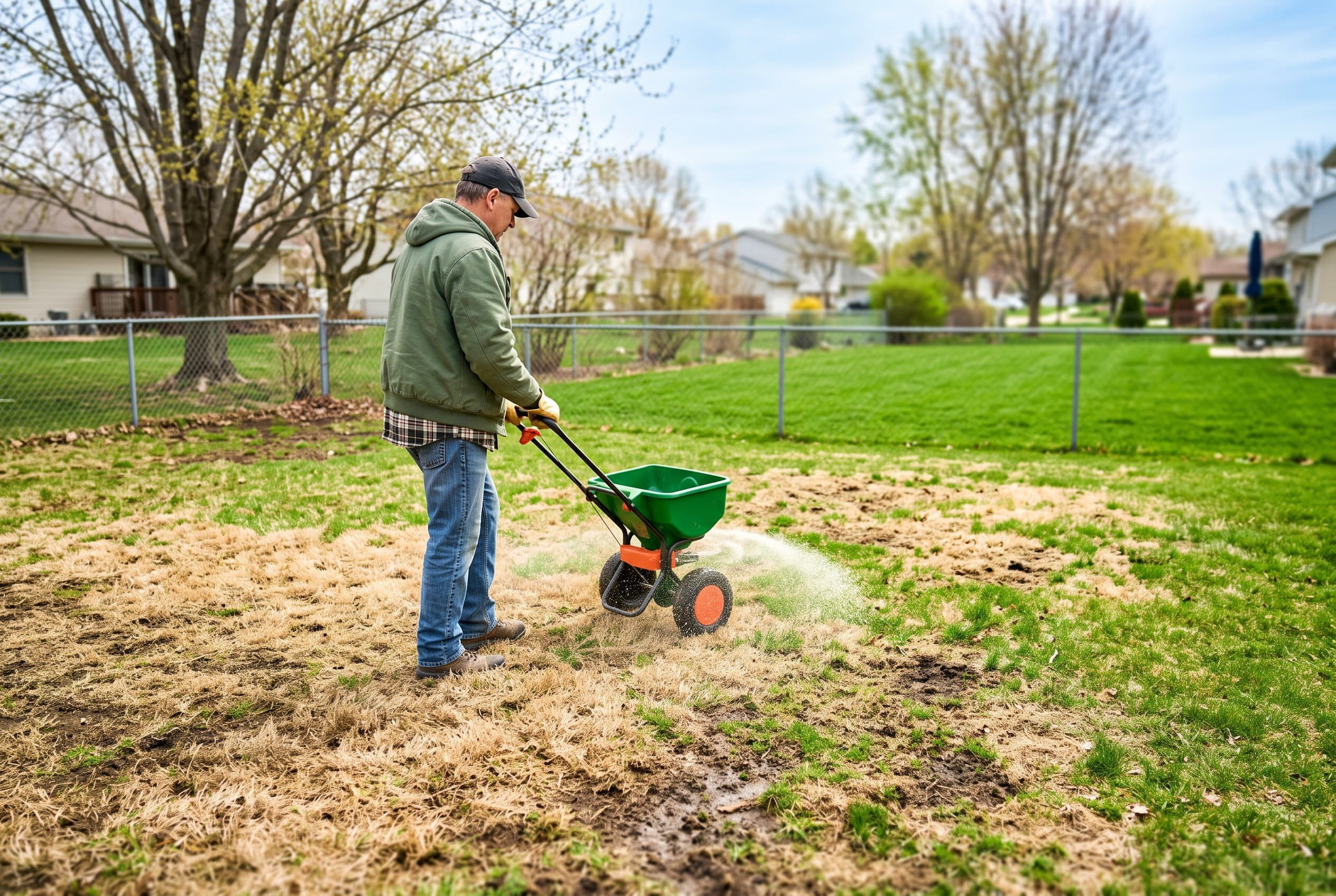
For granular products, use a broadcast or drop spreader set to the manufacturer's recommended rate. Overlap slightly to avoid missed strips. For liquid concentrates, use a hose-end or pump sprayer.
Step 4: Water It In — This Step Is Non-Negotiable
Most grub killers require ½ inch of irrigation within 24 hours to activate and move the product into the root zone where grubs feed[2][3]. Skip this step and the treatment sits on the surface doing nothing.
Step 5: Keep Records
Note what you applied, when, and where. This helps you track results and plan the following season.
When Is It Too Late to Treat for Grubs?
Once soil temperatures drop in fall, grubs burrow 4–8 inches deep to overwinter[5]. At that depth, surface-applied products can't reach them effectively. Similarly, large third-instar grubs in spring are nearly impossible to kill with standard treatments.
The ideal treatment window is narrow: late June to mid-August. After that, your energy is better spent on lawn recovery — overseeding damaged areas and fertilizing to encourage regrowth — rather than chasing grubs you can't reach[1].
Signs You've Waited Too Long
- Grubs are larger than ¾ inch
- Soil temps are below 60°F
- Damage appeared in September or later
- Brown patches appear again in early spring (overwintered grubs resuming feeding)
Conclusion: Act in Summer, Not After the Damage Is Done
The most common grub control mistake homeowners make is treating reactively — after the lawn is already brown. By then, the window has closed. The smarter approach is to apply a preventive product in June if your lawn has beetle pressure, or monitor early and use a curative product at first sign of young grubs in July.
Your next steps:
- Check your lawn now for adult beetle activity (a sign grubs are coming)
- In late June, apply a preventive treatment if you're in a high-risk area
- Water in any treatment immediately after application
- Overseed and fertilize any damaged patches in fall to restore density