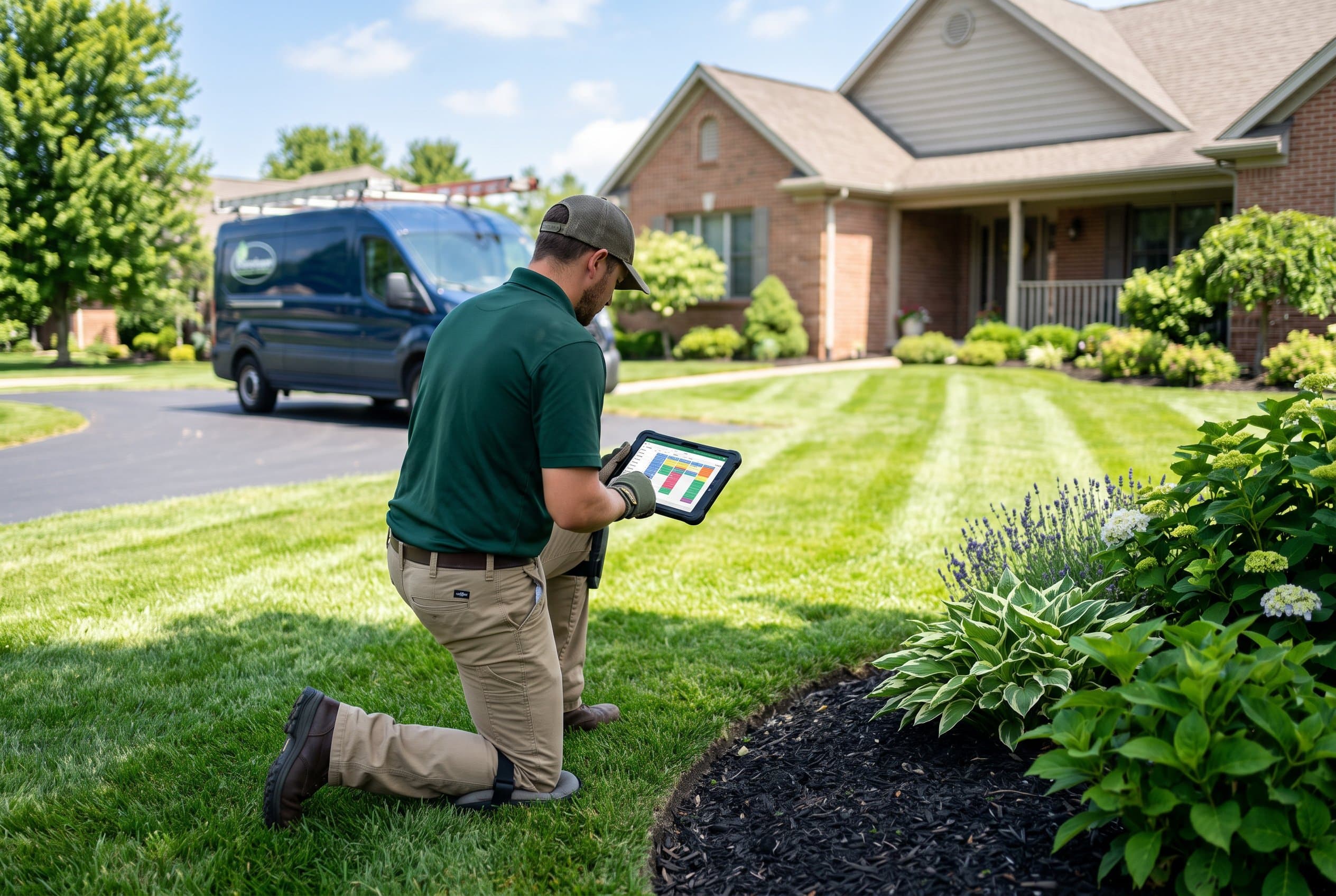

Quick Answer: Lawn care subscription services deliver scheduled treatments — fertilizer, weed control, aeration, and more — directly to your door or performed by professionals on a seasonal plan. They simplify lawn maintenance by taking the guesswork out of timing and product selection. For most homeowners, they offer a convenient middle ground between full-service landscaping and doing everything yourself.
Key Takeaways
- Lawn care subscriptions come in two types: DIY product delivery plans and full-service professional programs
- Most plans are tailored to your grass type, region, and lawn size for customized results
- Subscription costs typically range from $30–$100+ per application depending on service level and lawn size
- Timing treatments to your local climate and grass type is the most critical factor in subscription success
- Canceling or pausing a plan mid-season can leave your lawn vulnerable, so commit to the full cycle
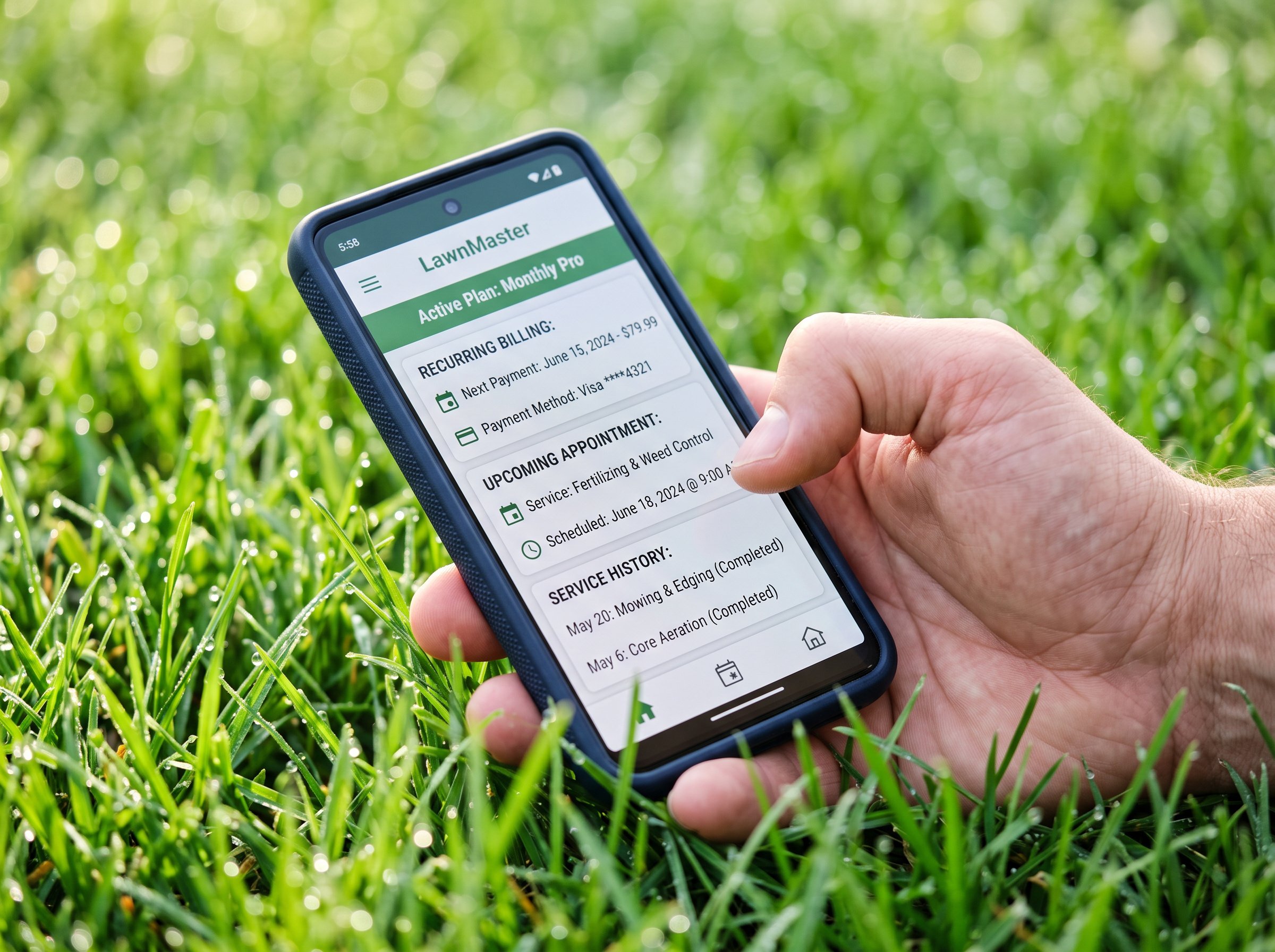
Introduction
Maintaining a healthy lawn requires the right products applied at exactly the right time — and that's where most homeowners struggle. Lawn care subscription services have grown in popularity because they remove the planning burden. Whether you prefer rolling up your sleeves or having a crew handle everything, there's a subscription model built for your lifestyle. Understanding what each option includes — and what it costs — helps you choose wisely.
What Do Lawn Care Subscription Services Actually Include?
Most subscription services are built around a 4–6 step seasonal program that covers your lawn's needs from spring through fall.
DIY Product Delivery Plans
These services mail pre-portioned products — fertilizers, herbicides, and soil amendments — timed to your region and grass type. You apply them yourself using a standard spreader or sprayer. Soil health is the foundation of these programs, and quality plans account for your specific soil conditions when recommending amendments[1].
Typical inclusions:
- Pre-emergent weed control (early spring)
- Slow-release fertilizer applications[2]
- Post-emergent broadleaf weed treatment
- Fall lawn food and winterizer
Professional Full-Service Plans
A technician visits your property on a schedule to apply treatments. These plans often add services like aeration, overseeding, and grub control. Irrigation efficiency is another factor professionals assess, since overwatering is a leading cause of lawn problems[3].
How Do You Choose the Right Plan for Your Lawn?
The best subscription plan matches your grass type, climate zone, and maintenance goals. Here's how to evaluate your options:
Match the Plan to Your Grass Type
Cool-season grasses (Kentucky bluegrass, fescue, ryegrass) thrive with fall-heavy treatment schedules, while warm-season grasses (bermudagrass, centipede, zoysia) need spring and summer feeding[4][5]. A plan designed for the wrong grass type wastes money and can cause damage.
Evaluate What's Actually Included
Before signing up, confirm:
- Number of annual visits or shipments
- Whether aeration and overseeding are included or add-ons
- Weed and pest control coverage specifics
- Guarantees or re-treatment policies
Consider Your Lawn Size and Budget
Most services charge per square foot. A 5,000 sq ft lawn on a professional plan might run $400–$600 annually. DIY delivery plans for the same lawn typically cost $150–$250 per year — a significant savings if you're comfortable doing the work yourself[6].
When Should You Start a Lawn Care Subscription?
Timing your enrollment matters. Starting in late winter or early spring ensures you catch the critical pre-emergent window before crabgrass and other annual weeds germinate. Missing this window is one of the most common — and costly — lawn care mistakes[7].
- Cool-season lawns: Enroll by late February–early March
- Warm-season lawns: Enroll by late March–early April
- Mid-season starts: Still valuable, but expect catch-up treatments
Fall is the second-best entry point. Aeration, overseeding, and winterizer applications in September–October set up your lawn for a strong spring recovery[8].
Conclusion: Next Steps for Homeowners
Lawn care subscription services make consistent lawn maintenance accessible for homeowners who struggle with timing, product selection, or simply don't want the hassle. Start by measuring your lawn's square footage, identifying your grass type, and deciding whether you want to apply treatments yourself or have a professional handle it. Request quotes from at least two services, compare what's included per application, and look for a satisfaction guarantee before committing. A well-timed, regionally appropriate plan is the fastest path to a lawn you're proud of.