Quick Answer
Lamb's quarters (Chenopodium album) is a fast-growing annual broadleaf weed that thrives in disturbed soil and thin lawn areas. You can remove it by hand-pulling young plants or using a broadleaf herbicide for larger infestations. Keeping your lawn thick and healthy is the best long-term defense.
Key Takeaways
- Lamb's quarters is an annual weed, meaning it completes its life cycle in one season and spreads by seed
- Young plants are easiest to remove by hand before they set seed
- A single plant can produce up to 75,000 seeds, making early action critical
- Broadleaf herbicides applied in spring or fall are effective for larger patches
- Dense, well-fertilized turf is your best prevention strategy
Introduction
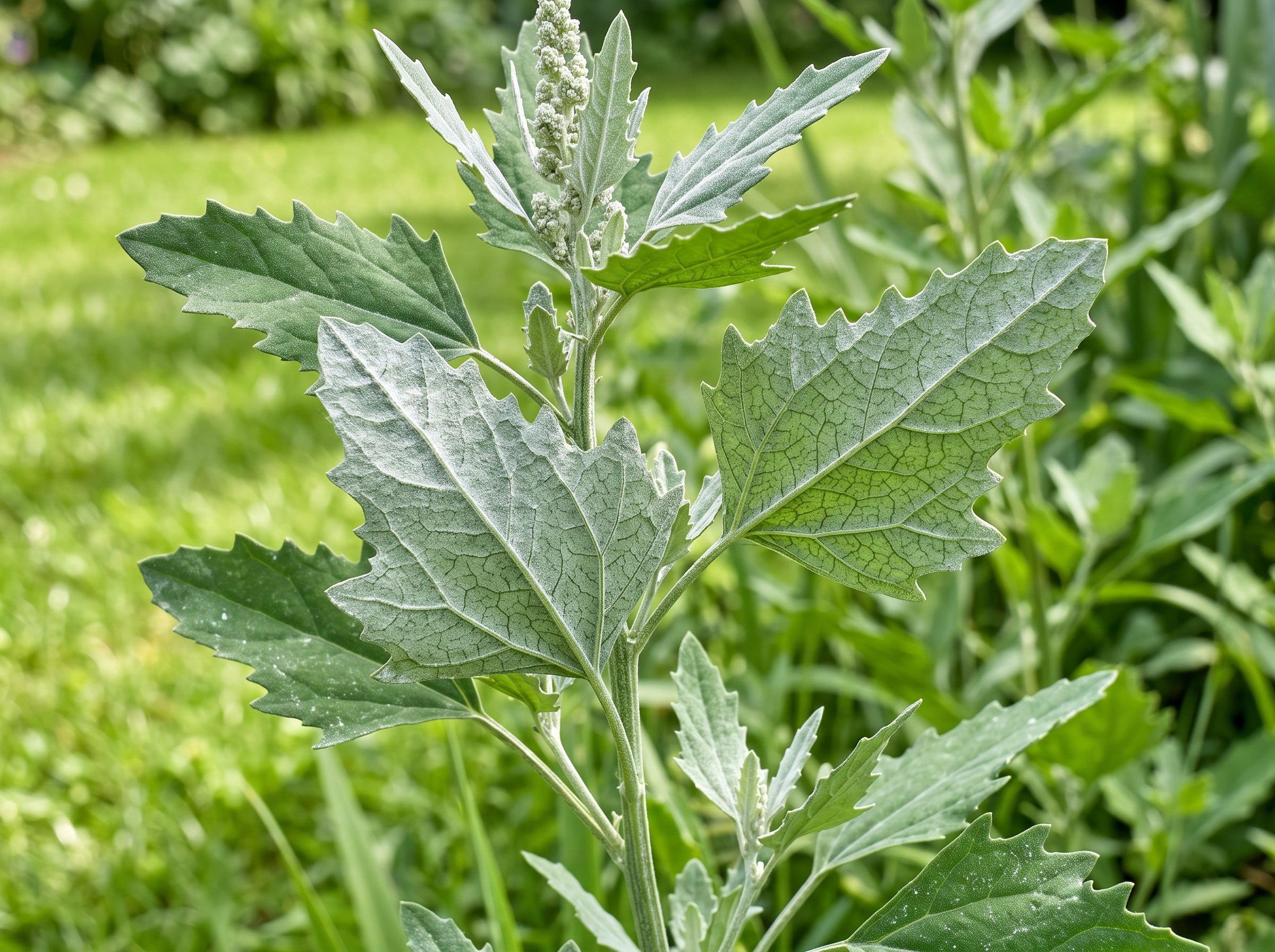
If you've noticed a weedy plant with pale green, diamond-shaped leaves and a dusty, whitish coating on the undersides, you're likely dealing with lamb's quarters. It's one of the most common broadleaf weeds in North American lawns and gardens, popping up wherever the soil is bare or turf is thin[1]. While it's actually edible and even nutritious, most homeowners don't want it taking over their lawn.
How Do I Identify Lamb's Quarters in My Lawn?
Lamb's quarters is surprisingly easy to spot once you know what to look for. Here are the key identification features:
- Leaves: Diamond or goosefoot-shaped, with wavy or toothed edges
- Waxy coating: A distinctive mealy, whitish-gray powder on the undersides of young leaves
- Stems: Upright and branching, often with reddish or striped markings
- Height: Can grow 1–6 feet tall if left unchecked
- Flowers: Tiny, greenish clusters that appear from midsummer through fall
It often germinates in early spring as soon as soil temperatures reach around 50°F, giving it a head start over turf that hasn't broken dormancy[2]. You'll commonly find it along lawn edges, in bare patches, and anywhere soil has been recently disturbed.
How Do I Get Rid of Lamb's Quarters in My Lawn?
Your removal strategy depends on how established the plants are and how widespread the problem is.
Hand-Pulling Young Plants
For small infestations, hand-pulling is fast and effective — especially after rain when the soil is soft. Grip the plant near the base and pull firmly to remove the taproot. Bag and dispose of plants rather than composting them, as seeds can survive the process[3].
Using Broadleaf Herbicides
For larger or recurring infestations, a post-emergent broadleaf herbicide works well. Look for products containing 2,4-D, dicamba, or MCPP — these are commonly labeled for lamb's quarters and other broadleaf weeds. Key tips:
- Apply when plants are young and actively growing
- Avoid spraying during drought stress or extreme heat
- Follow label rates — more product doesn't mean better results
- A second application 3–4 weeks later may be needed for stubborn plants[4]
Pre-Emergent Herbicide in Spring
If lamb's quarters returns every year, a pre-emergent herbicide applied in early spring (before soil reaches 50°F) can stop seeds from germinating. Time it around the same window you'd treat for crabgrass[1].
What Causes Lamb's Quarters to Keep Coming Back?
Lamb's quarters thrives in conditions that stress your lawn. Common causes include[2][5]:
- Thin or bare turf: Exposed soil is an open invitation for weed seeds
- Compacted soil: Poor drainage and low oxygen favor weeds over grass
- Low fertility: Underfed turf can't compete with aggressive annual weeds
- Mowing too short: Scalping the lawn reduces its ability to shade out weed seedlings
The seed bank in your soil can persist for years, which is why consistent lawn care — not just one round of herbicide — is essential to long-term control[3].
How Do I Prevent Lamb's Quarters from Returning?
Prevention is far easier than repeated removal. Focus on building a dense, vigorous lawn:
- Overseed thin areas in fall (cool-season grasses) or late spring (warm-season grasses) to close gaps where weeds take hold[5]
- Fertilize regularly to keep turf competitive — a slow-release fertilizer applied in fall builds strong root systems
- Mow at the correct height — most lawn grasses do best at 3–4 inches, which shades the soil and suppresses weed germination[4]
- Aerate compacted areas annually to improve soil structure and grass root depth
- Water deeply and infrequently to encourage deep roots over shallow weed-friendly conditions
Conclusion: Take Action Early This Season
Lamb's quarters is easiest to manage when you catch it young. Start by hand-pulling any plants you see now, and plan a broadleaf herbicide treatment if the problem is widespread. Then focus on building a thicker, healthier lawn through overseeding, proper fertilization, and smart mowing — that's what keeps it from coming back year after year. Check your local extension office for herbicide recommendations specific to your grass type and region.