fall4 min read
Frost Damage Lawn Recovery: Fix Your Grass Fast
Learn how to recover your lawn from frost damage with step-by-step guidance on timing, repair, and treatment to restore healthy, green grass this season.
Choose the right grass and master overseeding techniques for a lush, healthy lawn.
Choosing the right grass for your lawn is the single most important decision that determines long-term success. Cool-season grasses like Kentucky bluegrass, tall fescue, and perennial ryegrass thrive in northern climates with cold winters and moderate summers. Warm-season grasses like bermudagrass, zoysiagrass, and St. Augustine perform best in southern heat with mild winters. Planting the wrong type for your climate leads to constant struggle.
Understanding the strengths and weaknesses of each grass species helps you match your lawn to your lifestyle. Some grasses tolerate heavy foot traffic from kids and pets, while others create a fine-textured carpet that looks spectacular but needs more careful management. Shade tolerance, drought resistance, and maintenance requirements all vary significantly between species.
Overseeding is one of the most effective ways to improve an existing lawn without starting from scratch. Timing your overseeding for the optimal germination window, preparing the soil correctly, choosing compatible seed varieties, and managing watering during establishment are all critical steps. Our seeding guides walk you through the entire process from seed selection to the first mow of your new grass.
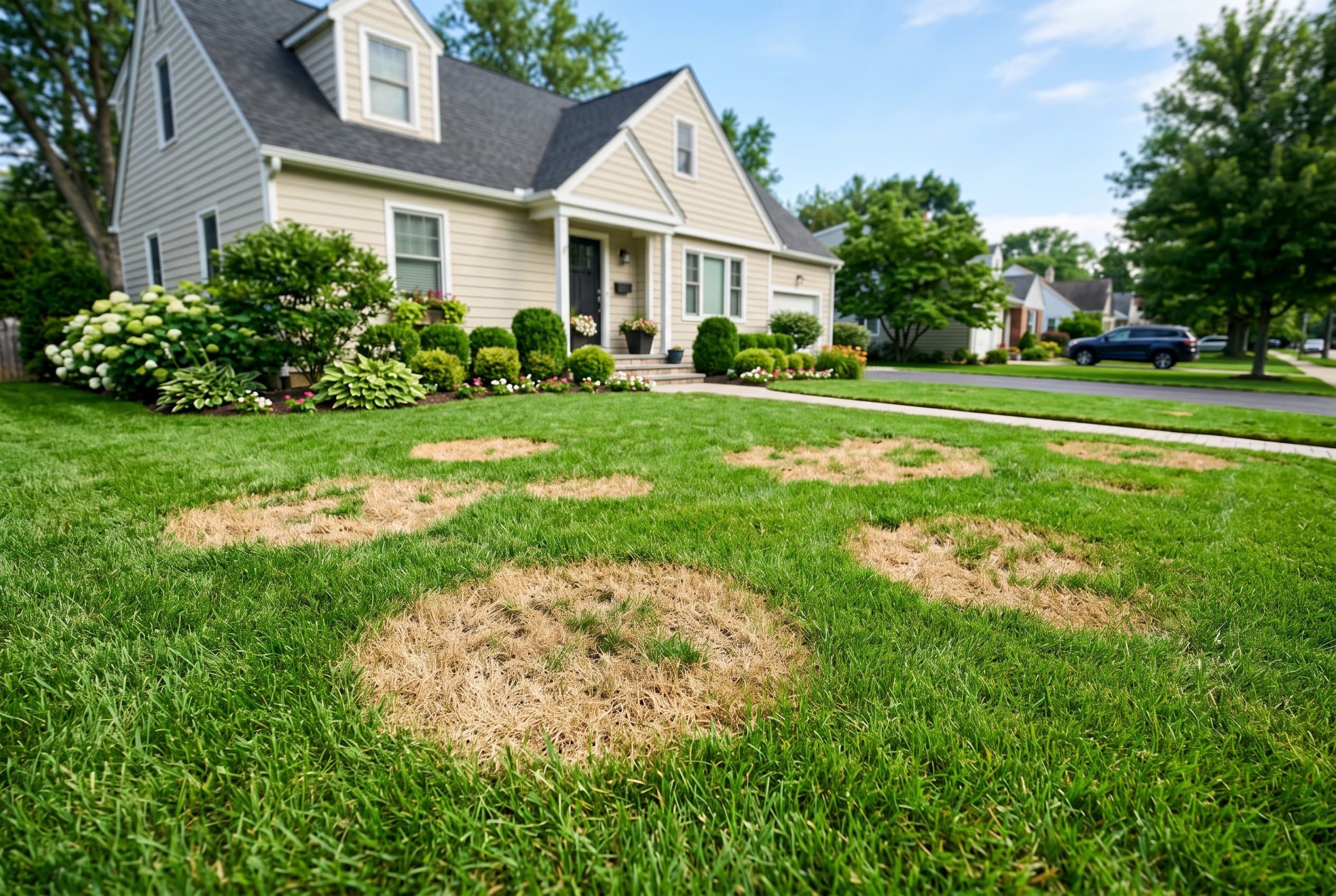
Identify summer lawn diseases fast: brown patch, dollar spot, pythium, summer patch, gray leaf spot, rust, and fairy ring — symptoms, triggers, and look-alikes.
Key Stat: Brown patch, pythium blight, and gray leaf spot all switch on when nighttime temperatures stay in the 60-68°F range or above and leaves stay wet for 9-14 hours — the exact overnight conditions of a humid summer.
These grass types & seeding articles are most relevant to what your lawn needs right now.
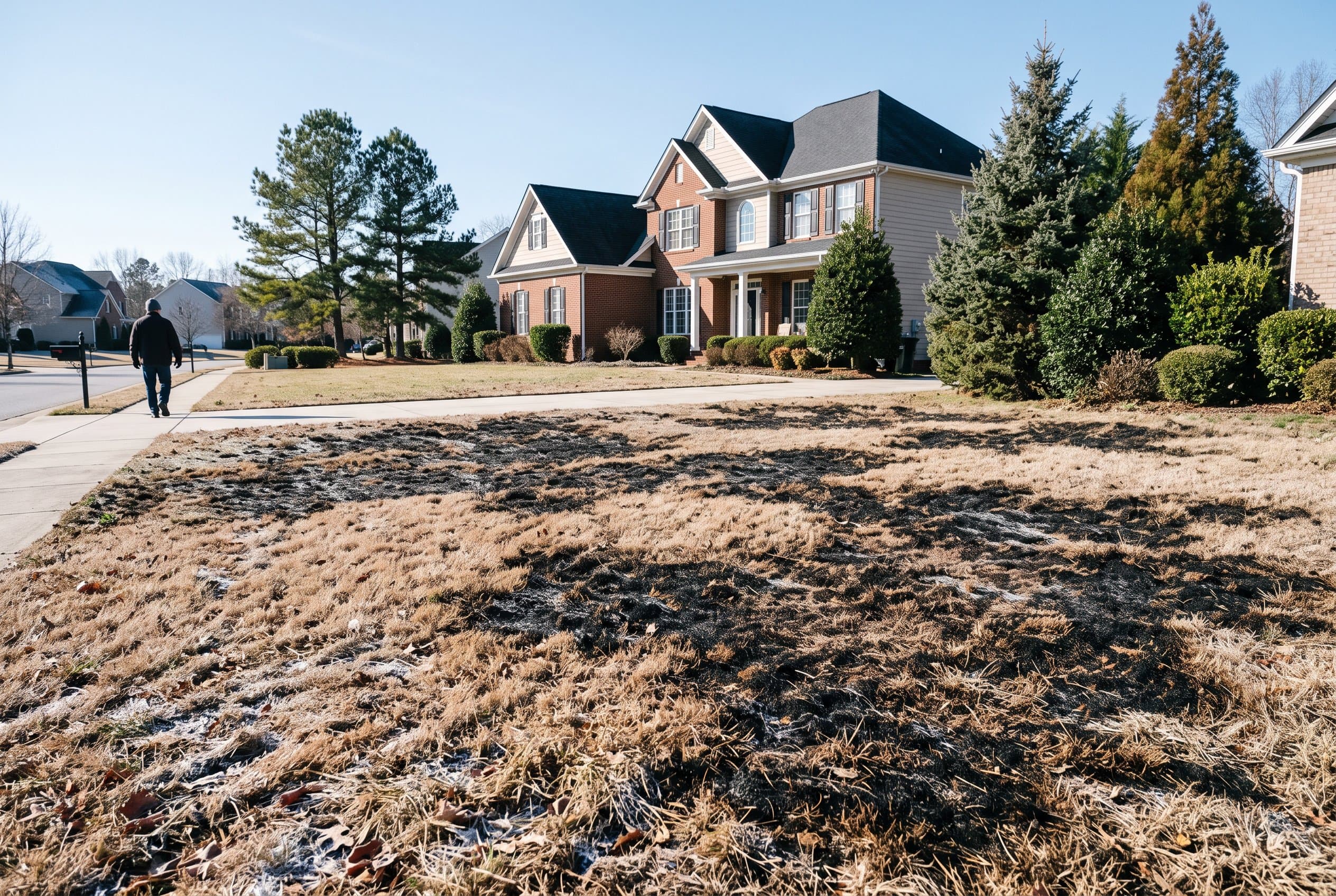
Learn how to recover your lawn from frost damage with step-by-step guidance on timing, repair, and treatment to restore healthy, green grass this season.
Learn how to plan a spring lawn renovation with expert tips on timing, soil prep, seeding, and fertilizing for a thicker, healthier lawn this season.
Slice seeding vs overseeding — learn which method gives better germination, when to use each, and how to choose the right approach for your lawn.
Wondering about grass seed prices in 2026? Learn what drives costs, average price ranges by seed type, and smart tips to get the best value for your lawn.
Browse all 38 articles in this topic. Filter by season to find exactly what you need.
Learn how to recover your lawn from frost damage with step-by-step guidance on timing, repair, and treatment to restore healthy, green grass this season.
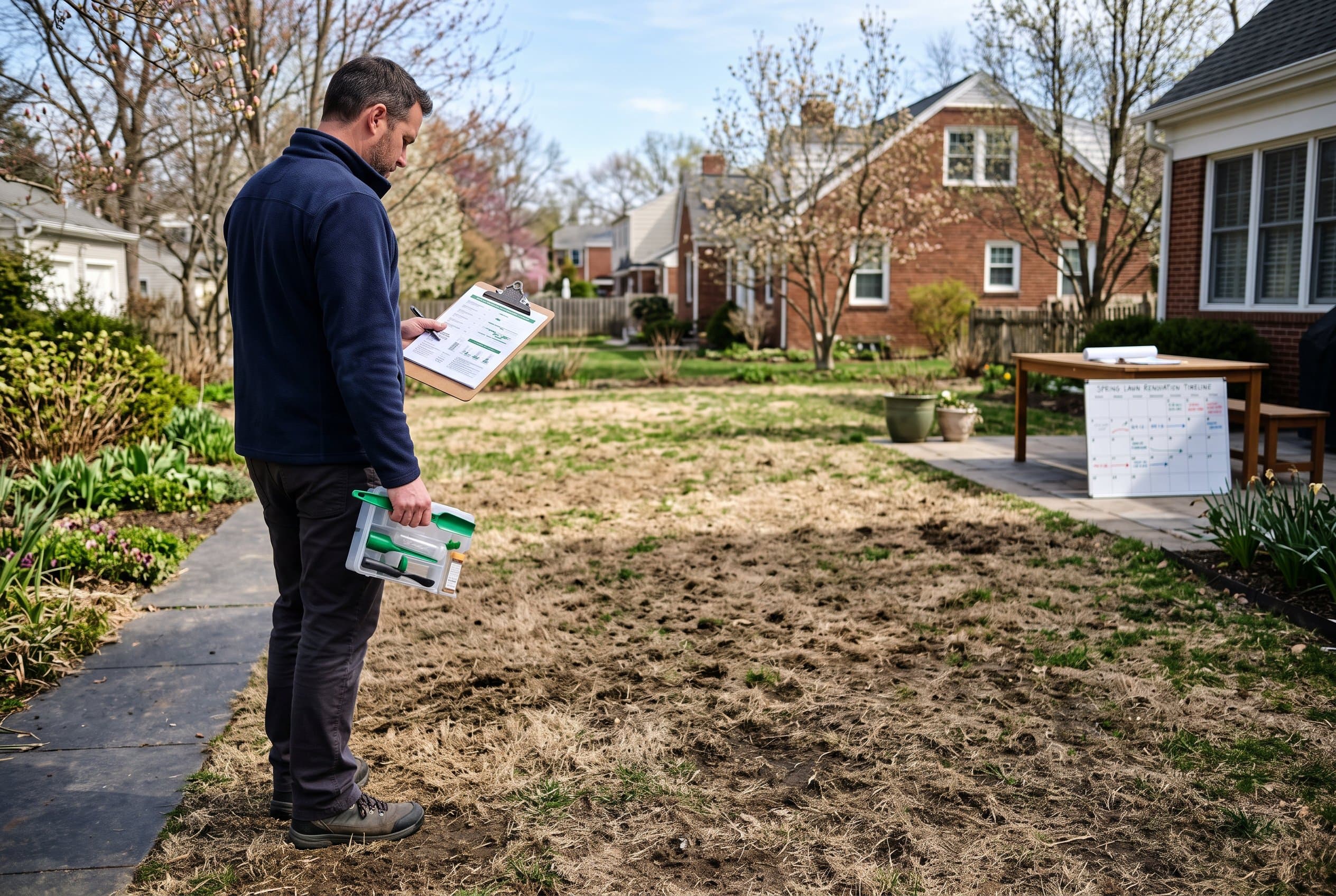
Learn how to plan a spring lawn renovation with expert tips on timing, soil prep, seeding, and fertilizing for a thicker, healthier lawn this season.
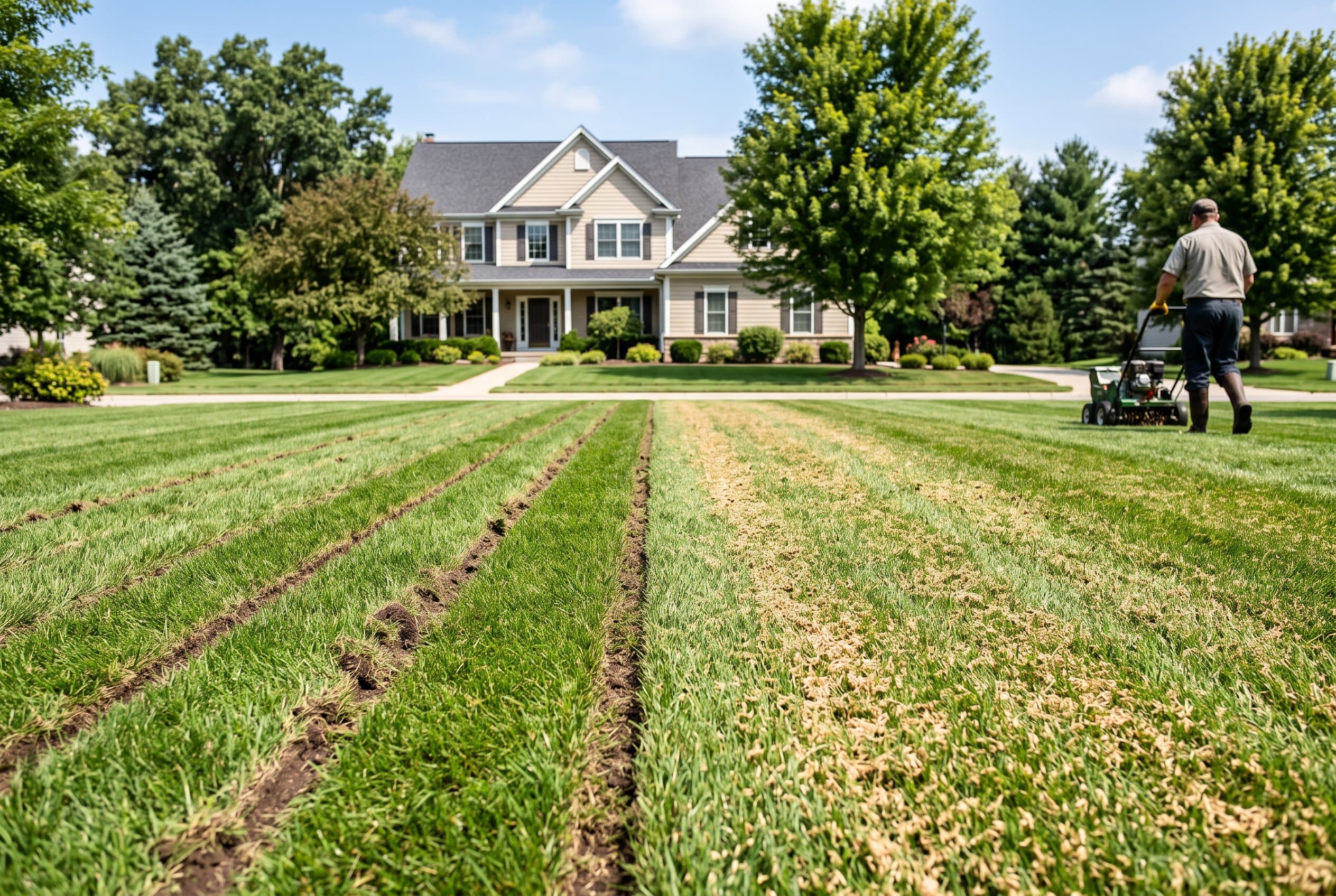
Slice seeding vs overseeding — learn which method gives better germination, when to use each, and how to choose the right approach for your lawn.
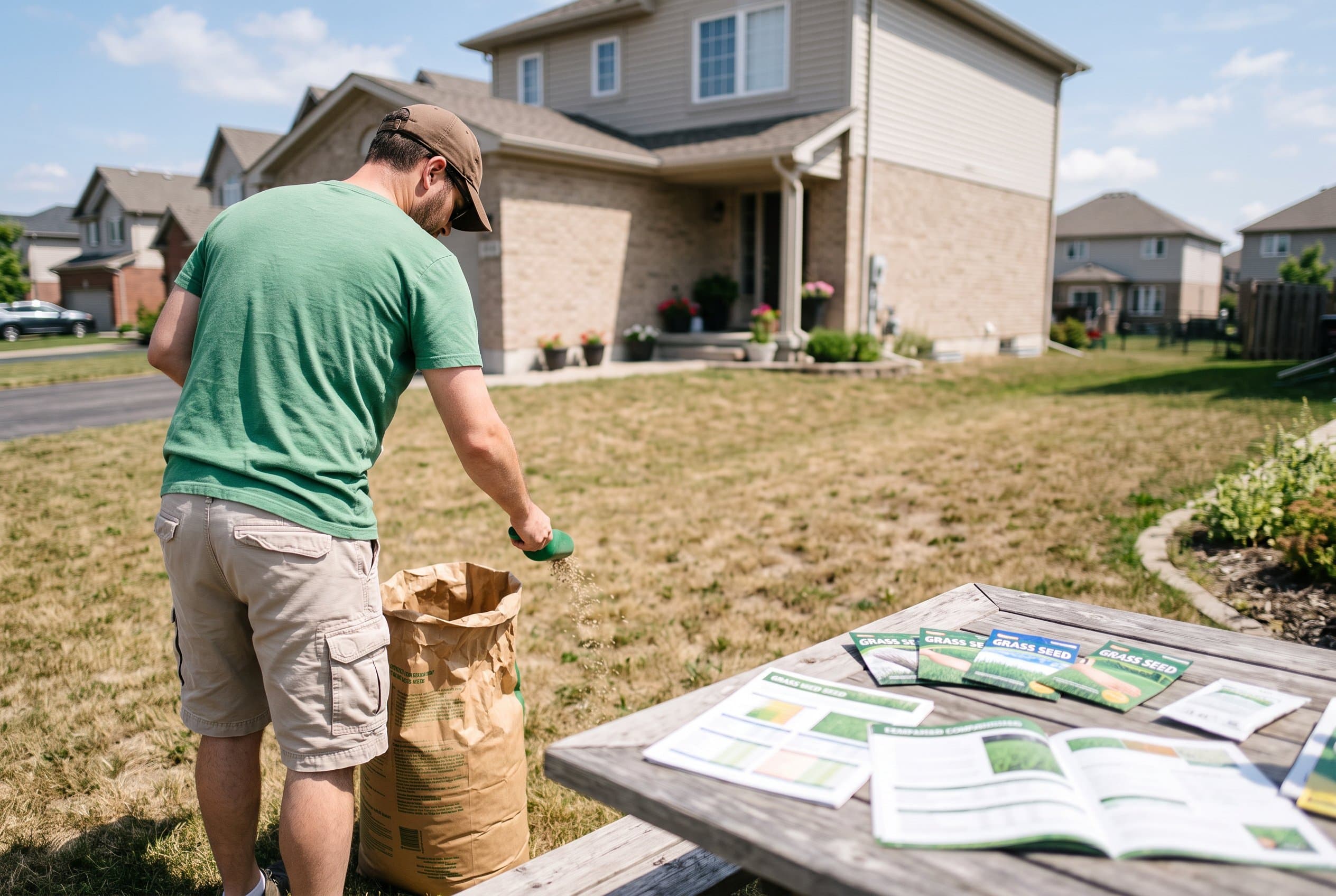
Wondering about grass seed prices in 2026? Learn what drives costs, average price ranges by seed type, and smart tips to get the best value for your lawn.
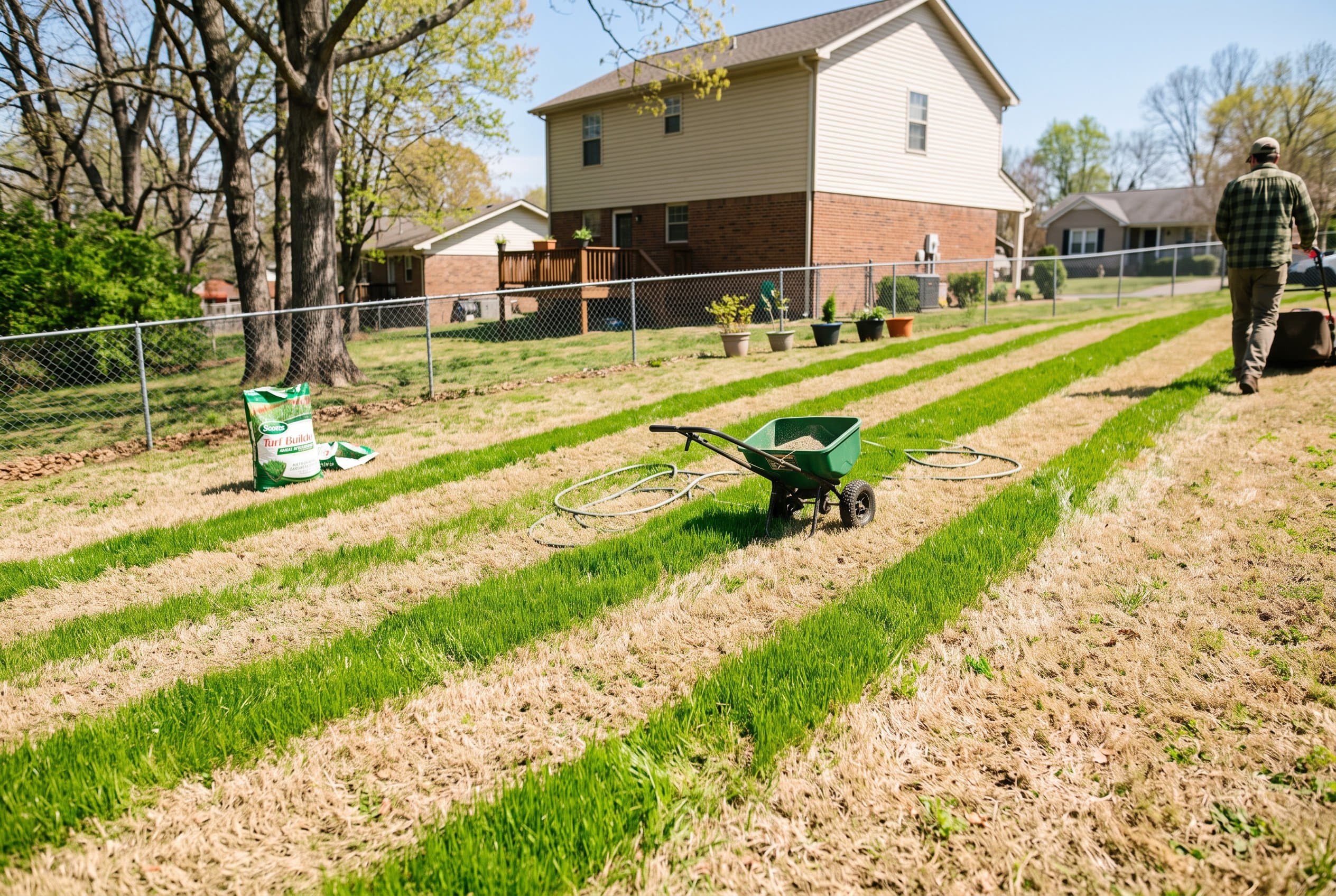
Learn how to overseed bermuda grass with ryegrass for a green winter lawn. Step-by-step tips on timing, seeding rates, and aftercare for homeowners.
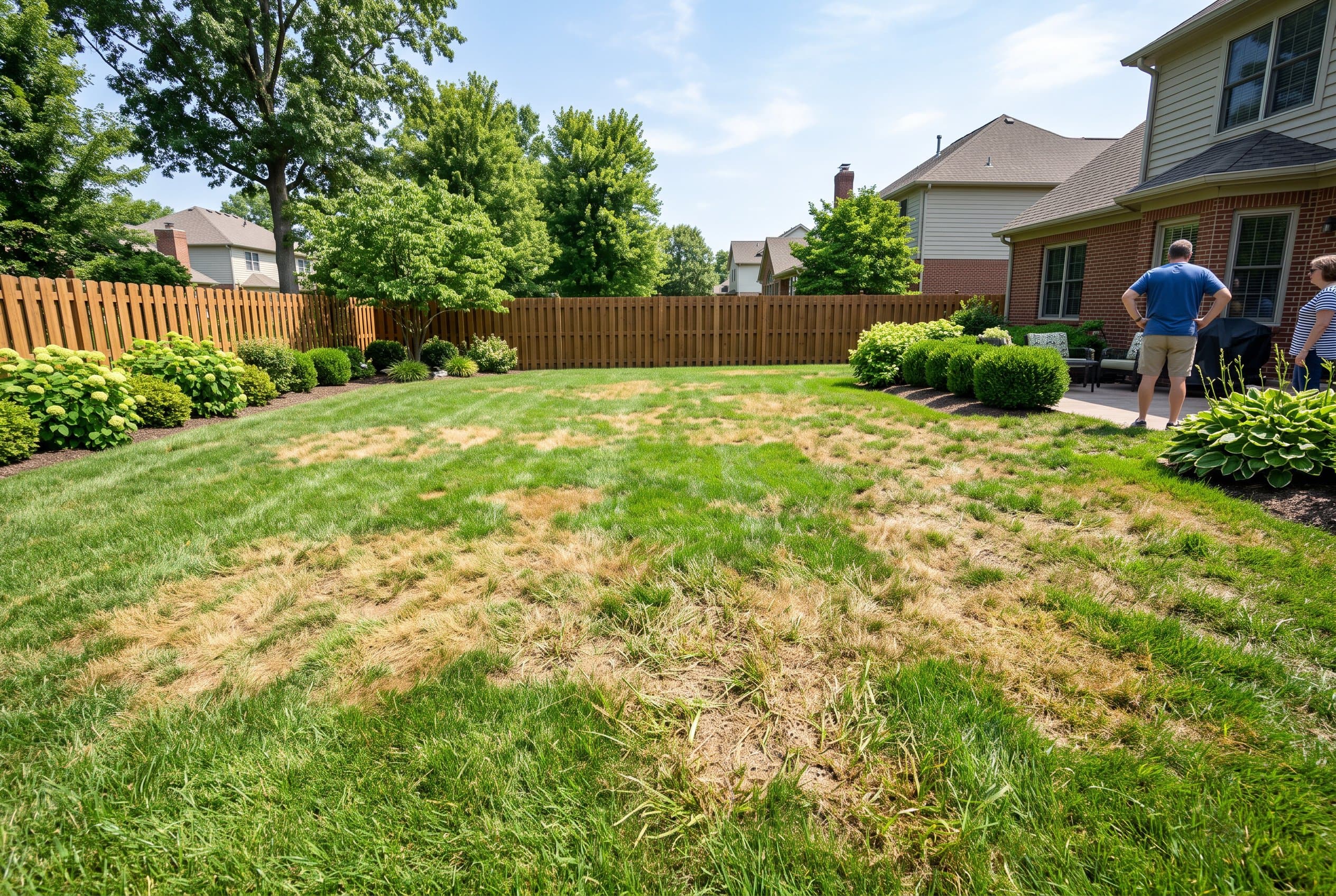
Fall armyworms can destroy your lawn in days. Learn how to identify them, treat an infestation fast, and prevent future damage with these expert tips.
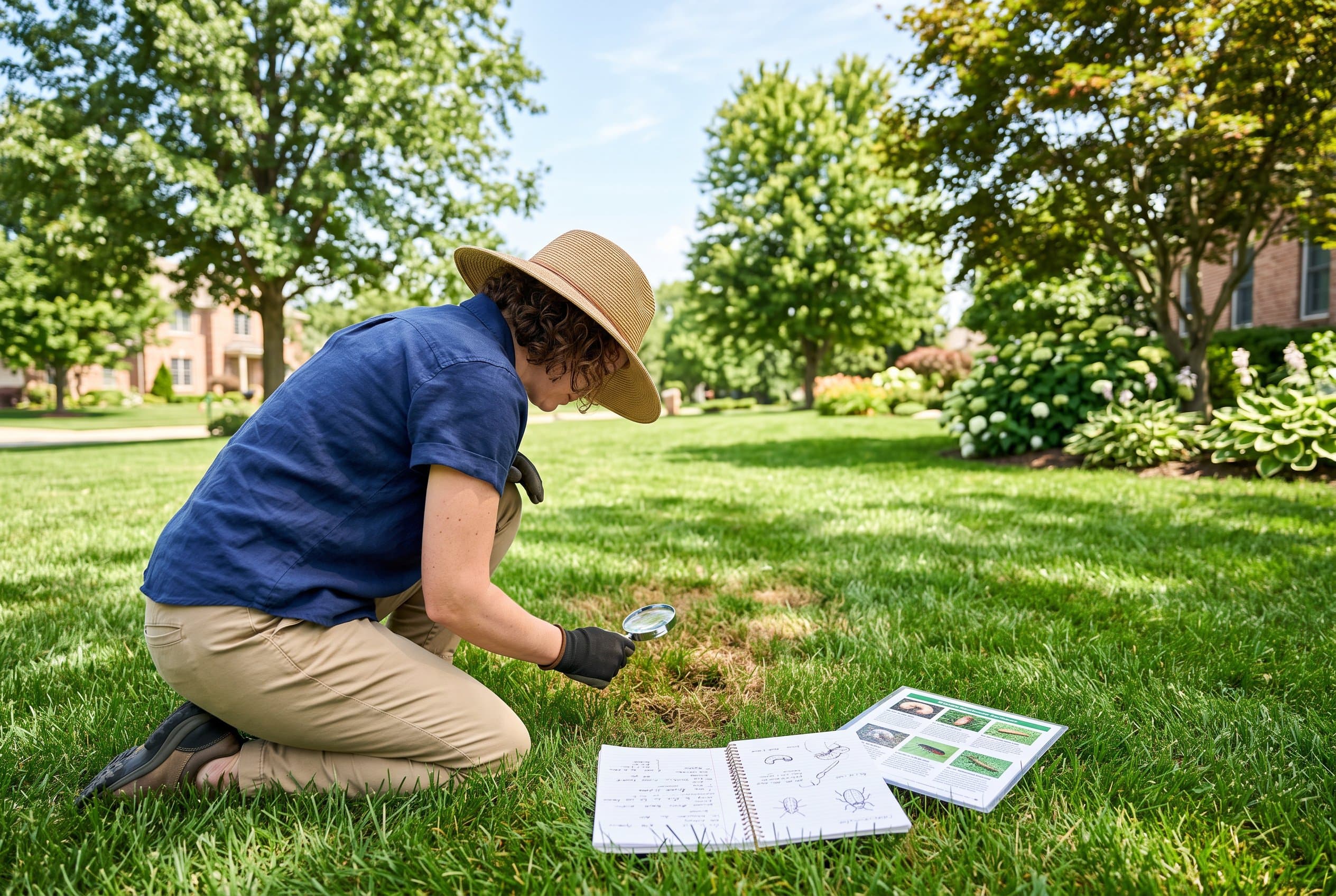
Identify common lawn pests quickly with this homeowner guide. Learn what damage signs to look for, which bugs to target, and when to act each season.
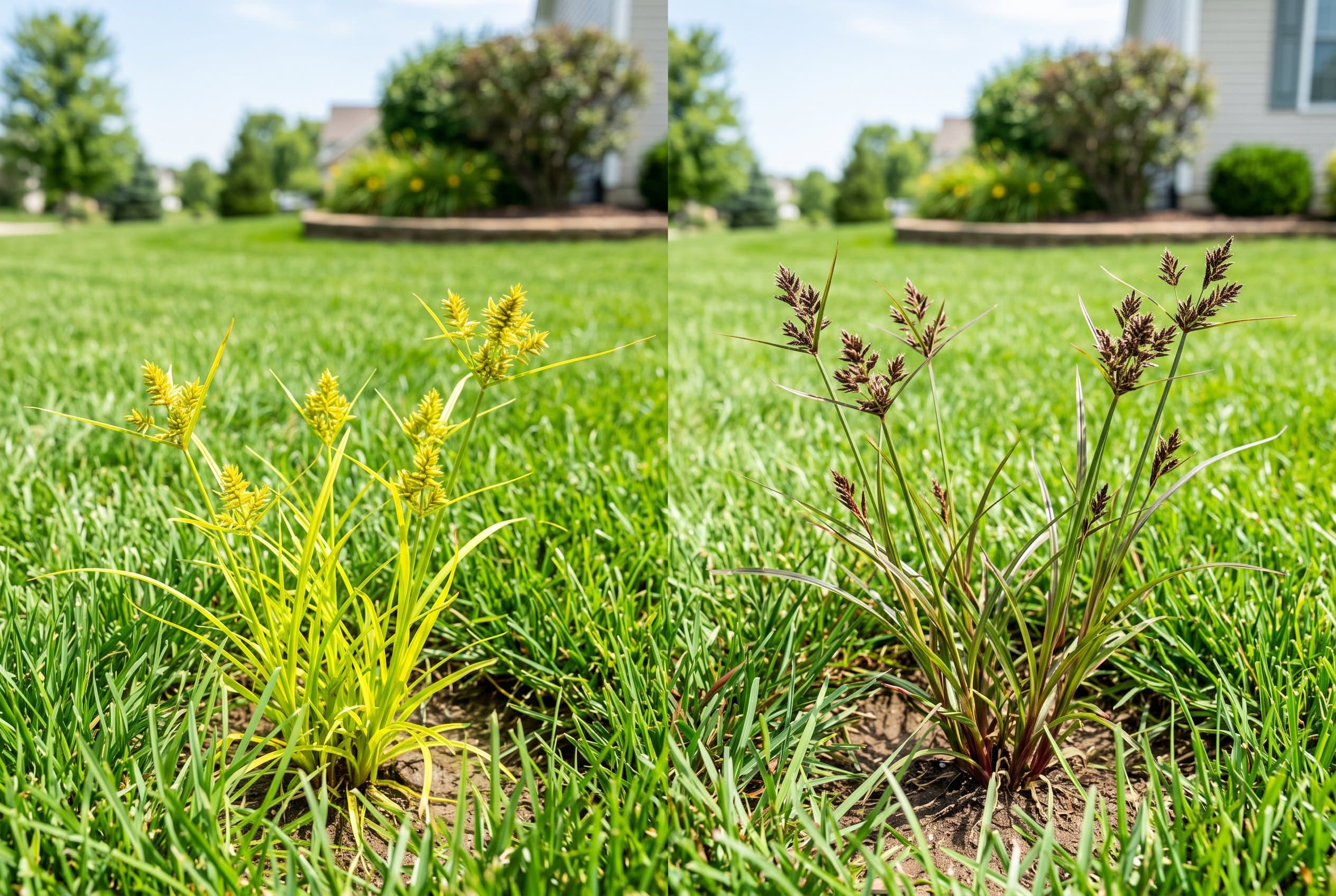
Learn how to tell yellow nutsedge from purple nutsedge, spot each weed in your lawn, and choose the right control method to get rid of them for good.
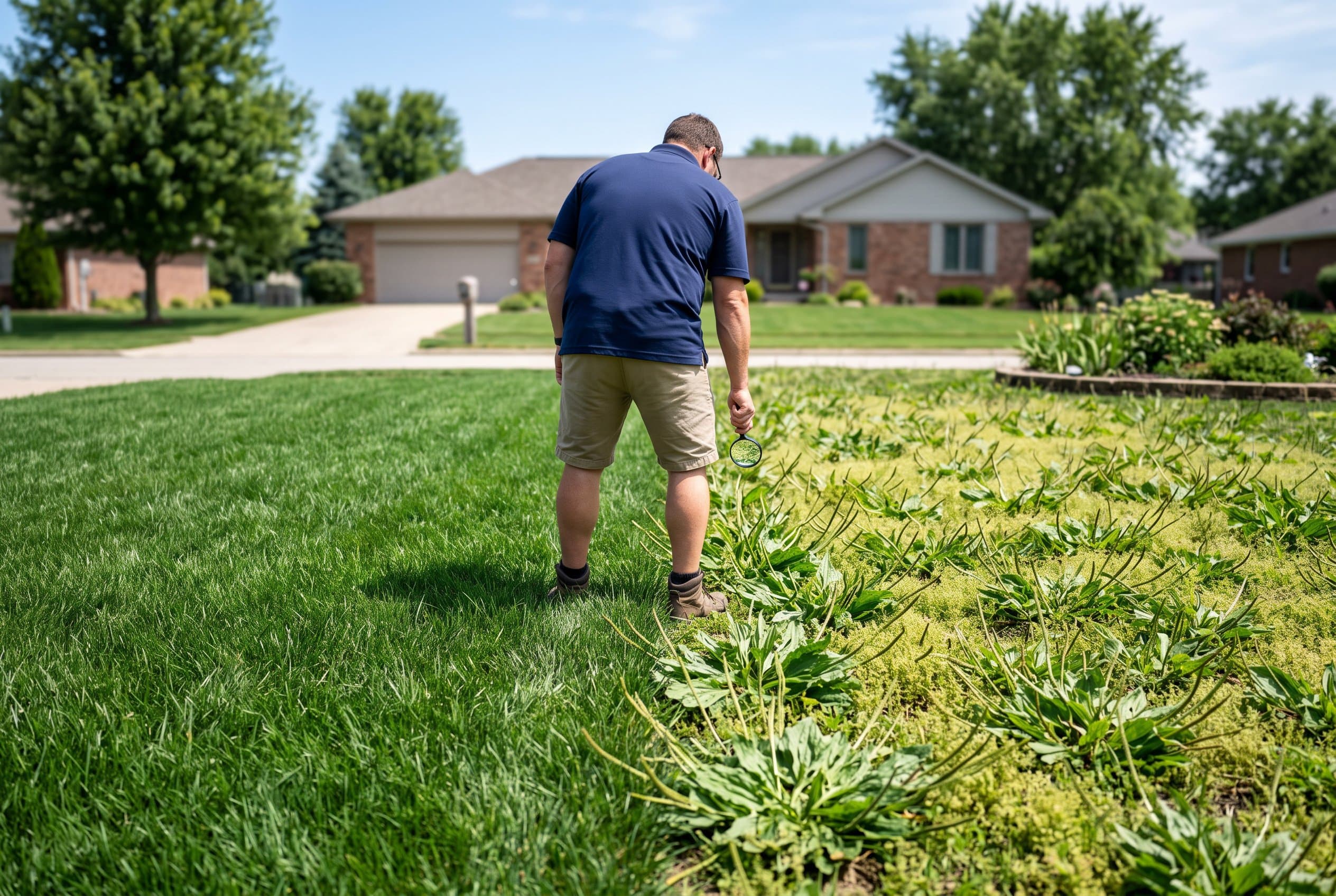
Learn how to tell goosegrass from crabgrass with key visual differences, a comparison table, and tips to control each weed effectively in your lawn.
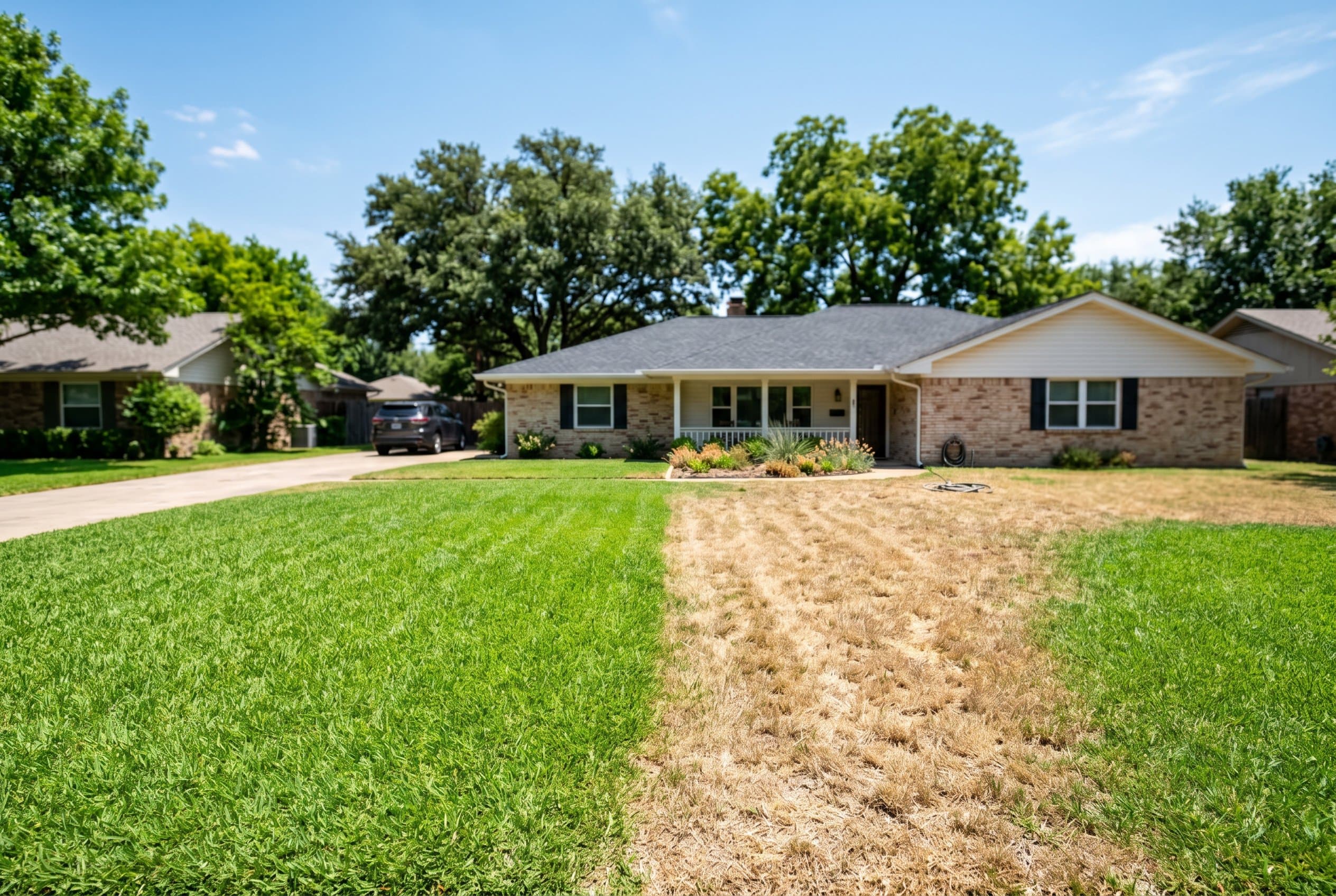
Discover the best drought tolerant grass types for your climate. Learn which grasses survive dry spells with less water and how to choose the right one.
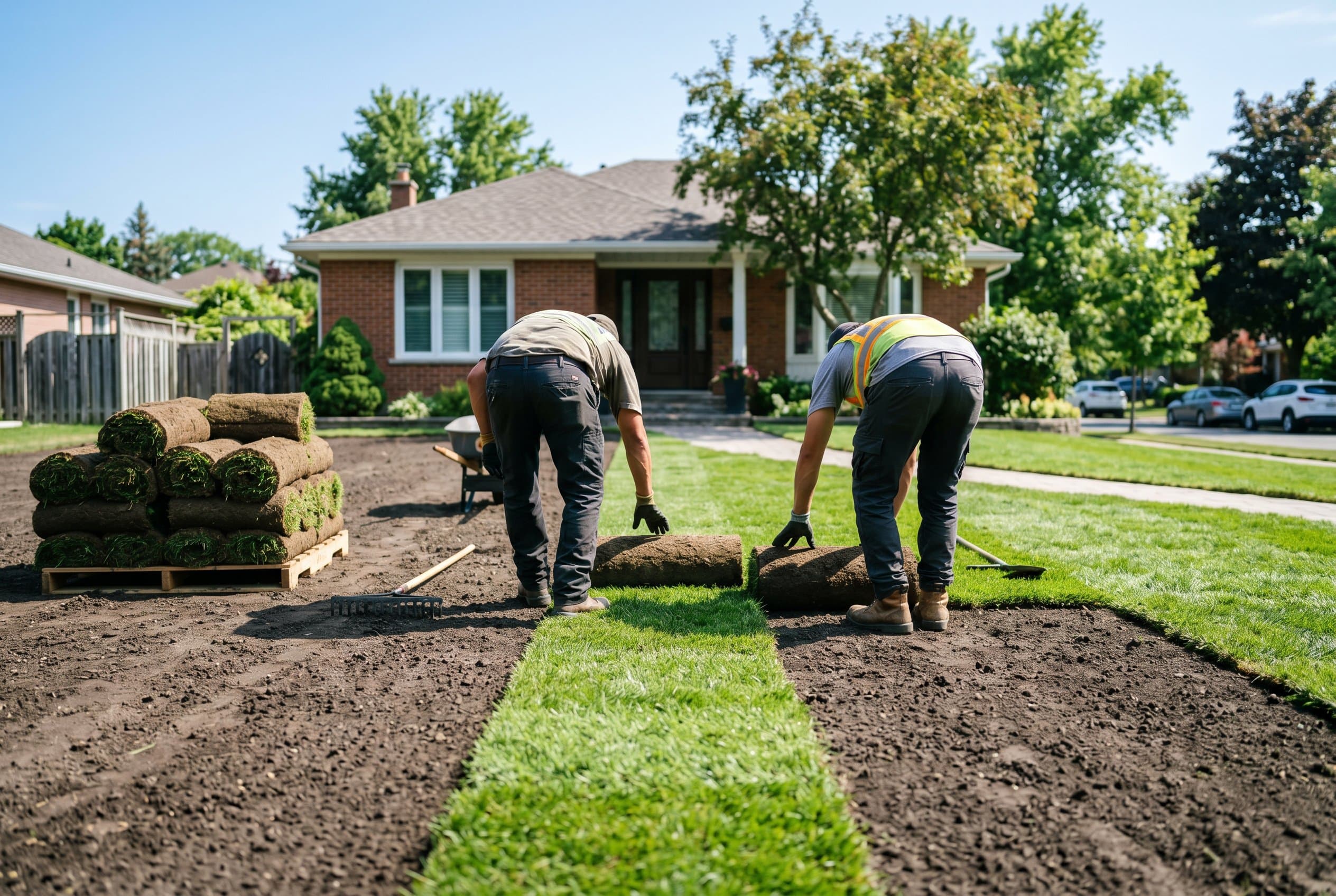
Sod installation costs $1 to $2.60 per square foot installed in 2026. See sod prices per pallet by grass type, site-prep costs, and sod vs. seed savings.

Professional overseeding costs $0.04–$0.18 per square foot — roughly $200–$450 for an average lawn — while DIY runs $50–$150 in seed. See when each wins.
Common questions about grass types & seeding, answered by our expert guides.
Mild frost damage typically resolves within 1 to 2 weeks once temperatures warm. Severe damage that has killed the grass crown may take a full growing season to recover, especially if overseeding or sodding is required.
Read the full article →Yes, but wait until the grass has fully thawed before watering. Once thawed, consistent soil moisture helps damaged grass recover and supports any new seed you may apply to bare patches.
Read the full article →In most cases, yes — if the grass crown survived the freeze, the lawn will green up naturally as temperatures rise. Only areas where the crown is dead will require overseeding or sodding to recover.
Read the full article →Warm-season grasses like bermudagrass, zoysiagrass, and St. Augustine are the most frost-sensitive and go dormant or suffer damage at temperatures below 32°F. Cool-season grasses like tall fescue and Kentucky bluegrass are more cold-tolerant.
Read the full article →The best time is early spring when soil temperatures consistently reach 50–65°F. This gives new seed the warmth it needs to germinate without the stress of approaching summer heat.
Read the full article →Explore our complete library of lawn care articles covering every topic, season, and skill level.