![How To Get Perfect Lawn Stripes GUARANTEED! [How To Tutorial]](https://img.youtube.com/vi/9j4WVLxaRpY/hqdefault.jpg)
Quick Answer
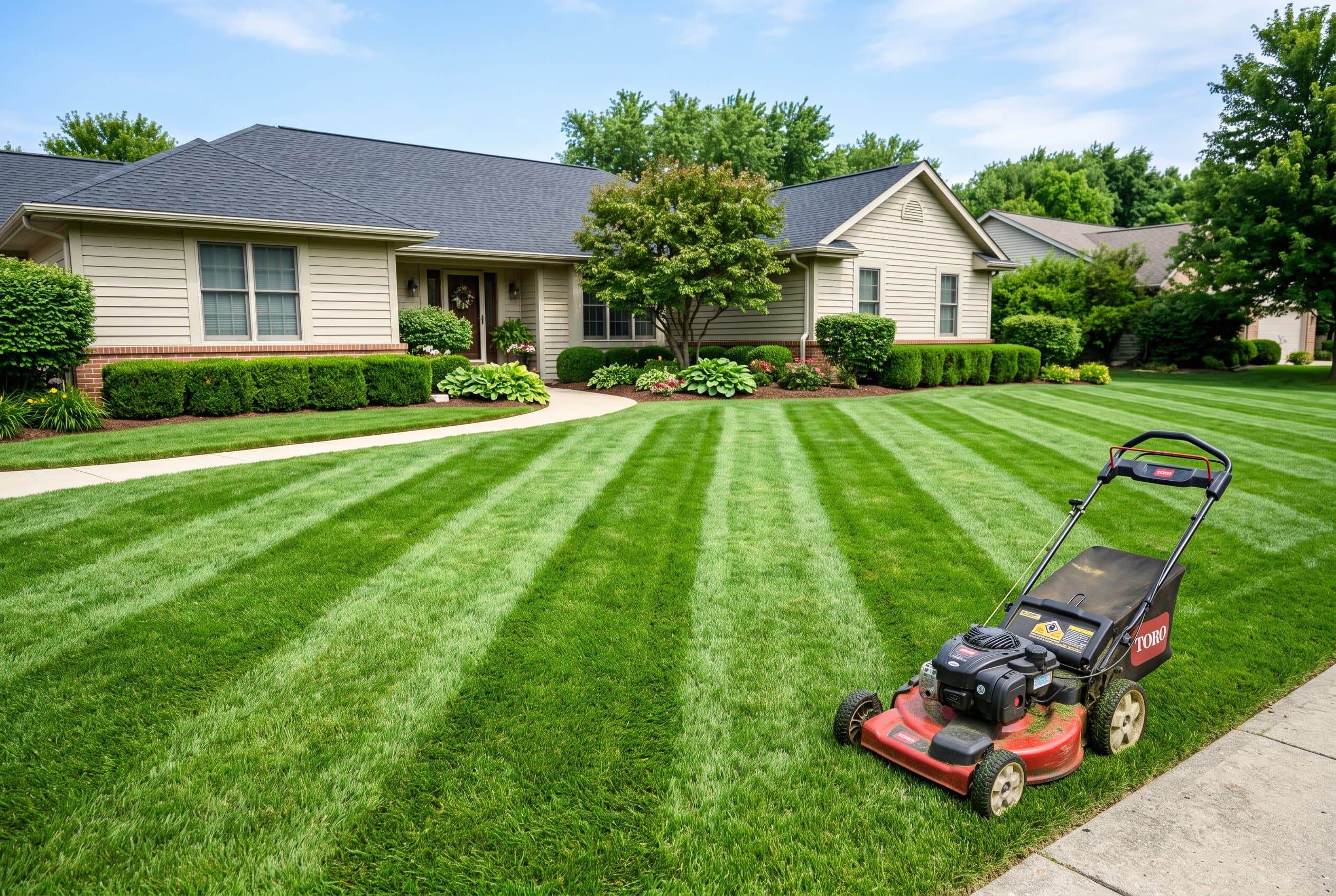
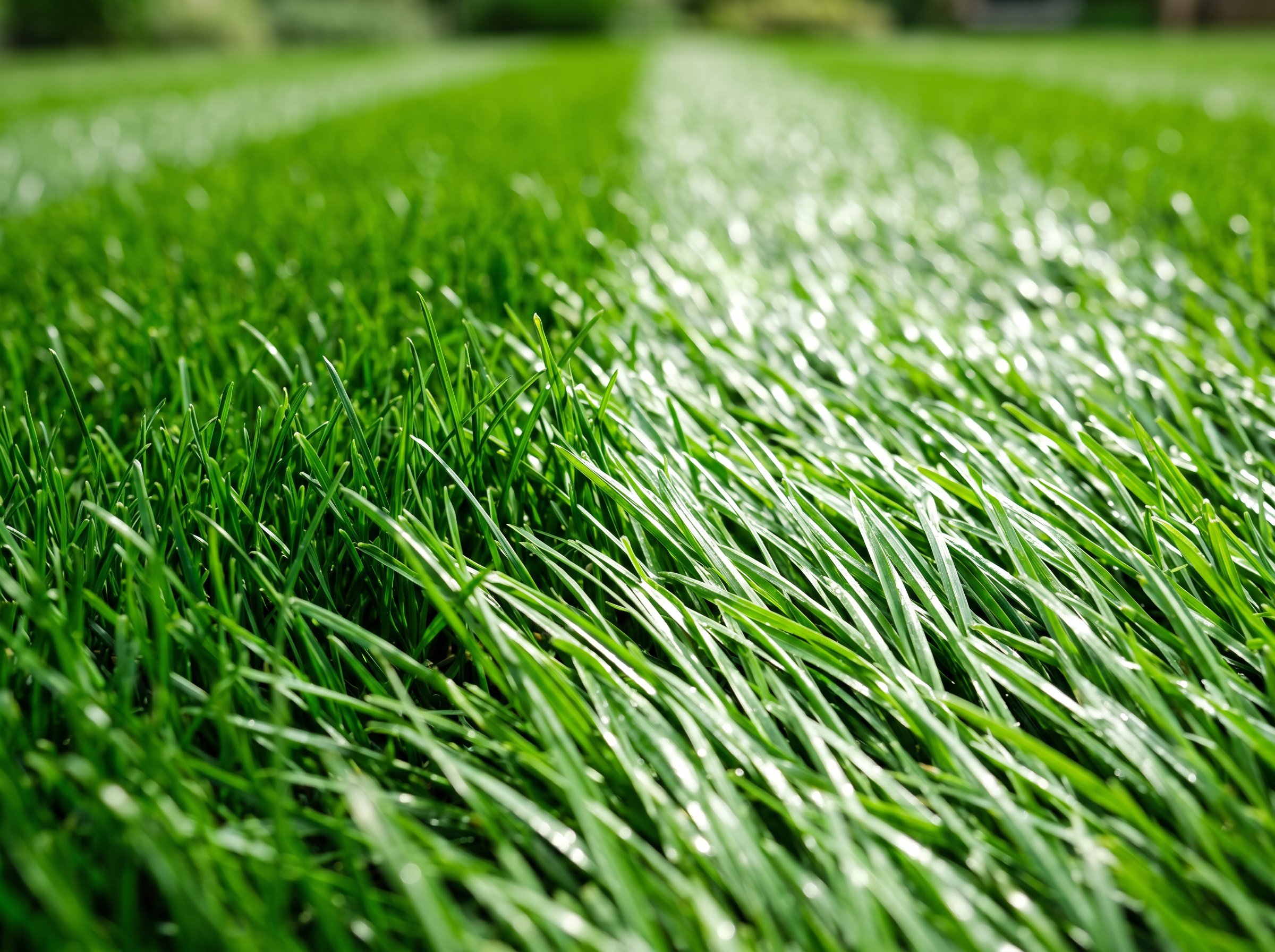
Lawn striping works by bending grass blades in alternating directions so they reflect light differently — light stripes are grass bent toward you, dark stripes are grass bent away. You can achieve professional-looking patterns using a lawn roller, striping kit attachment, or even a standard mower with a rear roller. Most cool-season grasses stripe more vividly than warm-season varieties.
Key Takeaways
- Lawn striping is created by bending grass blades, not changing grass color
- A roller attachment or striping kit makes the effect more dramatic and longer-lasting
- Cool-season grasses like Kentucky bluegrass and tall fescue stripe best
- Mow at 3–4 inches for the boldest stripe contrast
- Alternate your mowing direction each session to prevent grass from leaning permanently
- Climate and transition zones affect striping success — warm-season grasses may require extra effort
Introduction
That crisp, stadium-quality striping you see on baseball fields and golf courses isn't magic — it's geometry and grass physics. Homeowners can recreate these patterns with lawn striping techniques using basic equipment and a little planning. Whether you want simple parallel stripes or an eye-catching diamond grid, understanding the technique makes all the difference[1].
What Equipment Do You Need for Lawn Striping Techniques?
You don't need professional gear to get great results. Here's what actually works — along with a rough sense of cost so you can decide what makes sense for your setup:
Rear-Roller Mowers
Many walk-behind and riding mowers come with a built-in rear roller. This is the simplest setup — the roller bends grass as you mow, creating instant stripes with no extra tools[1]. Walk-behind rear-roller mowers typically range from $300–$600 for entry-level models.
Striping Kit Attachments
Aftermarket striping kits attach to most mowers and include a weighted roller or rubber flap that drags behind the deck. These amplify the stripe effect significantly and are worth the investment if you mow regularly[2]. Most kits run $50–$150 and are a cost-effective upgrade before committing to a new mower.
Lawn Rollers
A water-filled lawn roller pulled behind a mower or tractor delivers bold, lasting stripes. Fill it only 1/3 to 1/2 full — for a typical 0.25-acre residential lawn, 1/3 full provides optimal results without compaction risk. A fully loaded roller can compact soil and damage roots[3]. Rentable rollers typically cost $30–$50 per day if you prefer not to purchase.
Standard Push Mowers
Even without a roller, a standard mower creates light striping. The effect is subtler but still visible, especially on well-maintained, slightly taller grass. This is the zero-cost starting point before investing in additional equipment.
How Do You Create Different Stripe Patterns?
This is where lawn striping gets creative. Start with the basics before attempting complex designs.
Straight Stripes (Beginner)
The foundation of all patterns. Pick a straight reference line — a sidewalk, fence, or driveway edge — and mow parallel to it. On your return pass, mow in the exact opposite direction. Overlap each pass by a few inches for clean edges[1].
Pro tip: Always mow a border strip around the lawn perimeter first. This gives you a turning lane and frames the pattern cleanly.
Checkerboard Pattern (Intermediate)
Mow your full set of parallel stripes. Then mow the entire lawn again at a 90-degree angle to the first passes. The intersecting bent-grass directions create a classic checkerboard effect[2].
Diamond Pattern (Intermediate)
Same concept as checkerboard, but mow your second set of passes at a 45-degree angle to the first. The result is a diamond grid that looks complex but requires only two mowing sessions.
Curved and Wave Patterns (Advanced)
Freehand curves require a steady hand and good spatial awareness. Start with a single curved reference line, then mirror it on subsequent passes. These patterns work especially well on larger lawns with open, unobstructed areas.
Which Grass Types Stripe Best?
Not all grass stripes equally. The longer and more flexible the blade, the more vivid the stripe effect[4].
Best striping grasses:
- Kentucky bluegrass — vivid contrast, excellent stripe retention
- Tall fescue — strong blades hold bends well
- Perennial ryegrass — stripes well, especially when overseeded
- Fine fescue — works in shaded or low-maintenance lawns
Harder to stripe:
- Bermudagrass — short, stiff blades resist bending[5]
- Zoysiagrass — dense growth limits blade movement
- St. Augustinegrass — coarse blades offer minimal contrast
Warm-season grass owners in transition zones — where cool and warm climates overlap — face added challenges. Grass may behave like a warm-season variety in summer and a cool-season variety in fall, making consistent stripe results harder to predict[6]. Mow slightly higher than usual (3 inches) and use a heavier roller for better results regardless of grass type.
Seasonal Considerations for Lawn Striping Techniques
Stripe visibility changes with the seasons. Cool-season grasses look their best in spring and fall when growth is vigorous and blades are lush[4]. Avoid heavy rolling during summer heat stress or drought — compressing weakened grass can cause lasting damage[3].
For warm-season grasses, late spring through early fall during active growth produces the clearest patterns. In transition zones, results may vary depending on whether your lawn is coming out of dormancy or entering heat stress — monitor grass health before rolling[6]. Always mow when the grass is dry — wet grass clumps and blurs stripe lines.
Mowing height reminder: Raise your deck to 3–4 inches. Taller blades bend more dramatically and create stronger contrast. Scalped lawns produce almost no stripe effect[1].
Conclusion: Your Next Steps
Start simple. Mow your first set of straight stripes this weekend using whatever equipment you have. Assess the contrast, then decide if a striping kit or roller would improve your results. Once you're comfortable with straight lines, graduate to a checkerboard on your next two mowing sessions. Consistent mowing height, sharp mower blades, and healthy grass are the real secrets behind every impressive lawn pattern — the technique just shows off what's already there.