Quick Answer
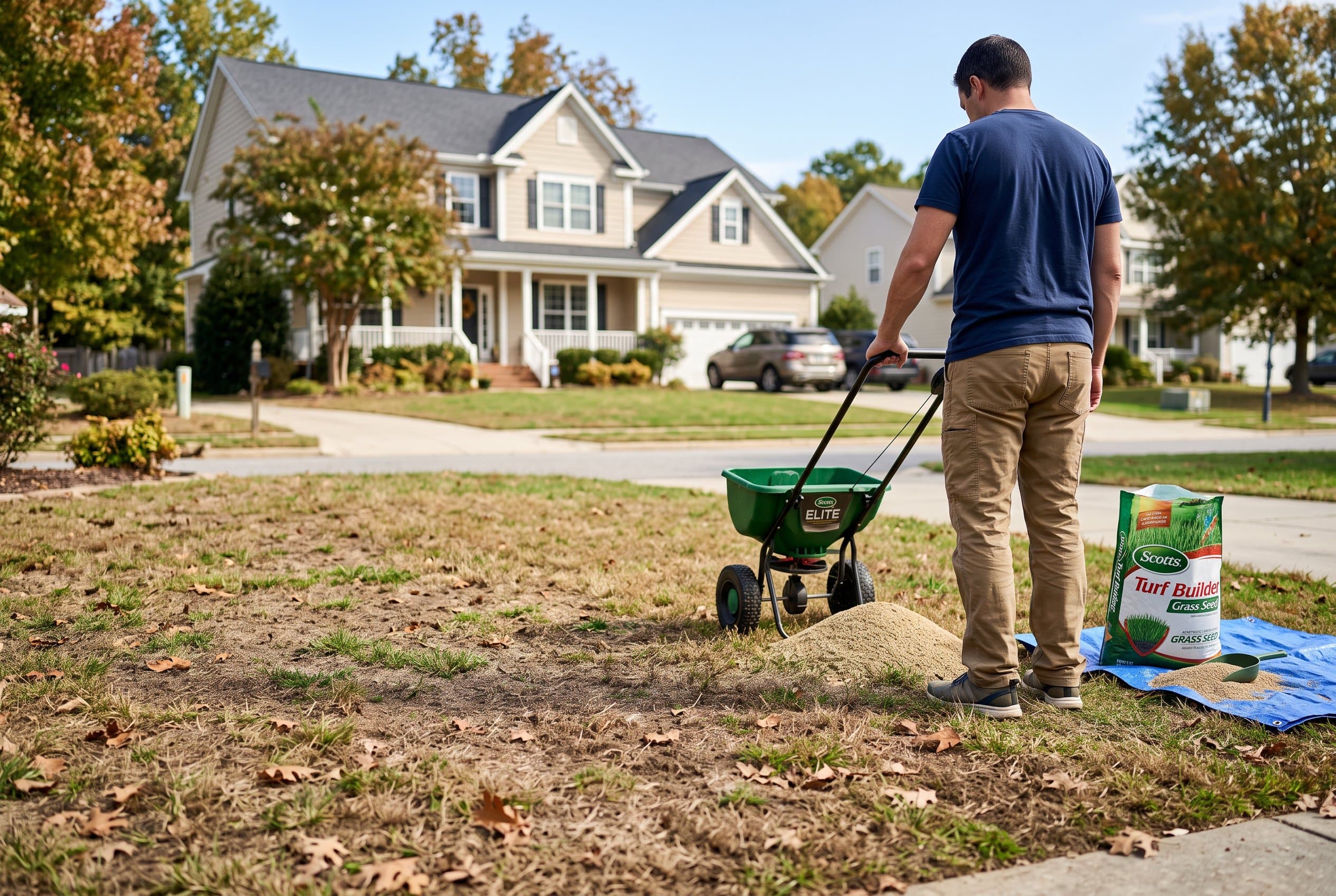
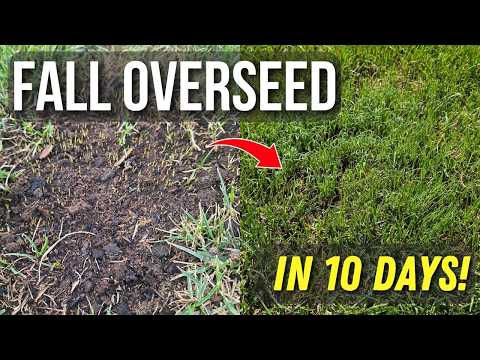
The best time to overseed a cool-season lawn in fall is when soil temperatures are between 50–65°F, typically 45–60 days before the first expected frost. For most homeowners in the northern U.S., this window falls between late August and mid-October depending on your region.
Key Takeaways
- Soil temperature matters more than air temperature — target 50–65°F for best germination
- Overseed at least 45 days before your first expected frost to let seedlings establish
- Warm-season grasses like bermudagrass generally should NOT be overseeded in fall for perennial thickening
- Mow existing grass shorter before overseeding to improve seed-to-soil contact
- Water lightly and consistently (2–3 times per day) until seedlings reach mowing height
Introduction
Fall is the ideal season to overseed cool-season lawns. Warm soil, cooler air, and reliable rainfall create perfect conditions for seed germination and root development before winter dormancy. Getting the timing right is the single most important factor in overseeding success — seed too early and heat stress kills seedlings, too late and frost arrives before they establish[1].
What's the Best Window to Overseed in Fall?
The optimal overseeding window depends on your grass type and location, but soil temperature is your most reliable guide.
Cool-Season Grasses (Fescue, Bluegrass, Ryegrass)
Cool-season grasses germinate best when soil temperatures sit between 50–65°F[2]. In the northern U.S. and transition zone, this typically means:
- Northern states (Zone 4–5): Late August to mid-September
- Midwest and Mid-Atlantic (Zone 6): Early to late September
- Transition zone (Zone 7): Mid-September through October
Use a simple soil thermometer (available at most garden centers) to check at a 2–4 inch depth before you seed[3].
Warm-Season Grasses (Bermuda, Zoysia, St. Augustine)
Warm-season grasses enter dormancy in fall, making it a poor time for permanent overseeding. However, some homeowners overseed warm-season lawns with annual ryegrass in fall for temporary winter color — not for long-term thickening[4].
How to Overseed Your Lawn Step by Step
Following the right process makes the difference between patchy results and a thick, uniform stand.
Step 1: Mow Low and Dethatch
Mow existing grass to about 1.5–2 inches. If thatch exceeds ½ inch, dethatch before seeding. This allows seeds to reach the soil surface[2].
Step 2: Aerate the Soil
Core aeration creates small openings that dramatically improve seed-to-soil contact and germination rates. Aerating just before overseeding is one of the most impactful steps you can take[1]. Use our aeration cost calculator to quickly compare DIY rental versus hiring a pro before you schedule.
Step 3: Apply Seed at the Right Rate
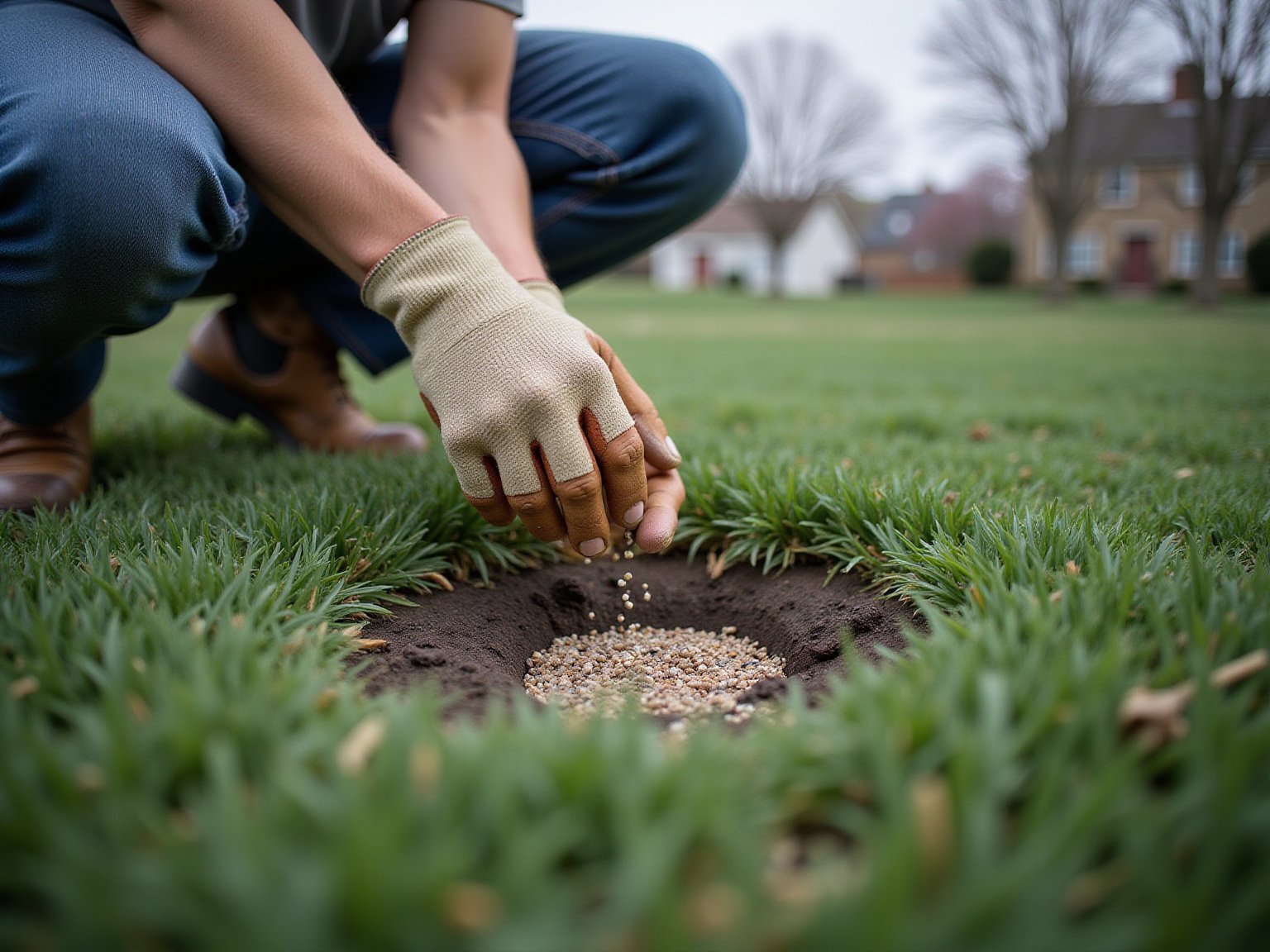
Use a broadcast or slit seeder for even coverage. Apply seed at the rate listed on the bag — overseeding rates are typically half the new-lawn seeding rate. Spread in two perpendicular passes for uniform coverage.
Step 4: Fertilize with a Starter Formula
Apply a starter fertilizer (higher phosphorus ratio) immediately after seeding to fuel root development[5].
Step 5: Water Consistently
Keep the seedbed moist with light, frequent watering — two to three times daily — until germination (7–21 days depending on species). Then reduce frequency as roots deepen[3].
Why Does Fall Timing Give Better Results Than Spring?
Fall overseeding outperforms spring seeding for several reasons[1][2]:
- Warm soil, cool air creates ideal germination conditions with less heat stress
- Fewer weed competitors — annual summer weeds are dying off
- Longer establishment period — seedlings have months to root before summer heat
- Natural rainfall is typically more consistent in fall across much of the U.S.
Spring-seeded lawns must compete immediately with crabgrass and summer annual weeds, and new seedlings face heat stress within weeks of germination.
What If You Miss the Fall Window?
If your region's first frost arrives earlier than expected, or you miss your window, avoid seeding. Seedlings that don't establish for at least 4–6 weeks before frost may not survive winter[4]. Instead, plan for a dormant seeding (late fall after the ground cools but before hard freeze) or wait until the following fall for best results.
Dormant seeding works in colder climates — seed sits inert through winter and germinates naturally in early spring as soils warm. Results are less predictable than fall seeding, but it's a reasonable backup option[5].
Conclusion: Take Action This Fall
Don't wait until your lawn looks its worst to think about overseeding. Check your local average frost dates now, order a soil thermometer, and plan to seed when that 50–65°F window opens in your area. For most homeowners, that means targeting the last two weeks of September as your sweet spot. Mow, aerate, seed, fertilize, and water consistently — then enjoy a noticeably thicker lawn by spring.
For region-specific timing, see the California planting calendar which covers the September–October cool-season window across the state's diverse climate zones.