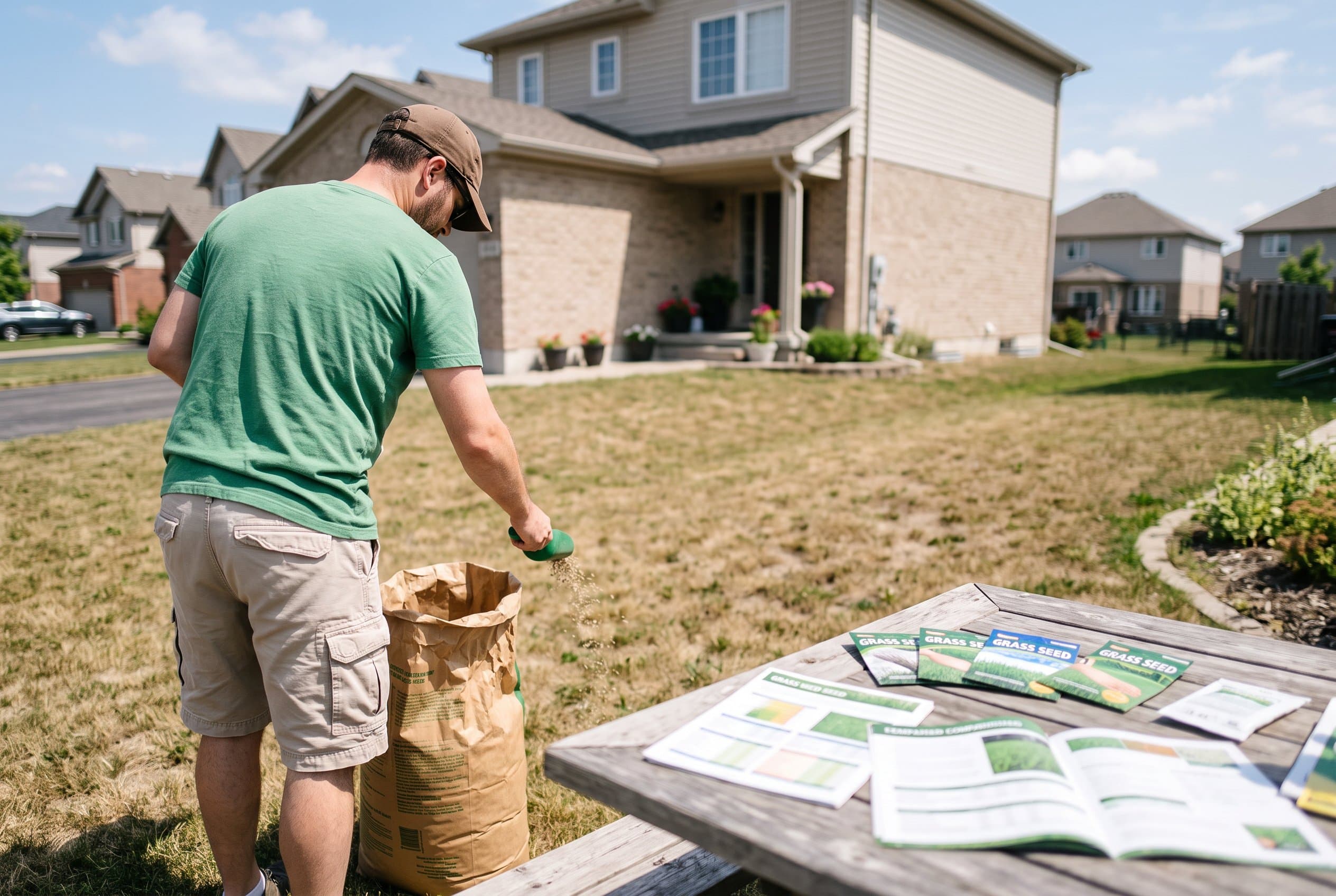

Quick Answer
Grass seed prices in 2026 range from $0.10 to $0.75 per square foot depending on grass type, seed quality, and regional demand. Cool-season blends like fescue and bluegrass tend to cost more than warm-season options, and premium or drought-resistant varieties carry a higher price tag. Shopping early in the season and buying in bulk are the two fastest ways to lower your cost.
Key Takeaways
- Budget grass seed runs $2–$8 per pound; premium varieties can reach $12–$20 per pound
- Seed type matters most: fine fescue blends are affordable, while drought-tolerant buffalo grass or zoysia cost more
- Buying in bulk (5–25 lb bags) typically saves 20–35% compared to small retail bags
- Pre-season purchasing (late winter/early spring) often locks in lower prices before demand peaks
- Seed quality (germination rate, weed seed percentage) affects long-term value more than sticker price
Introduction
If you're planning a lawn renovation or overseeding project in 2026, knowing what grass seed costs — and why — can help you budget smarter and avoid overspending. Prices fluctuate based on fuel costs, seed supply, climate events, and regional demand[1]. This guide breaks down what homeowners can realistically expect to pay and how to stretch every dollar.
What Do Different Grass Seed Types Cost in 2026?
Grass seed prices vary significantly by species. Here's a practical breakdown by category:
Cool-Season Grasses (Northeast, Midwest, Pacific Northwest)
- Tall fescue blends: $4–$9 per pound — widely available, durable, and popular for transition zones[2]
- Kentucky bluegrass: $5–$12 per pound — slower to establish but dense; often blended with fescue
- Fine fescue: $3–$7 per pound — low-maintenance and shade-tolerant; a budget-friendly option[3]
- Perennial ryegrass: $2–$6 per pound — fast germination; ideal for overseeding bare spots
Warm-Season Grasses (South, Southwest)
- Bermudagrass: $4–$8 per pound — heat-tolerant and widely used across southern states[4]
- Zoysia: $8–$15 per pound — slow to establish but low-maintenance once settled
- Buffalograss: $6–$14 per pound — native, drought-resistant, and gaining popularity in arid regions[5]
- Centipede grass: $5–$10 per pound — low-fertility needs; great for the Southeast
What Affects Price?
Several factors push prices up or down each year:
- Drought or flooding in seed-growing regions (Pacific Northwest and Oregon are major producers) can reduce supply and raise prices
- Fuel and shipping costs affect retail pricing nationally
- New cultivar development — improved disease-resistant or water-efficient varieties often carry a premium[1]
How to Compare Grass Seed Value (Not Just Price)
The cheapest bag isn't always the best deal. Here's how to evaluate real value before you buy:
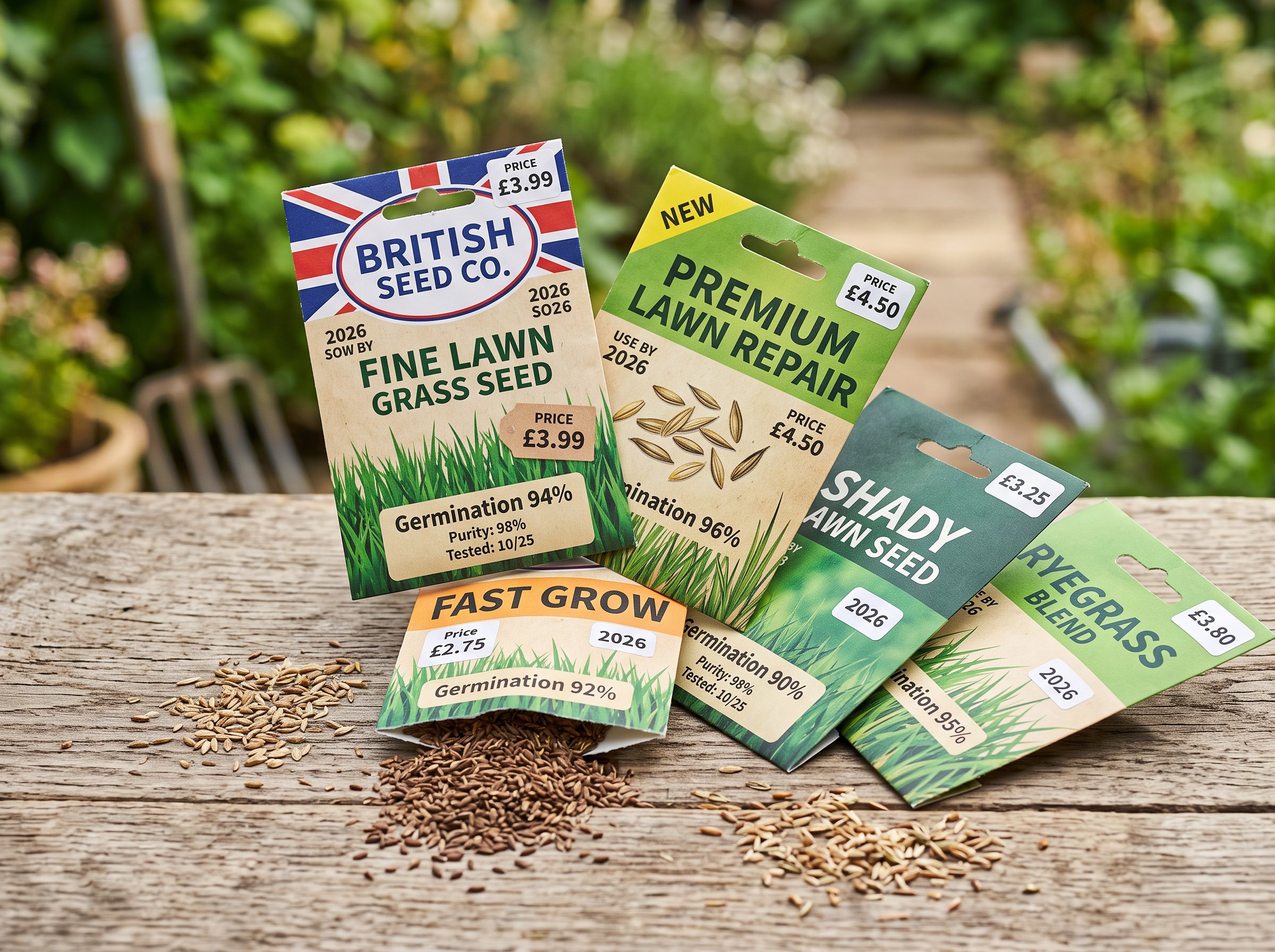
Read the Seed Label
Every bag is required to list key quality data. Look for:
- Germination rate: Aim for 85% or higher. A 70% germination bag at a lower price may require you to buy more seed overall[6]
- Weed seed percentage: Should be 0.00% or as close as possible
- Inert matter: Lower is better — this is filler with no germination value
- Tested date: Seed tested within the last 9–12 months performs best
Calculate Cost Per 1,000 Sq Ft
Divide the bag price by coverage area listed on the label. A $25 bag covering 4,000 sq ft costs $6.25 per 1,000 sq ft — often cheaper than a $15 bag covering only 1,500 sq ft.
Buy Bulk When Possible
Warehouse-style retailers and agricultural co-ops often sell 25–50 lb bags at wholesale-adjacent prices. This makes sense if you're seeding more than 2,000–3,000 sq ft or plan to overseed annually[3].
When Is the Best Time to Buy Grass Seed in 2026?
Timing your purchase can save you 15–30% compared to peak-season buying.
Buy Before Demand Peaks
- Cool-season lawns: Purchase seed in late winter (January–February) before spring rush hits. Fall seeding (August–September) is actually ideal for cool-season grasses, so stock up in summer when demand dips[2]
- Warm-season lawns: Buy in late winter before spring planting demand spikes in April–May[4]
Watch for End-of-Season Sales
Many retailers discount leftover seed inventory in October–November. If the tested date is current and you have proper storage (cool, dry, sealed container), seed bought on clearance can be viable for the following season[6].
Check Local Agricultural Co-ops
Co-ops often supply the same seed sold in branded retail bags at 20–40% lower prices. You may need to know the specific cultivar you want, but the savings are real — especially for large areas.
Conclusion: Smart Steps for 2026 Lawn Seeding
Grass seed prices in 2026 are shaped by supply, climate, and demand — but you have more control over what you pay than you might think. Start by identifying the right seed type for your region and grass zone[5]. Then compare value using the seed label, not just sticker price. Buy in bulk, shop early, and consider co-ops or agricultural suppliers for the best deals. A little planning upfront means a healthier lawn without overspending.