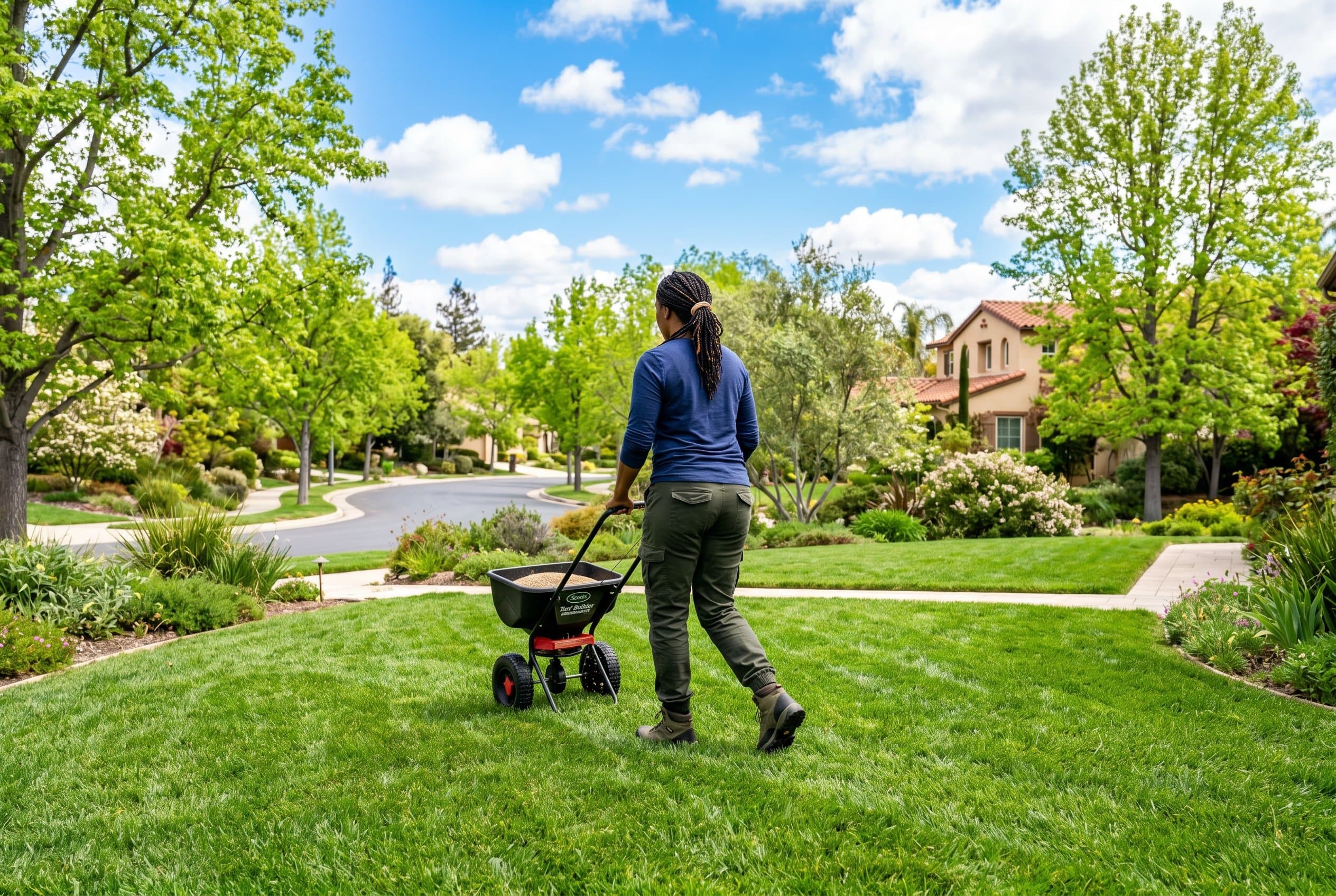
Quick Answer: In California, plant cool-season grasses like tall fescue and Kentucky bluegrass in September through October for best establishment, while warm-season grasses like Bermudagrass and St. Augustinegrass should be planted from April through June when soil temperatures consistently reach 65-70°F.
Key Takeaways
- September-October offers ideal conditions for cool-season grasses across most California zones
- April-June provides optimal warm-season grass planting windows
- Coastal areas extend planting seasons due to moderate Mediterranean climate
- Inland valleys require careful timing to avoid extreme summer heat
- Mountain zones (5a-7a) have shorter planting windows due to frost risk
Introduction
California's diverse climate zones present unique challenges for grass seed planting, spanning from Mediterranean coastal regions to hot inland valleys and mountainous areas across USDA hardiness zones 5a through 11a. With annual rainfall averaging just 22 inches and dramatic temperature variations between regions, timing your grass seeding correctly is crucial for establishing a healthy lawn that can withstand the state's dry summers and mild winters[1].
What Are the Best Months to Plant Grass Seed in California?
The optimal planting months depend on your grass type and specific location within California's varied climate zones. Cool-season grasses like tall fescue and Kentucky bluegrass thrive when planted during September and October, taking advantage of cooler temperatures and increased moisture availability[2]. These months provide ideal germination conditions with average temperatures ranging from 60-75°F.
Warm-season grasses including Bermudagrass, St. Augustinegrass, and zoysiagrass require soil temperatures consistently above 65°F for proper germination. Plant these varieties from April through June, when soil has warmed sufficiently but before the intense summer heat arrives[3].
Coastal regions benefit from extended planting windows due to moderate year-round temperatures, while inland valleys experience more restrictive timing due to extreme summer heat that can exceed 100°F. Mountain areas in zones 5a-7a face additional frost considerations that narrow planting opportunities.
How Does California's Climate Affect Grass Seed Timing?
California's Mediterranean climate creates distinct wet and dry seasons that significantly impact grass establishment success. The state's low to moderate humidity levels and 22-inch average annual rainfall concentrate most moisture between November and March[4].
Fall seeding allows cool-season grasses to establish root systems during mild autumn weather and benefit from winter rainfall. This timing helps new grass survive the challenging dry summer months ahead. Spring seeding of cool-season varieties often struggles due to rapid onset of hot, dry conditions.
Warm-season grasses planted in late spring can establish during their peak growing season while still receiving some natural moisture. However, supplemental irrigation becomes critical as California's dry season intensifies through summer and fall.
Regional variations require adjusted timing strategies. Coastal areas maintain more consistent moisture and temperatures, extending viable planting periods. Desert regions in southern California may require earlier spring planting to establish before extreme heat arrives.
Which Grass Types Should You Choose for California?
Selecting appropriate grass varieties significantly impacts seeding success across California's diverse conditions. Tall fescue stands as the most popular cool-season choice due to its drought tolerance and ability to withstand foot traffic[5]. This grass performs well in transition zones and handles California's dry summers better than other cool-season options.
Kentucky bluegrass creates attractive, dense lawns but requires more water than fescue varieties. It's best suited for coastal areas with moderate temperatures and higher moisture availability.
Bermudagrass dominates warm-season selections, thriving in hot inland valleys and southern regions. It enters dormancy during winter months but provides excellent drought tolerance once established. St. Augustinegrass offers good shade tolerance for areas under trees or structures.
Drought-tolerant options like UC Verde buffalograss deserve consideration given California's water restrictions and environmental concerns. These native and adapted grasses require less irrigation once established, making them increasingly popular for sustainable landscaping[6].
What Preparation Steps Ensure Seeding Success?
Proper site preparation dramatically improves germination rates and long-term lawn health. Begin soil preparation 2-3 weeks before your target seeding date to allow settling time.
Soil testing reveals pH levels and nutrient deficiencies that could hinder grass establishment. California soils often require amendments to achieve optimal pH ranges between 6.0-7.0 for most grass types.
Remove existing weeds and debris, as competition from established weeds like crabgrass and annual bluegrass can overwhelm new seedlings. Apply pre-emergent herbicides carefully, ensuring they won't interfere with desired grass germination.
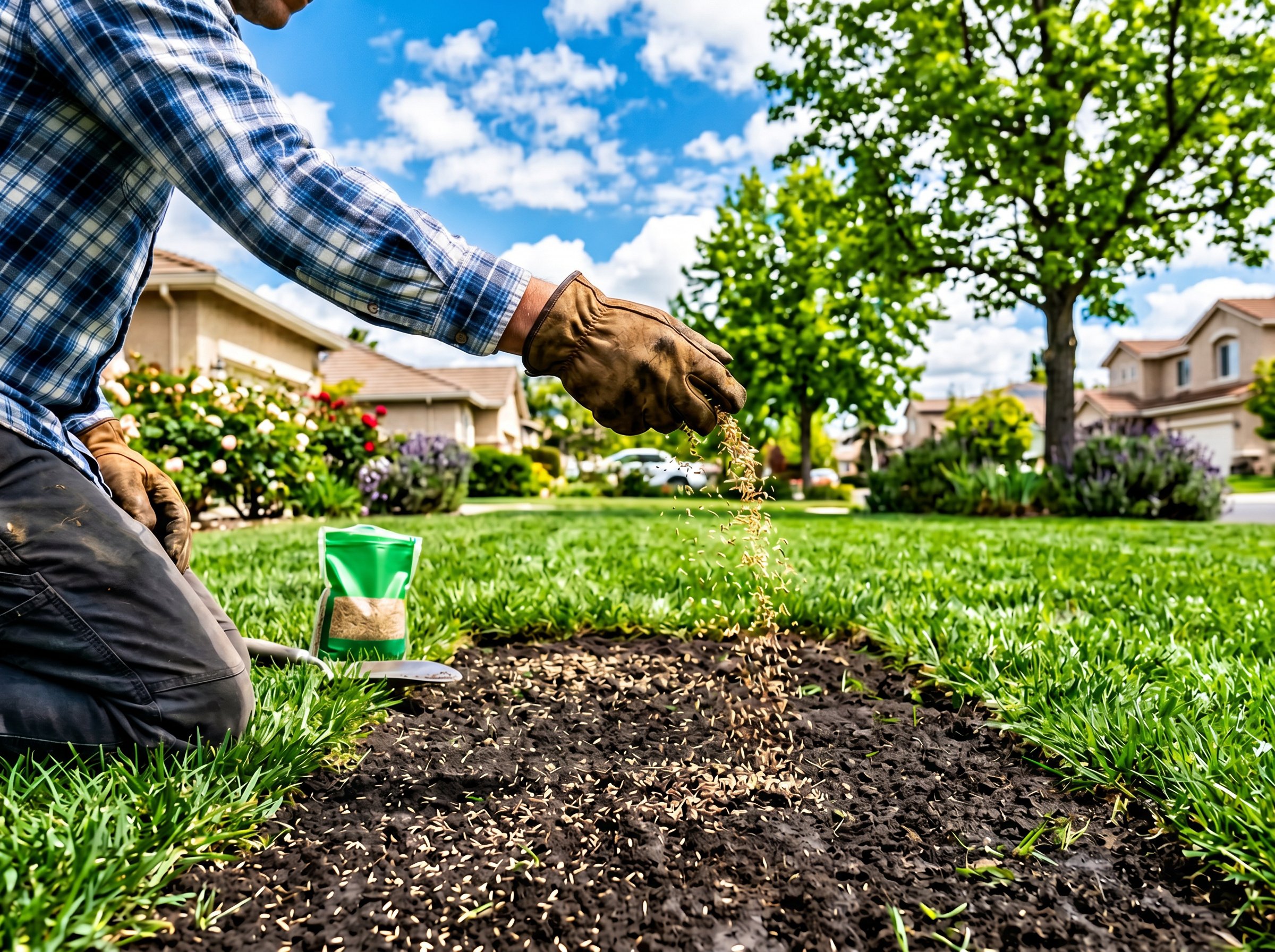
Before seeding, core aerate to break up compaction — use our aeration cost calculator to estimate professional service cost before booking — then till or rake the soil to create a level seedbed with good seed-to-soil contact. Light rolling after seeding helps ensure proper contact without burying seeds too deeply.
Establish reliable irrigation before seeding, as consistent moisture is critical during the 2-4 week germination period. California's dry climate makes supplemental watering essential for seeding success.
Conclusion
Successful grass seeding in California requires careful attention to timing, grass selection, and regional climate variations. Focus on September-October planting for cool-season grasses and April-June for warm-season varieties, adjusting for your specific location within the state's diverse climate zones. Proper preparation and consistent watering during establishment will help your new lawn thrive in California's challenging conditions. Start planning your seeding project now by testing your soil and selecting appropriate grass varieties for your region's unique requirements.