
Quick Answer
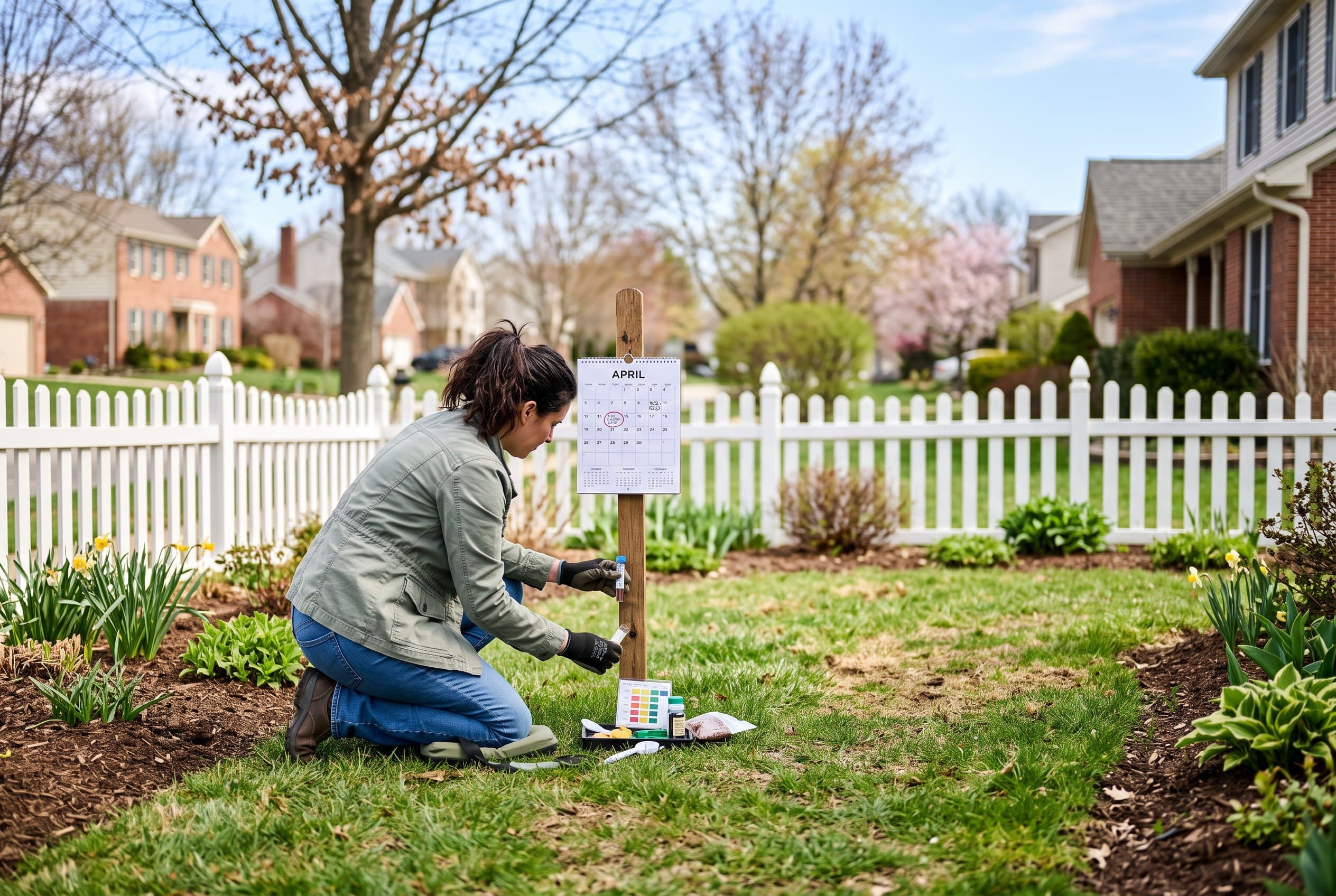
Zone 6 homeowners should focus cool-season grass care in spring (March–May) and fall (September–October), with summer maintenance keeping turf stress-free during heat. Your lawn calendar revolves around soil temperatures — not just the date on the calendar. Knowing your frost window (typically last frost in April, first frost in October) keeps every task on track[1].
Key Takeaways
- Zone 6 spans a wide swath of the U.S. including Missouri, Kansas, Virginia, and parts of the Mid-Atlantic, favoring cool-season grasses like tall fescue, Kentucky bluegrass, and perennial ryegrass
- Spring and fall are your prime windows for seeding, fertilizing, and aerating
- Summer tasks focus on mowing height, watering, and avoiding stress — not heavy feeding
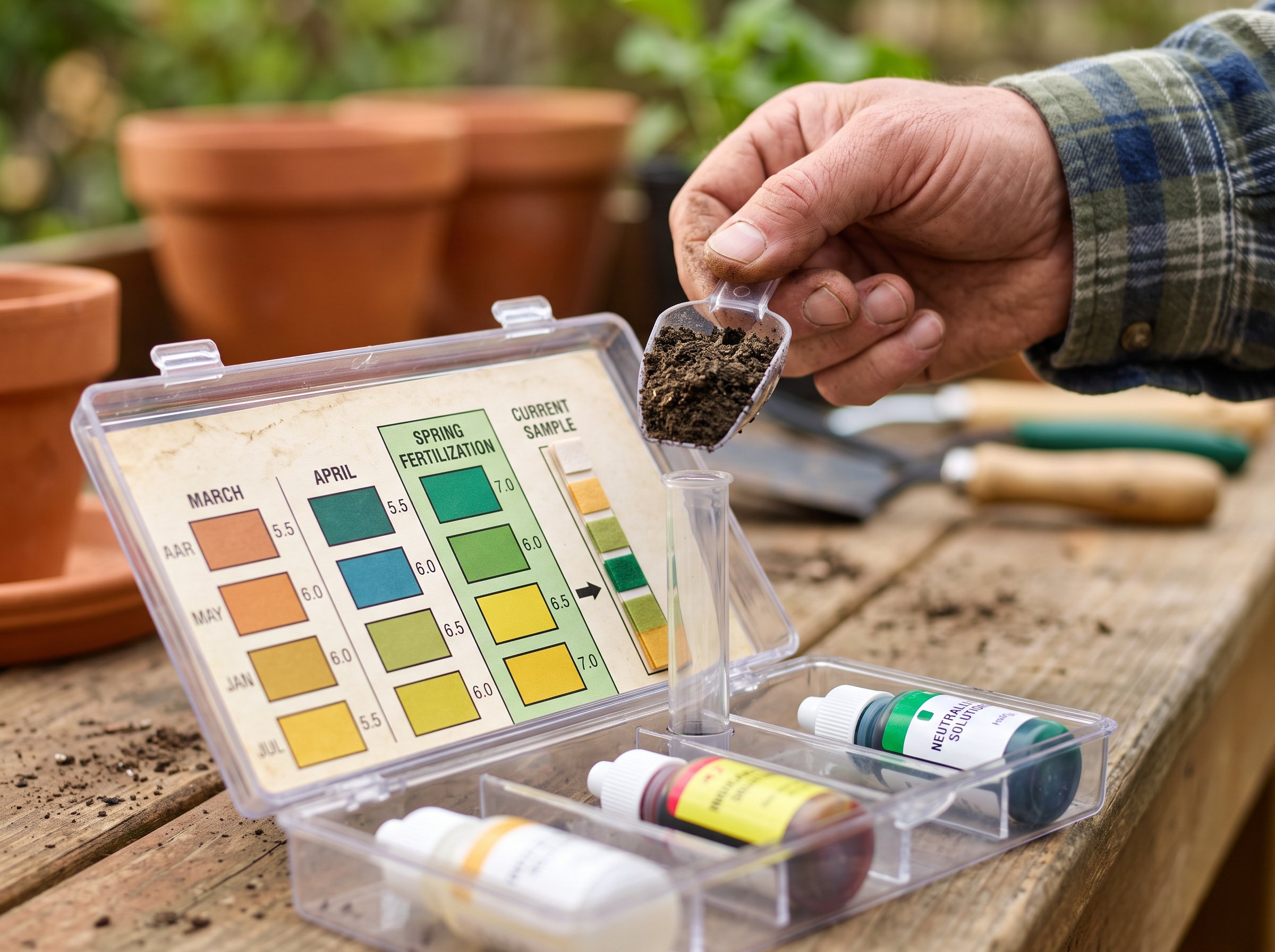
- Soil testing in spring or fall helps you fertilize smarter, not harder
- Winterizing in late October to early November protects roots and sets up a strong spring green-up
Introduction
Zone 6 is a transition region — cold enough for cool-season grasses to thrive, but warm enough that summer heat can push your lawn to its limits. The key to a great zone 6 lawn is timing: doing the right task at the right soil temperature. This month-by-month breakdown gives you a clear, actionable plan no matter where in zone 6 you live[2].
What Should You Do With Your Zone 6 Lawn in Spring?
Spring is your most critical lawn season. As soil temps climb above 50°F, cool-season grasses break dormancy and become receptive to care.
March
- Remove winter debris and give your lawn a light rake to break up matted turf
- Hold off on heavy foot traffic until the soil firms up
- Apply a pre-emergent herbicide when soil temps hit 50–55°F to prevent crabgrass germination[3]
April
- Begin mowing once grass reaches 3–4 inches; keep cool-season grasses at 3–3.5 inches
- Apply your first round of fertilizer (light nitrogen application, around 0.5–0.75 lbs actual nitrogen per 1,000 sq ft)
- Overseed thin or bare areas if you missed fall seeding — soil temps should be 50–65°F for germination[2]
May
- Continue regular mowing; raise mowing height slightly as temperatures increase
- Apply a second fertilizer application if needed; avoid heavy feeding as summer approaches
- Spot-treat broadleaf weeds with a post-emergent herbicide on a dry, calm day
What Does a Month-by-Month Zone 6 Lawn Schedule Look Like?
Here's your visual, action-by-action breakdown across the full growing season:
| Month | Primary Task | Soil Temp Target |
|---|---|---|
| March | Debris cleanup, pre-emergent+crabgrass&tag=amazonlinkp00-20) | 50°F |
| April | First fertilizer, overseeding | 50–65°F |
| May | Weed control, mowing rhythm | 65°F |
| June | Raise mow height, water deeply | 70°F+ |
| July | Minimal intervention, irrigation | 75°F+ |
| August | Watch for grub damage, water | 70–75°F |
| September | Core aerate, overseed, fertilize | 50–65°F |
| October | Second fall fertilizer (winterizer) | 50°F |
| November | Final mow, leaf removal | — |
Fall is arguably more important than spring for zone 6 cool-season lawns[4]. Seeding in September gives grass 6–8 weeks to establish before first frost, and fall fertilization builds root reserves for winter survival.
How Should You Care for a Zone 6 Lawn in Summer?
Summer is a survival season for cool-season grasses. Your goal is to reduce stress, not push growth[3].
- Raise your mowing height to 3.5–4 inches to shade soil and reduce moisture loss
- Water deeply and infrequently — 1 to 1.5 inches per week, ideally in early morning to reduce evaporation and disease risk[5]
- Skip summer fertilizer — feeding nitrogen during heat stress fuels disease and burn
- Watch for grubs — check in late July/August by lifting a 1-square-foot section of turf; more than 5–10 grubs per sq ft warrants treatment[4]
- Allow light dormancy if needed; most healthy cool-season lawns bounce back with fall rains
What Fall Lawn Tasks Matter Most in Zone 6?
Fall is your single best opportunity to improve a struggling zone 6 lawn. Cooler temps and reliable rainfall create ideal conditions for cool-season grass recovery[2].
September
- Core aerate compacted soil — fall aeration is ideal for cool-season lawns
- Overseed immediately after aeration for best seed-to-soil contact
- Apply fall fertilizer (moderate nitrogen to fuel root growth without excessive top growth)
- Get a soil test to catch pH and nutrient imbalances before winter[6]
October
- Apply a winterizer fertilizer (higher potassium formulation) to build cold hardiness
- Continue mowing until grass stops growing; lower mowing height slightly for final cut (around 2.5 inches) to reduce matting
- Keep up with leaf removal — thick leaf layers can smother turf and invite disease
November
- Final mow and cleanup before dormancy
- Drain and winterize irrigation systems before hard freezes arrive
Your Next Steps
Start with where you are in the calendar year and tackle the tasks that match your current season. If you're unsure about your soil's fertility, a soil test is the smartest $15–$20 you'll spend all year. Work from that data to build your fertilizer plan, and let fall seeding and aeration do the heavy lifting for long-term lawn improvement. Stay consistent, respect your soil temps, and zone 6 will reward you with a lawn that looks great from April through November.