Quick Answer
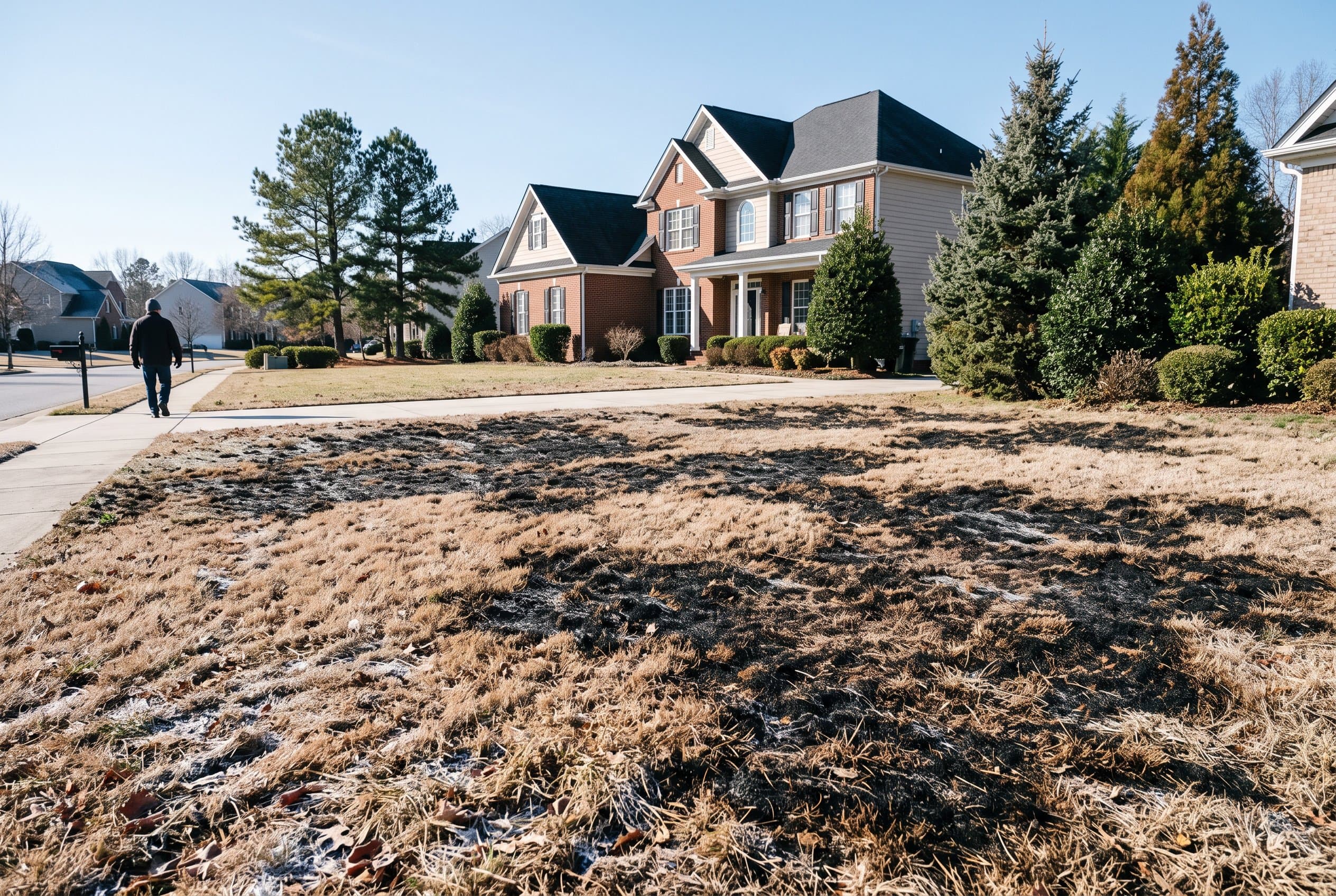
Most frost-damaged lawns recover on their own once temperatures warm and the grass exits dormancy — typically within 2 to 4 weeks of the last freeze. However, severely damaged patches may need overseeding or spot repair. Patience is the most important tool early in the recovery process.
Key Takeaways
- Wait until nighttime temperatures stay consistently above freezing before treating damaged areas
- Avoid walking on frost-covered or frozen grass, which crushes cell walls and worsens damage
- Light frost damage causes temporary discoloration; heavy or repeated freezes can kill grass crowns
- Cool-season grasses like tall fescue and Kentucky bluegrass recover faster than warm-season types
- Overseeding bare patches in spring or fall is the most reliable fix for dead areas
Introduction
Waking up to a lawn covered in brown, wilted, or matted grass after a hard freeze is alarming — but it's not always as bad as it looks. Frost damage ranges from cosmetic discoloration to permanent crown kill, depending on temperature, duration, grass type, and soil moisture. Knowing how to assess the damage and respond correctly can mean the difference between a lawn that bounces back naturally and one that needs significant repair work[1].
How Do You Know If Your Lawn Has Frost Damage?
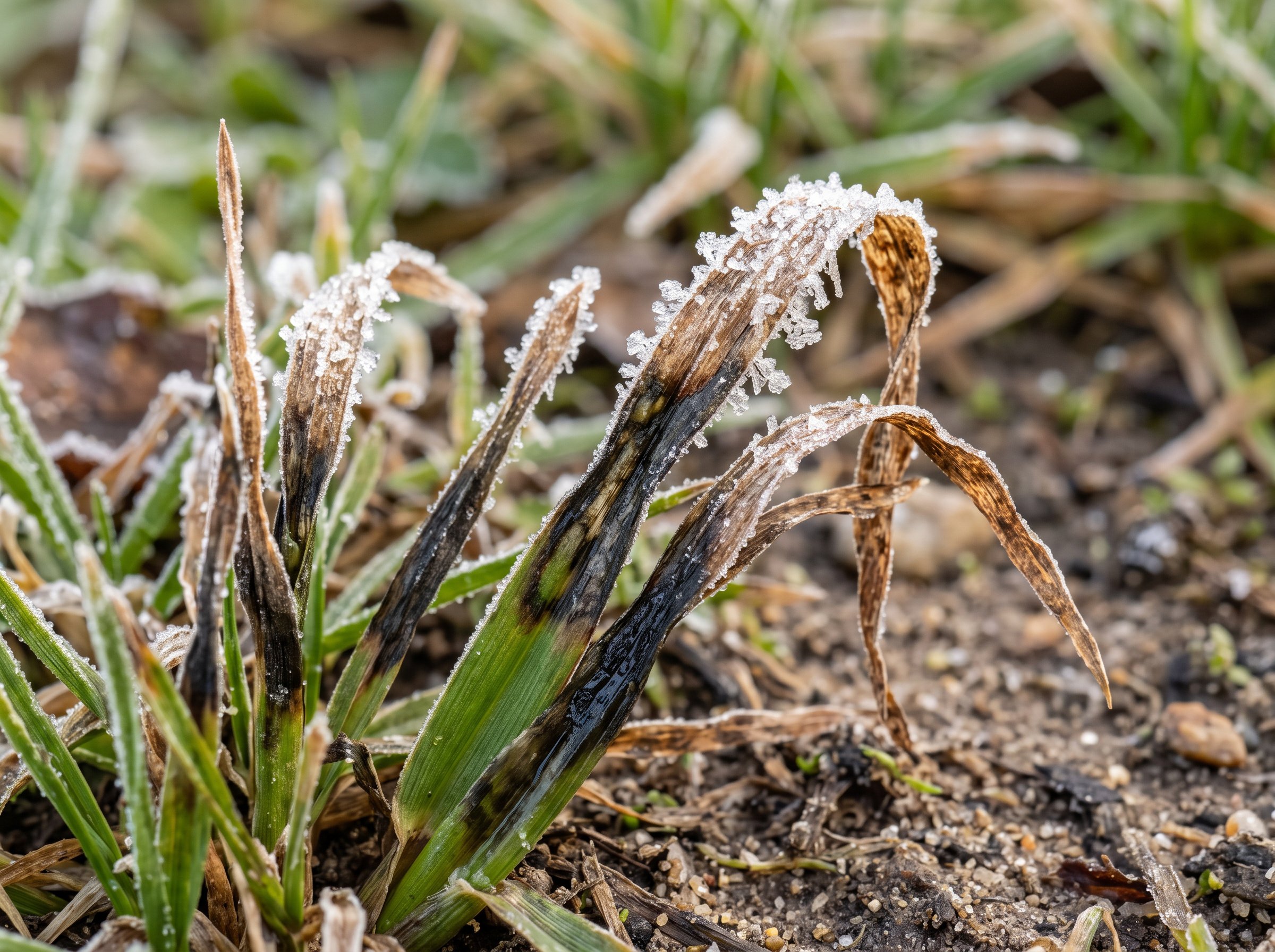
Frost damage shows up in a few recognizable ways. Mild frost causes grass blades to appear water-soaked, wilted, or slightly brown — this usually resolves within a week once temperatures rise[2]. More serious freezes produce tan or straw-colored patches that don't green up within 2 to 3 weeks after warming.
To test whether grass is truly dead or just dormant:
- Pull a handful of grass from a damaged patch — if the crown (the white area just above the soil) is firm and white, the plant is alive
- If the crown is brown, mushy, or pulls away with no resistance, that area is likely dead
- Check multiple spots across your lawn; frost damage is often uneven based on low-lying areas and microclimates[3]
Warm-season grasses like bermudagrass are particularly vulnerable to frost damage and may show complete dormancy or browning after even light freezes[4].
What Steps Help a Frost-Damaged Lawn Recover?
This section covers the most actionable part of recovery — the steps you take in the weeks following a freeze.
Step 1: Stay Off the Lawn Until It Thaws
Walking on frost-covered grass physically damages the frozen cells. Wait until the grass thaws completely each morning before any foot traffic or lawn work[1].
Step 2: Wait Before Fertilizing
Applying nitrogen fertilizer too early pushes new growth before root systems are ready, leaving tender shoots exposed to late frosts. Wait until your area has passed the last expected frost date and grass is actively growing[2].
Step 3: Rake and Remove Dead Material
Once daytime temps are consistently above 50°F, lightly rake out dead or matted grass. This improves air circulation and exposes soil for reseeding if needed.
Step 4: Overseed Bare or Thin Patches
For areas where the grass crown is confirmed dead, overseeding is the most effective fix. Match your seed to the existing grass species and spread at the recommended rate for your region[3]. Keep the seedbed moist until germination.
Step 5: Resume Normal Watering
As temperatures stabilize, return to your regular deep, infrequent watering schedule. Consistent soil moisture supports root recovery and helps new seed establish[5].
When Is It Too Late to Recover from Frost Damage?
For cool-season grasses, spring is an ideal recovery window — overseeding works well when soil temperatures reach 50 to 65°F[2]. Fall is actually the best time to overseed cool-season varieties if spring damage was severe and the lawn is still thin heading into summer[6].
For warm-season grasses like bermudagrass or zoysiagrass, recovery timing depends on the return of warm soil temperatures, typically above 65°F. These grasses green up from their roots and rhizomes — so if the root system survived, regrowth will appear naturally without overseeding[4].
If large sections of warm-season turf fail to show any green growth by late spring, sodding or plugging may be more practical than seeding.
Conclusion: Take a Patient, Step-by-Step Approach
Frost damage looks worse than it usually is. Your action plan:
- Don't rush — wait until frost risk has passed and grass shows signs of active growth
- Assess — probe the crown to distinguish dormancy from death
- Repair — rake, overseed bare patches, and resume watering
- Feed carefully — fertilize only once grass is actively growing and frost risk is past
With the right timing and a little patience, most frost-damaged lawns can look healthy again within a single growing season.