
Quick Answer
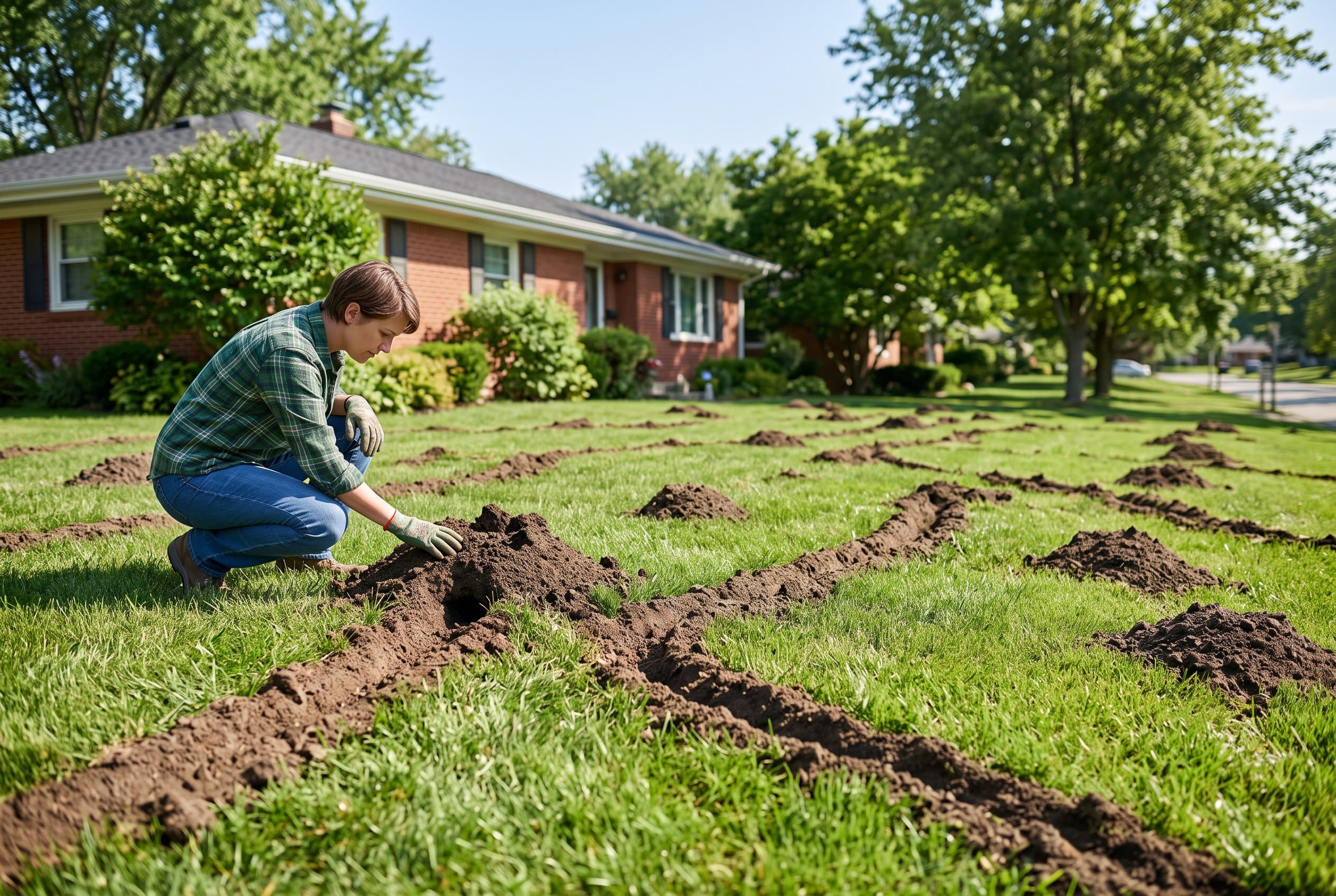
Moles create raised, volcano-shaped mounds and underground tunnels that heave your soil, while voles leave shallow surface runways and chew grass and plant roots at ground level. Identifying which pest you have is the first step, because the control methods are completely different.
Key Takeaways
- Moles are insectivores that tunnel underground after grubs and earthworms — they rarely eat plants
- Voles are rodents that eat grass, roots, and bulbs, causing direct plant damage
- Mole damage appears as raised ridges and dirt mounds; vole damage shows as surface runways and gnawed stems
- Vole damage is most visible in early spring after snow melts
- Controlling grubs reduces mole activity; exclusion and trapping work best for voles
Introduction
Finding mysterious damage in your lawn can be frustrating, especially when you're not sure what creature is responsible. Moles and voles are two of the most common culprits, but they cause very different types of damage and require separate solutions. Misidentifying the pest means wasted time, money, and effort — so let's get it right from the start[1].
What Does Each Type of Damage Look Like?
Knowing the visual signs is the fastest way to identify your problem.
Mole Damage Signs
Moles are built for digging. Their damage appears as[2]:
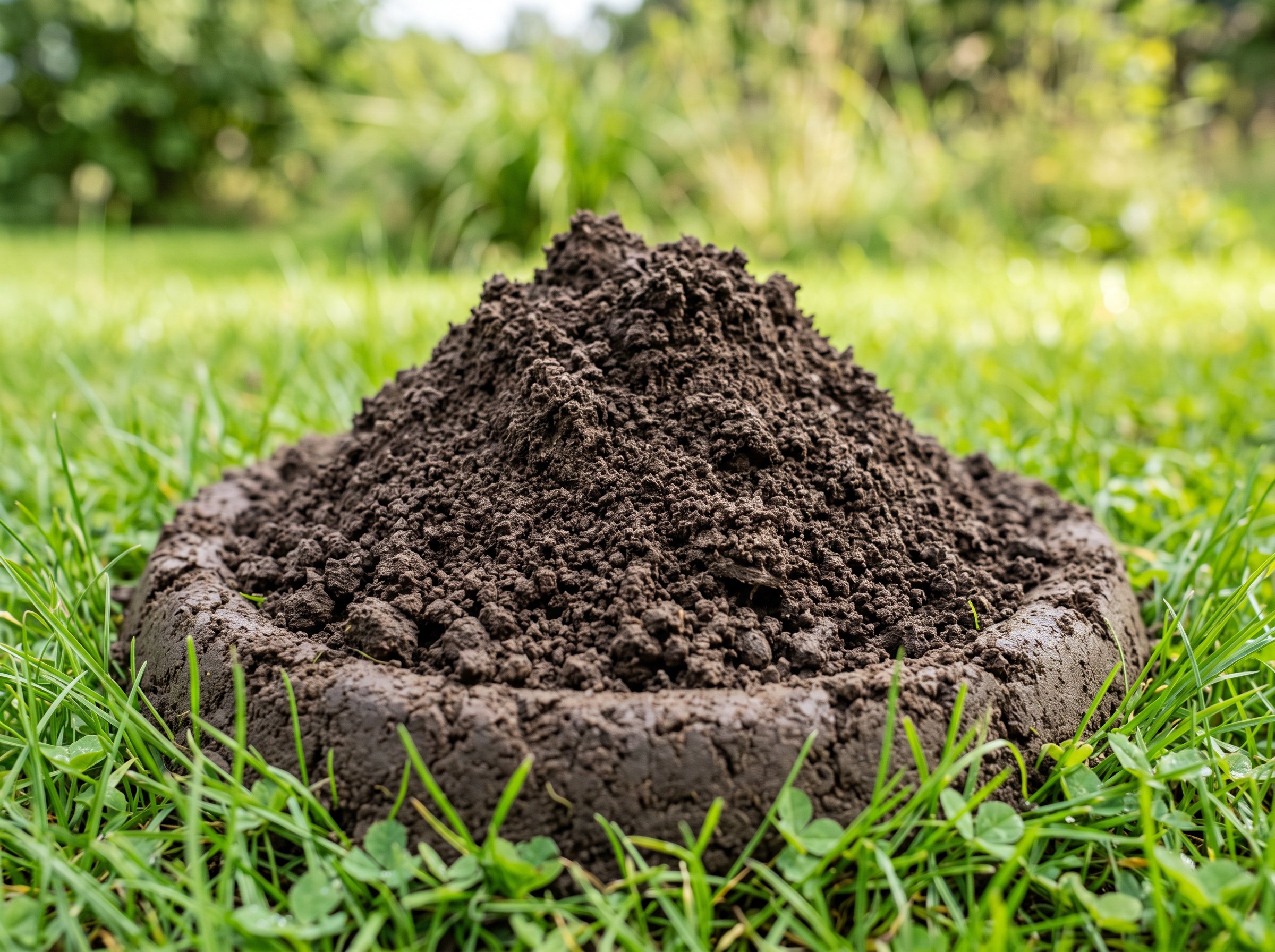
- Raised, volcano-shaped dirt mounds (molehills) scattered across the lawn
- Soft, spongy ridges just beneath the turf surface where tunnels run
- Grass that browns in linear patterns above shallow feeding tunnels
- No visible gnawing on grass blades or plant stems
Moles are active year-round but tunnel most visibly in spring and fall when soil is moist and earthworms are near the surface[3].
Vole Damage Signs
Voles (sometimes called meadow mice) stay near the surface. Look for[1]:
- Narrow, 1–2 inch wide runways worn into the grass or soil
- Chewed grass stems and roots at ground level
- Gnaw marks on tree bark or shrub stems near the base
- Bulbs that have been hollowed out or completely eaten
- Visible runways revealed in early spring after snow melts
Vole vs Mole Lawn Damage Comparison
| Feature | Mole | Vole |
|---|---|---|
| Animal type | Insectivore (not a rodent) | Rodent |
| Primary food | Grubs, earthworms | Grass, roots, bulbs |
| Damage location | Subsurface tunnels | Surface runways |
| Visible mounds | Yes (volcano-shaped) | Rarely |
| Plant destruction | Indirect (root disruption) | Direct (chewing) |
| Most active season | Spring and fall | Year-round; worst in winter |
How to Control Moles in Your Lawn
Since moles follow their food source, reducing grubs is one of the most effective long-term strategies[4]. Apply a grub control product in late spring or early summer before grub populations peak.
For immediate results, mole traps placed in active tunnels are considered the most reliable removal method. Press down a tunnel section with your foot — if it's re-raised within 24 hours, the tunnel is active and a good trap location[2].
- Scissor-jaw or harpoon traps work well in main runs
- Check traps daily and reset as needed
- Repellent granules (castor oil-based) can deter moles in smaller areas
Avoid flooding tunnels or using gas — these methods are largely ineffective and potentially harmful.
How to Control Voles in Your Lawn
Vole populations can explode under snow cover, which is why damage often seems to appear overnight in early spring[5]. Prevention and early action are key.
Exclusion and habitat reduction:
- Mow grass short in fall to eliminate vole cover heading into winter
- Remove heavy mulch, wood piles, and dense vegetation near garden beds
- Install hardware cloth cylinders around tree trunks and shrub bases (bury 6 inches deep)
Trapping and baiting:
- Snap traps (standard mouse traps) baited with peanut butter placed in active runways are highly effective
- Place traps perpendicular to runways for best results
- Rodenticide baits are available but should be used carefully to avoid harming pets and wildlife[6]
Conclusion: Match Your Control Method to the Pest
Start by walking your lawn carefully and looking for the tell-tale signs — raised mounds and spongy ridges point to moles, while surface runways and chewed stems mean voles. Once you've confirmed your pest, act quickly: moles respond best to trapping and grub reduction, while voles need habitat cleanup, exclusion, and snap traps. Check your lawn each spring and fall to catch new activity early before populations grow.