Quick Answer
The three essential spring lawn care tricks are: cutting grass short before dethatching, removing dead material with a dethatcher to allow sunlight penetration, and applying a custom fertilizer blend combining quick-release and slow-release nitrogen for sustained green growth.
Key Takeaways
- Start spring lawn care when you see new grass blade growth and soil temperatures reach the 40°F range
- Dethatching after a short mow removes dead material that blocks sunlight from reaching healthy grass
- A 2:1 blend of quick-release and slow-release fertilizer provides immediate greening plus extended feeding
- Proper timing and technique can make your lawn green up weeks faster than neighbors
Know When to Start Your Spring Lawn Care Routine
Timing is everything when it comes to spring lawn awakening. Rather than relying solely on calendar dates, look for two key indicators: new grass blade growth emerging from the base of existing plants, and soil temperatures consistently reaching the low 40°F range.
Use a soil thermometer inserted 2-3 inches deep to get accurate readings. Even if temperatures seem slightly cool, visible new growth signals that your grass is ready to respond to care efforts. Starting at the right moment gives you a significant advantage in achieving that coveted early green-up. For more strategies on achieving rich color, see our guide on how to get a dark green lawn.
Master the Short Mow and Dethatch Technique
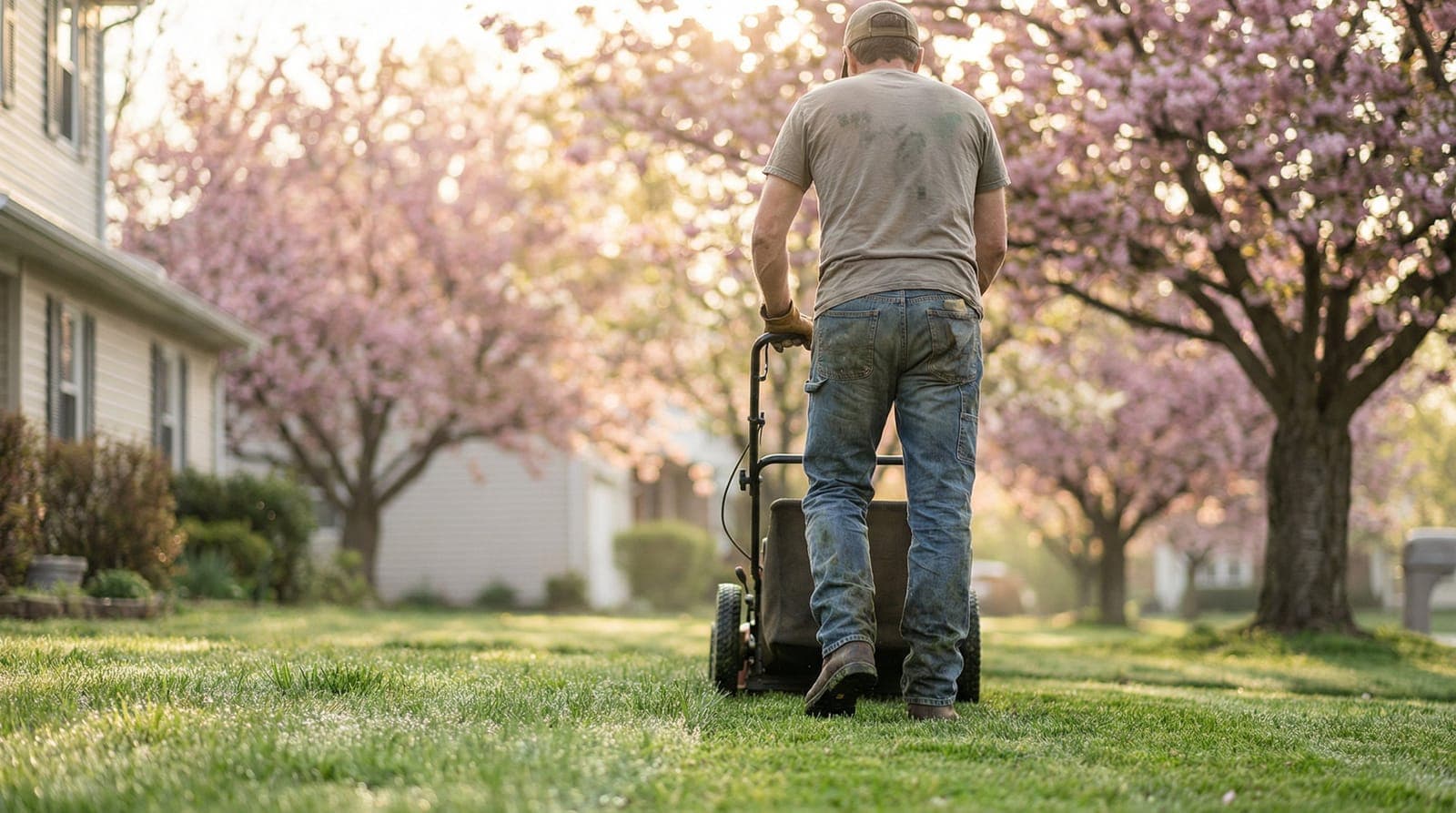
The foundation of rapid spring green-up starts with removing barriers that prevent sunlight from reaching your grass crowns. Begin by mowing your lawn shorter than usual—around one inch—but avoid scalping completely.
This shorter cut prepares your lawn for the crucial dethatching step. Dethatching removes the layer of dead, straw-like material that accumulates over winter and creates shade over healthy grass plants. This organic debris, while natural, significantly slows down the greening process by blocking essential sunlight.
When selecting a dethatcher, you don't need professional-grade scarifying equipment. A quality electric dethatcher with spring-loaded tines works perfectly for most residential lawns. The goal is aggressive raking action that pulls dead material to the surface without damaging healthy grass roots.
After dethatching, use your mower to collect the loosened debris. You'll immediately notice improved lawn appearance even before applying any treatments—this visual improvement demonstrates how much dead material was blocking your grass's potential.
Create a Custom Fertilizer Blend for Extended Results
While standard fertilizers work, creating a strategic blend delivers both immediate results and long-term feeding. If you need help choosing a product first, our best spring fertilizer for lawns guide covers NPK ratios and top picks. The winning combination uses a 2:1 ratio of complementary fertilizer types.
For the base (two-thirds of your mix), use a quality turf builder fertilizer that includes crabgrass pre-emergent. This provides quick-release nitrogen for immediate greening while preventing weed competition during your lawn's vulnerable spring growth period.
For the remaining third, add a premium slow-release fertilizer with extended feeding capabilities. This component prevents the common problem of dramatic early growth followed by gradual decline as the initial fertilizer depletes.
Mixing is simple with the right tools. Use a power drill fitted with a paint mixing auger in a large bucket or wheelbarrow. This creates an even distribution that ensures consistent application across your entire lawn.
Application Tips for Professional Results
Proper application technique maximizes your fertilizer investment and prevents waste or damage. Use a spreader with good control features, including an edge guard to keep fertilizer off walkways and driveways.
When combining different fertilizer granule sizes, set your spreader according to the larger granules—typically the slow-release component. Apply at the light application rate recommended on the slow-release fertilizer packaging.
Timing your application before expected rainfall eliminates the need for immediate watering while ensuring proper activation. However, if no rain is forecast within 48 hours, water lightly to begin the nutrient release process. For detailed irrigation guidance during the growing season, see our spring lawn watering schedule.
Results You Can Expect
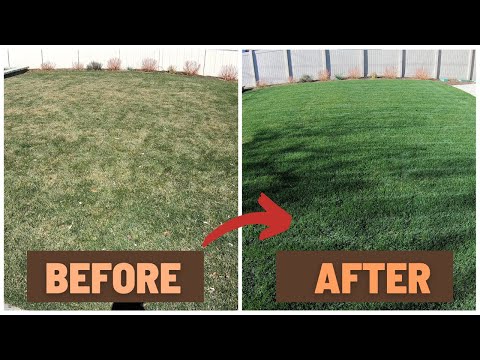
With proper execution of these three techniques, visible improvement begins within days, with dramatic transformation typically occurring within two weeks. The combination of increased sunlight penetration and strategic nutrition creates optimal conditions for rapid chlorophyll production and dense growth.
The key advantage of this approach over standard spring care is the sustained results. Rather than a quick green-up followed by gradual decline, the balanced fertilizer blend maintains consistent color and growth throughout the spring season. Our spring lawn fertilization tips cover additional strategies for keeping that color all year.
Remember that consistency in application and timing makes the difference between good and exceptional results. These techniques work because they address the fundamental needs of grass emerging from winter dormancy: light, nutrition, and proper growing conditions.