Quick Answer
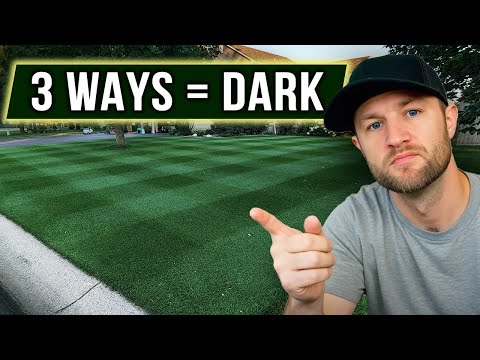
To get a dark green lawn, focus on three key strategies: apply nitrogen-rich fertilizer (look for the first number on fertilizer bags), use iron supplements for quick color enhancement, and consider overseeding with naturally darker grass varieties like perennial ryegrass.
Key Takeaways
- Nitrogen is the most important nutrient for lawn color because it helps produce chlorophyll
- Calculate fertilizer value by determining cost per pound of actual nitrogen content
- Iron provides quick color enhancement but fades within 2 weeks and can stain concrete
- Some grass varieties are genetically limited in how dark they can become
- Overseeding with darker grass varieties offers the most dramatic long-term results
Understanding the Science Behind Dark Green Grass
Achieving that coveted dark green lawn isn't just about luck – it's about understanding what makes grass green in the first place. The secret lies in chlorophyll, the compound that gives plants their green color. Your grass needs adequate nitrogen to produce chlorophyll effectively. Without sufficient nitrogen, even the healthiest grass will appear pale or yellowish instead of that rich, dark green color you're after.
The good news? There are three proven methods that can transform your ordinary lawn into the darkest one in your neighborhood. When combined strategically, these approaches can deliver results that rival professional landscapes.
Method 1: Master the Art of Nitrogen Fertilization
Fertilizer selection can feel overwhelming with countless brands and formulations available, but the key is simpler than you think. Focus exclusively on those three numbers displayed prominently on every fertilizer bag – they represent nitrogen, phosphorus, and potassium percentages respectively.
For lawn color, only the first number (nitrogen) matters. A bag labeled 18-4-6 contains 18% nitrogen, which directly translates to darker grass when applied correctly.
Here's where most homeowners make costly mistakes: they assume higher nitrogen percentages always mean better value. Instead, calculate the actual cost per pound of nitrogen. For example, a 25-pound bag with 16% nitrogen at $50 contains 4 pounds of pure nitrogen, costing $12.50 per pound. Compare this to a 50-pound bag with 12% nitrogen at $70 – it contains 6 pounds of nitrogen at $11.67 per pound, making it the better deal despite the lower percentage.
Following a proper lawn fertilization schedule ensures consistent nitrogen delivery throughout the growing season. For maximum savings, visit local co-ops or feed stores where you can purchase urea or ammonium sulfate directly. These nitrogen-heavy fertilizers offer the best value, though urea requires more careful application due to its concentrated nature. Ammonium sulfate costs slightly more but provides easier, more even coverage and often produces deeper greening effects.
Method 2: Harness the Power of Iron Supplements
Iron offers a different approach to lawn darkening with distinct advantages and drawbacks. Knowing when to apply iron to your lawn is critical for getting the best results. Unlike nitrogen, iron won't accelerate grass growth – it simply enhances color intensity. This makes iron perfect for situations where you want dramatic color improvement without increased mowing frequency.
However, iron comes with important limitations. The color enhancement typically lasts only two weeks before fading, making it more of a short-term solution. Additionally, many iron products can permanently stain concrete surfaces orange or brown if not cleaned up promptly.
While Ironite remains the most recognizable iron product at big box stores, it's notorious for staining and carries a hefty price tag – often $27 for just 5,000 square feet of coverage. Liquid iron alternatives like Feature don't stain concrete and offer better value, though they require spray application equipment and more labor.
For homeowners seeking convenience, combination fertilizers containing both nitrogen and iron provide an elegant two-in-one solution, delivering both immediate color enhancement and sustained feeding.
Method 3: Choose Genetically Superior Grass Varieties
This final method might surprise you, but it's potentially the most impactful: some grass varieties are simply genetically programmed to be darker than others. No amount of fertilizer or iron can push certain grasses beyond their natural color limitations.
If your current grass seems to plateau at a medium green despite proper fertilization, consider overseeding with naturally darker varieties. Perennial ryegrass, particularly newer cultivars developed specifically for color intensity, can dramatically transform your lawn's appearance over time.
Overseeding allows you to gradually introduce darker grass genetics without the expense and disruption of complete lawn renovation. Each growing season, the darker varieties will become more prominent, eventually dominating your lawn's overall appearance.
When you combine superior grass genetics with proper nitrogen fertilization and strategic iron application, the results can be truly spectacular – the kind of lawn that stops traffic and sparks neighborhood conversations.
Putting It All Together
The most dramatic results come from combining all three methods strategically. Start with a soil test to understand your current nitrogen levels, then establish a regular fertilization schedule — our guide on the best time to fertilize your lawn will help — using properly calculated nitrogen rates. Add periodic iron treatments for special occasions or quick color boosts, and consider overseeding with darker varieties during your region's optimal planting seasons.
Remember that sustainable lawn color comes from consistent care — including a proper lawn watering schedule — rather than quick fixes. While iron provides immediate gratification, nitrogen and superior grass genetics deliver long-term results that truly set your lawn apart.