
Quick Answer
To prepare your lawn for winter, fertilize with a slow-release potassium-rich formula in late fall, mow to the correct final height, and aerate if your soil is compacted. Taking these steps in the 4–6 weeks before your first expected frost gives grass the reserves it needs to survive cold temperatures and bounce back strong in spring.
Key Takeaways
- Apply a winterizer fertilizer 4–6 weeks before the first hard frost to strengthen roots
- Mow cool-season grasses to 2–2.5 inches and warm-season grasses to 1–1.5 inches for their final cut
- Aerate compacted soil in fall to improve water and nutrient absorption over winter
- Remove fallen leaves regularly — matted leaves can smother grass and promote disease
- Avoid heavy foot traffic on dormant or frost-covered grass to prevent turf damage
Introduction
Fall is the most important season for lawn care. What you do — or don't do — in the weeks before winter largely determines how healthy your lawn will look next spring. Whether you have a cool-season lawn like Kentucky bluegrass or a warm-season variety like bermudagrass, a focused fall routine sets you up for success[1].
When Should You Start Preparing Your Lawn for Winter?
Timing is everything. For cool-season grasses common in the Midwest and Northeast, begin your winter prep 4–6 weeks before the average first frost — typically September through October[2]. Warm-season grasses in the South and transition zone go dormant later, so preparation shifts to October and November[3].
Watch your local forecast and aim to complete major tasks like aeration and fertilization while soil temperatures are still above 50°F. Below that threshold, grass roots slow their uptake of nutrients significantly, reducing the effectiveness of any fertilizer you apply.
How to Find Your First Frost Date
Check the USDA Plant Hardiness Zone Map or your local cooperative extension office to find your average first frost date. Count back 4–6 weeks from that date to set your start window.
What Steps Should You Take to Winterize Your Lawn?
This is where the real work happens. Follow these core steps in order for the best results.
1. Aerate Compacted Soil
Core aeration pulls small plugs of soil from your lawn, relieving compaction and opening channels for water, oxygen, and nutrients to reach roots[4]. Fall is the ideal time for cool-season grasses because the soil is still warm and grass is actively growing. Use a core aerator (available at most equipment rental shops) and make two passes in perpendicular directions for thorough coverage.
2. Apply a Winterizer Fertilizer
A winterizer fertilizer is high in potassium and phosphorus, which strengthen cell walls and root systems before the ground freezes[2]. Apply it 2–4 weeks after aerating. Use a broadcast spreader for even coverage and always follow package rates — over-fertilizing in fall can stimulate weak, frost-vulnerable growth[5].
3. Overseed Thin or Bare Areas
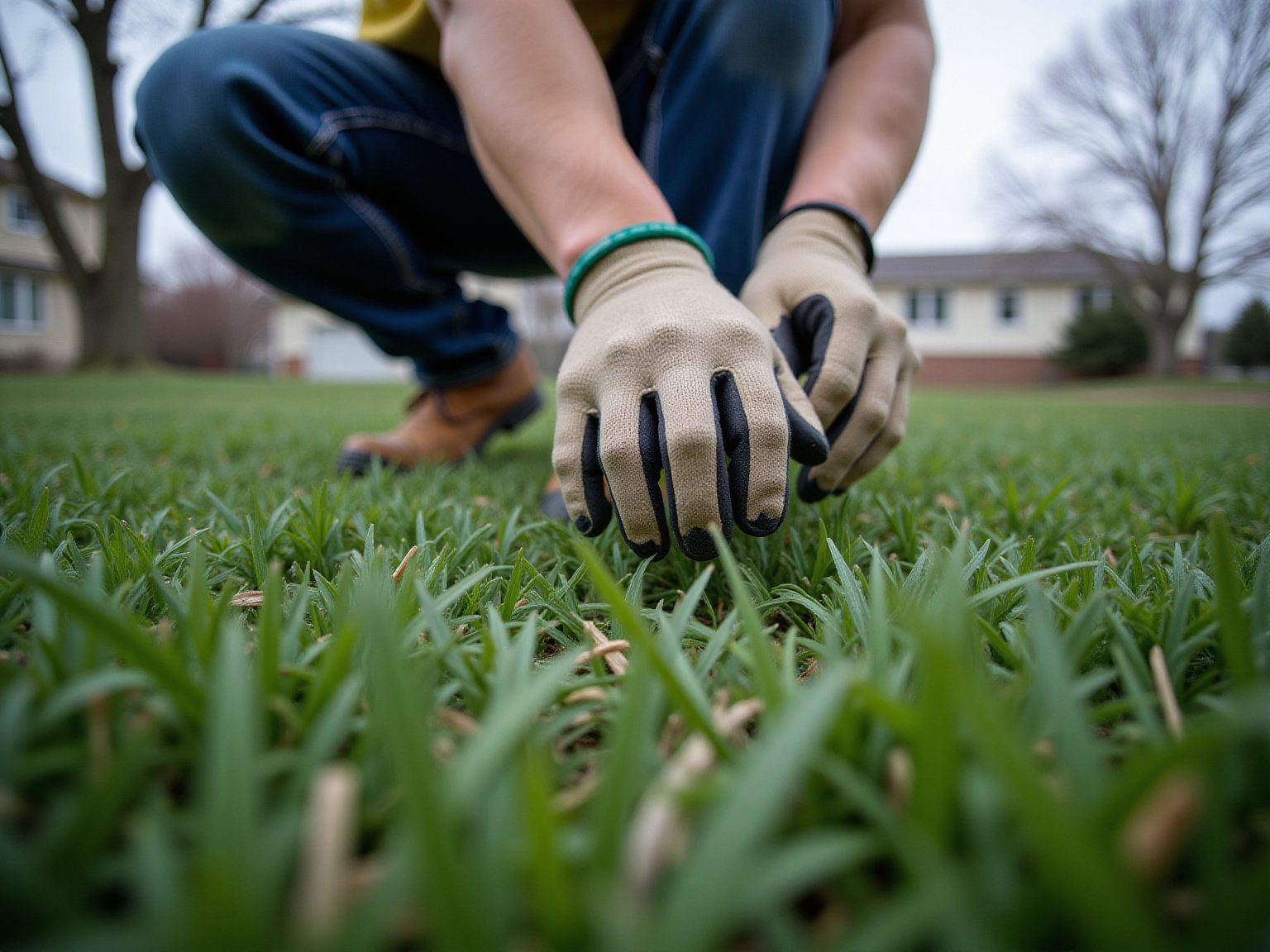
Fall is the best time to overseed cool-season lawns. Soil is warm, competition from weeds is low, and fall rains help seeds germinate without constant watering[1]. Rake thin areas lightly, spread seed at the recommended rate, and keep the seedbed moist for 2–3 weeks.
4. Mow to the Right Final Height
Grass that is too long going into winter is prone to snow mold and matting. Grass cut too short loses cold hardiness. For cool-season grasses, aim for 2–2.5 inches on your final mow[2]. Warm-season grasses should be cut to 1–1.5 inches before dormancy[3].
5. Clear Leaves and Debris
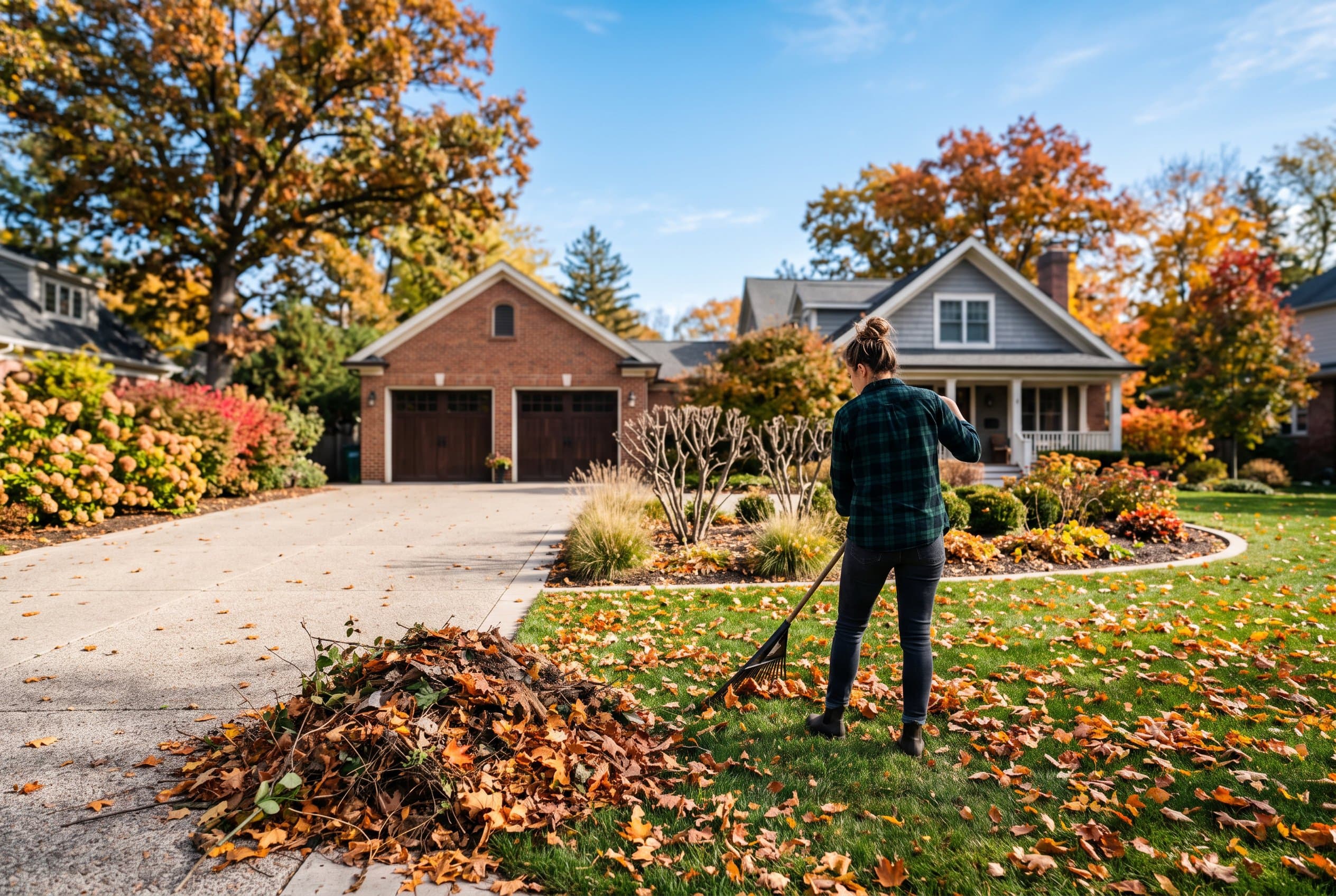
Matted leaves block sunlight and trap moisture, creating ideal conditions for fungal disease. Rake or mulch-mow leaves every 1–2 weeks throughout fall. A mulching mower chops leaves into fine pieces that decompose and return nutrients to the soil[4].
What Common Mistakes Should You Avoid?
Even well-meaning homeowners can hurt their lawn in fall with a few common errors.
- Fertilizing too late: Applying fertilizer after the ground freezes wastes product and can contribute to nutrient runoff into waterways[5].
- Skipping aeration: Compacted soil prevents roots from expanding before winter, weakening the lawn's resilience.
- Watering too much or too little: Continue watering until the ground freezes — about 1 inch per week — then stop. Overwatering a dormant lawn promotes root rot.
- Leaving clippings in piles: While light clippings decompose quickly, heavy clumps can smother grass. Always bag or scatter clippings evenly[4].
Conclusion
Preparing your lawn for winter doesn't require hours of weekend labor — it requires smart timing and the right sequence of steps. Start by aerating, then fertilize, overseed thin spots, do your final mow at the correct height, and keep leaves cleared. Focus on completing these tasks while soil temperatures are still above 50°F. A little effort now pays off with a thick, green lawn the moment spring arrives.
Your next steps: Check your local frost date, schedule aeration this weekend, and pick up a winterizer fertilizer rated for your grass type. Your lawn will thank you in April.
![PREPARING YOUR LAWN FOR WINTER. [WHAT YOU NEED TO KNOW!]](https://img.youtube.com/vi/TpA2P8v0nYE/hqdefault.jpg)