Quick Answer
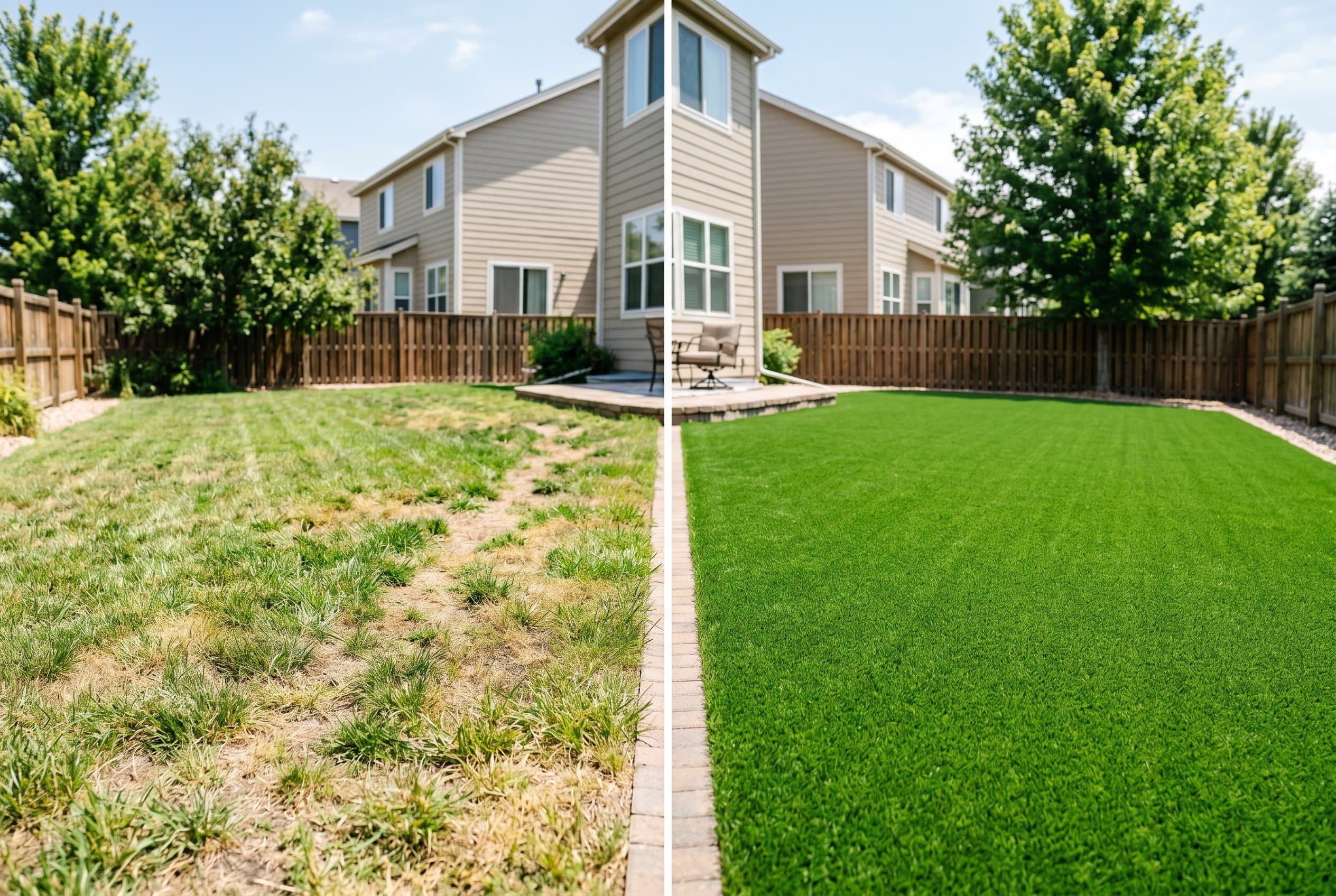
For many homeowners, artificial turf is worth it — especially in drought-prone regions or high-traffic yards where natural grass struggles. It eliminates mowing, watering, and fertilizing, but comes with a significant upfront cost and some environmental trade-offs you should understand before deciding.
Key Takeaways:
- Artificial turf costs $10–$20 per square foot installed, but pays back through reduced water and maintenance bills over time
- It's best suited for arid climates, shaded areas, or yards with heavy foot traffic where grass won't thrive
- Synthetic turf can get extremely hot in summer sun — sometimes reaching 150°F+ surface temperatures
- It removes pollinator habitat and doesn't support soil health the way natural grass does
- Most quality artificial turf lasts 15–25 years with basic care
Introduction
The appeal of a perfectly green lawn year-round — no mowing, no watering, no brown patches — is easy to understand. Artificial turf sales have grown steadily as homeowners look for low-maintenance alternatives to natural grass. But is synthetic turf actually the right call for your yard? The answer depends on your climate, budget, how you use your lawn, and your environmental priorities[1].
What Does Artificial Turf Actually Cost?
The upfront investment is the biggest hurdle for most homeowners. Professional installation typically runs $10–$20 per square foot, meaning a modest 500-square-foot side yard could cost $5,000–$10,000[2].
However, the ongoing savings are real:
- No water bills for lawn irrigation (outdoor watering accounts for up to 30% of household water use)[3]
- No fertilizer or herbicide costs
- No mowing expenses — equipment, fuel, or service fees
Most homeowners in dry climates recoup their investment in 5–8 years through water savings alone. In wetter regions where natural grass is easier to maintain, the payback period stretches longer — and the value case weakens.
What Does Installation Actually Look Like?
Understanding what goes into proper artificial turf installation helps you evaluate contractor bids and set realistic expectations.
Site Preparation
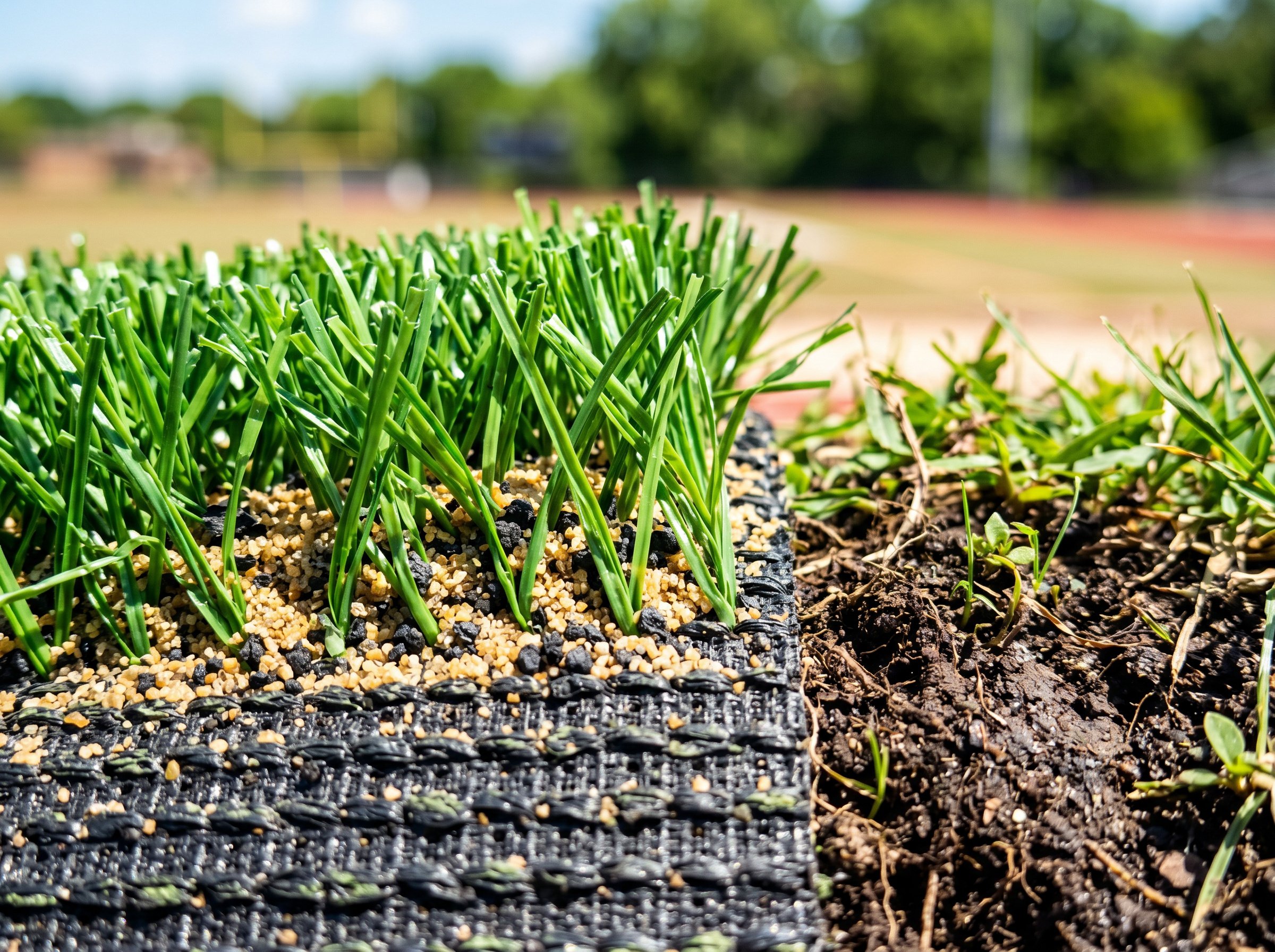
Installation starts with removing existing grass and about 3–4 inches of soil. A compacted gravel base (crushed aggregate) is laid and leveled — this is critical for drainage and longevity.
Turf Layers
Quality installations include:
- Weed barrier fabric over the base
- The turf itself, rolled out and cut to fit
- Infill material (typically crumb rubber, sand, or organic alternatives like cork) to weigh down fibers and cushion the surface
Edging and Securing
The turf is secured along edges with nails or adhesive and trimmed for a clean border. A well-installed system drains quickly and won't shift or bubble[4].
DIY installation is possible but not recommended for areas larger than a small patio — improper base prep leads to drainage failures and premature wear.
What Are the Real Downsides of Artificial Turf?
Artificial turf isn't without legitimate drawbacks — and they're worth taking seriously.
Heat Retention
Synthetic turf absorbs and holds heat intensely. On a 90°F day, turf surface temperatures can reach 150–180°F — hot enough to burn bare feet and make the area unusable during peak summer hours[2].
Environmental Concerns
Natural grass supports pollinators, filters stormwater, and cools the surrounding area through transpiration. Replacing it with synthetic turf eliminates those ecosystem services[5]. Crumb rubber infill has also raised health questions, though research is ongoing.
End-of-Life Disposal
Most artificial turf isn't recyclable and ends up in landfills after 15–25 years. This is a genuine long-term environmental cost.
Is Artificial Turf the Right Choice for Your Yard?
Artificial turf makes the most sense when:
- You live in an arid or drought-restricted region where water is expensive or limited[3]
- Your yard gets heavy, concentrated foot traffic (play areas, dog runs, narrow side yards)
- You have shade or soil conditions where grass simply won't grow
- You want zero lawn maintenance and are willing to pay the upfront cost
It makes less sense if you have a large yard, value ecological benefits, live in a cool and rainy climate, or have children who play outdoors in summer heat.
Conclusion: How to Decide
Start by calculating your current annual lawn costs — water, mowing, fertilizer, and any lawn service fees. Compare that to a per-square-foot installation quote for your specific area. If the math works out in under 10 years, artificial turf deserves serious consideration. If not, improvements like drought-tolerant grass varieties or smart irrigation systems may offer better value without the trade-offs[1][3].
Get at least three installation quotes, ask specifically about infill materials, and request drainage specs before signing anything.
