![The 5 Best Artificial Grass for Dogs [2025 Guide]](https://img.youtube.com/vi/0vEwALE4GLc/hqdefault.jpg)
Quick Answer
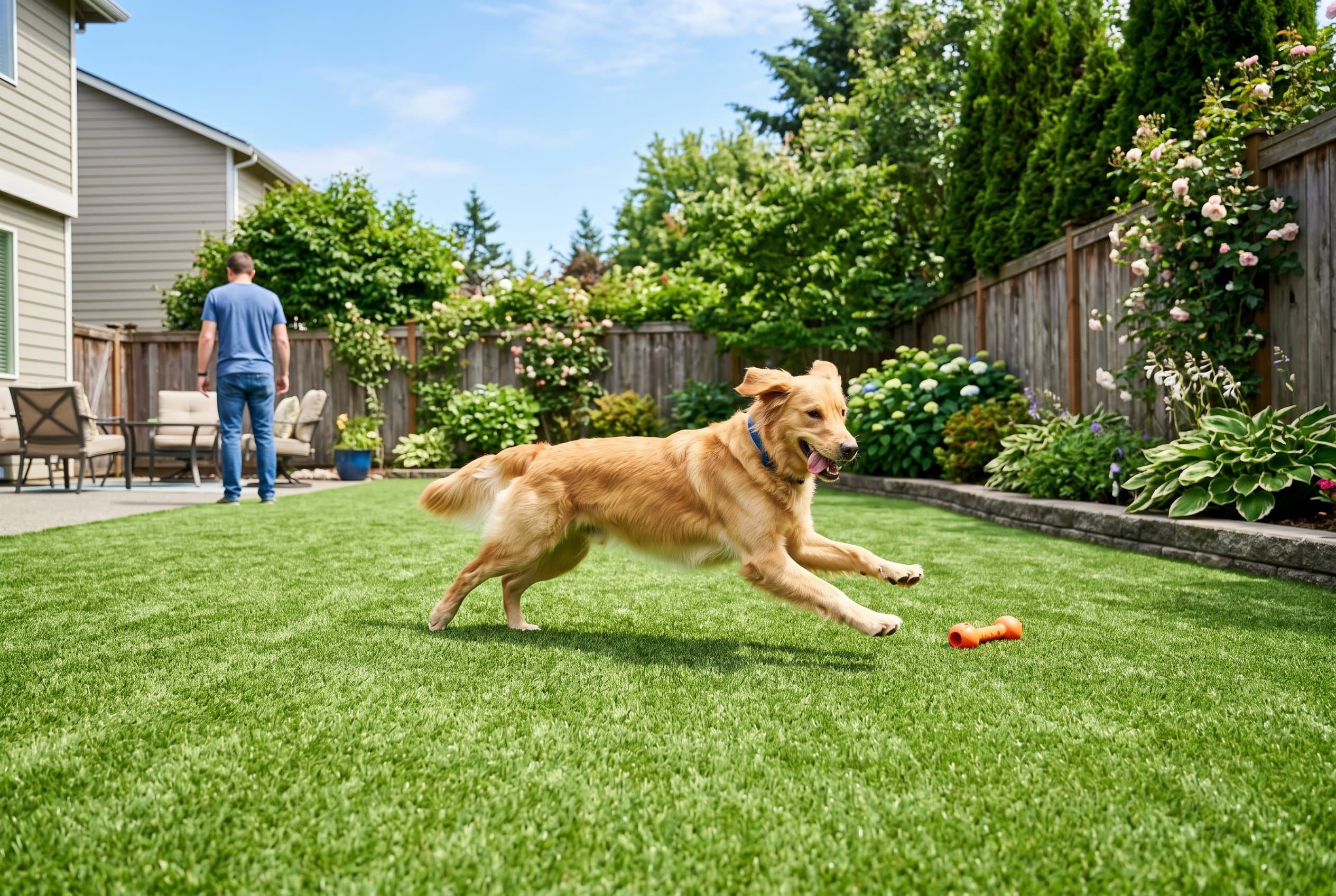
Artificial turf can be an excellent option for dog owners tired of muddy paws, dead grass patches, and constant reseeding. The best pet-friendly synthetic grass is made from non-toxic materials, drains urine quickly, and is easy to sanitize — making it a practical, long-lasting alternative to natural lawn.
Key Takeaways
- Artificial turf eliminates common dog-related lawn problems like dead spots, digging damage, and mud
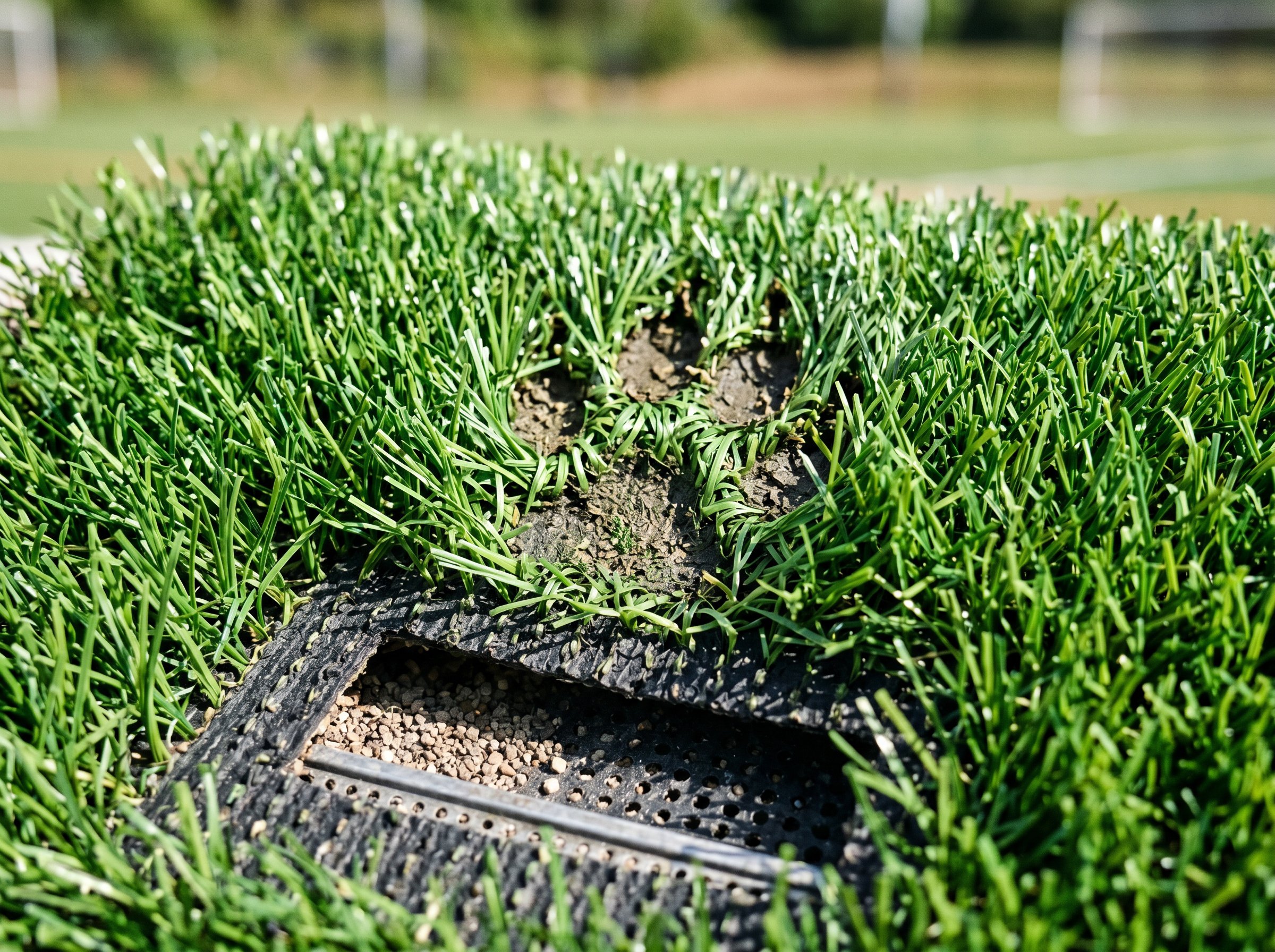
- Look for turf with a permeable backing that allows urine to drain freely
- Surface heat can be a concern in summer — choose lighter colors and provide shaded areas
- Regular rinsing and occasional disinfecting keep pet turf hygienic and odor-free
- Quality pet turf typically lasts 10–15 years with proper maintenance
Introduction
If you share your yard with one or more dogs, you know the struggle: brown urine burns, dug-up patches, and muddy tracks through the house. Natural grass can be hard to maintain under heavy paw traffic, especially in small yards. Artificial turf designed specifically for pets has improved dramatically in recent years, offering better drainage, durability, and safety. Here's what you need to know before making the investment.
Is Artificial Turf Safe for Dogs?
Most modern pet-grade artificial turf is manufactured from polyethylene or polypropylene — materials generally considered non-toxic and safe for animals[1]. Unlike older synthetic surfaces that used lead-based pigments, today's pet turf is designed with animal safety in mind.
However, heat retention is a genuine concern. Synthetic fibers absorb and hold heat from the sun, and surface temperatures can climb significantly higher than air temperature on hot summer days[2]. This can be uncomfortable or even dangerous for dogs' paw pads.
Tips to reduce heat risk:
- Choose lighter-colored turf, which reflects more sunlight
- Install shade structures or pergolas over the play area
- Rinse the turf with cool water before letting dogs out on hot afternoons
- Limit time on turf during peak heat (noon to 3 PM in summer)
Always test the surface with your hand before allowing your dog to run on it during warm months.
How to Choose and Install Pet-Friendly Artificial Turf
Not all artificial turf products are created equal. For dog owners, a few key features make a big difference in performance and longevity[3].
What to Look For
- Drainage rate: Choose turf rated for at least 30 inches of drainage per hour — this ensures urine flushes through rather than pooling
- Pile height: A fiber height of 1.5 to 2 inches strikes the right balance between comfort and easy cleaning
- Infill material: Opt for antimicrobial or zeolite-based infill, which neutralizes ammonia from urine and reduces odor
- Blade shape: Thatch-style or C-shaped fibers tend to be softer underfoot and more resilient to dog traffic
Installation Basics
Proper base preparation is critical[4]. A crushed gravel or decomposed granite base (typically 3–4 inches deep) promotes drainage and prevents turf from becoming waterlogged. The turf is then secured with nails or adhesive along the perimeter.
For DIY-capable homeowners, installation is achievable on smaller areas. For yards over 500 square feet, professional installation is generally recommended to ensure proper drainage grading and seam-free coverage[5].
How Do You Clean Artificial Turf That Dogs Use?
Maintenance is simpler than most people expect, but it does require consistency to prevent odor buildup[1].
Weekly routine:
- Rinse the turf with a garden hose to flush urine through the drainage layer
- Pick up solid waste promptly and rinse the area
- Use a stiff brush or power broom to keep fibers standing upright
Monthly deep clean:
- Apply a pet-safe enzymatic cleaner or diluted white vinegar solution
- Let it soak for 10–15 minutes, then rinse thoroughly
- Inspect infill levels and top up with antimicrobial infill if needed
Seasonal considerations:
- Spring and fall are ideal times for a full deep clean before and after heavy use seasons
- In winter, avoid using metal shovels on frozen turf — a plastic shovel or soft brush prevents fiber damage
- Summer heat can amplify odors, so increase rinsing frequency during hot months[2]
What Are the Real Costs of Pet Artificial Turf?
Artificial turf for dogs involves a higher upfront cost than natural grass, but lower ongoing maintenance expenses[3].
| Cost Factor | Estimated Range |
|---|---|
| Materials (installed) | $8–$20 per sq ft |
| DIY materials only | $3–$8 per sq ft |
| Annual maintenance supplies | $50–$150 |
| Turf lifespan | 10–15 years |
Compare this to the recurring costs of reseeding, lawn treatments, and water usage for natural grass — over a decade, quality artificial turf often pays for itself, especially in drought-prone regions where water costs are high[4].
Conclusion: Next Steps for Dog Owners Considering Artificial Turf
Artificial turf is a smart, low-maintenance solution for dog owners dealing with stubborn lawn damage. Start by measuring your yard and identifying the highest-traffic dog zones — these are the best candidates for turf installation. Request samples from manufacturers to check softness and feel underfoot, and confirm the product includes a perforated drainage backing. If your yard has existing drainage issues, address those first before installation. With the right product and consistent care, pet-grade artificial turf can transform a patchy, mud-prone yard into a clean, durable space that both you and your dogs can enjoy year-round.
