
Quick Answer
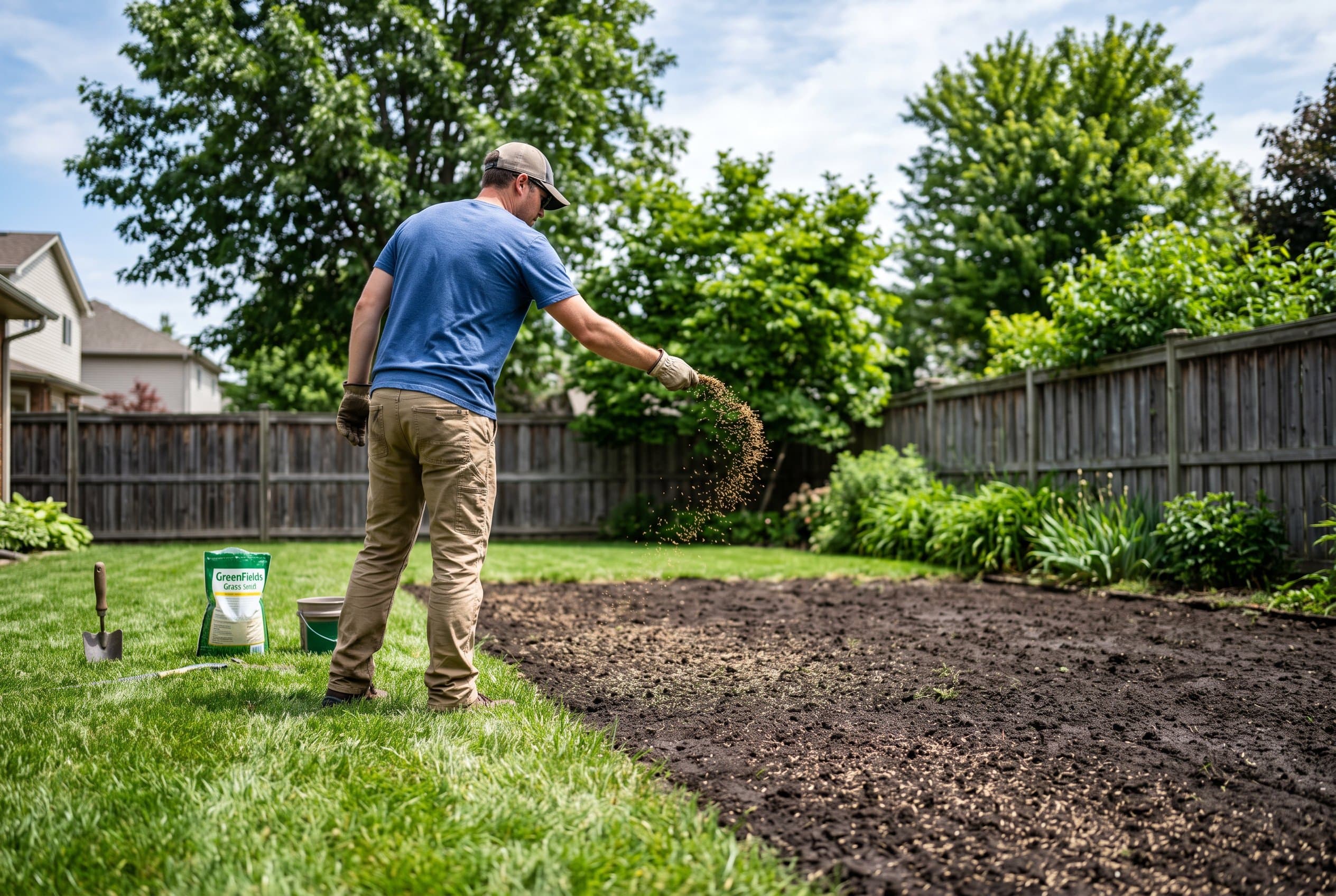
The best time to plant grass seed depends on your grass type: cool-season grasses (like fescue and bluegrass) thrive when seeded in early fall, while warm-season grasses (like bermuda and zoysia) should be planted in late spring to early summer. Soil temperature is the key factor — cool-season grasses need 50–65°F and warm-season grasses need 65–70°F or warmer[1].
Key Takeaways
- Fall (late August–October) is the ideal window for cool-season grass seeding
- Late spring to early summer is best for warm-season grasses
- Soil temperature matters more than air temperature when timing your seeding
- Avoid planting in summer heat or winter dormancy — germination rates drop sharply
- Watering consistently in the weeks after seeding is critical to success
Introduction
Getting the timing right when planting grass seed is one of the most important factors in growing a healthy lawn. Plant too early or too late in the season, and you're fighting germination failures, weed pressure, and seedling die-off. But get the timing right, and you'll have a thick, green lawn with far less effort. This guide breaks down exactly when to seed based on your grass type and region.
What's the Best Season to Plant Grass Seed?
There's no single universal answer — it depends on whether you're growing cool-season or warm-season grass[2].
Cool-Season Grasses (Kentucky bluegrass, tall fescue, perennial ryegrass):
- Best planted in early fall (late August to mid-October)
- Cooler air and warm soil create ideal germination conditions
- A secondary window exists in early spring (March–April), though fall is strongly preferred[3]
Warm-Season Grasses (bermudagrass, zoysia, St. Augustine, centipede):
- Best planted late spring through early summer (May–July)
- Soil temperatures should consistently reach 65–70°F before seeding
- Avoid planting after midsummer — seedlings won't establish before fall dormancy[4]
Use a simple soil thermometer (available at any garden center) to confirm temperatures before seeding — this takes the guesswork out entirely.
How to Prepare and Seed Your Lawn for Best Results
Once your timing window is right, proper prep makes all the difference in germination success[1][3].
Step 1: Test Your Soil
Get a basic soil test before seeding. Low pH or poor nutrient levels will stall germination even in perfect weather[5]. Aim for a pH of 6.0–7.0 for most grass types.
Step 2: Clear and Loosen the Area
Remove dead grass, weeds, and debris. Loosen the top 2–3 inches of soil with a rake or aerator so seeds make firm contact with the soil — this is essential for germination.
Step 3: Seed at the Right Rate
Follow the seeding rate on your seed bag. Over-seeding causes seedling competition; under-seeding leaves bare spots. For overseeding an existing lawn, use roughly half the new-lawn rate.
Step 4: Lightly Cover and Firm the Seed
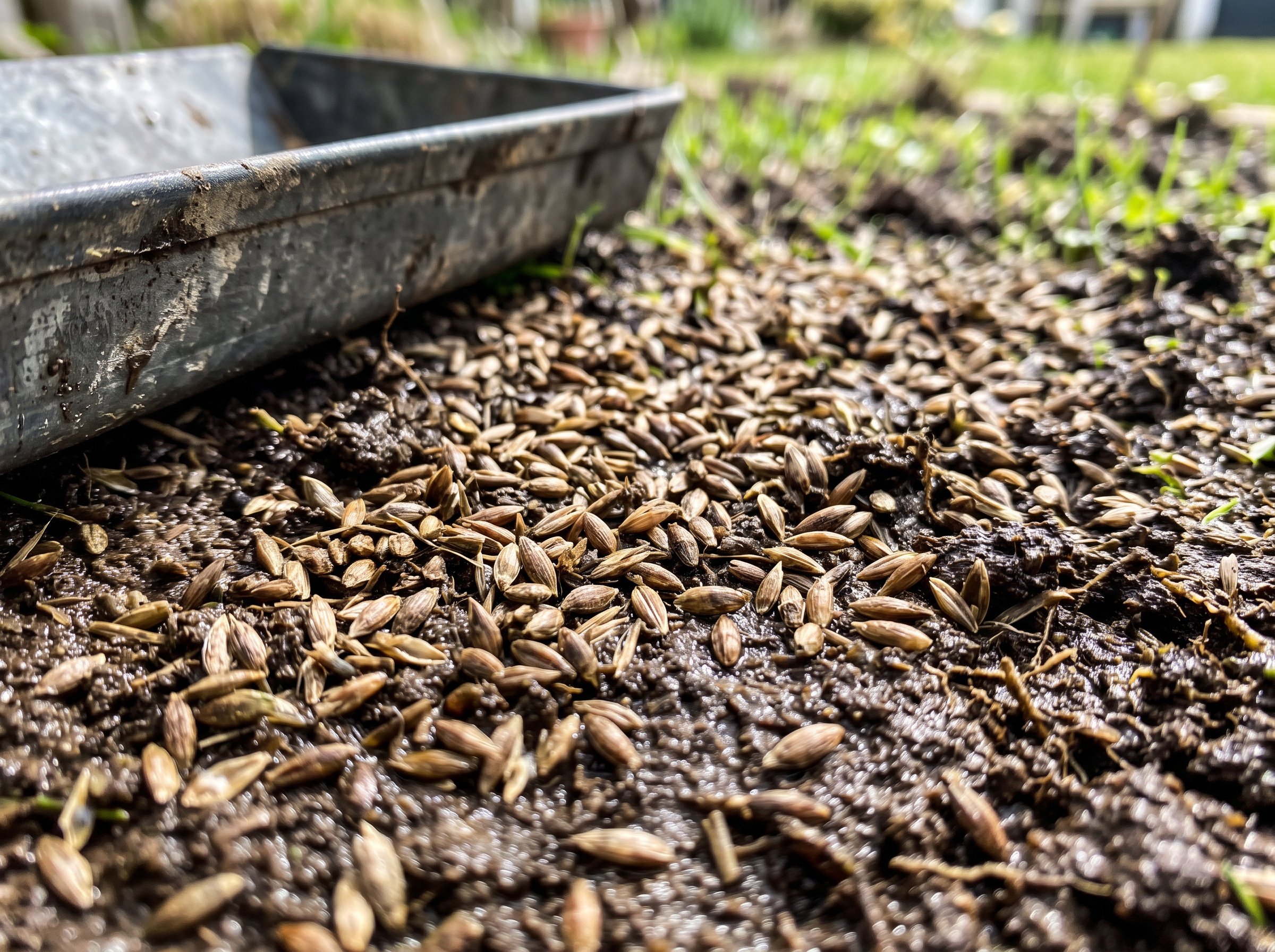
Rake lightly to press seed into soil. A thin layer of compost or starter mulch (¼ inch) can help retain moisture without smothering seeds.
Step 5: Water Consistently
Keep the seed bed moist — not soggy — until germination. That typically means light watering 1–2 times daily for the first 2–3 weeks[6]. Once established, shift to deeper, less frequent watering.
What Happens If You Plant at the Wrong Time?
Planting outside the optimal window creates real problems[2][4]:
- Summer seeding of cool-season grass: Heat stress kills seedlings before they establish; weed competition is also at its peak
- Fall seeding of warm-season grass: Seedlings won't survive their first winter dormancy
- Late spring seeding of cool-season grass: Seeds may germinate but struggle through summer heat, leaving thin, patchy coverage
If you've missed your ideal window, it's usually better to wait for the next season than to waste seed on a poor planting environment.
Does Your Climate Zone Affect the Planting Window?
Yes — significantly. The USDA Plant Hardiness Zone Map helps identify your general region[7], but your specific microclimate, elevation, and local weather patterns matter too.
- Northern states (zones 3–6): Cool-season grasses dominate; aim for late August to mid-September seeding
- Southern states (zones 7–10): Warm-season grasses are standard; plant May through July
- Transition zone (zones 6–7, mid-Atlantic and Midwest): Both grass types can grow here; timing is trickier — consult your local extension office for region-specific advice[3]
In the arid Mountain West, drought-tolerant varieties like buffalograss and fine fescue offer better results with less water — and have their own optimal planting windows in late spring[8].
Conclusion: Your Next Steps
To get started:
- Identify your grass type — cool-season or warm-season
- Check your soil temperature — use a thermometer for accuracy
- Plan your seeding window — fall for cool-season, late spring/early summer for warm-season
- Prep your soil — test, loosen, and amend as needed
- Stay consistent with watering — the first 3 weeks are critical
Timing your grass seed correctly is the single biggest factor in lawn establishment success. Get that right, and the rest becomes much easier.