
Quick Answer
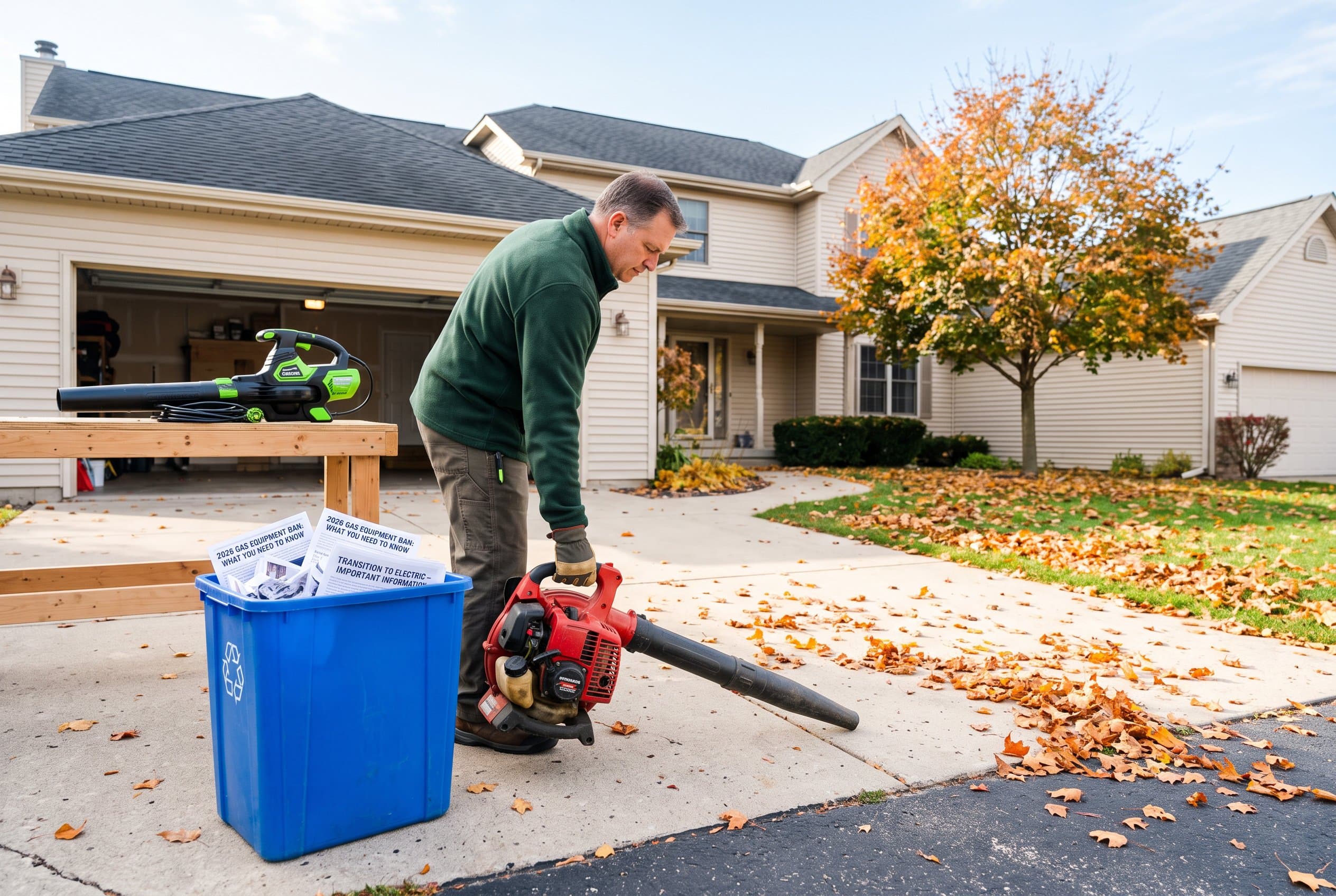
As of 2026, California has enacted the most comprehensive gas-powered leaf blower restrictions in the U.S., and several cities and states are following with their own bans or phase-outs. If you live in an affected area, you'll need to switch to battery-powered or corded electric alternatives — many of which now match gas performance for residential use.
Key Takeaways
- California's Small Off-Road Engine (SORE) regulations restrict the sale of new gas-powered handheld outdoor equipment, including leaf blowers, starting in 2024–2026
- Many cities — including those in New Jersey, Colorado, and Washington — have passed their own local bans
- Battery-powered leaf blowers have improved dramatically and can handle most homeowner tasks
- The bans primarily target new sales, not necessarily existing equipment in most jurisdictions
- Switching to electric can lower noise levels and eliminate fuel mixing and storage hassles
Introduction
If you've heard rumblings about the gas leaf blower ban 2026, you're not alone — and the confusion is understandable. Regulations vary widely by state and city, and the rules are evolving quickly. Whether you're a weekend yard warrior or just trying to stay on the right side of local ordinances, here's a clear breakdown of what's happening and what you should do about it.
Gas Leaf Blower Ban 2026: Which States and Cities Are Affected?
California leads the charge. The California Air Resources Board (CARB) established regulations under the SORE program that effectively ban the sale of new gasoline-powered small off-road engines — including leaf blowers, lawn mowers, and string trimmers — by 2024 for commercial-grade equipment and 2026 for consumer models[1]. This doesn't automatically make it illegal to use equipment you already own, but you won't be able to buy new gas models in the state[2].
Beyond California, hundreds of municipalities have enacted their own restrictions:
- New Jersey passed a statewide phase-out of gas-powered landscaping equipment, with leaf blowers targeted specifically due to noise and air quality concerns[3]
- Washington D.C. and several Colorado cities have adopted seasonal-use bans or outright prohibitions
- Montgomery County, MD and other East Coast communities have noise-based restrictions that effectively limit gas blower use
- Washington State has introduced legislation aligned with California's CARB standards, with phased compliance timelines
Always check your local municipality's website — city-level rules can be stricter than state law.
Leaf Blower Ban Regulations 2024–2026: Why It's Happening
Gas-powered leaf blowers are outsized polluters for their size. According to EPA research, a single gas leaf blower operating for one hour can produce smog-forming emissions equivalent to driving a 2017 Toyota Camry approximately 1,100 miles[4][5]. They also emit fine particulate matter and volatile organic compounds (VOCs) linked to respiratory issues, particularly in urban neighborhoods.
From an environmental standpoint, the case for transition is strong:
- Reduced ground-level ozone in urban areas
- Lower noise pollution in residential neighborhoods (gas blowers reach 95–100+ dB; electric models run at 65–75 dB)
- Decreased carbon emissions when equipment is charged from renewable energy sources
The Xerces Society and other conservation organizations also note that gas-powered equipment disturbs pollinators and beneficial insects in yard ecosystems[6]. Quieter, lower-vibration electric tools are less disruptive to habitat areas near gardens and flower beds.
What Does the Transition to Electric Look Like?
Modern battery-powered leaf blowers have closed the performance gap significantly[7]. For most homeowners dealing with leaves, grass clippings, and light debris, a 40V or 60V cordless blower offers plenty of power.
Choosing the Right CFM by Yard Size
Not all electric blowers are created equal. Here's a practical guide based on property size:
- Under 5,000 sq ft: 350–400 CFM is sufficient for driveways, patios, and small lawns
- 5,000–10,000 sq ft: 400–600 CFM handles mid-size yards and heavier leaf loads
- Over 10,000 sq ft: 600+ CFM is recommended; consider a backpack-style cordless model
Key Specs to Look For
- Voltage: 40V–80V handles most residential tasks; commercial-grade cordless models run at 80V+
- CFM (cubic feet per minute): Match to your yard size using the guide above
- MPH: Look for 100+ MPH air speed for effective debris movement[8]
- Battery life: Expect 30–60 minutes per charge on mid-range models; buy a spare battery for larger properties
- Noise level: Electric blowers typically run at 65–75 dB vs. 95–100+ dB for gas models — a meaningful difference for neighbors[4]
For very large properties or those with steep terrain, corded electric blowers offer unlimited runtime at lower cost — though mobility is limited.
Brand Considerations
Leading manufacturers like Husqvarna have invested heavily in battery platform compatibility, meaning a single battery pack can power multiple tools across their cordless lineup[9]. This makes transitioning away from gas more economical if you own multiple pieces of outdoor equipment.
Conclusion: What Should You Do Right Now?
Here are your practical next steps if you're navigating the gas leaf blower ban 2026:
- Check your local rules — visit your city or county government website and search for "leaf blower ordinance" or "small engine regulations" to find jurisdiction-specific requirements
- Assess your timeline — if you're in California or another regulated state, plan your equipment upgrade before new gas models become unavailable at retailers
- Test before you buy — many home improvement stores allow in-store demos; bring a sense of the debris volume and yard size you need to handle
- Match CFM to your yard — use the yard-size guide above to avoid overspending on commercial-grade power you don't need
- Consider a battery platform — buying into a multi-tool battery ecosystem (such as 40V or 60V systems from major brands) stretches your investment across a blower, trimmer, and mower
- Don't panic about existing equipment — in most jurisdictions, using gas blowers you already own remains legal; the bans target new sales, not current ownership
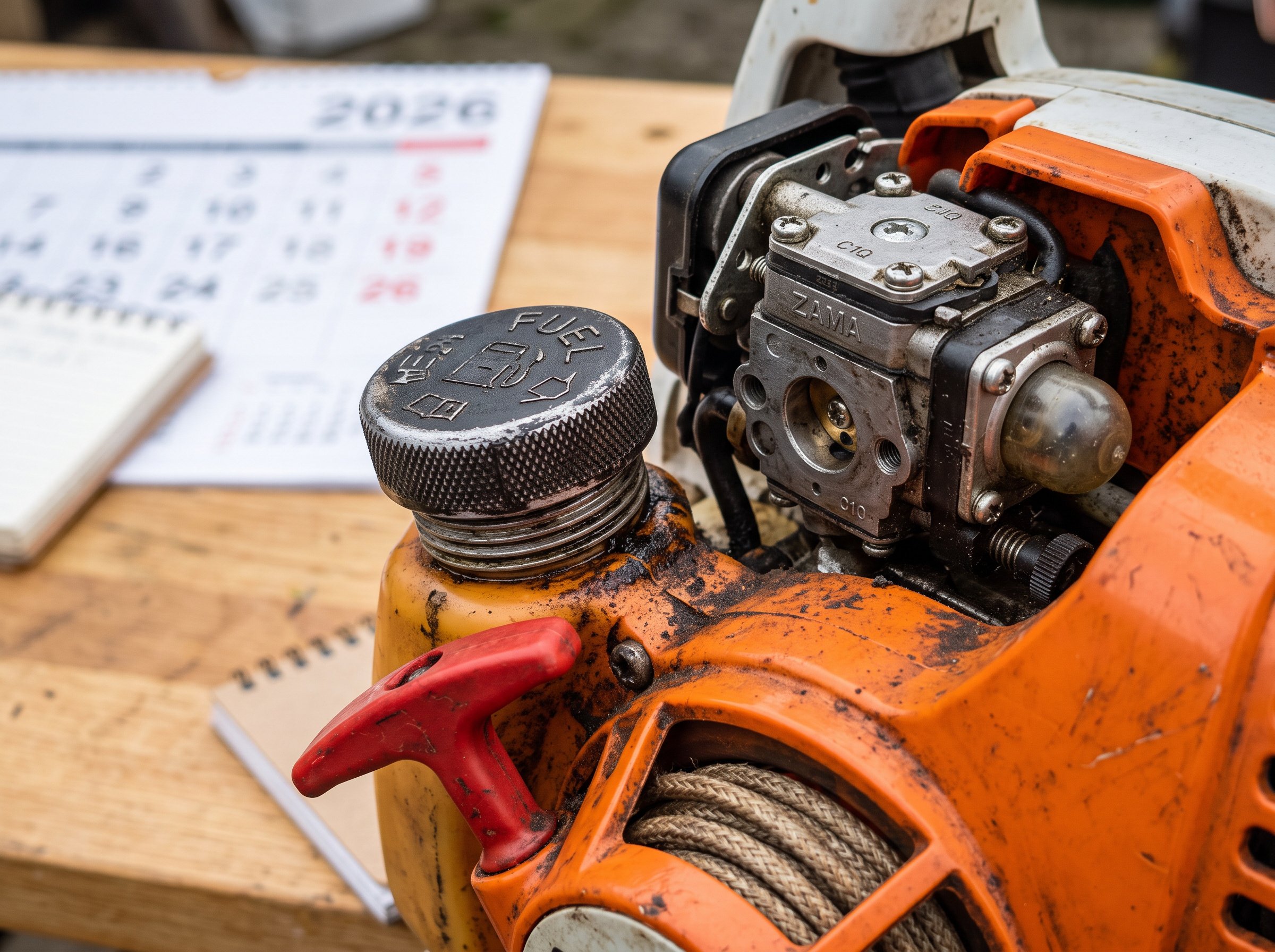
The transition to electric outdoor power equipment is accelerating. The good news for homeowners is that the technology has genuinely caught up: today's cordless blowers are quieter, cleaner, and increasingly capable of handling the same workload as their gas counterparts — without the fuel mixing, carburetor maintenance, or noise complaints.