Quick Answer
Dollar spot is a fungal lawn disease treated by improving lawn care practices—watering deeply but infrequently, fertilizing adequately, and applying a fungicide when needed. Cultural changes alone can stop mild cases, but moderate to severe outbreaks typically require a preventive or curative fungicide application. Acting early is key to preventing the small patches from merging into large damaged areas.
Key Takeaways
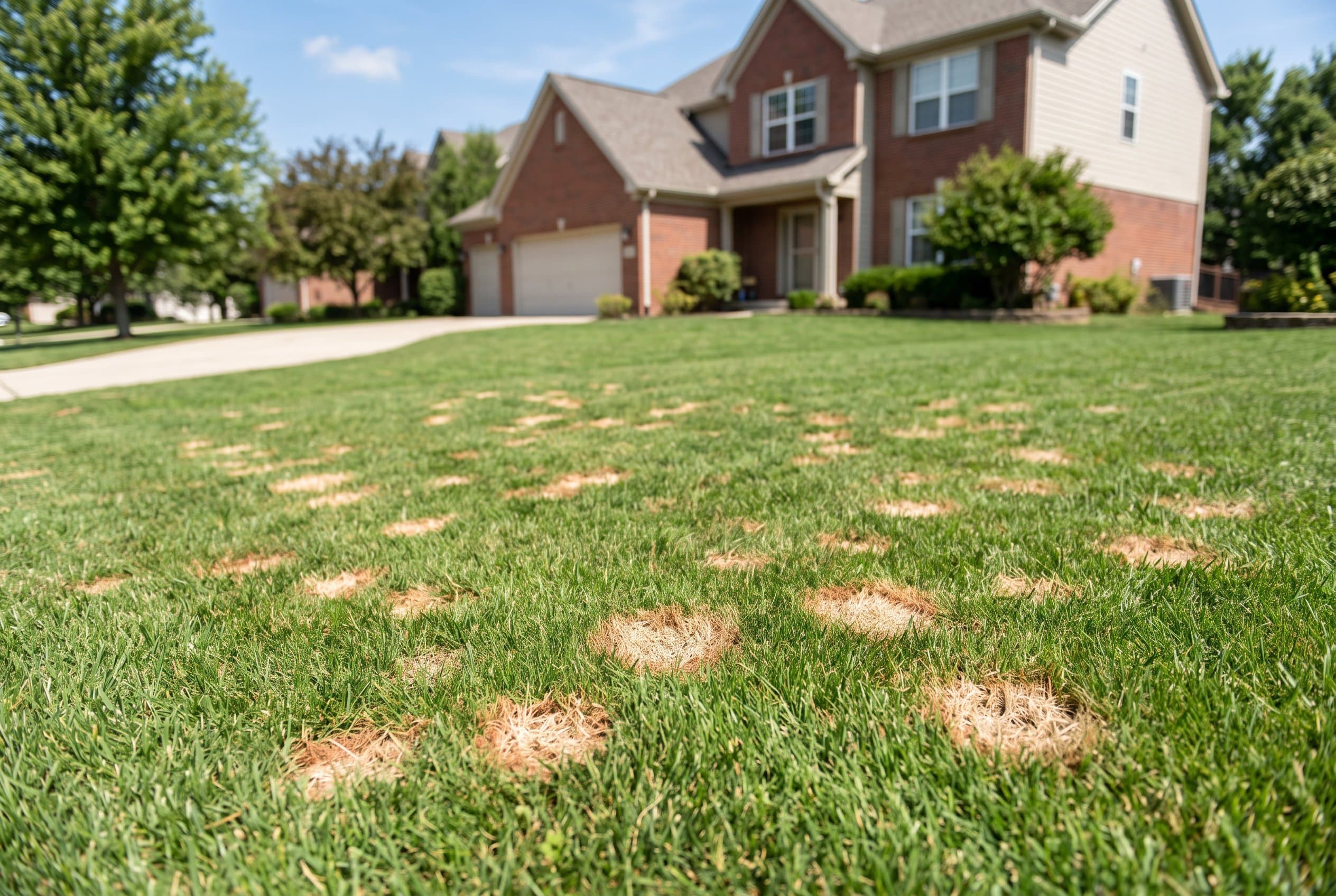
- Dollar spot appears as silver-dollar-sized tan or straw-colored patches, often with white cobweb-like mycelium visible in early morning
- Low nitrogen levels and drought stress are the leading triggers of dollar spot outbreaks
- Water deeply in the early morning—never in the evening—to reduce leaf wetness duration
- Fungicides work best as a preventive treatment; once patches are large, recovery takes longer
- Most lawns recover fully with a combination of cultural adjustments and one to two fungicide applications
Introduction
Dollar spot is one of the most widespread lawn diseases in North America, affecting both cool-season and warm-season grasses[1]. It's caused by the fungus Clarireedia spp. (formerly Sclerotinia homoeocarpa) and thrives when temperatures are between 60–85°F with extended periods of leaf wetness[2]. While the tan circles may look minor at first, untreated dollar spot can coalesce into large, blighted areas that take weeks to recover. The good news: with the right treatment strategy, most homeowners can get it under control without hiring a professional.
How Do I Know If My Lawn Has Dollar Spot?
Correct identification is the first step—treating for the wrong disease wastes time and money.
Classic Dollar Spot Symptoms
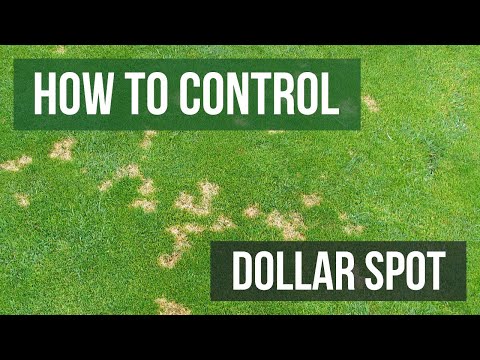
- Circular patches 2–6 inches in diameter with a straw or tan color
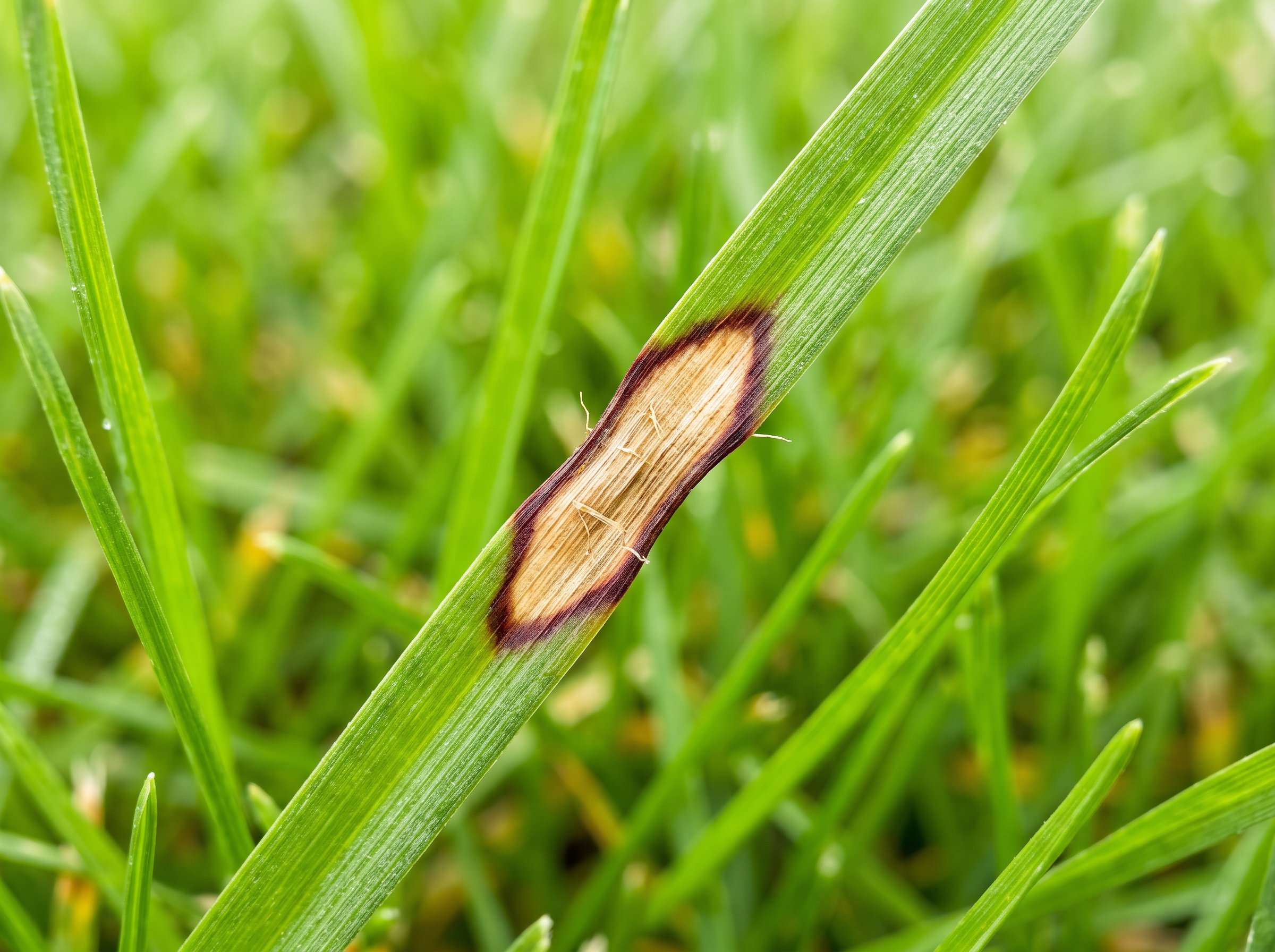
- Hourglass-shaped lesions on individual grass blades—tan in the center with a reddish-brown border
- White, cottony mycelium visible in early morning dew (disappears once dew dries)
- Patches may number in the dozens across a lawn and eventually merge[3]
When Does It Strike?
Dollar spot is most active in late spring through early fall when nights are warm and dewy. It peaks during humid stretches following dry periods, especially when nitrogen levels are low[1]. If your lawn has gone without fertilizer for several months and you've had warm, humid nights, dollar spot is a likely culprit.
How Do I Treat Dollar Spot Step by Step?
Treatment combines cultural corrections with fungicide applications for the fastest results.
Step 1: Correct Your Watering Habits
Switch to deep, infrequent watering—aim for 1 inch per week applied in one or two sessions, always in the early morning[4]. Watering at night dramatically extends leaf wetness and feeds the fungus. Avoid light, frequent watering that keeps the canopy damp.
Step 2: Apply Nitrogen Fertilizer
Nitrogen-deficient turf is significantly more susceptible to dollar spot[2]. A moderate application of a quick-release or slow-release nitrogen fertilizer helps the lawn grow through the disease. Don't over-apply—excessive nitrogen causes other problems—but don't leave the lawn starved either.
Step 3: Mow at the Correct Height
Mow at the recommended height for your grass type and never remove more than one-third of the blade in a single mowing. Remove clippings during active outbreaks to limit spore spread across the lawn[3].
Step 4: Apply a Fungicide
For moderate to severe cases, a fungicide is necessary[5]. Common active ingredients proven effective against dollar spot include:
- Propiconazole – widely available, systemic, works curatively and preventively
- Myclobutanil – another DMI-class fungicide effective at low rates
- Thiophanate-methyl – contact/systemic option, rotate with DMIs to prevent resistance
- Azoxystrobin – a QoI (strobilurin) fungicide; always rotate with non-strobilurins[6]
Apply fungicides every 14–28 days as needed, and always rotate between chemical classes to reduce the risk of resistance. Read and follow all label directions, as label law is federal law[6].
Step 5: Dethatch and Aerate
A thatch layer thicker than ½ inch harbors fungal matter and impedes water and fertilizer penetration. Dethatch cool-season lawns in early fall and warm-season lawns in late spring, then core-aerate to improve drainage and airflow[4].
What Can I Do to Prevent Dollar Spot From Returning?
Prevention is far easier than cure. Most recurring dollar spot problems trace back to the same cultural mistakes[1][2].
- Fertilize on schedule – Keep nitrogen levels adequate, especially in summer when dollar spot pressure peaks
- Water correctly – Deep and infrequent, always in the morning
- Improve air circulation – Prune overhanging shrubs; avoid creating shade and stagnant air pockets
- Choose resistant cultivars – When overseeding or starting a new lawn, select grass varieties rated for dollar spot resistance[3]
- Apply preventive fungicide – If your lawn has a history of dollar spot, start fungicide applications before symptoms appear in late spring[5]
Conclusion: Your Action Plan
If you're seeing dollar spot now, start with the cultural fixes immediately—adjust your watering schedule today and apply nitrogen fertilizer within the week. For active, spreading patches, purchase a propiconazole or thiophanate-methyl fungicide and apply according to label directions. Repeat every 14–21 days if conditions remain favorable. Mark your calendar to begin preventive treatments next season before night temperatures consistently hit 60°F. With consistent care, your lawn can be patch-free within three to four weeks.