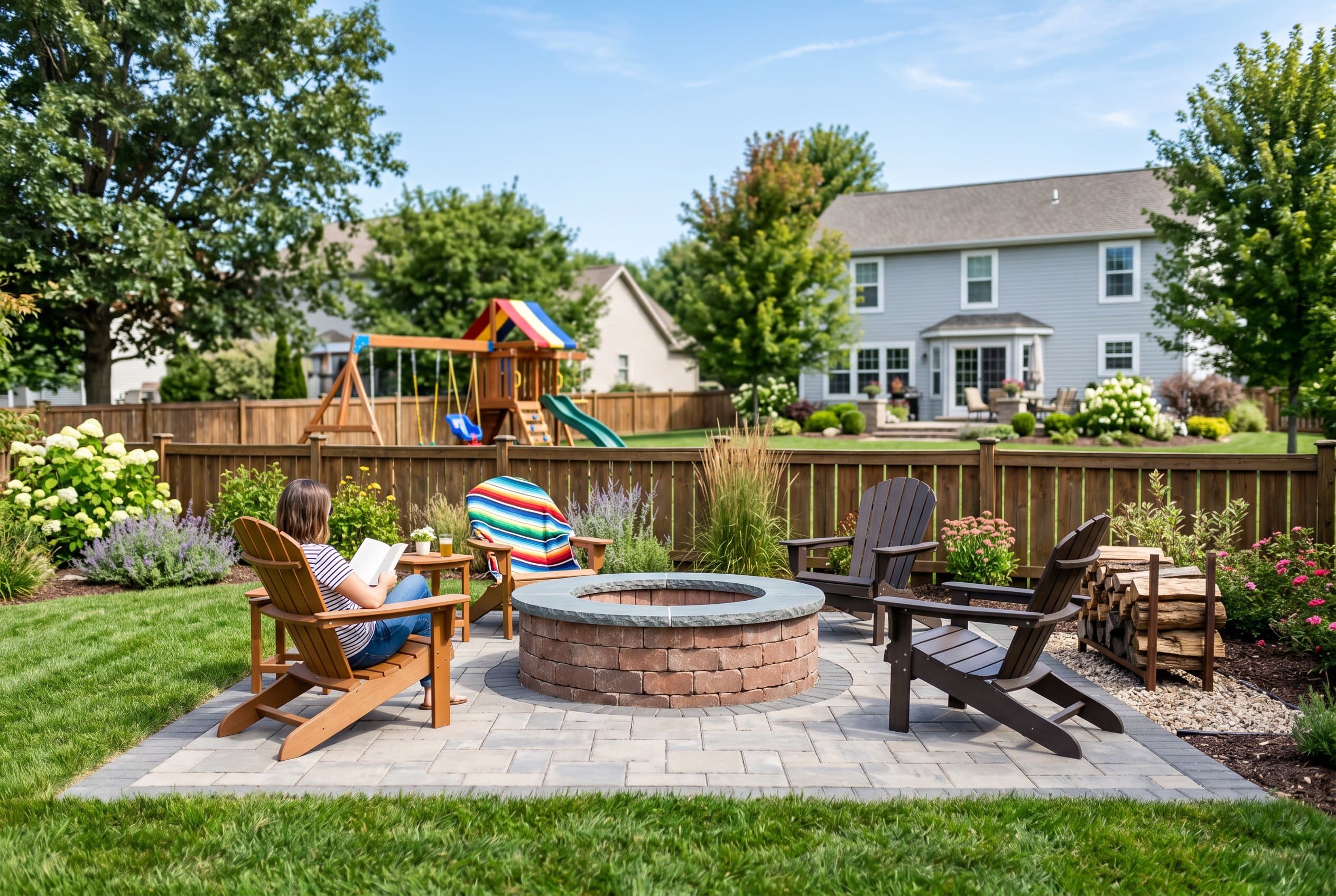
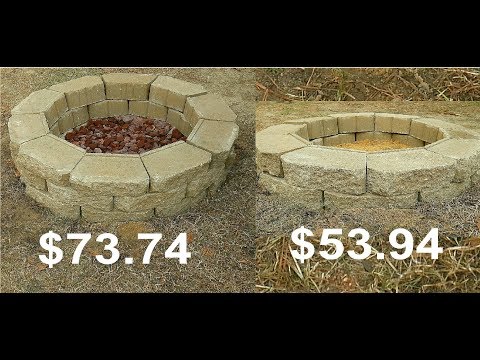
Quick Answer: A backyard fire pit typically costs between $300 and $5,000 depending on size, materials, and whether you hire a professional. DIY kits start around $100–$300, while custom built-in designs can exceed $5,000 with labor. Most homeowners spend $700–$1,500 for a solid mid-range option.
Key Takeaways
- Basic portable fire pits cost $100–$500; permanent built-in pits run $1,000–$5,000+
- Materials (stone, brick, steel) and fuel type (wood vs. gas) are the biggest cost drivers
- Professional installation adds $500–$2,000 to the total project cost
- Gas fire pits cost more upfront but less to maintain than wood-burning models
- Local permits may be required and typically add $50–$200 to your budget
Introduction
A backyard fire pit is one of the most popular outdoor upgrades — it extends your outdoor living season, adds ambiance, and increases usable yard space. But costs vary widely based on your goals, materials, and local codes. Understanding what drives fire pit pricing helps you plan smarter and avoid surprises.
What Factors Determine Backyard Fire Pit Cost?
Several variables influence how much you'll spend:
Fire Pit Type
- Portable steel or cast iron pits: $100–$500. Easy to move, minimal setup, widely available[1].
- DIY block or stone kits: $200–$600 in materials. Labor-intensive but budget-friendly.
- Permanent masonry pit (DIY): $400–$1,200 in materials for brick, concrete block, or natural stone.
- Custom built-in pit (contractor-installed): $1,500–$5,000+ depending on design complexity and finish.
Fuel Type
Wood-burning pits are cheaper to install but require ongoing firewood costs ($150–$300/season)[2]. Propane or natural gas fire pits cost $500–$3,000 more upfront but offer cleaner, more convenient operation. Natural gas requires a gas line connection, which alone can cost $300–$700 in labor.
Materials
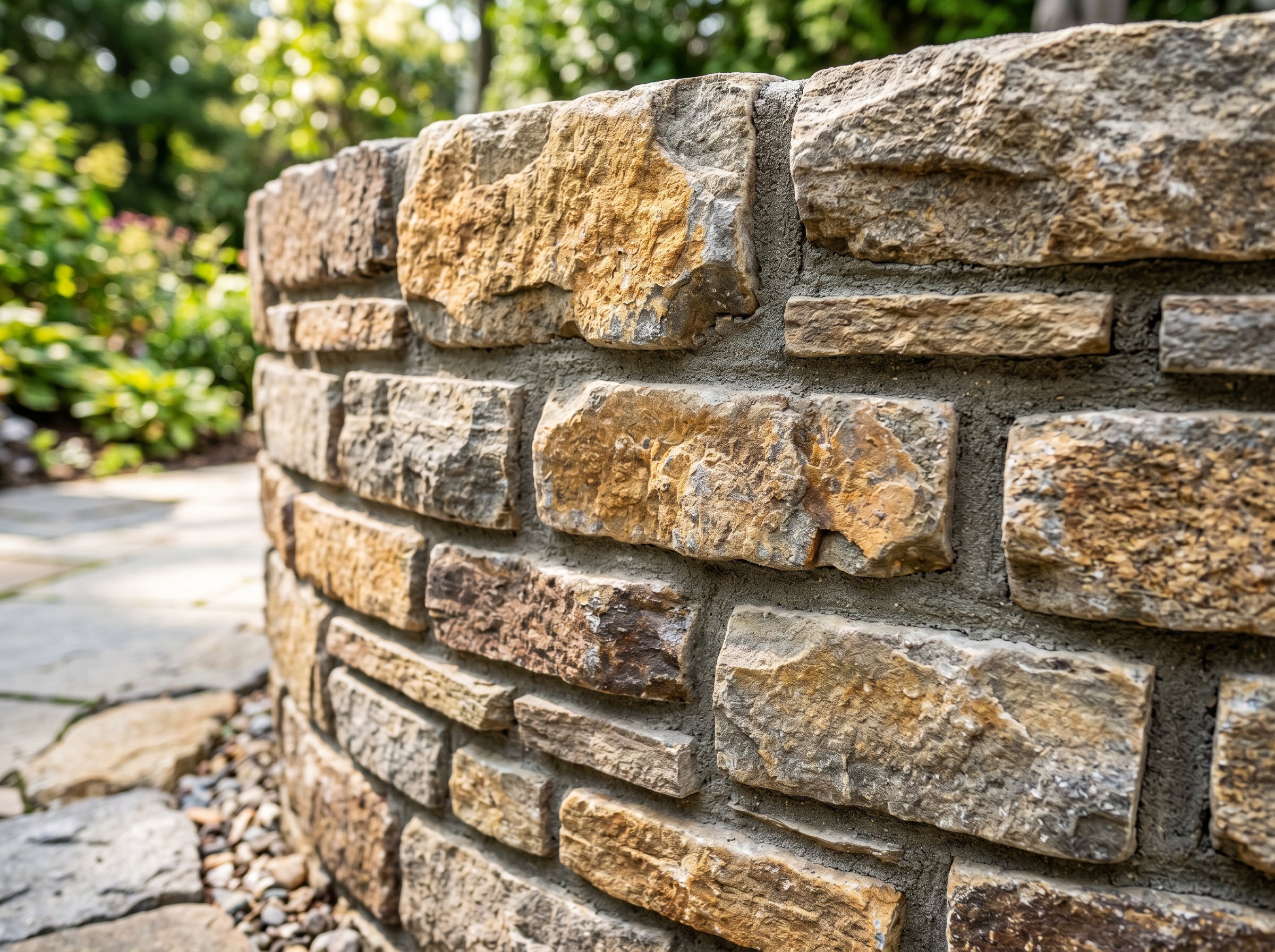
Budget materials like concrete block run $1–$3 per block. Natural stone or stacked flagstone costs $10–$30 per square foot. Decorative veneers and matching patio materials significantly increase costs.
What Does the Installation Process Actually Look Like?
Knowing the steps helps you see where costs accumulate — and where you can save.
Site Preparation
Before any fire pit goes in, the ground must be level and cleared. Removing sod, grading soil, and laying a gravel or sand base typically costs $100–$400 if hired out[3]. Most fire pits require a non-combustible base at least 10 feet from structures.
Building or Installing the Pit
For a DIY masonry pit, plan 1–2 weekends of work. You'll need retaining wall blocks or fire brick, gravel fill, and a metal ring insert ($50–$150). A contractor typically charges $500–$1,500 in labor for a standard built-in installation.
Gas Line and Ignition (If Applicable)
Adding a gas connection requires a licensed plumber or gas contractor. Expect $300–$800 for the line extension plus $100–$300 for the burner assembly and igniter[4].
Permits and Inspections
Many municipalities require permits for permanent fire features, especially gas-connected ones. Permit fees range from $50–$200. Always check local fire codes — some areas restrict open burning seasonally or year-round[5].
How Can You Reduce Your Fire Pit Installation Cost?
Go the DIY Route for Basic Builds
A simple ring of retaining wall blocks filled with gravel can cost under $200 in materials and take a single afternoon. These functional pits require no mortar and can be reconfigured or expanded later.
Choose Portable Over Permanent
If budget is tight, a quality steel fire bowl on a stand delivers real value at $150–$400. Many models include spark screens and cooking grates — no installation required.
Time Your Purchase Seasonally
Fire pit prices drop significantly in late fall (October–November) as retailers clear inventory. End-of-season sales can save 25–40% on portable and mid-range models[1].
Get Multiple Contractor Quotes
For hired installation, always get at least three quotes. Prices for identical work can vary by $500–$1,000 depending on the contractor.
Conclusion
Budgeting for a backyard fire pit comes down to how permanent, how polished, and how fuel-flexible you want it to be. Start by deciding between a portable pit, a DIY masonry build, or a contractor-installed feature — then factor in materials, fuel type, and any permit requirements. For most homeowners, a budget of $500–$1,500 delivers a durable, functional fire pit that lasts for years. Shop in late fall for the best deals, and always verify local codes before you build.