
Quick Answer
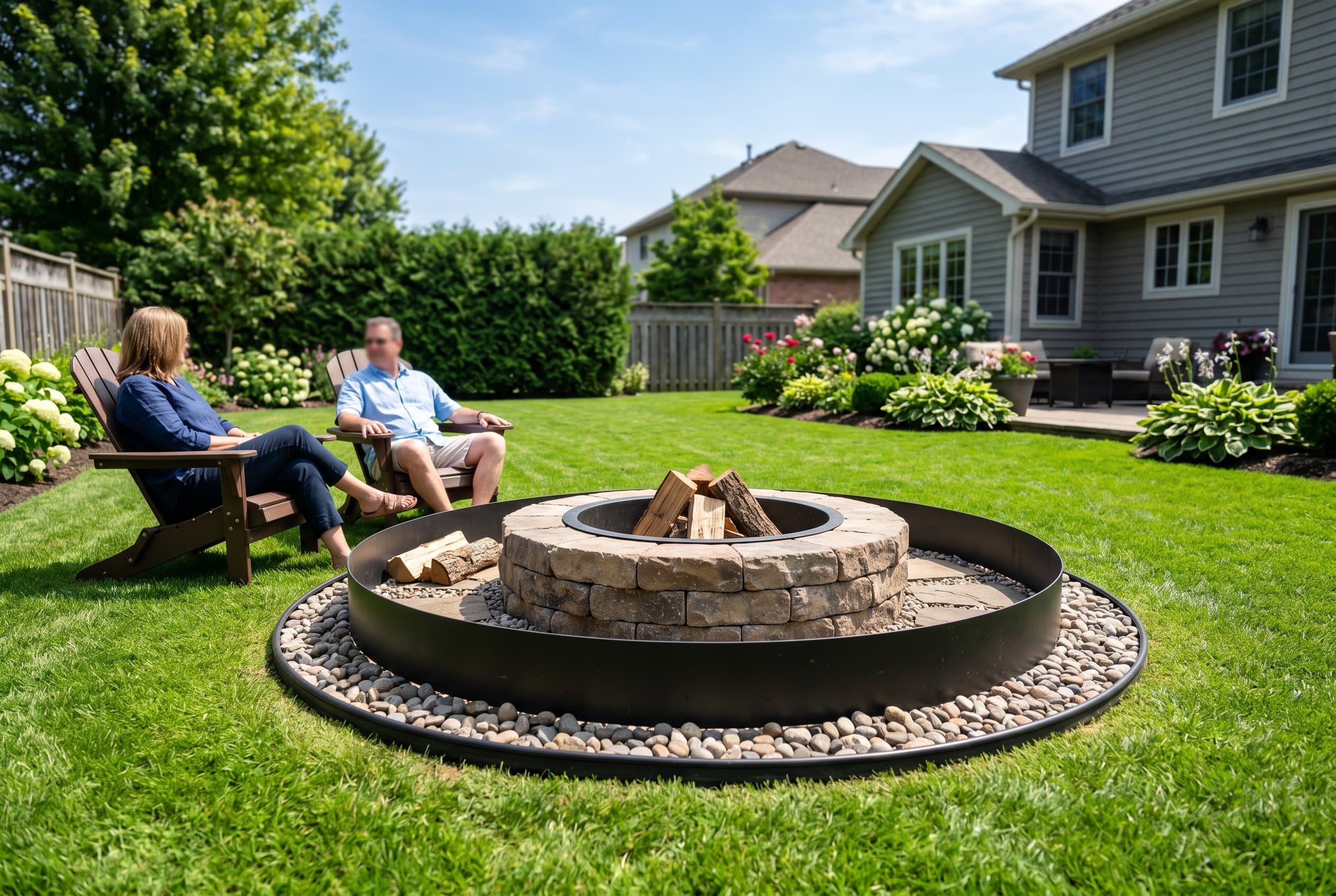
The best way to protect your grass from a fire pit is to place it on a non-combustible pad, keep it elevated off the ground, and maintain a safe clearance zone of at least 10 feet from surrounding vegetation. Watering the surrounding grass before and after use also significantly reduces heat and ember damage.
Key Takeaways
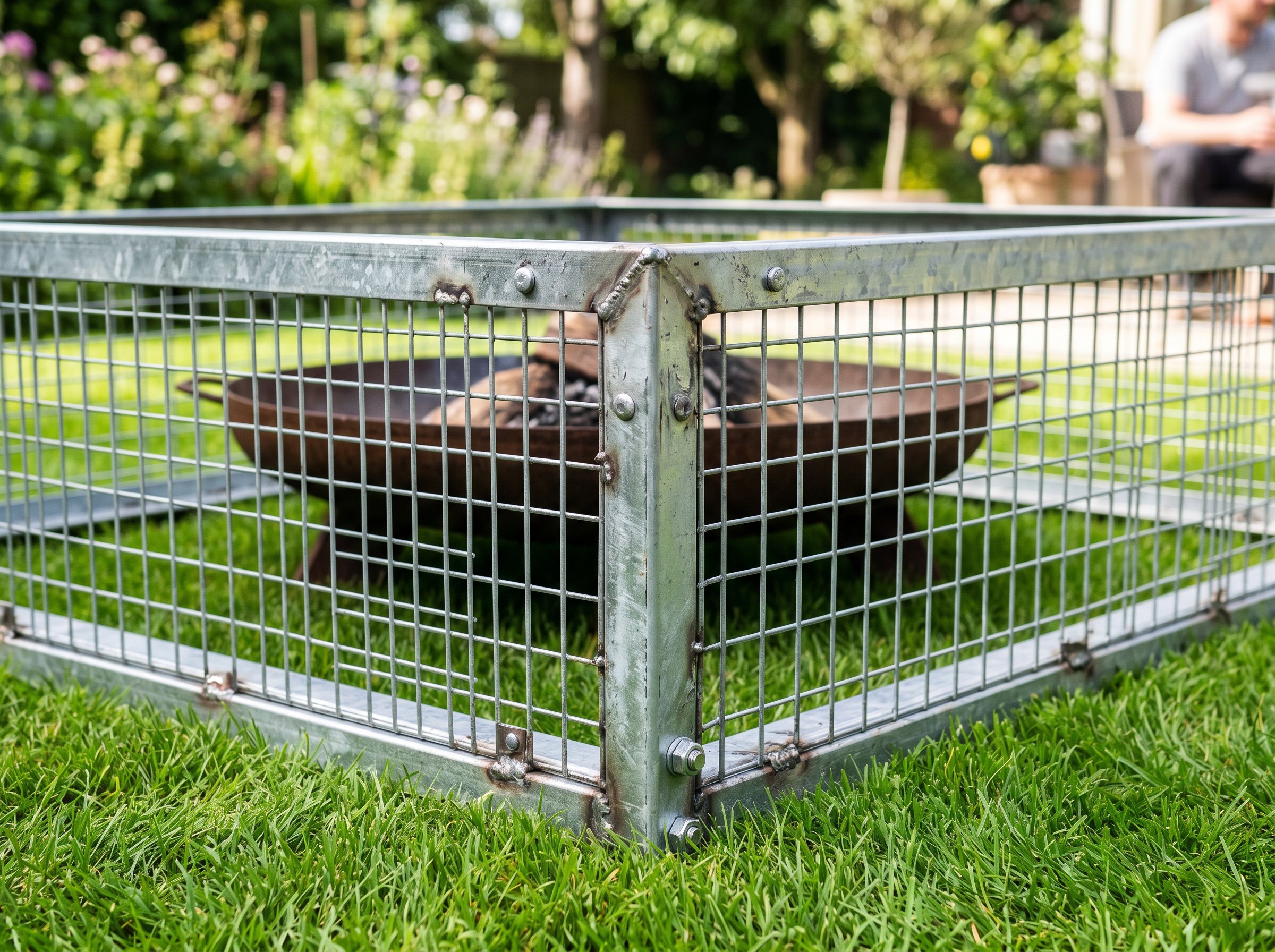
- Always place your fire pit on a heat-resistant pad (gravel, pavers, or a fire pit mat) to block ground-level heat transfer
- Maintain a minimum 10-foot clearance from grass, shrubs, and other vegetation
- Water your lawn around the fire pit before and after use to reduce scorching risk
- Never leave a fire unattended — embers can travel surprising distances and ignite dry turf
- In summer and drought conditions, move or suspend fire pit use entirely to protect stressed grass
Introduction
A backyard fire pit is one of life's simple pleasures — but it can turn into a lawn care headache fast. Between radiant heat baking the soil, stray embers landing on dry grass, and ash altering soil chemistry, fire pits and lawns don't naturally get along. The good news: with a few smart precautions, you can enjoy your fire pit all season without sacrificing your turf[1].
What Actually Damages Grass Around a Fire Pit?
Understanding the damage helps you prevent it. Fire pits harm grass in three main ways:
Radiant and conductive heat — Even without direct flame contact, the ground beneath and immediately around a fire pit absorbs intense heat. Soil temperatures above 120°F can kill grass roots, and a metal fire pit sitting directly on turf can scorch a permanent dead patch within a single evening[2].
Ember and ash damage — Airborne embers can travel 10–20 feet on light wind and singe individual grass blades or start small fires in dry turf. Accumulated ash also raises soil pH over time, making it harder for grass to absorb nutrients[3].
Soil compaction and foot traffic — The area around a fire pit sees heavy use. Repeated foot traffic compresses soil, reduces oxygen availability to roots, and creates bare patches that weeds quickly colonize[4].
How to Set Up Your Fire Pit to Protect Your Lawn
This is where prevention pays off. Getting your fire pit setup right from the start avoids most damage entirely.
Choose the Right Surface
Never place a fire pit directly on grass. Instead, use one of these base options:
- Gravel or pea gravel pad — Affordable and effective; a 10–12 inch deep gravel base insulates soil from heat and creates a clean perimeter
- Concrete or paver patio — The gold standard for permanent fire pit areas; eliminates grass damage risk entirely
- Fire pit mat or heat shield — Portable and affordable for occasional use; look for mats rated to at least 1,400°F
- Raised fire pit stand — Elevating the pit by 6–12 inches dramatically reduces ground-level heat transfer[1]
Define a Safe Clearance Zone
Measure at least 10 feet of open space between your fire pit and any grass, shrubs, fences, or structures. Mark this zone and keep it clear of debris, dry leaves, and lawn furniture[5].
Water Before You Light
Give the surrounding grass a thorough watering 30–60 minutes before starting a fire. Moist turf is far more resistant to ember damage and scorching from radiant heat. This is especially important during summer months when cool-season grasses are already heat-stressed[2].
How Do You Repair Grass Damaged by a Fire Pit?
Even with precautions, damage happens. Here's how to bring your lawn back:
Assess the damage first — If only grass blades are singed but roots survive, the lawn may recover on its own within 2–4 weeks with regular watering. Gently tug the grass; if it has resistance, the roots are likely alive[3].
For dead patches:
- Remove dead material and loosen the top 2–3 inches of soil
- Test soil pH — heavy ash deposits can raise pH significantly; amend with sulfur if needed[4]
- Overseed with a grass type matching your existing lawn
- Keep the area consistently moist for 2–3 weeks until germination
Timing matters — Repair cool-season grass (fescue, bluegrass) in early fall for best results. Repair warm-season grass (bermuda, zoysia) in late spring or early summer when soil temperatures support active growth[2][3].
What Are the Seasonal Considerations for Fire Pit Use?
Your lawn's vulnerability to fire pit damage changes with the seasons:
- Spring — Grass is actively growing and recovers quickly; moderate risk if the lawn is well-watered
- Summer — Highest risk period; drought-stressed turf is most vulnerable to heat and ember damage. Consider suspending fire pit use during heat waves or burn bans[5]
- Fall — Dry fallen leaves dramatically increase ember risk; keep your clearance zone clear of leaf litter
- Winter — Dormant grass is less vulnerable to heat damage but dry conditions can still support ember fires in some climates
Always check local fire restrictions before use — many municipalities issue seasonal burn bans during dry periods[5].
Conclusion: Keep Your Lawn and Your Fire Pit Happy
Protecting your grass from a fire pit comes down to three habits: use a proper heat-resistant base, water your lawn before and after use, and maintain a clear safety zone around the pit. If damage does occur, act quickly with soil amendment and reseeding. Most lawns bounce back well when you address the problem early and adjust your setup going forward. Enjoy the fire — just give your turf the respect it deserves.