Quick Answer
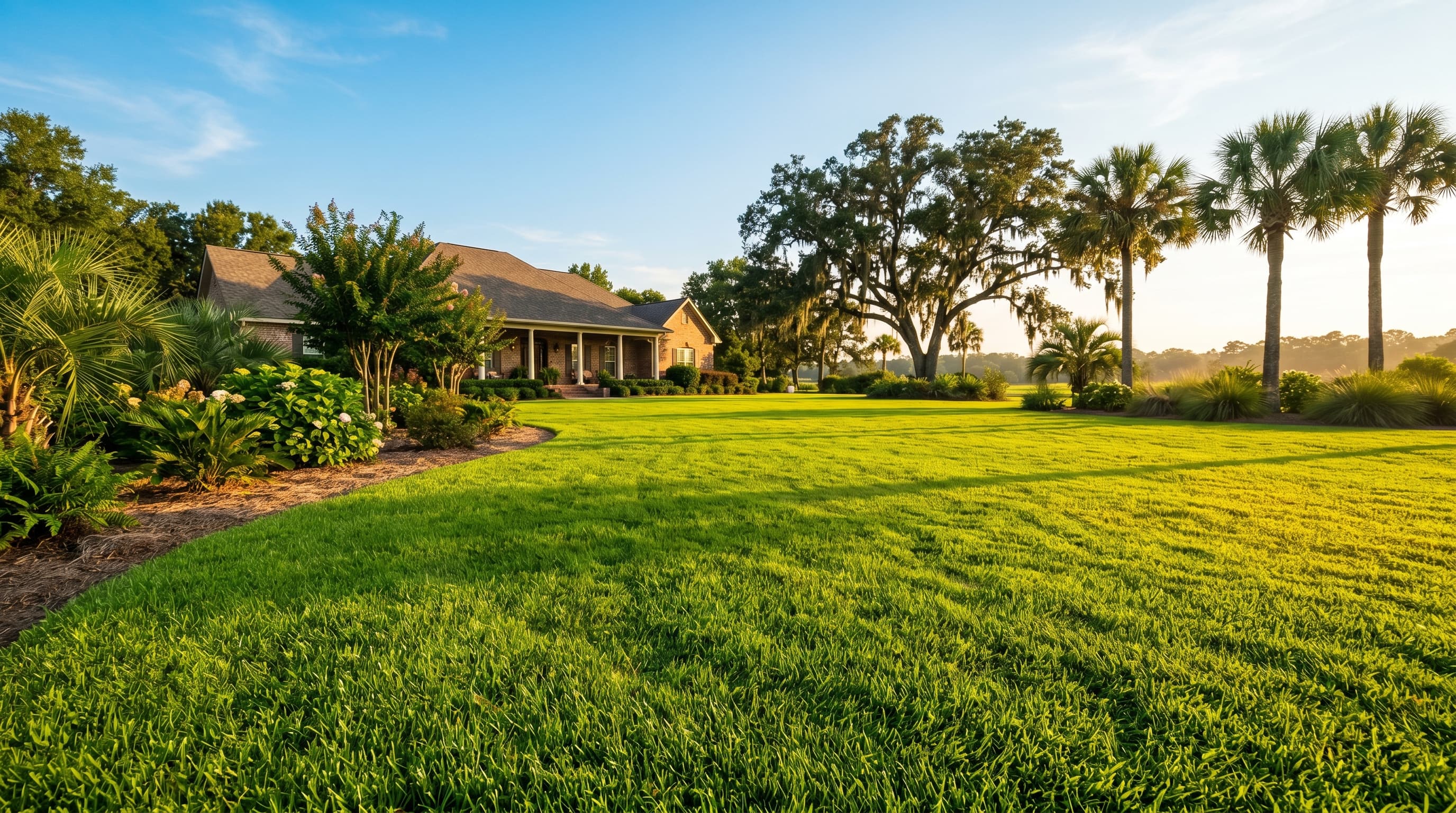
Homeowners in Georgia get the best results when they focus on matching your turf practices to lawn care in Georgia's warm-season grass climate and USDA zone 7a-9a[1]. First-fall frost lands somewhere between Oct 28 – Nov 20; last-spring frost between Mar 5 – Apr 5. Bermudagrass, Zoysiagrass, Centipedegrass, and St. Augustinegrass are the species that earn their keep here[4], and the local calendar tracks the warm-season growth cycle. Pests like Fall armyworms and Mole crickets are the recurring problems to watch[4].
Key Takeaways
- USDA zone 7a-9a puts Georgia in warm-season grass territory[1].
- The default grass for most Georgia lawns is Bermudagrass; secondary picks: Zoysiagrass, Centipedegrass, and St. Augustinegrass[4].
- Frost window: first-fall Oct 28 – Nov 20; last-spring Mar 5 – Apr 5[2].
- Recurring local pressure: Fall armyworms and Mole crickets[4].
Georgia Climate and Grass Zone
USDA zones 7a-9a define the Georgia growing climate, which puts the state in warm-season grass country. Summer highs average 90°F and winter lows around 35°F. Annual rainfall is roughly 50" — enough to support warm-season turf without daily irrigation in most of the state.[2]
Within zones 7a-9a, microclimates matter: foothill counties run cooler than valley floors and coastal humidity shifts pest pressure[1].
Best Grass Types for Georgia
Georgia lawns generally come down to one of Bermudagrass, Zoysiagrass, Centipedegrass, and St. Augustinegrass[4].
The right choice depends on how much shade, traffic, and irrigation a lawn gets. In Georgia, the safest default is the first grass listed — it's what local sod producers grow the most of, and it's the type your nursery is most likely to have in stock[3].
Seasonal Calendar
What separates a good Georgia lawn from a poor one is hitting these windows:
- Pre-emergent — Late February - Early March
- First mow — March-April
- Fertilize — April through September
- Aeration / overseeding — May-July
- Last mow — October-November
- Dormancy — November-March (warm-season grasses)
These windows shift a few weeks north-to-south inside Georgia[2]. The city guides below carry tighter dates.
Mowing and Soil
For most Georgia lawns, mowing height tracks the dominant warm-season grass. Bermudagrass typically wants a cutting height of 1.5"–2.5" — taller in heat, shorter when overseeding. Mow weekly during peak growth and never remove more than one-third of the blade in a single pass. Sharp mower blades matter more in hot, humid air, where ragged cuts open the door to fungal disease.[4]
Soil drainage is the silent driver of lawn health across Georgia. With consistent summer rainfall, lawns that sit on compacted clay develop standing water — and with it, large patch, brown patch, and root-rot pressure. Core aeration in the appropriate season, topdressing with compost, and avoiding mower traffic on wet turf are the cheapest interventions that pay off here. A soil test every two or three years catches pH drift before it costs you a renovation.[3]
Common Lawn Challenges in Georgia
What goes wrong in Georgia lawns is predictable:
- Fall armyworms pressure — the dominant turf pest in Georgia requires monitoring on a seasonal schedule
- Large patch risk — humid summers and irrigation cycles favor this disease across most of Georgia
Disease pressure to watch: Large patch, Brown patch, Dollar spot[4]. The UGA Cooperative Extension publishes IPM updates each season — see their resources[3].
Cities in Georgia
Drill into your local Georgia city for finer-grained timing:
Related Lawn Care Reading
- Lawn Watering Schedule for Hot Climates
- Bermuda Grass Care Guide
- St. Augustine vs Zoysia: Which Wins in the South?
Sources
- USDA Plant Hardiness Zone Map — referenced for the claims marked [1] above.
- NOAA Climate Normals 1991–2020 — referenced for the claims marked [2] above.
- UGA Cooperative Extension — referenced for the claims marked [3] above.
- UGA Cooperative Extension Turf Program — referenced for the claims marked [4] above.