Quick Answer
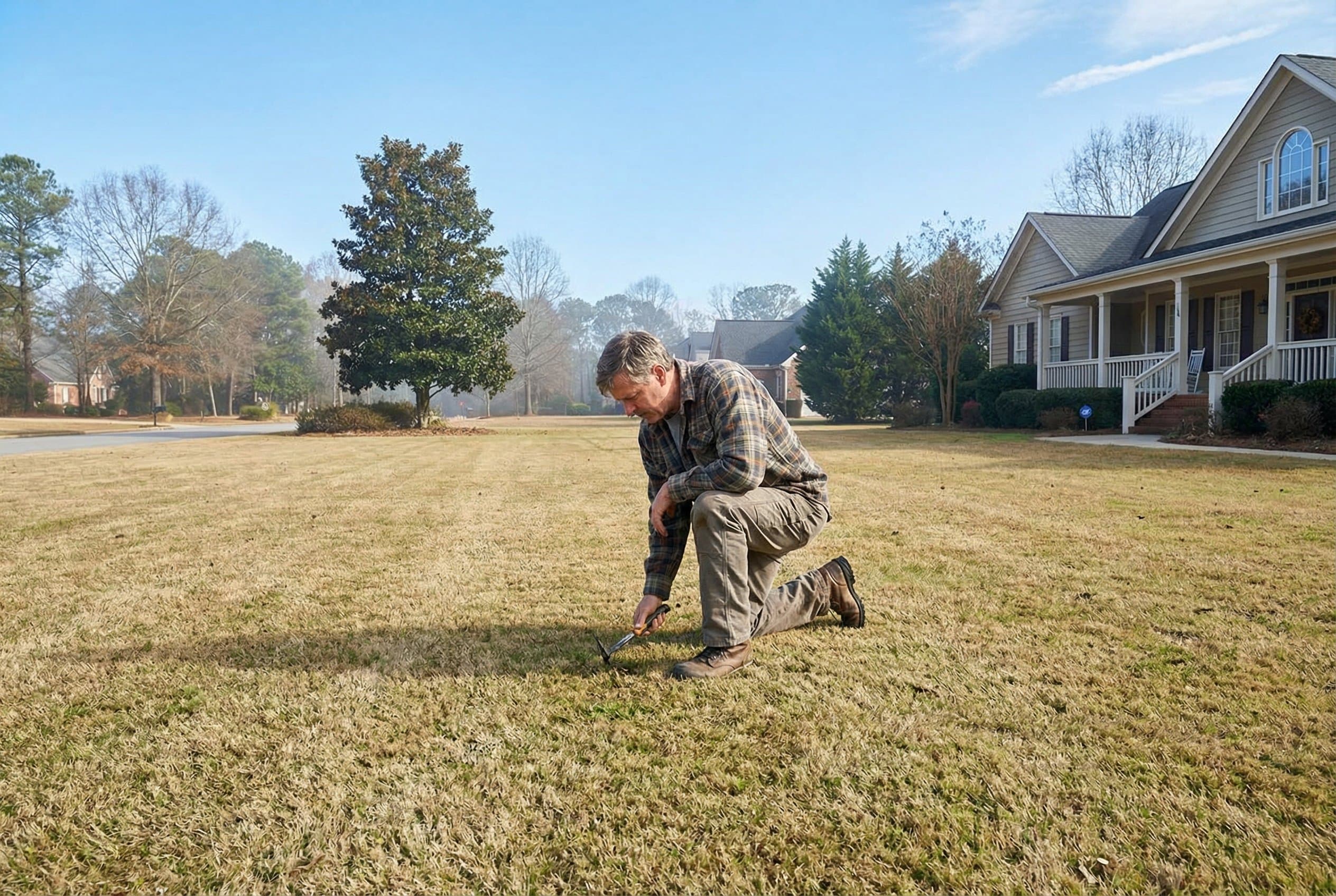
Georgia homeowners face distinct lawn challenges including fall armyworms that devastate warm-season grasses, fungal diseases like large patch thriving in our humid climate, and persistent weeds such as crabgrass and nutsedge. The state's hot, humid summers and mild winters in USDA zones 7a-9a create perfect conditions for these issues to flourish in Bermudagrass, Zoysiagrass, and Centipedegrass lawns.
Key Takeaways
- Fall armyworms are Georgia's most destructive lawn pest, capable of destroying entire lawns in days during late summer
- Large patch and brown patch diseases thrive in Georgia's humid conditions, particularly affecting Zoysiagrass and St. Augustinegrass
- Pre-emergent herbicide application in late February prevents crabgrass, Georgia's most common summer weed
- Proper mowing height and watering practices prevent most fungal diseases in Georgia's climate
- Fire ants and mole crickets cause significant lawn damage throughout the growing season
Georgia's humid subtropical climate creates unique lawn care challenges that differ significantly from other regions. With average summer temperatures reaching 90°F and annual rainfall of 50 inches, combined with high humidity levels, Georgia lawns face a perfect storm of pest, disease, and weed pressures that require specific management strategies tailored to warm-season grasses.
What Are the Most Destructive Pests in Georgia Lawns?
Fall armyworms top the list of Georgia's most devastating lawn pests, capable of destroying entire lawns within 48-72 hours during their peak activity in late summer[1]. These caterpillars prefer Bermudagrass and other warm-season grasses, leaving behind brown, chewed grass blades and visible damage patterns.
Mole crickets cause extensive underground damage to Georgia lawns, tunneling through soil and feeding on grass roots from May through July[2]. Signs include raised soil ridges, loose turf, and dying grass patches, particularly in sandy soils common throughout the state.
White grubs, the larval stage of various beetles, feed on grass roots during spring and fall, causing wilting and brown patches that easily pull away from the soil. Fire ants create unsightly mounds while their aggressive nature makes lawn maintenance dangerous for homeowners.
Spittlebugs target Centipedegrass specifically, creating foam masses on grass blades while their feeding causes yellowing and stunted growth[1]. Early detection and treatment with appropriate insecticides during peak activity periods prevents extensive damage.
How Do I Identify and Treat Georgia Lawn Diseases?
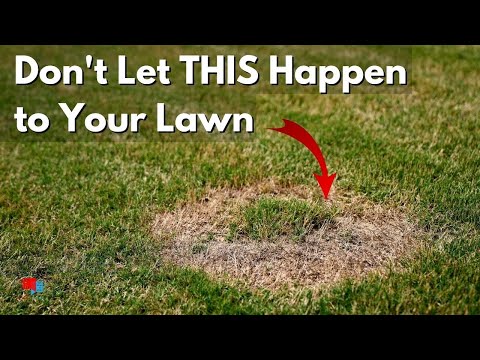
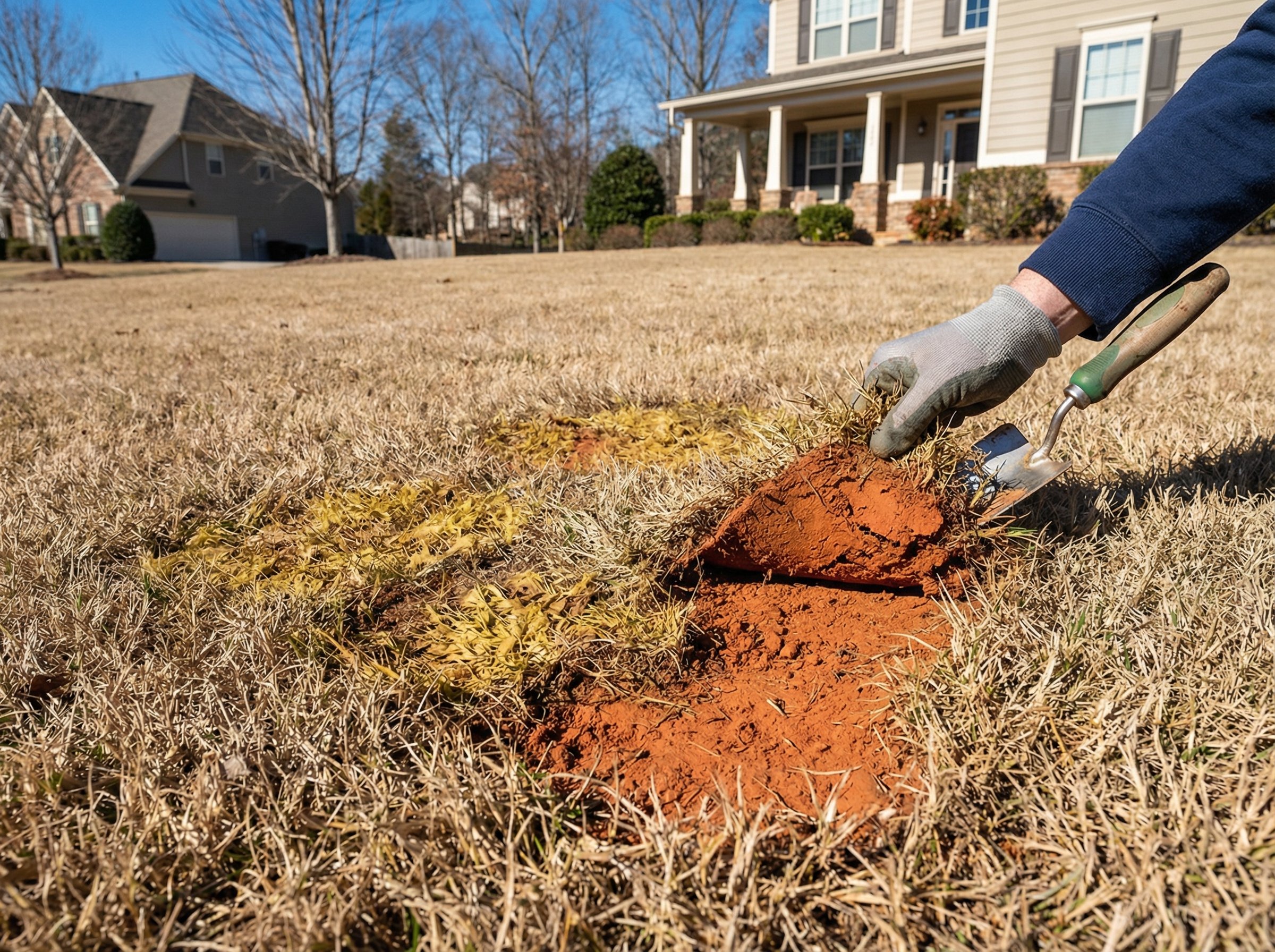
Large patch disease represents the most serious fungal threat to Georgia lawns, particularly affecting Zoysiagrass during cool, wet periods in spring and fall[3]. This disease creates large, circular brown patches with orange or yellow borders, thriving in Georgia's humid conditions.
Brown patch flourishes during Georgia's hot, humid summers, creating circular brown areas in St. Augustinegrass and tall fescue lawns. The disease spreads rapidly when nighttime temperatures exceed 70°F with high humidity levels common throughout the state.
Dollar spot appears as small, silver dollar-sized brown spots on Bermudagrass and Zoysiagrass during periods of heavy dew and moderate temperatures. This disease indicates nitrogen deficiency, requiring both fungicide treatment and proper fertilization.
Spring dead spot affects Bermudagrass as it emerges from winter dormancy, creating circular dead patches that fail to green up[4]. Prevention through fall potassium applications and avoiding excessive nitrogen proves more effective than treatment.
Leaf spot diseases cause brown or tan spots on grass blades, weakening the overall lawn. Proper watering practices, avoiding evening irrigation, and maintaining adequate air circulation help prevent most fungal issues in Georgia's climate.
What Weeds Cause the Biggest Problems in Georgia?
Crabgrass dominates Georgia's summer weed problems, germinating when soil temperatures reach 55°F consistently in early spring. Pre-emergent herbicide applications in late February through early March provide effective control before germination occurs[1].
Dollarweed thrives in Georgia's humid conditions and poorly drained soils, creating round, coin-shaped leaves that compete aggressively with desired grasses. This perennial weed requires post-emergent herbicides containing ingredients specifically labeled for dollarweed control.
Virginia buttonweed spreads rapidly in moist areas, forming dense mats that crowd out grass. Its waxy leaves resist many herbicides, requiring multiple applications of selective post-emergent products during active growth periods.
Nutsedge, often mistaken for grass, grows faster than surrounding turf and appears as bright green triangular stems. This perennial sedge requires specialized herbicides since traditional broadleaf products prove ineffective[5].
Poa annua (annual bluegrass) germinates during Georgia's mild winters, creating light green patches that die during summer heat. Pre-emergent applications in early fall prevent germination, while post-emergent control requires careful timing before summer stress.
When Should I Address These Problems in Georgia?
Timing treatments according to Georgia's climate zones ensures maximum effectiveness. Apply pre-emergent herbicides for crabgrass control in late February when forsythia begins blooming, typically 2-3 weeks before soil temperatures reach the critical 55°F threshold[6].
Fungicide applications for large patch disease should occur in early spring (March-April) and fall (September-October) when conditions favor disease development. Brown patch treatments work best during summer months when symptoms first appear.
Insect control timing varies by pest species. Fall armyworm treatments require immediate action when damage appears, typically August through September. Mole cricket control works best in June and July when young nymphs are most vulnerable to treatment.
Summer weed control should focus on post-emergent treatments during active growth periods, avoiding applications during extreme heat stress. Fall overseeding with ryegrass in October helps suppress winter weeds while providing color during warm-season grass dormancy.
Conclusion
Georgia's unique climate presents specific lawn care challenges that require targeted solutions and precise timing. Focus on preventive measures like proper fertilization, correct mowing heights, and timely pre-emergent applications to avoid major problems. When issues arise, quick identification and appropriate treatment prevent minor problems from becoming major lawn disasters. Consult UGA Cooperative Extension resources for specific product recommendations and detailed treatment protocols suited to your specific grass type and location within Georgia's diverse climate zones.