
Quick Answer
The best grass types for Georgia are warm-season varieties that thrive in USDA hardiness zones 7a-9a: Bermudagrass for high-traffic areas, Zoysiagrass for premium lawns, Centipedegrass for low-maintenance yards, and St. Augustinegrass for shaded areas. In North Georgia's mountains, Tall Fescue performs well as a cool-season alternative[1].
Key Takeaways
- Warm-season grasses dominate Georgia's humid subtropical climate with 90°F summers and 35°F winters
- Bermudagrass offers the best drought tolerance and traffic resistance for Georgia conditions
- Zoysiagrass provides the highest quality lawn but requires more maintenance and cost
- Centipedegrass thrives in Georgia's acidic soils with minimal fertilization needs
- North Georgia mountains (zone 7a) can support Tall Fescue as a year-round option
Georgia's diverse climate zones and humid subtropical weather create unique challenges for lawn establishment. From the cooler North Georgia mountains to the warmer coastal plains, choosing the right grass variety determines your lawn's success against common threats like fall armyworms, large patch disease, and persistent crabgrass pressure.
What Grass Grows Best in Georgia's Climate?
Georgia's warm-season dominant region strongly favors grasses that actively grow during hot, humid summers and enter dormancy during mild winters. The state's 50 inches of annual rainfall and high humidity levels create ideal conditions for warm-season varieties while challenging cool-season grasses except in mountainous areas[2].
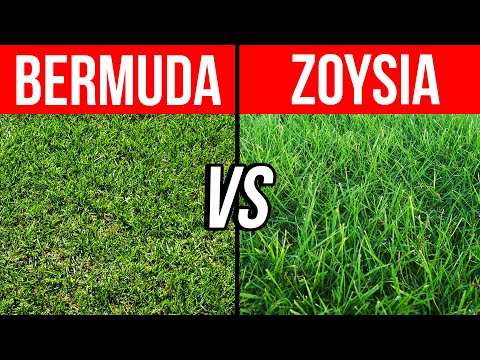
Bermudagrass stands out as Georgia's most popular choice due to its exceptional drought tolerance and rapid recovery from damage. This grass handles Georgia's intense summer heat while resisting common pests like mole crickets better than other varieties. Bermudagrass requires full sun and tolerates the heavy clay soils found throughout much of Georgia[1].
Zoysiagrass offers premium lawn quality with dense growth that naturally crowds out weeds like dollarweed and Virginia buttonweed. While slower to establish, Zoysia's tolerance to Georgia's temperature fluctuations and moderate shade makes it excellent for landscape settings. However, it requires more intensive management during Georgia's active growing season from April through September[3].
Centipedegrass thrives in Georgia's naturally acidic soils without heavy fertilization, earning its nickname as "lazy man's grass." This variety handles the state's humid conditions well while showing good resistance to brown patch disease. Centipedegrass works particularly well in South and Central Georgia where temperatures remain more consistent[4].
Which Grass Varieties Handle Georgia's Specific Challenges?
Georgia homeowners face unique pest and disease pressures that influence grass selection. Fall armyworms cause significant damage during late summer, making grass choice critical for long-term lawn health.
For High-Traffic Areas: Bermudagrass recovers quickly from fall armyworm damage and tolerates heavy foot traffic during Georgia's long growing season. Its aggressive growth helps repair damage before winter dormancy begins in November.
For Shaded Yards: St. Augustinegrass performs best in Georgia's partially shaded areas, tolerating the filtered light under pine trees common throughout the state. However, it requires more water during Georgia's occasional summer dry spells and shows susceptibility to chinch bugs in full sun areas[2].
For Low-Maintenance Lawns: Centipedegrass requires minimal inputs while handling Georgia's acidic soil conditions. It shows natural resistance to many diseases common in Georgia's humid climate, though it struggles with spring dead spot in northern counties.
For Northern Georgia: Tall Fescue works well in USDA zone 7a areas, particularly around the North Georgia mountains where cooler temperatures support cool-season growth. This grass stays green year-round, unlike warm-season varieties that go dormant from November through March[5].
When Should I Plant Grass in Georgia?
Timing grass establishment correctly maximizes success in Georgia's climate zones. Warm-season grasses require soil temperatures consistently above 65°F for proper germination and establishment.
Spring Planting (April-May): Provides the longest growing season for warm-season grasses to establish before facing their first Georgia winter. Soil temperatures reach optimal levels, and the risk of late frost passes in most Georgia counties.
Early Summer Planting (June-July): Still viable for warm-season varieties, though newly planted grass requires more irrigation during Georgia's hottest months. This timing works well for sod installation when irrigation systems are available[1].
Fall Considerations: While not ideal for warm-season grass seeding, October presents the perfect window for overseeding dormant warm-season lawns with annual ryegrass for winter color. This practice is common throughout Georgia for maintaining green lawns during the dormant season[6].
Soil preparation should include testing through UGA's soil testing laboratory to determine pH and nutrient needs. Georgia's clay soils often benefit from organic matter incorporation before planting any grass variety.
How Do I Maintain Georgia Grass Types?
Successful grass management in Georgia requires understanding each variety's specific needs within the state's climate constraints.
Fertilization Schedule: Apply fertilizer from April through September when warm-season grasses actively grow. UGA Cooperative Extension recommends soil testing every 2-3 years to guide fertilizer applications, as Georgia's high rainfall can leach nutrients[1].
Mowing Practices: Begin mowing in March-April when grasses break dormancy, continuing through October-November. Bermudagrass performs best at 1-2 inch heights, while Centipedegrass prefers 1.5-2.5 inches to maintain health during Georgia's hot summers.
Pest Management: Apply pre-emergent herbicides in late February to early March to prevent crabgrass germination. Monitor for fall armyworms during August-September, as these pests cause severe damage to Georgia lawns during their peak activity period.
Disease Prevention: Georgia's humid conditions promote fungal diseases like large patch and brown patch. Proper irrigation timing (early morning) and avoiding over-fertilization with nitrogen help prevent disease outbreaks during the growing season.
Choosing the right grass type for your specific Georgia location and maintenance preferences ensures a healthy, attractive lawn that withstands the state's unique climate challenges. Consider your yard's sun exposure, soil conditions, and intended use when selecting from these proven varieties. For detailed recommendations specific to your county, consult your local UGA Cooperative Extension office for personalized guidance based on your exact location and conditions.