
Quick Answer
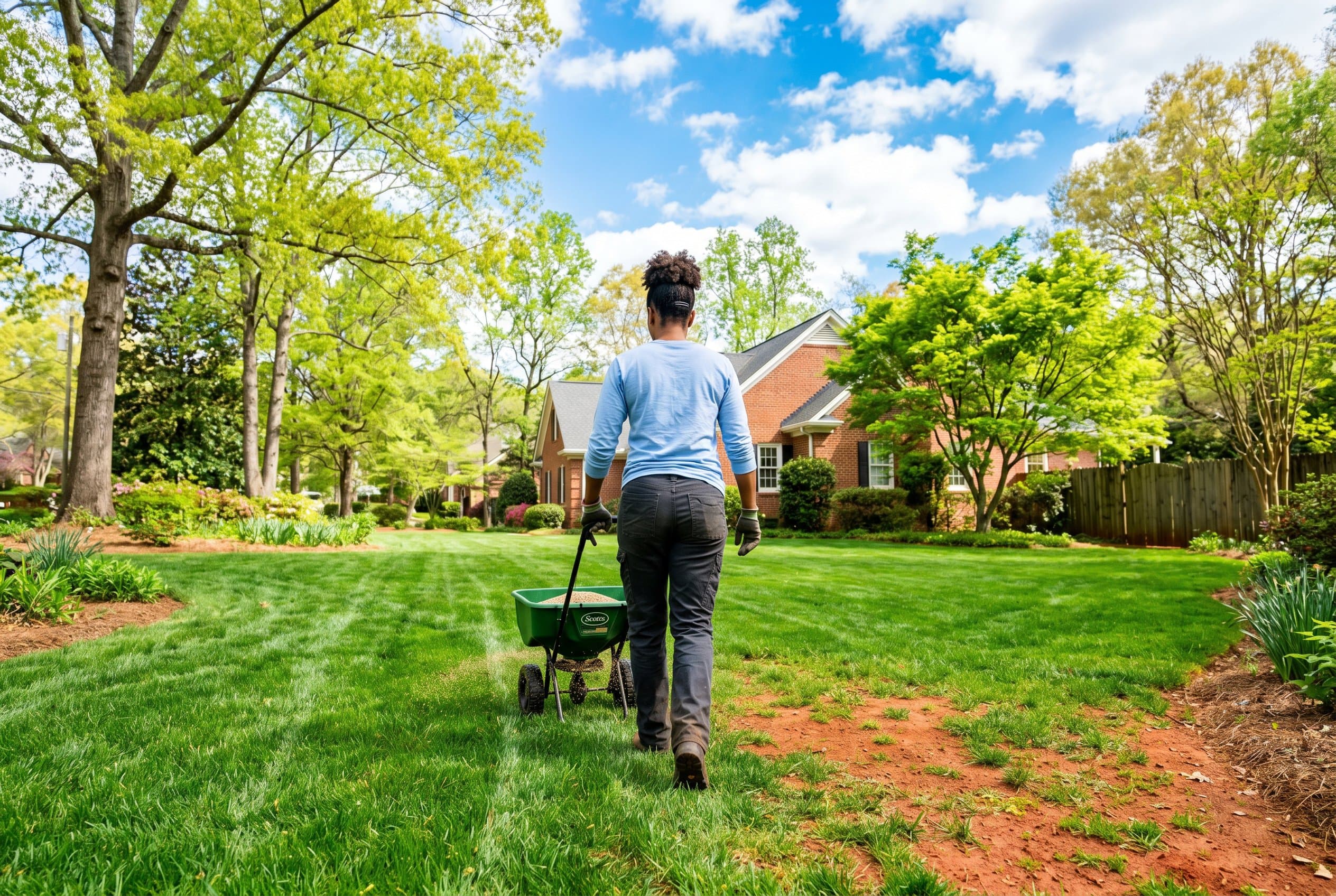
The best time to plant warm-season grass seed in Georgia is late spring through early summer (May through July), when soil temperatures consistently reach 65-70°F[1]. For cool-season grasses like tall fescue in northern Georgia, plant in early fall (September to mid-October) or early spring (March to April)[2]. Georgia's humid subtropical climate and USDA zones 7a-9a create ideal conditions for warm-season grasses during these warmer months.
Key Takeaways
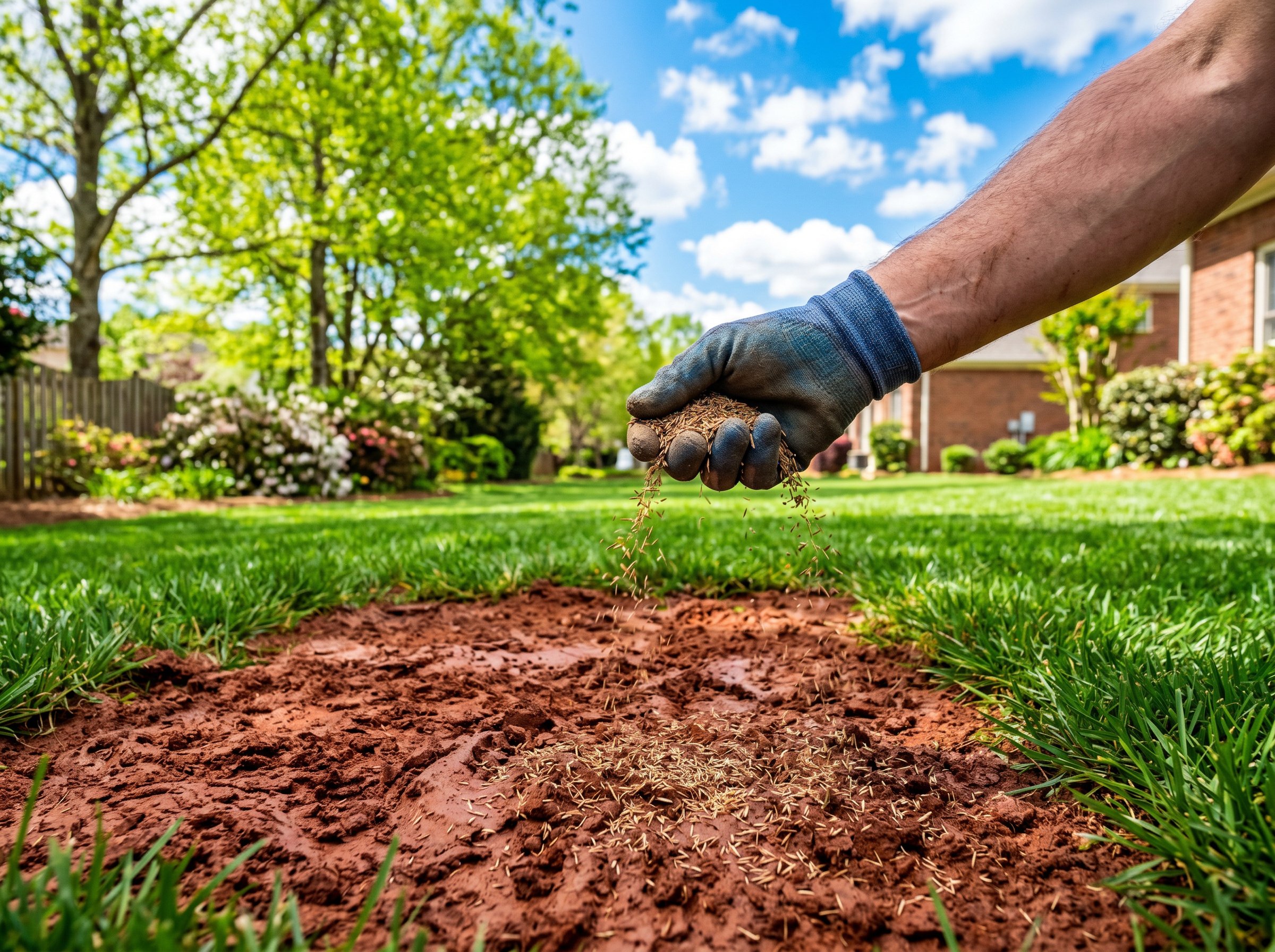
- Plant warm-season grasses (Bermuda, Zoysia, Centipede) from May through July when soil temperatures reach 65-70°F
- Cool-season tall fescue works best in northern Georgia mountains, planted in fall (September-October) or spring (March-April)
- Georgia's high humidity and 50 inches of annual rainfall create favorable germination conditions
- Avoid planting during peak summer heat (August) or winter dormancy periods (November-March)
- Pre-emergent herbicide timing affects when you can plant - wait 10-12 weeks after application
Introduction
Georgia's diverse climate zones and warm-season grass dominance require specific timing strategies for successful grass establishment. From the cooler mountains of north Georgia (zone 7a) to the warmer coastal plains (zone 9a), understanding when soil and air temperatures align with your chosen grass type makes the difference between a thriving lawn and a failed seeding attempt[3]. Georgia's notorious pests like fall armyworms and diseases such as large patch also influence optimal planting windows.
What's the Best Time for Warm-Season Grasses in Georgia?
Warm-season grasses dominate Georgia lawns and require specific temperature conditions for successful germination. Plant Bermudagrass, Zoysiagrass, Centipedegrass, and St. Augustinegrass when soil temperatures consistently reach 65-70°F, typically from May through July[1].
Bermudagrass germinates quickly in Georgia's climate, usually within 7-14 days when planted in late May through June. This timing allows the grass to establish before peak summer stress while avoiding competition from crabgrass that emerges earlier in spring[4].
Zoysiagrass requires warmer soil temperatures (70-75°F) and benefits from June planting in Georgia. Though slower to establish, this timing provides the full growing season needed for root development before winter dormancy[2].
Centipedegrass thrives in Georgia's acidic soils and humid conditions. Plant from late May through early July, taking advantage of the state's average 50 inches of annual rainfall during growing season[5].
Avoid August planting in Georgia due to extreme heat stress and increased disease pressure from high humidity. Late summer also coincides with fall armyworm activity, which can devastate newly seeded areas[1].
When Should I Plant Cool-Season Grass in Georgia?
Cool-season grasses have limited success in Georgia, primarily in the northern mountain regions (zones 7a-7b) where temperatures remain cooler. Tall fescue represents the main cool-season option for Georgia homeowners[2].
Fall planting (September to mid-October) provides optimal results for tall fescue in north Georgia. Soil temperatures remain warm enough for germination while air temperatures begin cooling, reducing heat stress on seedlings. This timing allows root establishment before winter and vigorous spring growth[6].
Spring planting (March to April) offers a secondary window, though success rates decrease due to summer heat stress. Plant early enough to allow 6-8 weeks of establishment before Georgia's intense summer heat arrives[3].
Tall fescue struggles in central and southern Georgia due to high humidity and summer temperatures averaging 90°F. Consider warm-season alternatives like Centipedegrass for lower maintenance in these regions[1].
How Does Georgia's Climate Affect Grass Seed Timing?
Georgia's humid subtropical climate creates unique considerations for grass seeding success. The state's high humidity levels benefit seed germination by maintaining soil moisture, but also increase disease pressure once grass establishes[5].
Regional variations within Georgia affect timing strategies. Northern mountains (zone 7a) allow for cool-season grass success and extend warm-season planting windows into early August. Southern regions (zones 8b-9a) require earlier spring planting to avoid extreme summer stress[2].
Rainfall patterns support grass establishment, with peak growing season receiving adequate moisture. However, Georgia's occasional drought periods during July-August make early summer planting (May-June) more reliable than late summer attempts[4].
Pest and disease timing influences planting success. Fall armyworms peak in late summer, making August seeding risky. Large patch disease pressure increases during warm, humid springs, favoring later spring planting for susceptible warm-season grasses[1].
Pre-emergent herbicide considerations affect timing since most Georgia lawns receive crabgrass prevention treatments in late February through early March. Wait 10-12 weeks after application before seeding, pushing optimal planting into May or later[6].
Conclusion
Successful grass seeding in Georgia requires matching your grass type to the state's warm-season dominant climate and timing plantings with optimal soil temperatures. Focus on May through July for warm-season varieties like Bermuda, Zoysia, and Centipede, while reserving tall fescue for northern Georgia's fall planting window. Monitor soil temperatures, consider pre-emergent timing, and prepare for Georgia's unique pest pressures to achieve the best results. Start soil preparation 2-3 weeks before your target planting date, and ensure adequate irrigation during the critical first 3-4 weeks of establishment.