Quick Answer
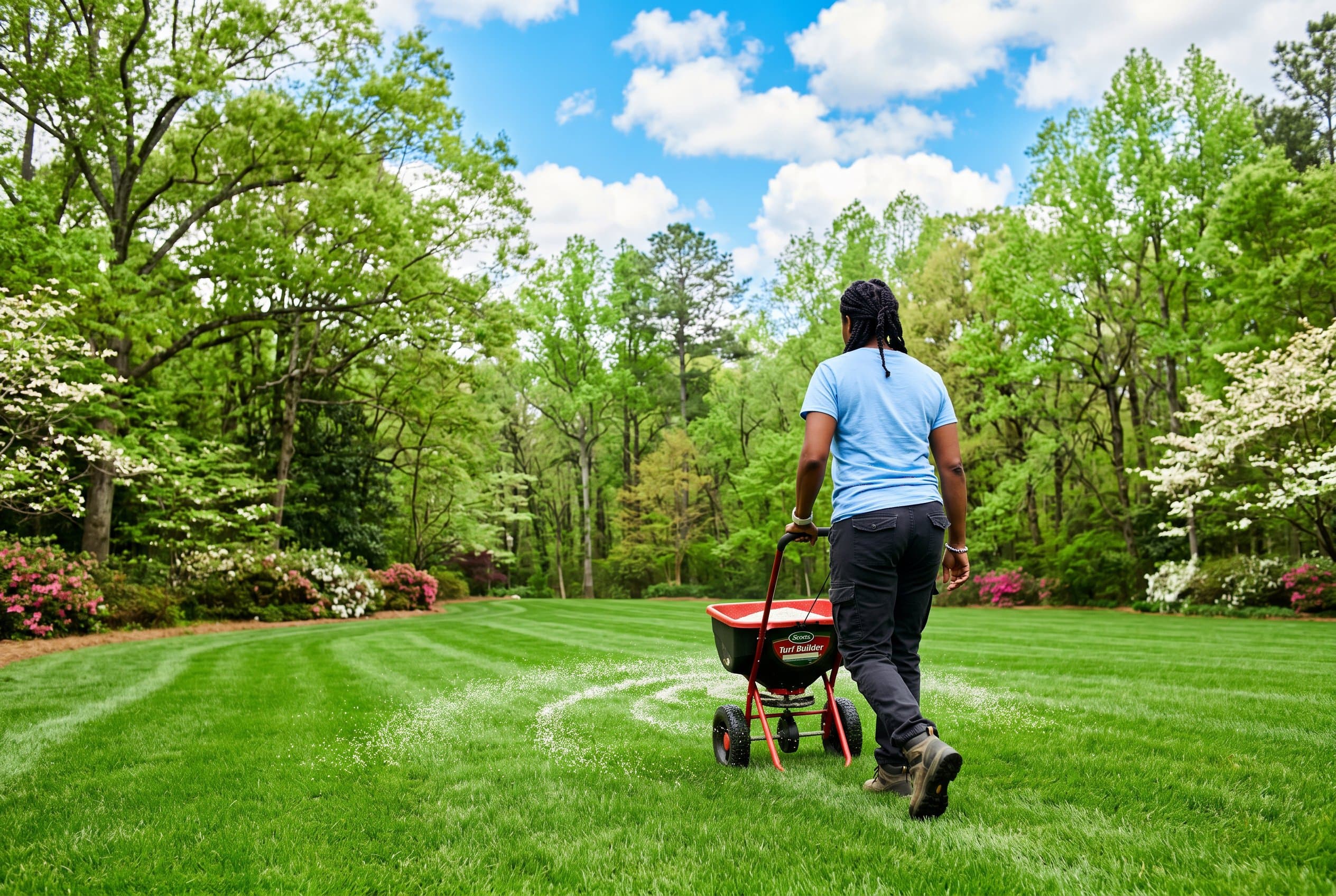
In Georgia's warm-season grass climate (USDA zones 7a-9a), fertilize your lawn from April through September when grasses are actively growing. Bermudagrass and Zoysiagrass need 4-6 applications per season, while Centipedegrass requires only 1-2 light feedings to avoid overfertilization.
Key Takeaways
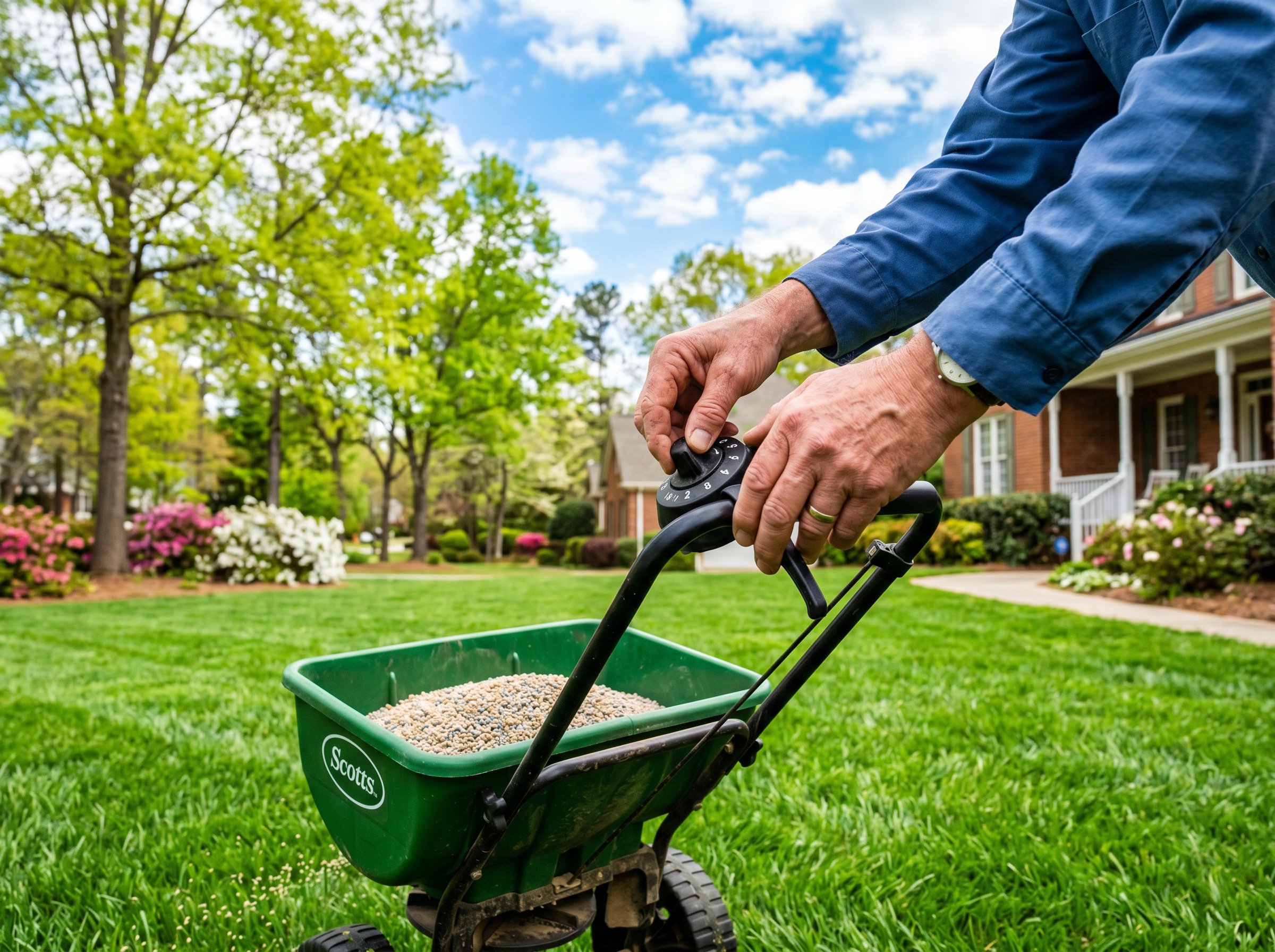
- Apply first fertilizer in mid-April when soil temperatures reach 65°F consistently
- Bermudagrass needs the most nutrients (4-6 lb nitrogen per 1,000 sq ft annually)
- Centipedegrass requires minimal fertilizer to prevent iron chlorosis
- Stop fertilizing by early September to prepare grasses for winter dormancy
- North Georgia mountains may start 2-3 weeks later due to cooler temperatures
Introduction
Georgia's humid subtropical climate and diverse hardiness zones create unique fertilization challenges for homeowners. With hot summers averaging 90°F and mild winters, warm-season grasses dominate the landscape, each requiring specific nutrient timing. The University of Georgia Cooperative Extension emphasizes that proper fertilization timing is crucial for developing disease resistance against common Georgia problems like large patch and brown patch[1].
What Fertilizer Schedule Works Best for Georgia's Main Grass Types?
Georgia's primary warm-season grasses have dramatically different fertilizer needs based on their growth patterns and nutrient requirements.
Bermudagrass Fertilization Schedule
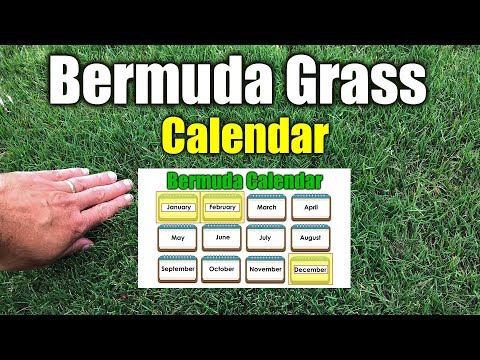
Bermudagrass thrives in Georgia's climate but demands consistent nutrition throughout the growing season. Apply fertilizer in mid-April when soil temperatures consistently reach 65°F[2]. Follow this schedule:
- April: First application with complete fertilizer (16-4-8 or similar)
- Late May: Second nitrogen application
- July: Mid-summer feeding to maintain color and density
- August: Final application before September cutoff
Bermudagrass can handle 4-6 pounds of nitrogen per 1,000 square feet annually, making it the hungriest grass in Georgia[1].
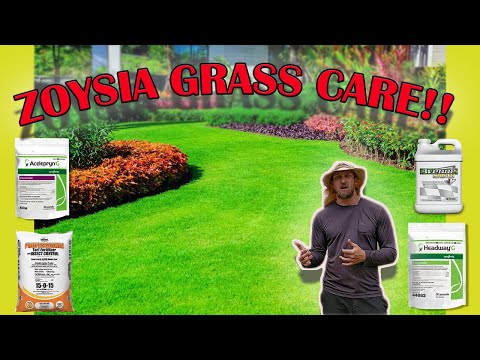
Zoysiagrass Fertilization Timing
Zoysiagrass grows slower than Bermudagrass but still needs regular feeding. This grass type is particularly susceptible to large patch disease in Georgia's humid conditions, making proper fertilization crucial for disease resistance[3].
- Late April: First application when grass shows active growth
- June: Mid-season nitrogen boost
- August: Final summer application
Limit Zoysiagrass to 3-4 pounds of nitrogen annually to prevent excessive growth.
Centipedegrass Special Requirements
Centipedegrass, popular in south Georgia, requires the lightest fertilization schedule. Overfertilization causes iron chlorosis (yellowing) and increases susceptibility to cold damage[1].
- May: Single light application of 15-0-15 or similar low-nitrogen blend
- Optional July: Light feeding only if grass shows yellowing
Never exceed 2 pounds of nitrogen per 1,000 square feet annually with Centipedegrass.
St. Augustinegrass Nutrition Needs
St. Augustinegrass grows well in coastal Georgia and requires moderate fertilization. This grass type is prone to gray leaf spot in Georgia's humid summers[4].
- April: Initial spring feeding
- June: Mid-season application
- August: Final summer feeding
Maintain 3-4 pounds of nitrogen annually for optimal St. Augustinegrass health.
How Does Georgia's Climate Affect Fertilizer Timing?
Georgia's diverse climate zones significantly impact fertilization timing. The UGA Cooperative Extension divides the state into distinct regions based on temperature patterns and grass performance[1].
North Georgia Mountains (Zone 7a)
Cooler temperatures in north Georgia delay spring green-up by 2-3 weeks. Start fertilizing in early May rather than April, and consider the shorter growing season when planning applications[5].
Central and South Georgia (Zones 8a-9a)
Warmer regions can begin fertilization in mid-April when soil temperatures rise consistently. The longer growing season allows for more fertilizer applications, but stop by early September to prevent late-season growth vulnerable to unexpected cold snaps[2].
Rainfall and Humidity Considerations
Georgia's 50 inches of annual rainfall affects fertilizer application timing. Avoid fertilizing before heavy rain periods to prevent nutrient runoff. The high humidity increases disease pressure, making balanced nutrition essential for disease resistance[6].
When Should I Stop Fertilizing My Georgia Lawn?
Timing your final fertilizer application correctly is crucial for winter survival in Georgia. The UGA Cooperative Extension recommends stopping nitrogen applications by early September to allow grasses to prepare for dormancy[1].
Late fertilization stimulates tender growth susceptible to winter damage, even in Georgia's mild climate. This timing also reduces the risk of promoting fall armyworm activity, a common late-season pest in Georgia lawns[3].
Pre-Winter Preparation
After your final summer fertilization:
- Apply potassium-rich fertilizer in October to improve cold tolerance
- Avoid nitrogen applications until the following spring
- Consider winter ryegrass overseeding in October for year-round green color
Conclusion
Successful lawn fertilization in Georgia requires understanding your specific grass type and local climate zone. Start feeding in April for most of Georgia, adjust timing based on your location within zones 7a-9a, and always stop nitrogen applications by September. Focus on your grass type's specific needs—heavy feeding for Bermudagrass, moderate for Zoysia and St. Augustine, and minimal for Centipedegrass. Monitor your lawn's response and adjust timing based on seasonal weather patterns for optimal results.