
Quick Answer
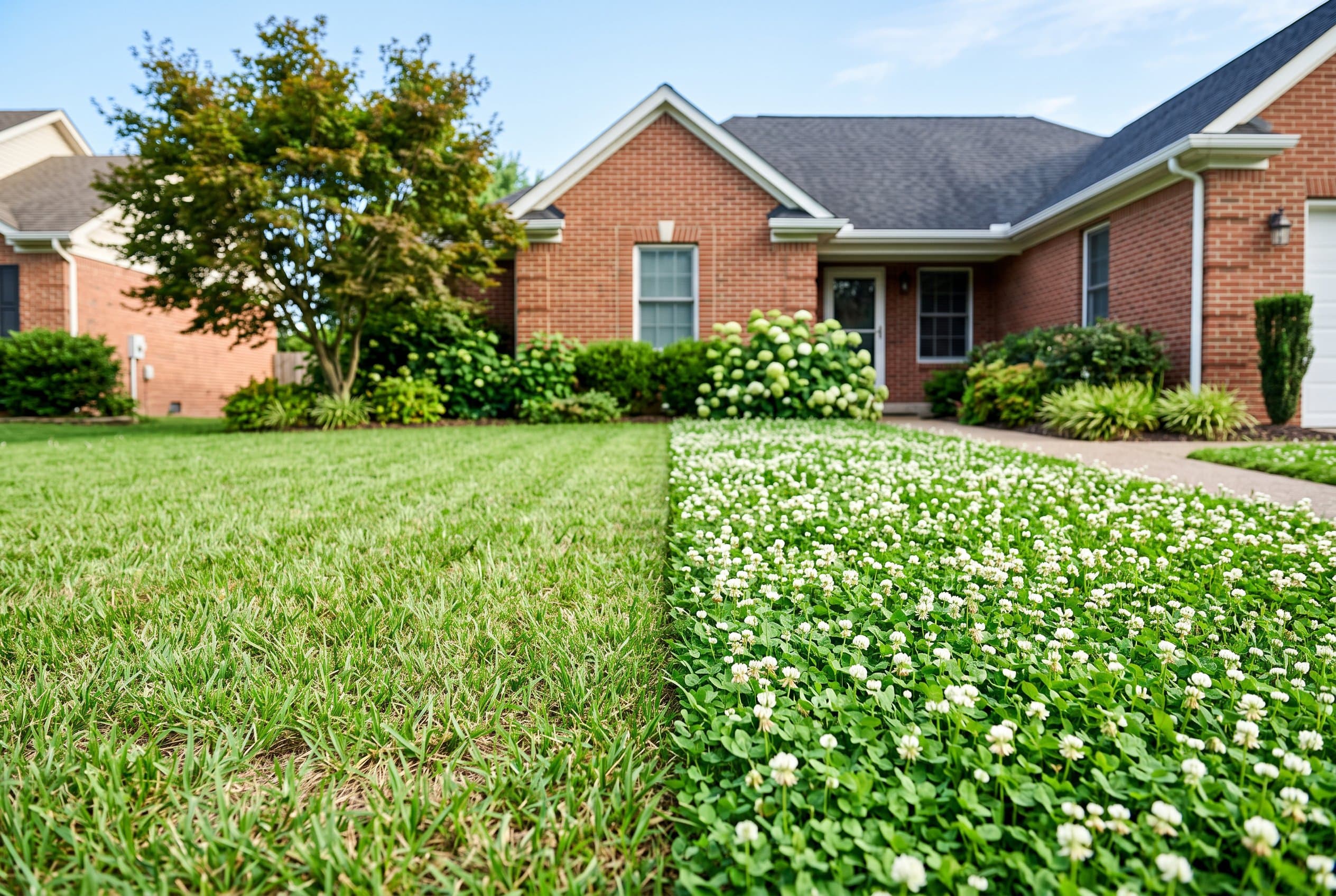
Microclover is a low-growing clover variety that blends well with grass to create a durable, eco-friendly lawn. It fixes nitrogen from the air, reducing fertilizer needs, but it does have trade-offs like seasonal die-back and susceptibility to heavy foot traffic in pure stands. For most homeowners, a grass-microclover mix offers the best balance of appearance and performance.
Key Takeaways
- Microclover fixes atmospheric nitrogen, cutting fertilizer use by up to 50%
- It stays lower and blooms less than standard white clover, making it more lawn-friendly
- Pure microclover lawns can thin under heavy foot traffic; mixing with grass is recommended
- It supports pollinators and reduces the need for herbicides in blended lawns
- Microclover goes dormant in winter and may look patchy until spring in cool climates
Introduction
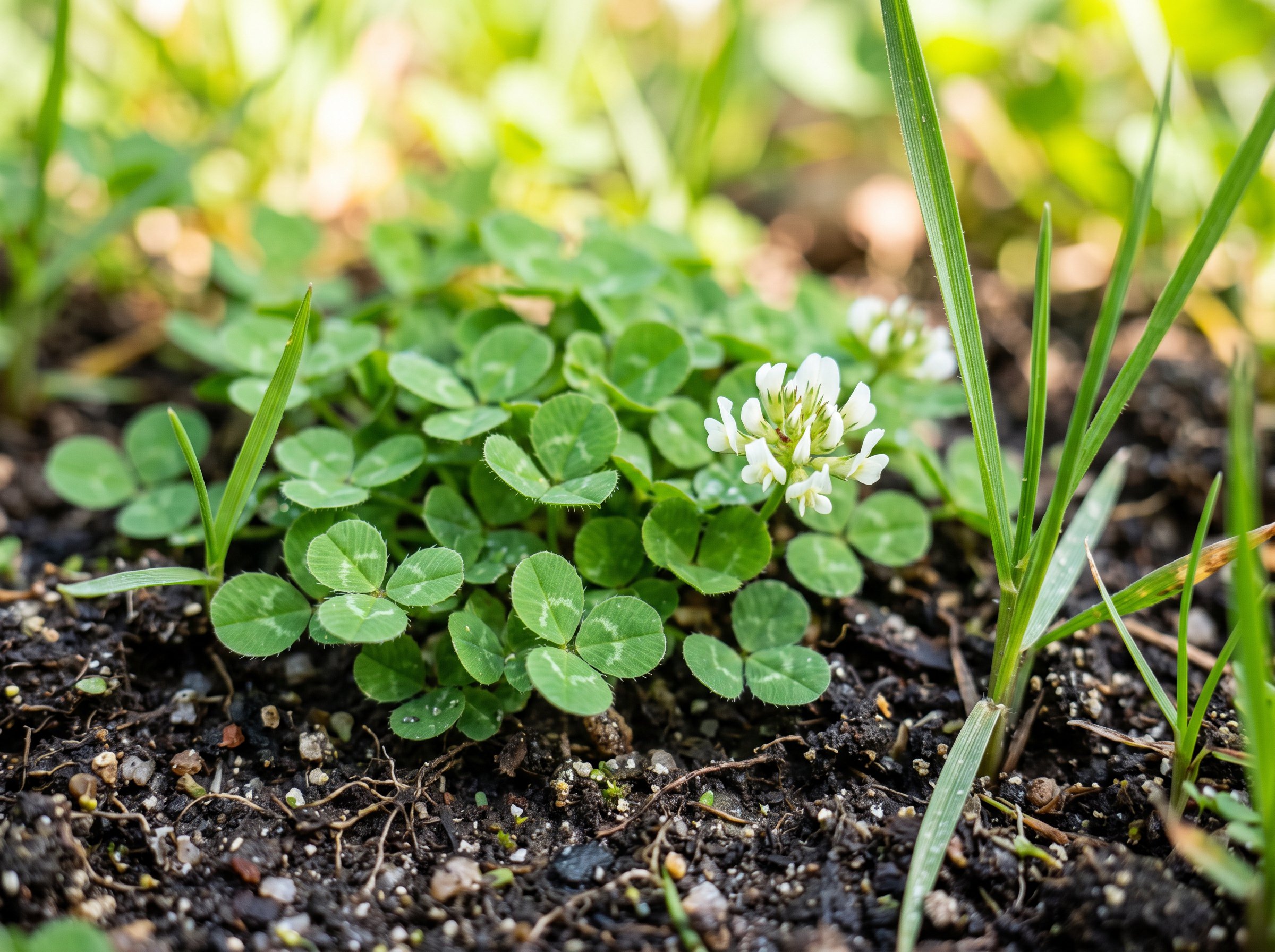
Homeowners searching for a greener, lower-maintenance lawn are increasingly turning to microclover (Trifolium repens var. Pipolina). Unlike standard white clover, microclover produces smaller leaves and fewer flowers, making it easier to blend seamlessly into a traditional grass lawn. Whether you want to cut fertilizer costs, support local pollinators, or simply reduce your lawn care workload, microclover deserves a close look — but it isn't perfect for every yard.
What Are the Main Benefits of a Microclover Lawn?
Microclover brings several compelling advantages to the average homeowner's yard.
It Feeds Your Lawn Naturally
Microclover hosts rhizobial bacteria in its roots that fix atmospheric nitrogen and release it into the soil[1]. This natural fertilization can meaningfully reduce how often you need to apply synthetic nitrogen fertilizers — a significant cost and environmental benefit[2]. Lawns with 5–20% microclover content often show improved overall grass color and density without extra feeding.
It's Drought-Tolerant and Stays Green
Microclover has deeper roots than most cool-season grasses, allowing it to access moisture further down in the soil profile. During mild summer dry spells, microclover patches often remain green longer than surrounding turf[3]. This makes it especially appealing in transition-zone yards or areas with water restrictions.
It Supports Pollinators
Even though microclover flowers less than standard clover, it still produces small blooms that attract bees and beneficial insects[4]. Maintaining a pollinator-friendly yard has become an important goal for many municipalities and conservation-minded homeowners alike.
What Does a Microclover Lawn Actually Look Like Over Time?
Understanding what to expect through the seasons helps you decide if microclover fits your goals.
Spring and Summer
In spring, microclover greens up quickly and fills in bare patches, giving your lawn a lush, even appearance. During summer heat, it may slow growth but generally holds color better than fine fescues. In a grass-microclover mix seeded at roughly 5–10% clover by weight, you'll notice subtle texture variation that most people find attractive rather than weedy.
Fall and Winter
Microclover is not truly evergreen in most climates. It goes semi-dormant in late fall and may yellow or thin during hard freezes[1]. In USDA hardiness zones 3–7, expect some winter patchiness that fills back in by late spring[5]. In warmer zones (8+), it often stays greener through mild winters.
How It Ages
Over time, microclover self-seeds and spreads modestly. It doesn't typically become invasive in a mixed lawn, but in garden beds it can creep if not edged. Plan to overseed thin areas every 2–3 years to maintain density.
What Are the Drawbacks of Microclover?
Microclover isn't a perfect solution for every homeowner.
Foot Traffic Tolerance Is Limited
In pure microclover stands, heavy or concentrated foot traffic — like kids playing the same route repeatedly — can thin the stand quickly. Mixing microclover with a durable grass like tall fescue or Kentucky bluegrass significantly improves wear resistance[2].
Herbicide Sensitivity
Many broadleaf herbicides used for weed control will kill microclover along with dandelions and other weeds. If you use a standard weed-and-feed product, you'll damage or eliminate your clover. Spot-treat weeds manually or choose clover-safe herbicide formulations instead[3].
Not Ideal for High-Precision Landscapes
Microclover's fine texture and occasional blooms can look informal. If you maintain a putting-green-style lawn or prioritize a perfectly uniform appearance, a pure grass lawn may suit you better.
Conclusion: Is Microclover Right for Your Lawn?
For most homeowners willing to embrace a slightly relaxed aesthetic, microclover is an excellent addition to a grass lawn. Start by overseeding your existing lawn with a grass-microclover blend at a 5–10% clover ratio in early fall or spring. Reduce nitrogen fertilizer applications and switch to manual or targeted weed control. Monitor foot traffic patterns and overseed thin areas as needed. If you want a low-input, eco-friendly lawn that stays reasonably green with less effort, microclover is well worth trying.