Quick Answer
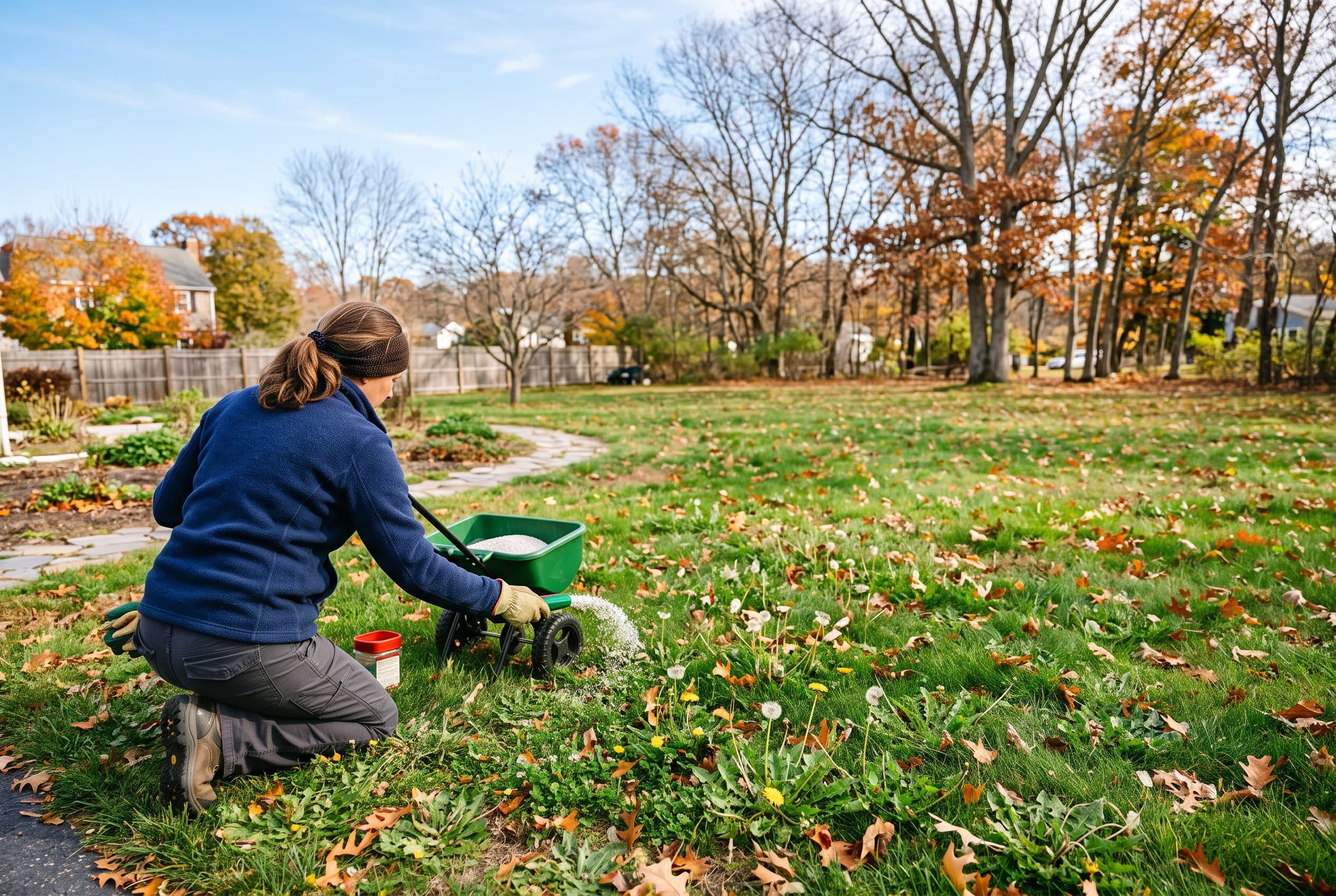
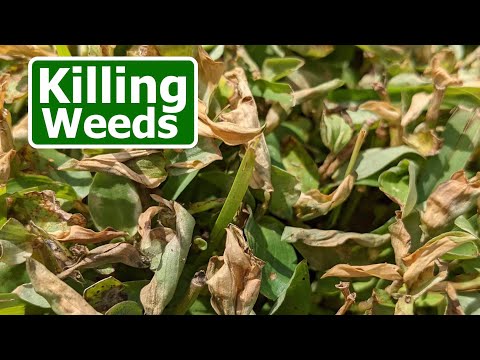
The best fall weed control strategy combines post-emergent herbicides in early fall to kill existing broadleaf weeds, followed by a pre-emergent application in late fall to prevent winter annuals from germinating. Acting in fall — when weeds are actively pulling nutrients into their roots — makes herbicides significantly more effective than spring treatments.
Key Takeaways
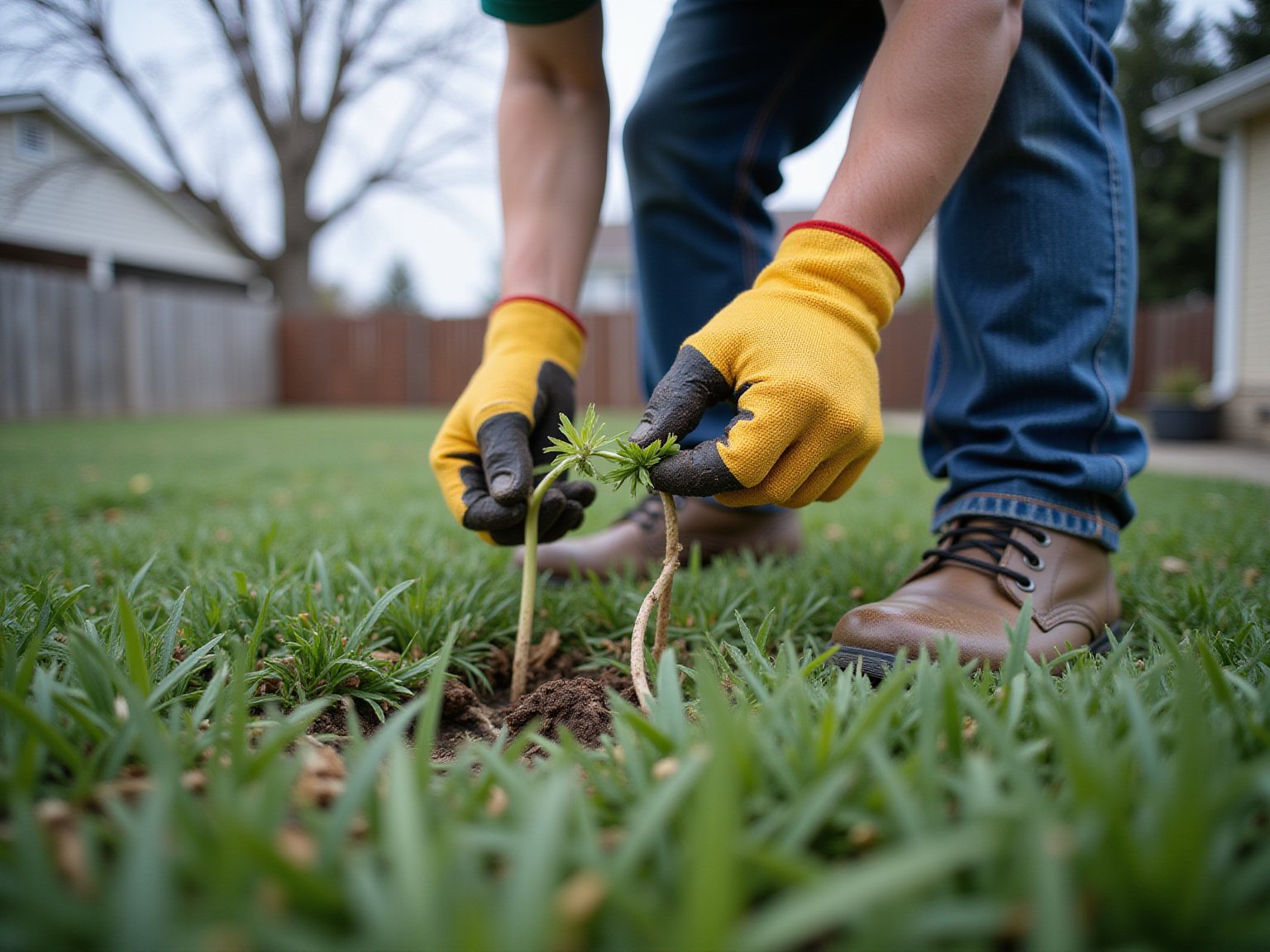
- Fall is the most effective season for controlling perennial broadleaf weeds like dandelions and clover
- Apply post-emergent herbicides when daytime temps are still 50–80°F and weeds are actively growing
- Pre-emergent herbicides in late fall block winter annual weeds like henbit and chickweed
- Overseeding and herbicide applications must be timed carefully — most herbicides require a 6–8 week gap before seeding
- A healthy, dense lawn is your best long-term defense against weed pressure
Introduction
Most homeowners think of weed control as a spring job — but fall is actually the power season. Weeds spend autumn storing energy in their root systems, which means they're actively absorbing whatever they encounter, including herbicides. A well-timed fall strategy eliminates existing weeds, prevents new ones from overwintering, and sets your lawn up for a cleaner, healthier spring[1].
Why Is Fall the Best Time to Treat Weeds?
Perennial weeds like dandelions, plantain, and ground ivy are in "storage mode" during fall. As temperatures drop, these plants translocate nutrients downward into their root systems[2]. When you apply a systemic herbicide during this window, the plant carries it directly to the roots — killing the weed completely rather than just burning back the top growth.
Spring applications, by contrast, often only damage the visible parts of the plant while leaving roots intact, leading to regrowth. Fall-applied broadleaf herbicides are absorbed more thoroughly, delivering superior root kill[3].
The ideal treatment window is mid-September through early November, depending on your region. You want weeds actively growing but temperatures consistently above 50°F for proper herbicide absorption.
How to Execute Your Fall Weed Control Plan
A complete fall strategy has two phases: eliminating current weeds and blocking new ones.
Phase 1: Post-Emergent Treatment (Early Fall)
Target actively growing broadleaf weeds with a selective liquid post-emergent herbicide[1]. Granular options work too, but liquid formulas offer better leaf coverage and faster absorption.
- Spot-treat light infestations to minimize chemical use
- Broadcast-apply if weeds cover more than 30% of the lawn
- Apply on a calm, dry day when no rain is expected for 24 hours
- Avoid mowing 2–3 days before and after treatment to maximize leaf surface area
Phase 2: Pre-Emergent Treatment (Late Fall)
Winter annual weeds — henbit, chickweed, annual bluegrass — germinate in fall and flourish the following spring[4]. Apply a pre-emergent herbicide when soil temperatures drop to around 55°F (use a soil thermometer for accuracy).
- Check your local extension service for soil temperature data in your area
- Water in granular pre-emergents within 24–48 hours of application
- Do not apply pre-emergents to areas you plan to reseed — they block all seed germination
Timing Seeding Around Herbicide Applications
If you're overseeding in fall, sequence matters[2]. Most post-emergent broadleaf herbicides require a 6–8 week waiting period before seeding. Pre-emergent herbicides will prevent grass seed from germinating, so choose: seed first or pre-emergent first — not both simultaneously.
A practical approach: overseed in late August through early September, then apply pre-emergent in late October once new grass is established.
What Lawn Conditions Make Herbicides More Effective?
Herbicides work best when the lawn environment supports good weed uptake and your turf can recover quickly[3].
- Mow at proper height — don't scalp before treatment; let weeds have enough leaf surface to absorb the product
- Soil moisture — slightly moist (not saturated) soil improves systemic movement of herbicides through roots[5]
- Avoid fall fertilizing weeds — apply any fall lawn fertilizer after weeds have been treated and are dying back
- Aerate first — if you core aerate before herbicide application, product penetrates more deeply into the root zone
A dense, vigorous lawn naturally crowds out weeds. Pairing your herbicide program with good cultural practices — proper mowing height, adequate fertilization, and correct watering — delivers long-term results that chemicals alone can't achieve[4].
Conclusion: Your Fall Weed Control Action Plan
Don't wait until spring to fight weeds — fall is when the real battle is won. Here's your sequence:
- Early fall (September): Apply selective post-emergent herbicide to broadleaf weeds while temperatures remain above 50°F
- Mid-fall (October): Monitor soil temps; apply pre-emergent when temps hit 55°F
- Throughout fall: Maintain proper mowing height and water consistently to support turf density
- After treatment: Note problem areas and plan any overseeding or aeration for the following season
A little effort this fall means far fewer weeds to battle next spring.