
Quick Answer
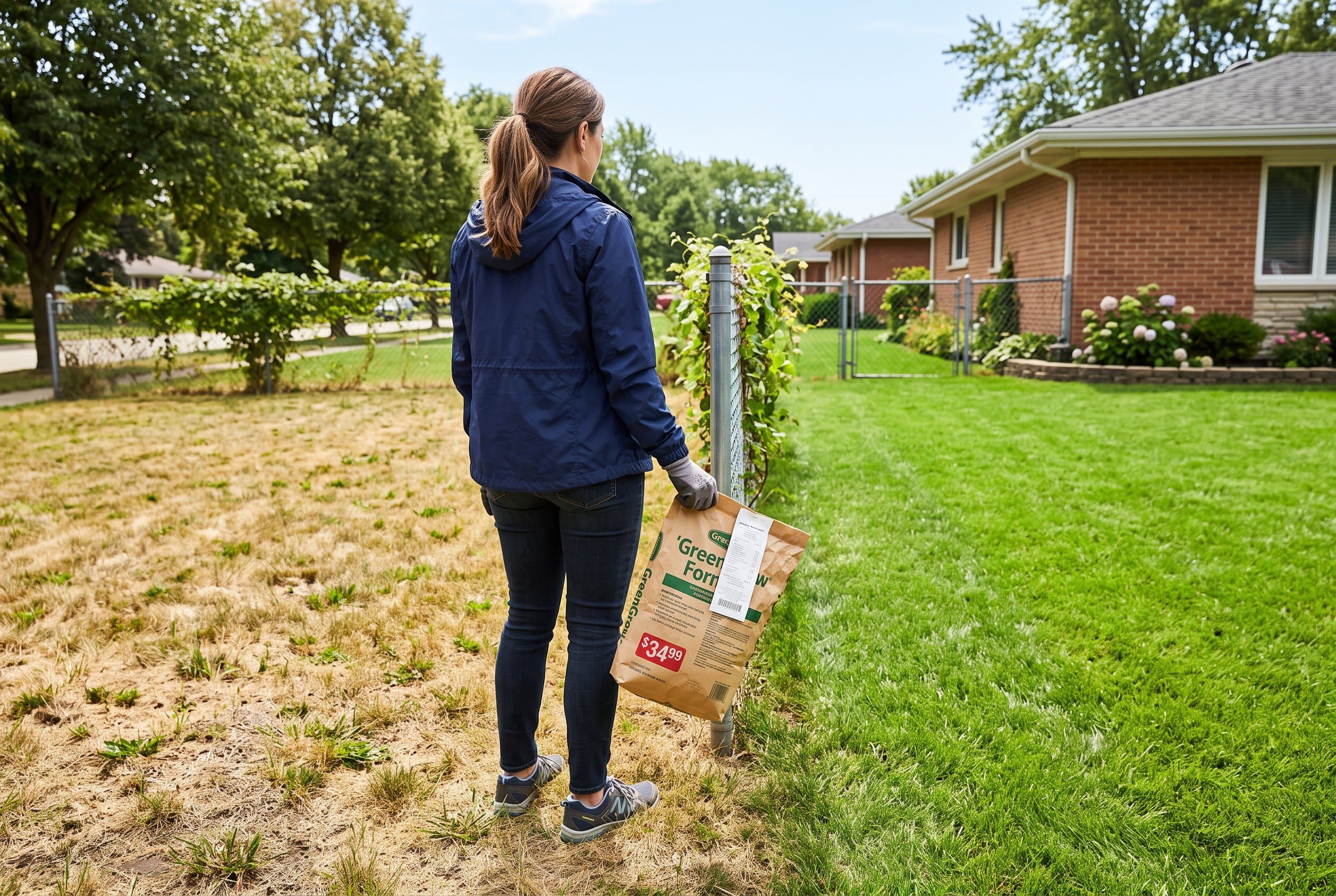
Lawn fertilizer remains expensive in 2026 due to persistently high natural gas prices (used to manufacture nitrogen fertilizers), ongoing global supply chain disruptions, and increased demand from both agricultural and residential markets. Homeowners can offset costs by soil testing before buying, choosing slow-release products for fewer applications, and timing purchases during off-season sales.
Key Takeaways
- Natural gas is the primary raw material for nitrogen fertilizers, so energy prices directly drive fertilizer costs
- Global supply chain issues and geopolitical tensions continue to limit phosphorus and potash imports
- Buying fertilizer in bulk or during fall/winter off-season sales can save 20–35%
- A soil test prevents over-fertilizing — you may need less than you think
- Slow-release fertilizers cost more upfront but require fewer applications, saving money long-term
Introduction
If you've walked down the lawn care aisle lately and done a double-take at the price tags, you're not alone. Fertilizer costs have remained stubbornly high heading into 2026, frustrating homeowners who just want a healthy, green lawn without a shocking receipt. Understanding why prices are high helps you shop smarter — and spend less[1].
What's Driving Fertilizer Prices So High?
Fertilizer pricing is tied to global commodity markets, and several forces are working against consumers right now[2].
Natural Gas and Nitrogen Production
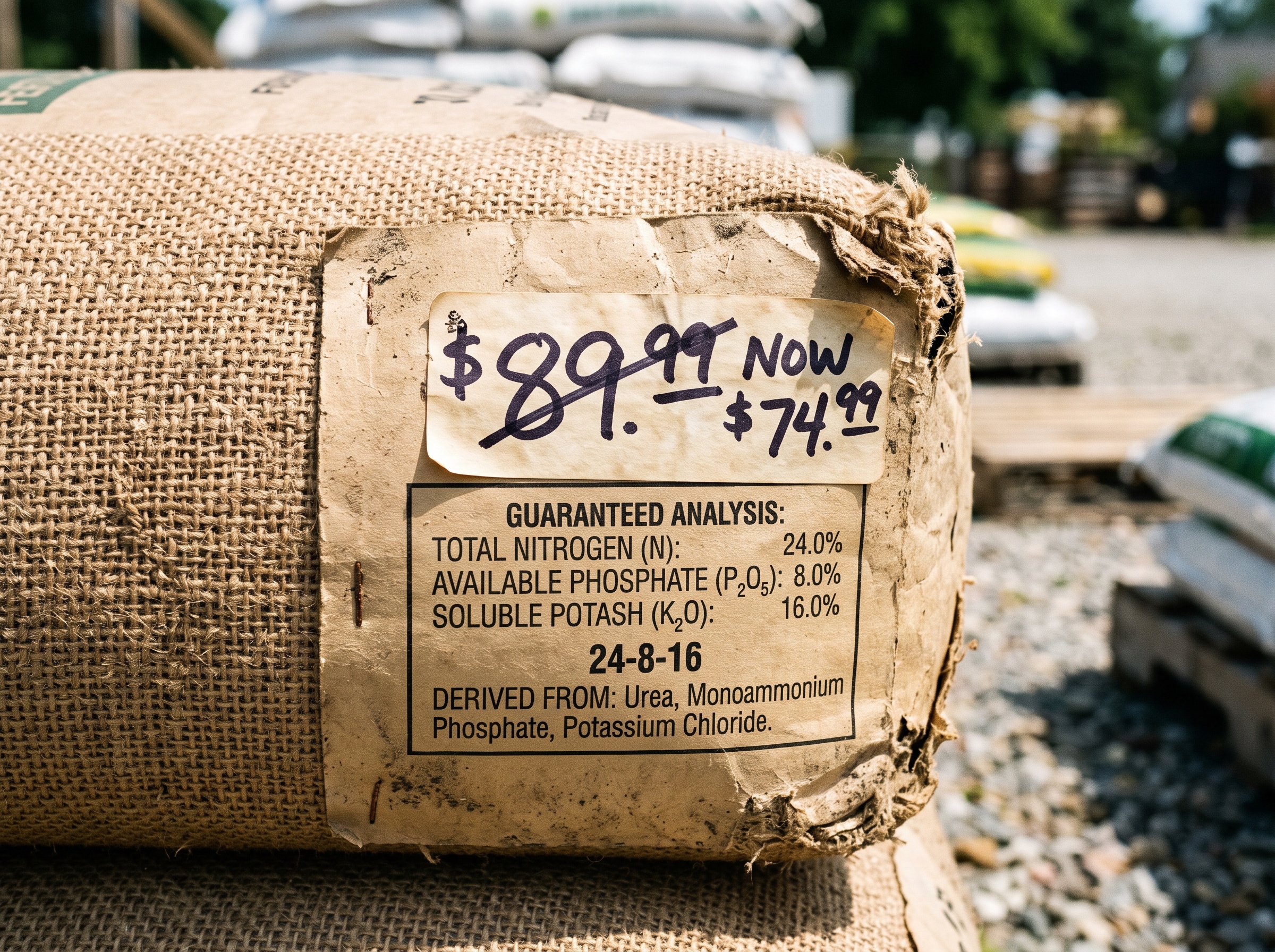
Nitrogen — the "N" in your fertilizer's N-P-K ratio — is manufactured using the Haber-Bosch process, which requires enormous amounts of natural gas. When energy prices spike, nitrogen fertilizer prices follow almost immediately. Natural gas markets have remained volatile through 2025–2026, keeping nitrogen-based fertilizers like urea and ammonium nitrate expensive[3].
Phosphorus and Potash Supply Constraints
Phosphorus and potassium (potash) are mined minerals, and a significant share of global supply comes from geopolitically sensitive regions. Trade restrictions, export bans, and shipping bottlenecks have all contributed to tighter supply and higher prices for these nutrients[4].
Increased Demand from Agriculture
Farm-sector demand competes directly with homeowner demand at retail. When crop prices are strong, farmers fertilize aggressively, drawing down supply and pushing prices higher across the board. Residential lawn fertilizer is produced on the same supply chain[1].
How to Stretch Your Fertilizer Budget This Season
You don't have to accept full retail price or skip fertilizing altogether. These practical steps help you get maximum lawn benefit for minimum cost.
Start with a Soil Test
Before spending anything on fertilizer, test your soil[5]. A basic test from a university extension lab costs $15–$25 and tells you exactly which nutrients your lawn actually needs. Many homeowners over-apply fertilizer — paying for nutrients their lawn doesn't need and potentially causing runoff issues[2].
Choose Slow-Release Formulas
Slow-release (controlled-release) fertilizers cost more per bag, but they feed your lawn steadily over 8–12 weeks instead of 4–6 weeks. Fewer applications per season means less total product purchased — and less risk of burning your grass with a hot application[3].
Buy Off-Season
Fertilizer prices typically dip in late fall and winter when demand drops. Buying a season ahead — during November or December sales — can save 20–35% compared to spring retail pricing. Store bags in a cool, dry location to preserve effectiveness.
Consider Organic Alternatives
Compost, grass clippings ("grasscycling"), and other organic amendments build soil health over time and reduce your dependence on synthetic fertilizers[4]. Leaving clippings on the lawn after mowing can return meaningful nitrogen to the soil — effectively a free fertilizer application every time you mow[5].
When Should You Fertilize to Get the Best Results?
Timing matters as much as what you buy. Fertilizing at the wrong time wastes product and money[1].
- Cool-season grasses (fescue, bluegrass, ryegrass): Fertilize primarily in fall (September–November) when roots actively grow. A lighter spring application is optional.
- Warm-season grasses (bermuda, zoysia, St. Augustine): Fertilize from late spring through summer when the grass is actively growing. Avoid fertilizing after early September.
- Avoid fertilizing drought-stressed or dormant lawns — the nutrients won't be absorbed and you'll simply waste product and money[2].
Conclusion: Spend Smarter, Not More
Fertilizer prices in 2026 aren't likely to drop dramatically in the short term, but you have real control over how much you spend. Start with a soil test so you know exactly what your lawn needs. Choose slow-release formulas for fewer applications. Buy in fall or winter when prices dip. And consider organic inputs like compost and grasscycling to supplement — or replace — synthetic fertilizers. A little planning goes a long way toward a healthy lawn and a lighter fertilizer bill.