
Quick Answer
Knowing when to plant grass seed in Virginia is the single most important factor in lawn success. Cool-season grasses like tall fescue should be seeded in late August through mid-October, while warm-season grasses like bermudagrass and zoysiagrass are best planted in late May through June[1]. Virginia's transition zone climate — with hot, humid summers averaging 87°F and winters that dip to 28°F — makes timing critical for successful germination and establishment.
Key Takeaways
- Cool-season grasses (tall fescue, Kentucky bluegrass): plant mid-August through mid-October in Virginia
- Warm-season grasses (bermudagrass, zoysiagrass): plant late May through June when soil temperatures are consistently above 65°F
- Virginia's transition zone location means the wrong planting window dramatically increases disease and weed pressure
- Fall seeding of fescue lawns aligns with reduced crabgrass competition and cooler temperatures that favor germination
- Virginia Cooperative Extension recommends soil testing before any seeding project to optimize pH and fertility
Introduction
Virginia homeowners face a uniquely complicated lawn care challenge: the state straddles the cool-season and warm-season grass divide, stretching across USDA Hardiness Zones 6a in the Blue Ridge Mountains to 8a along the coastal plain[2]. That means a one-size-fits-all seeding calendar simply doesn't work here. Plant too early in summer and your fescue seedlings will cook in Virginia's humid heat and fall prey to brown patch disease. Plant too late in fall and they won't establish before the first frost.
Getting the timing right is the single most important factor in a successful Virginia lawn.
When to Plant Grass Seed in Virginia by Grass Type
Virginia's seeding windows split cleanly by grass type, and understanding which category your lawn falls into is step one.
Cool-Season Grasses: Late Summer to Early Fall
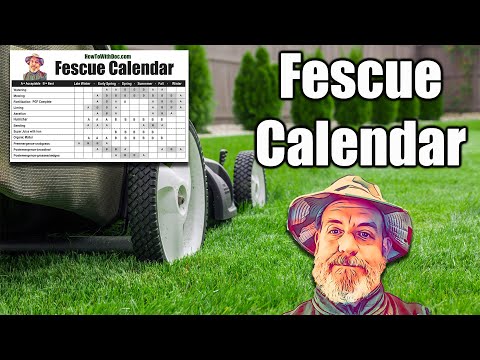
Tall fescue is the dominant lawn grass across most of Virginia, and for good reason — it tolerates the state's heat better than Kentucky bluegrass while surviving winter cold that would kill bermudagrass in northern Virginia[1]. The ideal seeding window for tall fescue and other cool-season grasses is mid-August through mid-October, with the sweet spot falling in early to mid-September for most of the state.
During this window, soil temperatures are still warm enough (above 50°F) to drive rapid germination, but air temperatures are cooling down, reducing stress on tender seedlings[3]. Fall seeding also means you're working against fewer weeds — crabgrass, Virginia's most persistent annual weed, is finishing its life cycle just as your fescue is getting started.
Fine fescue is a solid secondary option for shaded areas under mature trees, and perennial ryegrass is sometimes used for quick cover or overseeding — both follow the same fall planting window.
Avoid spring seeding of cool-season grasses when possible. While it's technically possible in March or April, spring-seeded fescue has only a few months to establish before facing Virginia's brutal summer heat, high humidity, and increased risk of brown patch fungal disease[4].
Warm-Season Grasses: Late Spring to Early Summer
Bermudagrass and zoysiagrass thrive in the warmer regions of Virginia — particularly the Tidewater area, Northern Neck, and Piedmont — but they need warm soil to establish from seed or plugs. Wait until soil temperatures are consistently at or above 65°F, which typically means late May through June in most of Virginia[1].
Planting warm-season grasses too early risks slow germination and vulnerability to cool, wet conditions that invite damping-off disease. Too late in the season — after mid-July — and plants won't have enough time to root deeply before going dormant in November.
How to Prepare Your Virginia Lawn for Grass Seed Planting
Proper site preparation dramatically improves germination rates and long-term lawn health. Here's how to set your Virginia lawn up for success before you ever open a seed bag.
Test Your Soil First
Virginia Cooperative Extension strongly recommends a soil test before seeding[1]. Virginia soils vary widely — from the acidic clay soils of the Piedmont to the sandy soils of the Coastal Plain — and pH imbalances are one of the most common reasons new grass seed fails. Most Virginia lawns perform best at a pH of 6.0–6.5. Lime applications to raise pH should ideally be done several weeks before seeding.
Choose the Right Seed for Virginia Conditions
Not all grass seed is created equal, and variety selection matters as much as timing. For Virginia fescue lawns, look for turf-type tall fescue varieties with demonstrated heat and drought tolerance, as these outperform older varieties in transition zone climates[5]. Certified seed with high germination rates reduces the chance of weed contamination and improves establishment success.
Aerate Before You Seed
Core aeration before overseeding is one of the highest-return lawn care practices Virginia homeowners can do. For cool-season fescue lawns, aerate in September through October — right before your overseeding window[2]. Aeration breaks up Virginia's dense clay soils, improves seed-to-soil contact, and enhances root development. For warm-season lawns, aerate in May through June.
Address Pest Pressure Before Seeding
White grubs are a serious threat to newly seeded Virginia lawns — grub feeding on young roots can destroy an entire seeding effort before you notice a problem[6]. If you've had grub damage in previous years, treat before seeding in late summer. Fall armyworms can also devastate newly germinated fescue in late August and September, so monitor closely during your seeding window.
When to Plant Grass Seed in Virginia Based on Where You Live
Virginia's geography creates meaningful regional differences in seeding windows. Your hardiness zone and local climate should guide your specific timing decisions.
Northern Virginia and the Shenandoah Valley (Zones 6a–7a)
Cooler temperatures mean fall seeding should begin slightly earlier — mid-August to late September is optimal. Warm-season grasses like bermudagrass are less reliable this far north and generally aren't recommended for Zone 6 areas[2]. Tall fescue and Kentucky bluegrass are the workhorses here.
Central Virginia and the Piedmont (Zone 7a–7b)
This is Virginia's sweet spot for fescue — the September 1–October 15 window works well for most homeowners. Bermudagrass can work in sheltered locations, but zoysiagrass tends to be a more reliable warm-season choice in this region[1].
Coastal and Tidewater Virginia (Zone 7b–8a)
Warmer winters and earlier springs mean warm-season grasses shine here. Bermudagrass and zoysiagrass can be seeded or plugged as early as mid-May, and the fall fescue seeding window can extend slightly later into October[3]. However, high coastal humidity also increases disease pressure — brown patch and dollar spot are persistent threats in this region, so avoid over-fertilizing new seedlings with nitrogen[4].
Conclusion: Your Virginia Grass Seeding Action Plan
Successful grass seeding in Virginia comes down to three things: choosing the right grass type for your region, hitting the correct planting window, and preparing your soil properly. For most Virginia homeowners with fescue lawns, September is your most important lawn care month of the year. For warm-season lawns along the coast or Piedmont, late May through June is your window.
Here's your checklist before seeding:
- Get a soil test through Virginia Cooperative Extension at least 4–6 weeks before your target seeding date
- Schedule core aeration the week before overseeding
- Check for white grub activity and treat if necessary
- Choose a certified tall fescue variety suited to Virginia's transition zone conditions
- Water newly seeded areas lightly and consistently (2–3 times daily) until germination, then transition to deeper, less frequent irrigation
For personalized recommendations based on your specific county and soil type, visit the Virginia Cooperative Extension website or contact your local VCE office — it's one of the best free resources available to Virginia homeowners[1].