
Quick Answer
Virginia lawns face unique challenges due to the state's transition zone climate, with brown patch disease, crabgrass invasion, and white grub damage being the most prevalent common lawn problems in Virginia[1]. The combination of high humidity, 44 inches of annual rainfall, and temperature fluctuations between 28°F winters and 87°F summers creates ideal conditions for these problems across USDA zones 6a-8a[2]. Success requires understanding your specific grass type—whether cool-season tall fescue or warm-season bermudagrass—and timing treatments accordingly.
Key Takeaways
- Brown patch disease thrives in Virginia's humid summers, particularly affecting tall fescue lawns
- Crabgrass prevention requires pre-emergent application in March when forsythia blooms
- White grubs cause the most pest damage, peaking in late summer feeding cycles
- Transition zone stress affects both cool and warm-season grasses during extreme weather
- Proper timing of treatments varies significantly between northern Virginia (zone 6a) and coastal areas (zone 8a)
Virginia's unique position in the transition zone creates a perfect storm of lawn care challenges. Unlike states with consistent cool or warm climates, Virginia homeowners must navigate problems affecting both cool-season grasses like tall fescue and warm-season varieties like bermudagrass, often within the same neighborhood[3].
What Diseases Most Commonly Affect Virginia Lawns?
Brown patch stands as Virginia's number one lawn disease threat, particularly devastating for the state's dominant tall fescue lawns[1]. This fungal disease thrives when nighttime temperatures exceed 68°F combined with high humidity—conditions Virginia experiences regularly from June through September.
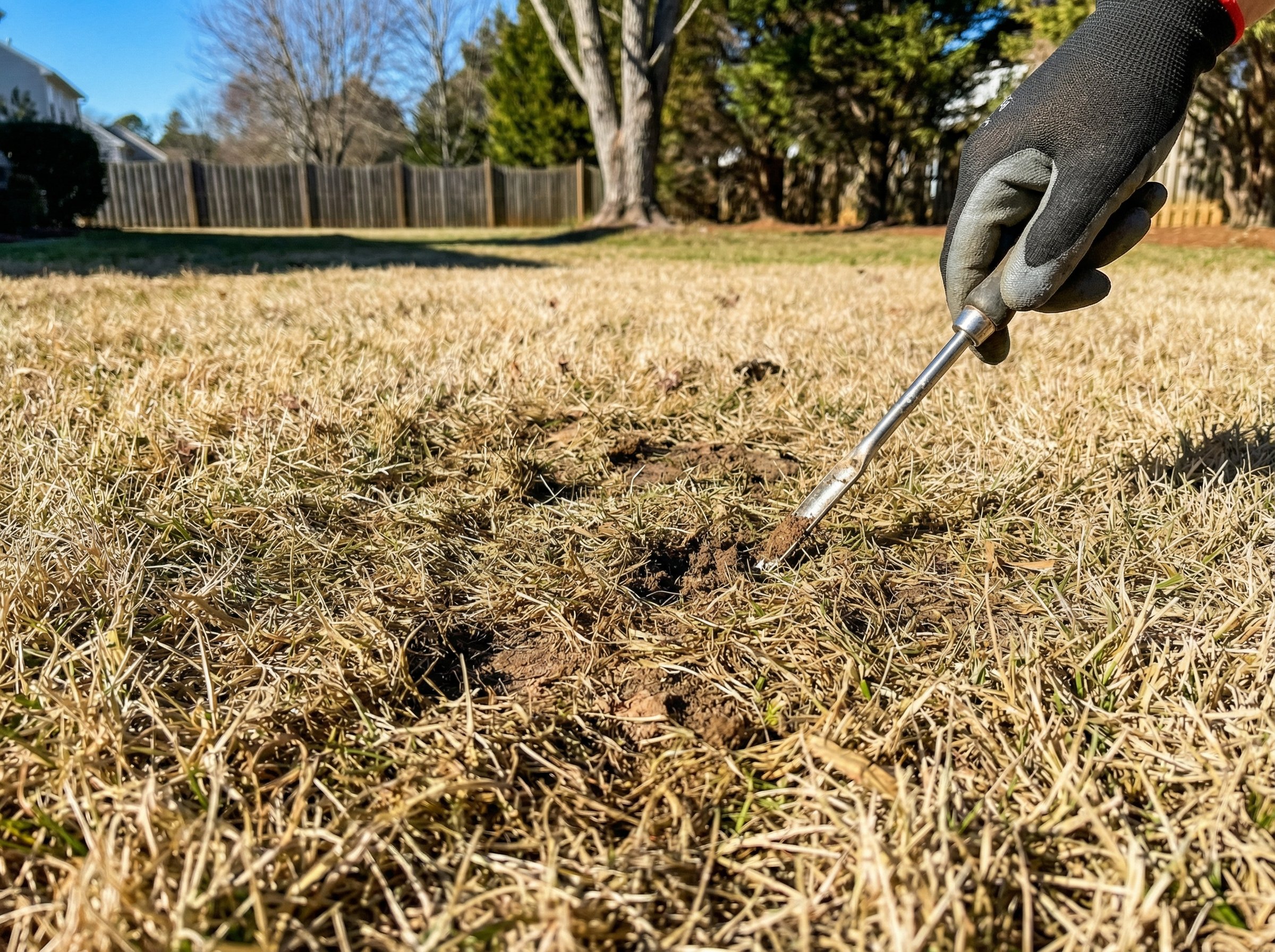
Symptoms appear as circular brown patches ranging from 6 inches to several feet in diameter, often with a distinctive "smoke ring" of gray mycelium visible in early morning dew. Tall fescue and Kentucky bluegrass lawns suffer most, while bermudagrass shows better resistance.
Dollar spot creates another significant challenge, forming small, silver-dollar-sized dead spots that can merge into larger damaged areas[4]. This disease particularly affects lawns with low nitrogen levels during Virginia's warm, humid nights.
Red thread disease appears as reddish-pink fungal threads extending from grass blades, most commonly striking fine fescue in shaded areas during cool, wet spring conditions. Spring dead spot affects bermudagrass lawns as they emerge from winter dormancy, creating circular dead patches that require overseeding with perennial ryegrass[5].
How Can I Prevent and Control Common Lawn Problems in Virginia?
Crabgrass prevention begins with proper timing of pre-emergent herbicides, applied in March when forsythia blooms throughout Virginia[6]. This timing coincides with soil temperatures reaching 55°F consistently, triggering crabgrass seed germination. Apply Scotts Halts Crabgrass Preventer at 2.9 pounds per 1,000 square feet for effective season-long control.
Nutsedge thrives in Virginia's frequently wet conditions, particularly in poorly drained clay soils common across the state. Unlike grasses, this sedge requires specialized herbicides containing sulfentrazone or halosulfuron, applied during active growth periods from May through August. Ortho Nutsedge Killer works effectively at temperatures between 60-90°F.
Cool-season weeds like henbit and chickweed emerge during Virginia's mild winters, when warm-season grasses are dormant and unable to compete. These weeds require fall pre-emergent applications in September or targeted post-emergent treatments in late winter before grass green-up.
Wild violet presents a persistent challenge in Virginia's transition zone, thriving in partial shade and moist conditions. This perennial weed requires multiple herbicide applications with triclopyr-containing products like Ortho GroundClear, applied during active growth in spring or fall when temperatures range between 60-80°F[7].
What Pests Cause the Most Damage to Virginia Lawns?
White grubs top the list of Virginia lawn pests, with Japanese beetle and masked chafer larvae feeding on grass roots from late summer through early fall[8]. These C-shaped larvae cause brown, spongy patches that lift easily like loose carpet, with damage most visible in September and October.
Fall armyworms create sudden, dramatic damage to Virginia lawns, particularly bermudagrass and tall fescue. These caterpillars can destroy large lawn areas within days during late summer migrations. Apply Bayer Advanced Complete Insect Killer at 2.3 pounds per 1,000 square feet for immediate control.
Billbugs target tall fescue specifically, making them a major concern for Virginia's most common lawn grass. Adult weevils feed on grass stems while larvae attack roots and crowns, creating irregular brown patches that don't respond to increased watering[9].
Chinch bugs thrive in Virginia's hot, dry periods, particularly affecting sunny areas of tall fescue and bermudagrass lawns. These tiny insects inject toxins while feeding, causing yellowing that progresses to brown, dead patches along sidewalks and driveways where heat stress intensifies their damage.
How Do I Address Transition Zone Stress in Virginia?
Virginia's transition zone climate stresses both cool and warm-season grasses beyond their optimal growing conditions[2]. Cool-season grasses like tall fescue struggle during summer heat and humidity, while warm-season grasses face freeze damage during unpredictable winter temperature swings.
Tall fescue lawns require deep, infrequent watering during summer stress periods, applying 1-1.5 inches weekly in early morning to reduce disease pressure. Raising mowing heights to 3-4 inches helps grass tolerate heat stress while shading soil to retain moisture.
Bermudagrass lawns need protection during Virginia's variable winters, particularly in zones 6a-7a where temperatures can drop below the grass's survival threshold. Overseeding with perennial ryegrass in September provides winter color and protection, though it requires careful spring transition management[10].
Soil improvement becomes critical in Virginia's heavy clay soils, which compound transition zone stress through poor drainage and compaction. Annual core aeration in September for cool-season grasses or May for warm-season types improves root development and stress tolerance.
Taking Action on Virginia's Common Lawn Problems
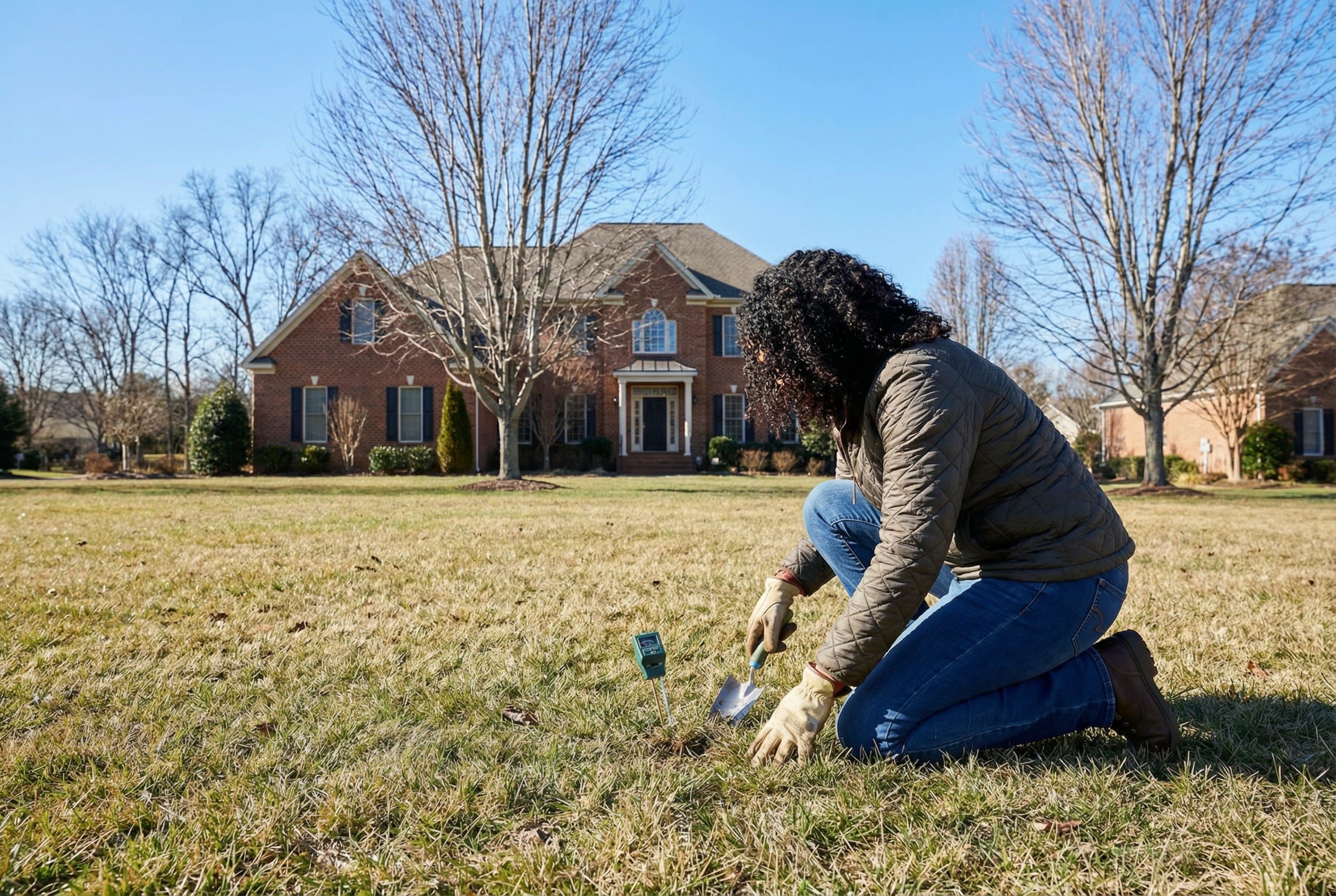
Successful Virginia lawn care requires proactive planning matched to your specific grass type and local microclimate. Start with soil testing through Virginia Cooperative Extension to identify pH and nutrient imbalances contributing to your lawn problems[1].
Implement preventive treatments based on Virginia's seasonal calendar: pre-emergent herbicides in March, fungicide applications before disease pressure peaks, and grub preventers applied in May for season-long protection. Monitor your lawn weekly during peak stress periods—summer for cool-season grasses and winter for warm-season varieties.
Early identification and prompt treatment prevent minor issues from becoming major renovation projects in Virginia's challenging transition zone climate. Consider professional soil testing and customized treatment programs for persistent problems that don't respond to standard approaches.