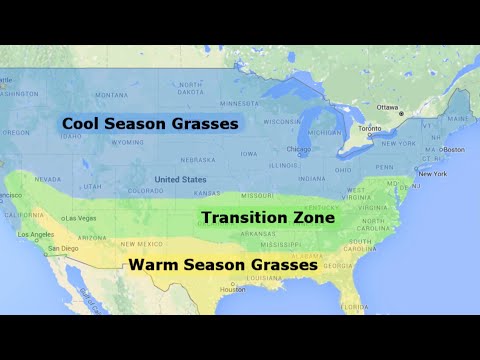

Quick Answer: Virginia's transition zone climate (USDA zones 6a-8a) is best suited for tall fescue and Kentucky bluegrass as primary cool-season options, with Bermudagrass and zoysiagrass thriving as warm-season alternatives[1]. Fine fescue works well for shaded areas throughout the state.
Key Takeaways
- Tall fescue is the most versatile grass for Virginia's diverse climate conditions
- Cool-season grasses perform better in northern Virginia and mountain regions
- Warm-season varieties like Bermuda excel in southeastern coastal areas
- Fine fescue provides the best solution for heavily shaded Virginia lawns
- Transition zone challenges require careful timing for seeding and maintenance
Virginia's unique position in the transition zone creates both opportunities and challenges for homeowners. With USDA hardiness zones ranging from 6a in the Blue Ridge Mountains to 8a along the coast, selecting the right grass type depends heavily on your specific location and growing conditions[2].
What Grass Grows Best in Virginia's Climate?
Tall fescue stands out as Virginia's most reliable grass choice due to its exceptional adaptability to the state's variable conditions[1]. This cool-season grass handles Virginia's humid summers (averaging 87°F) while maintaining green growth through moderate winters (average low 28°F).
Northern Virginia and Mountain Regions (Zones 6a-7a):
- Tall fescue varieties like turf-type tall fescue
- Kentucky bluegrass for premium lawns
- Fine fescue for shade tolerance
Central and Coastal Virginia (Zones 7b-8a):
- Tall fescue remains top choice
- Bermudagrass for high-traffic areas
- Zoysiagrass for dense, drought-resistant lawns
Virginia's 44 inches of annual rainfall supports most grass types, but summer humidity can stress cool-season varieties and promote diseases like brown patch[3].
How Do I Choose Between Cool and Warm-Season Grasses?
Your location within Virginia's climate zones determines the best grass category for your lawn. Cool-season grasses thrive in Virginia's spring and fall conditions, while warm-season options excel during hot, humid summers[4].
Cool-Season Advantages:
- Active growth during Virginia's ideal spring/fall weather
- Better winter color retention
- Easier establishment from seed
- Natural resistance to common weeds like henbit and chickweed
Cool-Season Challenges:
- Summer stress during Virginia's humid periods
- Susceptible to brown patch and dollar spot diseases
- Higher water requirements during heat waves
Warm-Season Advantages:
- Excellent heat and humidity tolerance
- Natural dormancy conserves water in winter
- Resistance to summer pests like fall armyworms
- Dense growth pattern crowds out crabgrass
Warm-Season Challenges:
- Brown dormancy from November through March
- Slower establishment requiring warm soil temperatures
- Vulnerability to spring dead spot disease in zoysiagrass
When Should I Plant Grass in Virginia?
Timing grass establishment correctly is crucial for success in Virginia's transition zone climate[1].
Cool-Season Seeding (September-October): Virginia Cooperative Extension recommends fall seeding for tall fescue and Kentucky bluegrass to take advantage of moderate temperatures and adequate moisture[5]. Soil temperatures remain warm enough for germination while avoiding summer stress.
Warm-Season Installation (May-June): Bermudagrass and zoysiagrass establish best when soil temperatures consistently reach 65°F or higher. Late spring planting allows full growing season establishment before winter dormancy.
Overseeding Schedule:
- Cool-season lawns: September-October annually
- Warm-season lawns: Late May for bare spot repair
- Apply pre-emergent herbicide in March when forsythia blooms to prevent crabgrass
What Are the Best Specific Grass Varieties for Virginia?
Tall Fescue (Top Choice): Turf-type tall fescue varieties offer improved density and appearance over older cultivars. These grasses withstand Virginia's clay soils, resist white grubs and billbugs, and maintain reasonable color during summer stress[2].
Kentucky Bluegrass: Ideal for northern Virginia properties seeking premium appearance. Requires more water and care than tall fescue but provides superior winter color and self-repairing growth habit.
Fine Fescue: Perfect for shaded areas under Virginia's mature trees. Tolerates drought better than other cool-season options and requires less frequent mowing.
Bermudagrass: Excellent for high-traffic areas in central and coastal Virginia. Common bermuda works for utility areas, while hybrid varieties provide finer texture for residential lawns.
Zoysiagrass: Provides the densest, most drought-tolerant warm-season option. Slower establishment but excellent long-term performance in Virginia's climate[6].
Perennial Ryegrass: Best used for quick temporary coverage or mixed with other cool-season grasses. Fast germination helps establish lawns quickly but may thin over time.
Choosing the right grass type for your Virginia property requires considering your specific location, soil conditions, and maintenance preferences. Tall fescue offers the most versatility across the state, while regional climate variations may favor cool-season grasses in northern areas and warm-season options along the coast. Success depends on proper timing, appropriate variety selection, and understanding Virginia's unique transition zone challenges.