
Quick Answer: Fall is the most critical season for Virginia lawn care, with September through October being prime time for overseeding tall fescue lawns, applying fall fertilizer, and controlling grubs before winter[1]. Virginia's transition zone climate requires different timing for cool-season grasses like tall fescue versus warm-season grasses like bermudagrass and zoysiagrass[2].
Key Takeaways
- September-October is optimal for overseeding tall fescue and Kentucky bluegrass lawns in Virginia
- Fall fertilization should occur by November for cool-season grasses, September for warm-season types
- Core aeration in September-October maximizes root development before winter
- White grub and fall armyworm control is essential during Virginia's fall season
- Pre-winter weed control prevents spring issues with henbit and chickweed
Introduction
Virginia's unique position in USDA zones 6a-8a creates distinct fall lawn care challenges[3]. The state's transition zone climate means homeowners must tailor their approach based on whether they're growing cool-season grasses like tall fescue or warm-season varieties like bermudagrass. With average temperatures dropping from 87°F summer highs to 28°F winter lows, fall preparation determines your lawn's success through Virginia's variable winter conditions[4].
When Should I Overseed My Virginia Lawn?
The overseeding window for Virginia lawns runs from early September through mid-October, with peak timing around September 15th[1]. This timing allows tall fescue and Kentucky bluegrass seeds to establish before the first frost, typically occurring in late October to early November across most of Virginia.
For best results, overseed when soil temperatures consistently reach 60-65°F[5]. In Virginia's Blue Ridge mountain regions (zone 6a), start earlier in September, while coastal areas (zone 8a) can extend into late October. Core aeration before overseeding improves seed-to-soil contact, especially important in Virginia's clay-heavy soils[3].
Choose tall fescue varieties for their drought tolerance and adaptability to Virginia's humid subtropical climate[6]. Fine fescue works well for shaded areas under Virginia's abundant tree canopy, while perennial ryegrass provides quick establishment for high-traffic areas.
What Fall Fertilization Schedule Works Best in Virginia?
Virginia lawns require different fertilization timing based on grass type. Cool-season grasses like tall fescue and Kentucky bluegrass should receive their final feeding between late September and November[2]. This late-season fertilization promotes root development and carbohydrate storage for winter survival.
Warm-season grasses including bermudagrass and zoysiagrass need their last fertilizer application by mid-September, six to eight weeks before expected dormancy[1]. Later feeding can delay dormancy and increase winter injury risk.
Apply a balanced fertilizer with a 3-1-2 or 4-1-2 nitrogen-phosphorus-potassium ratio[7]. Virginia's 44 inches of annual rainfall means slow-release nitrogen formulations work best to prevent leaching and provide steady nutrition through fall's variable weather patterns.
How Do I Control Fall Pests and Diseases in Virginia?
Fall armyworms and white grubs pose the biggest threats to Virginia lawns during autumn months[8]. Fall armyworms appear in late summer through October, creating irregular brown patches in bermudagrass and zoysiagrass lawns. Apply appropriate insecticides when temperatures remain above 60°F for effective control.
White grubs feed actively in fall before moving deeper for winter[9]. Look for increased bird activity, spongy turf, or visible grub presence when pulling back grass. Treat affected areas with beneficial nematodes or appropriate grub control products before soil temperatures drop below 50°F.
Virginia's moderate to high humidity creates ideal conditions for brown patch disease, especially in tall fescue lawns[2]. Reduce fall watering frequency, improve air circulation, and avoid late-day irrigation to minimize disease pressure. Remove fallen leaves promptly to prevent fungal development.
What Pre-Winter Maintenance Should Virginia Homeowners Complete?
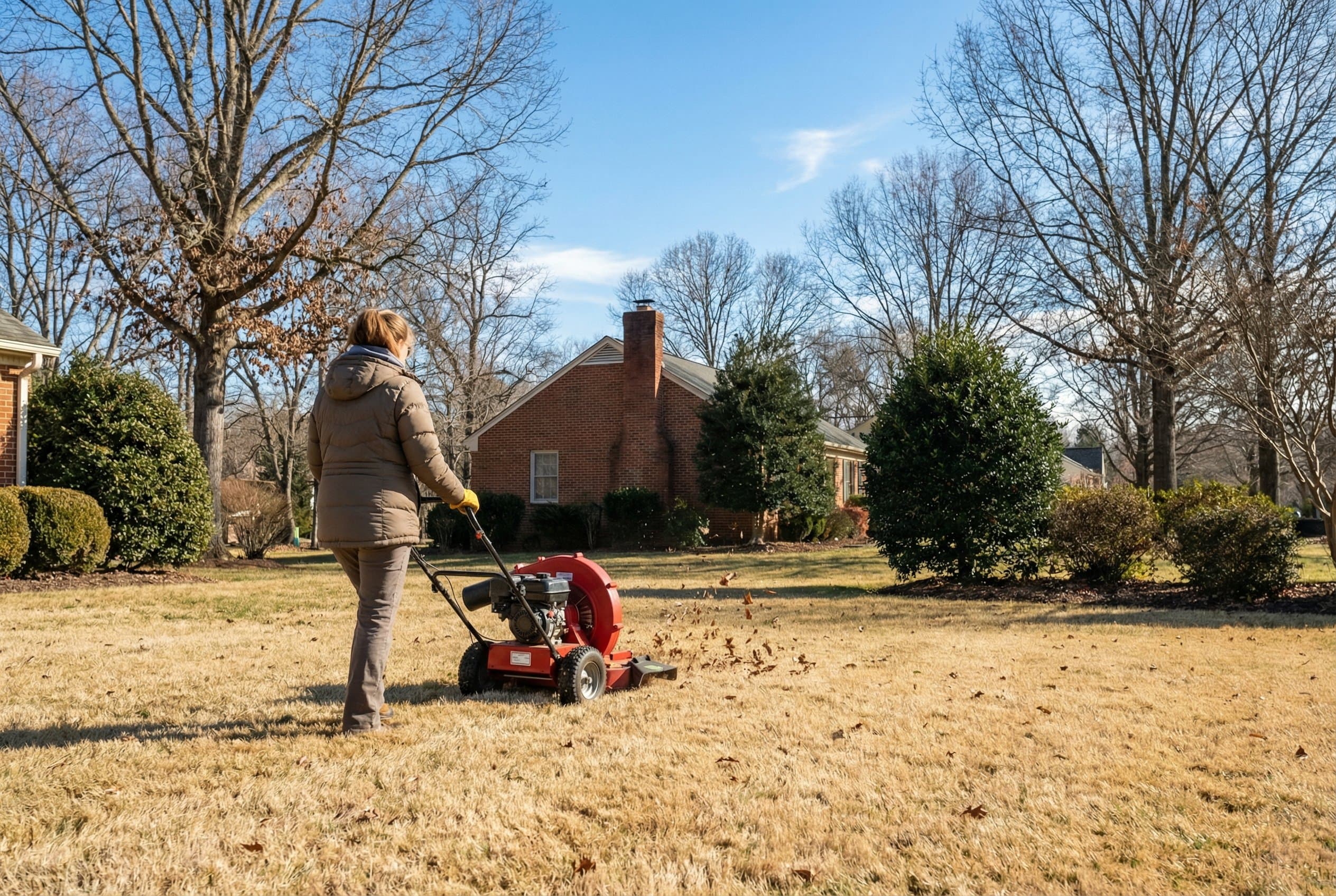
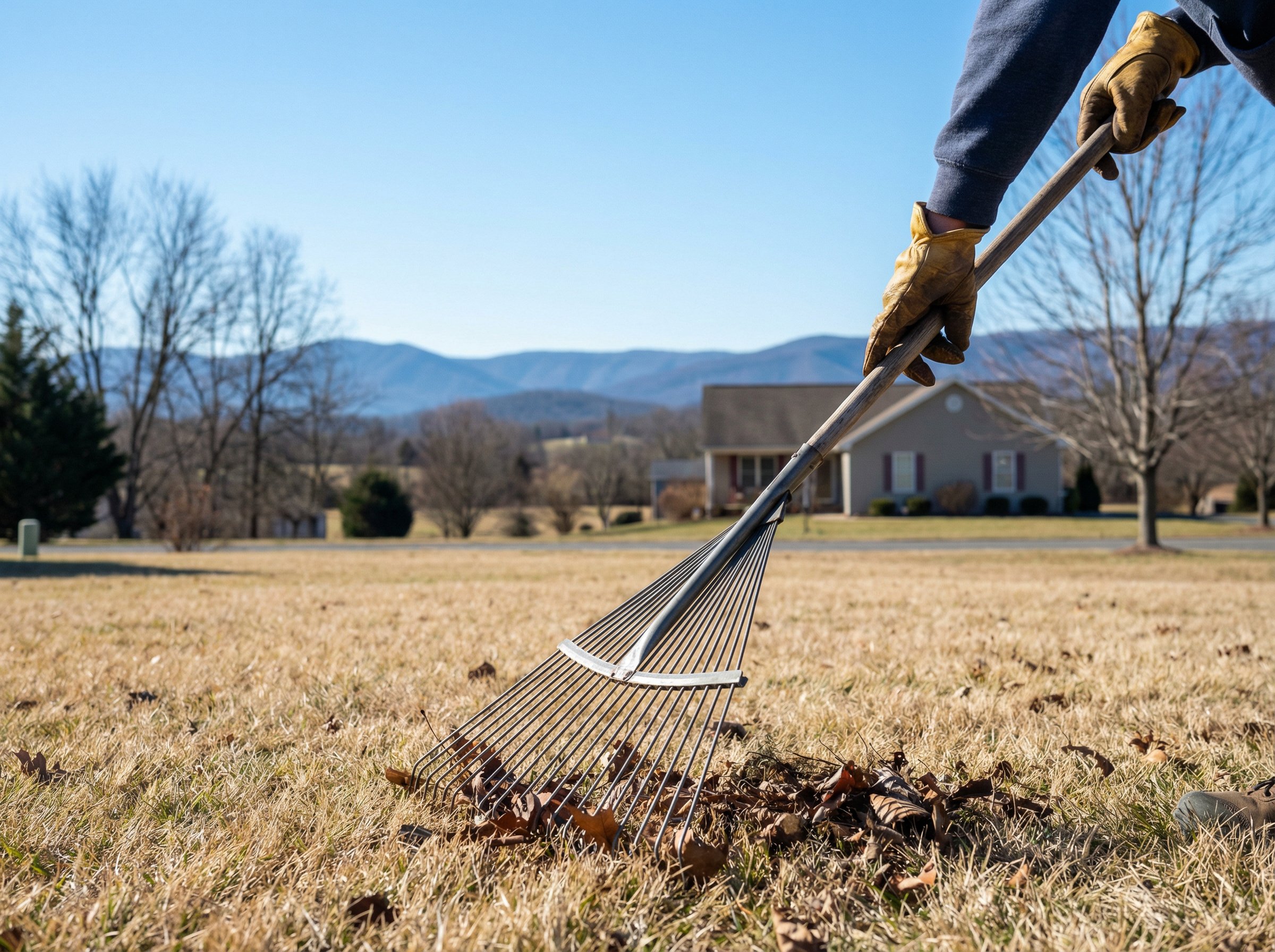
Continue mowing until grass stops growing, typically through November in Virginia[1]. Maintain your regular cutting height but remove fallen leaves weekly to prevent suffocation and disease development. Virginia's abundant hardwood trees require consistent leaf removal throughout fall.
Apply pre-emergent herbicide in late fall to control winter annual weeds like henbit and chickweed that germinate during Virginia's mild winter periods[10]. This prevents spring weed competition when desirable grasses begin active growth.
Clean and winterize irrigation systems before freezing temperatures arrive. Drain hoses and shut off outdoor water supplies to prevent freeze damage. Schedule final equipment maintenance including mower blade sharpening and oil changes.
Conclusion
Successful fall lawn care in Virginia requires understanding your specific grass type and local microclimate within zones 6a-8a. Focus on September-October overseeding for cool-season grasses, appropriate fertilization timing, and proactive pest management. Complete pre-winter tasks including leaf removal and equipment winterization before Virginia's variable winter weather arrives. Following these Virginia-specific recommendations will ensure your lawn emerges healthy and vigorous next spring.