
Quick Answer
Knowing when to apply crabgrass preemergent in Virginia is critical for protecting your lawn — and the target window is early-to-mid March, before soil temperatures reach 55°F at a 2-inch depth for three consecutive days[1]. A reliable local indicator: apply when forsythia bushes finish blooming — a classic Virginia timing cue used by extension specialists[2]. Homeowners in the warmer Tidewater and Hampton Roads areas should aim for late February to early March, while those in the Blue Ridge foothills or Northern Virginia may have until mid-March.
Key Takeaways
- Apply preemergent when soil temperatures hit 50–55°F — typically early to mid-March across most of Virginia
- Forsythia bloom is a trusted biological indicator for preemergent timing in Virginia
- Virginia's USDA Zones 6a–8a mean timing varies by 2–3 weeks between the mountains and the coast
- Tall fescue lawns need careful timing — applying too early wastes product, too late lets crabgrass germinate
- A split application (early March + 6–8 weeks later) improves season-long control in Virginia's warm, humid summers
Introduction
Crabgrass is one of the most persistent lawn problems in Virginia, thriving in the state's warm, humid summers and taking full advantage of thin or stressed turf[3]. Virginia's transition-zone climate — straddling cool- and warm-season growing conditions — makes timing especially tricky. Apply preemergent too early and it breaks down before crabgrass germinates. Wait too long and you've already lost the window. Whether you're managing a tall fescue lawn in Fairfax County or a zoysiagrass lawn in Virginia Beach, getting the timing right is the single most important step in crabgrass prevention.
Virginia Crabgrass Preemergent Timing by Region
The target application window in Virginia is late February through mid-March, depending on your region[1]. Crabgrass seeds begin germinating when soil temperatures consistently reach 55°F at a 2-inch depth. Virginia's diverse geography means that threshold arrives at different times across the state[4].
By Virginia Region
- Coastal Plain / Tidewater (Zone 7b–8a): Late February to early March. Warmer winters mean soil warms faster near the coast.
- Piedmont / Central Virginia (Zone 7a–7b): Early to mid-March. Richmond-area homeowners should watch forsythia closely.
- Northern Virginia / Shenandoah Valley (Zone 6b–7a): Mid-March. Cooler spring temperatures push the window slightly later.
- Blue Ridge Mountains / Southwest Virginia (Zone 6a–6b): Mid-to-late March. Higher elevations stay cold longer — don't rush it.
Soil thermometers are inexpensive and give you a precise reading. Check soil temperature at the same time each morning for three days before applying[4].
How Do I Apply Crabgrass Preemergent Correctly on Virginia Lawns?
This is where Virginia homeowners make the most mistakes — choosing the right product and applying it correctly matters as much as timing.
Choose the Right Formulation
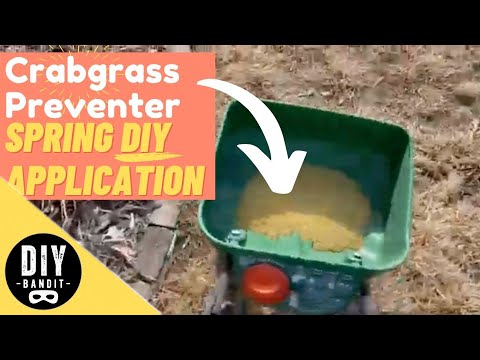
- Granular preemergents are easiest for most homeowners. Apply with a broadcast spreader and water in with at least ½ inch of rain or irrigation within 24–48 hours[5].
- Liquid preemergents provide more even coverage and are a good option on slopes or irregular terrain.
- Common active ingredients include pendimethalin, prodiamine, and dithiopyr — all effective in Virginia's climate[5].
Always follow the product label for application rates — over-applying does not improve efficacy and may damage turf or waterways[7].
Grass-Type Considerations
- Tall fescue and Kentucky bluegrass (cool-season): Do NOT apply preemergent if you plan to overseed in fall. Preemergents inhibit all seed germination, including desirable grass seed[2].
- Bermudagrass and zoysiagrass (warm-season): These lawns are still dormant in March, making spring preemergent application straightforward with no germination conflicts.
- Fine fescue (shaded areas): Apply on the same schedule as tall fescue, but avoid heavy rates near tree roots.
Split Application Strategy
Virginia's long, hot summers — with average highs near 87°F — can degrade preemergent barriers by midsummer[3]. A split application is strongly recommended:
- First application: Early March (at forsythia bloom)
- Second application: 6–8 weeks later (mid-to-late April)
This approach extends protection through Virginia's full crabgrass germination season, which can stretch into June in warm years[1].
What Happens If I Miss the Preemergent Window in Virginia?
If crabgrass has already germinated and you can see green seedlings, preemergent will not work — the barrier only stops germinating seeds, not established plants[6]. Here's what to do instead:
- Post-emergent herbicides labeled for crabgrass control can be applied to young plants (1–4 tillers). Effectiveness drops sharply as plants mature[6].
- Target early: Treat crabgrass before it sets seed in August, or you'll be fighting it again next year. Each plant can produce 150,000–700,000 seeds per plant depending on growing conditions[3].
- Thick turf is your best defense: Tall fescue lawns overseeded every fall in September–October naturally crowd out crabgrass by reducing bare soil where seeds germinate[2].
Note that post-emergent crabgrass killers can stress tall fescue in Virginia's summer heat. Avoid applying during high-temperature periods above 85°F[8].
Conclusion: Your Virginia Preemergent Action Plan
Getting ahead of crabgrass in Virginia comes down to watching two things: your calendar and your forsythia bush. Target early-to-mid March for most of the state, adjust a week or two based on your zone, and confirm with a soil thermometer. Use a split application for season-long protection, and coordinate your timing carefully if you plan to overseed your tall fescue lawn in fall. For personalized guidance, Virginia Cooperative Extension offices across the state offer free or low-cost soil testing and local lawn care calendars tailored to your county[1].
Next steps for Virginia homeowners:
- Check soil temperature starting in late February
- Purchase granular preemergent and calibrate your spreader before forsythia blooms
- Always read the product label and apply at the recommended rate
- Mark your calendar for a second application 6–8 weeks after the first
- Plan fall overseeding for September–October — do not apply preemergent within 8–12 weeks of overseeding