
Quick Answer
The best grass types for California lawns are Bermudagrass and Tall Fescue for most regions, with UC Verde Buffalograss emerging as the top drought-tolerant option[1]. Your choice depends on your specific USDA zone (5a-11a), water availability, and maintenance preferences across California's diverse climate conditions.
Key Takeaways
- Warm-season grasses like Bermudagrass thrive in California's hot inland valleys and southern regions
- Cool-season Tall Fescue works best along the Mediterranean coast and higher elevations
- UC Verde Buffalograss offers exceptional drought tolerance with significantly reduced water needs
- Kentucky Bluegrass requires more water but provides premium appearance in cooler coastal zones
- St. Augustinegrass performs well in southern California's humid microclimates
Introduction
California's dramatic climate variation—from Mediterranean coastlines to scorching inland valleys to mountain zones—creates unique challenges for lawn establishment. With USDA hardiness zones spanning 5a through 11a and annual rainfall averaging just 22 inches, selecting the right grass type is crucial for long-term success[2]. California homeowners must balance water conservation requirements with aesthetic preferences while managing common pests like white grubs and diseases such as brown patch.
What Are the Top Warm-Season Grasses for California?
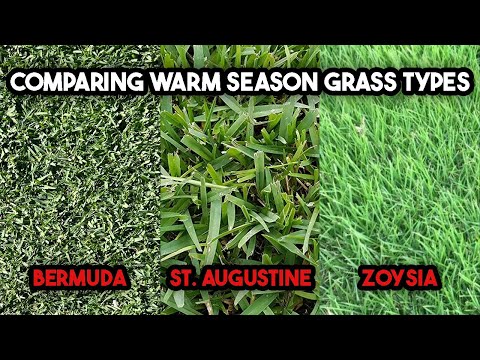
Warm-season grasses dominate California's transition-season grass region, offering excellent heat tolerance and lower water requirements during peak summer months[3].
Bermudagrass: The Workhorse Choice
Bermudagrass stands as California's most versatile warm-season option, thriving in zones 7a-11a across inland valleys and southern regions. This grass type handles California's average summer highs of 85°F exceptionally well while requiring moderate water inputs[4]. Bermudagrass recovers quickly from drought stress and resists common California pests like sod webworms.
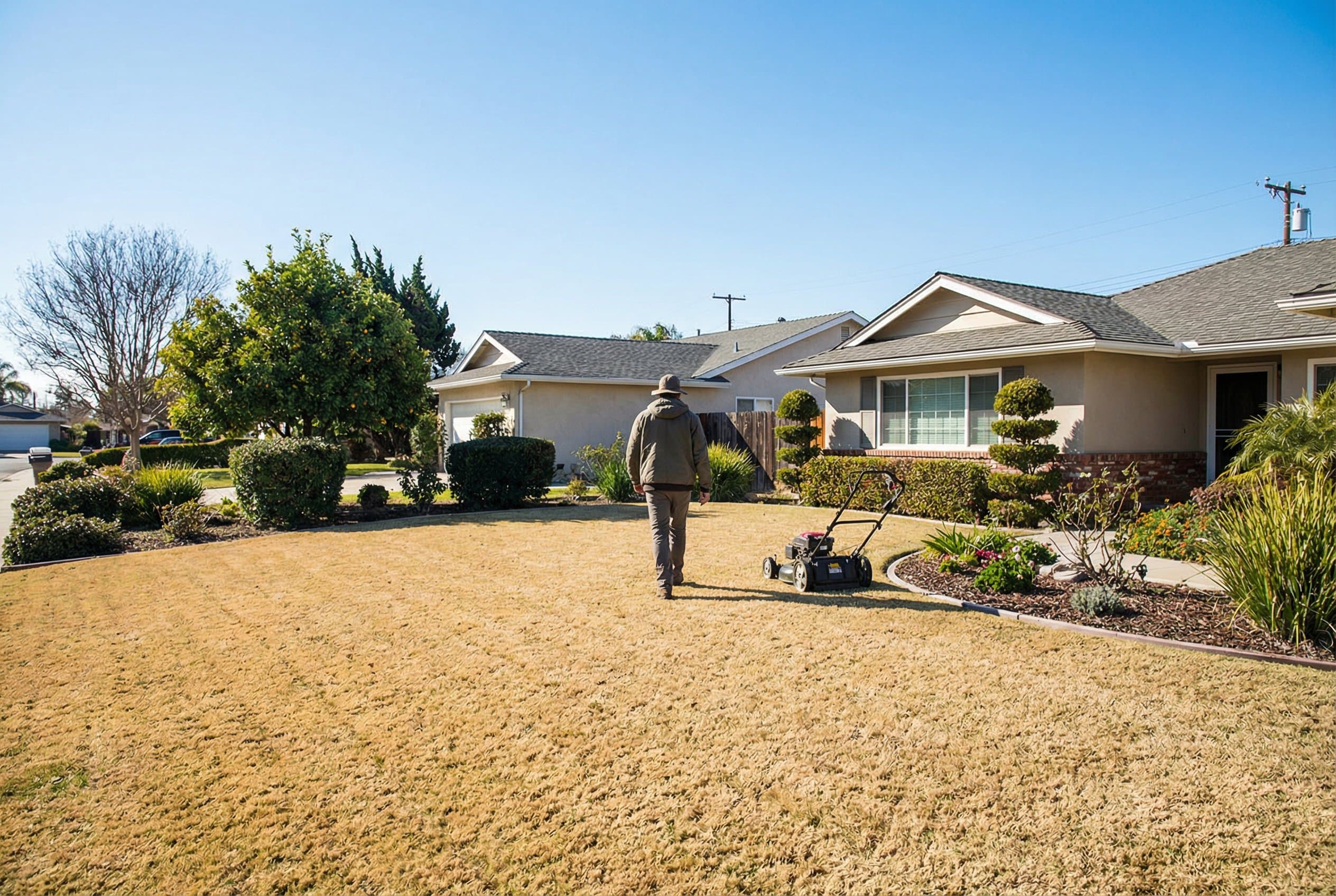
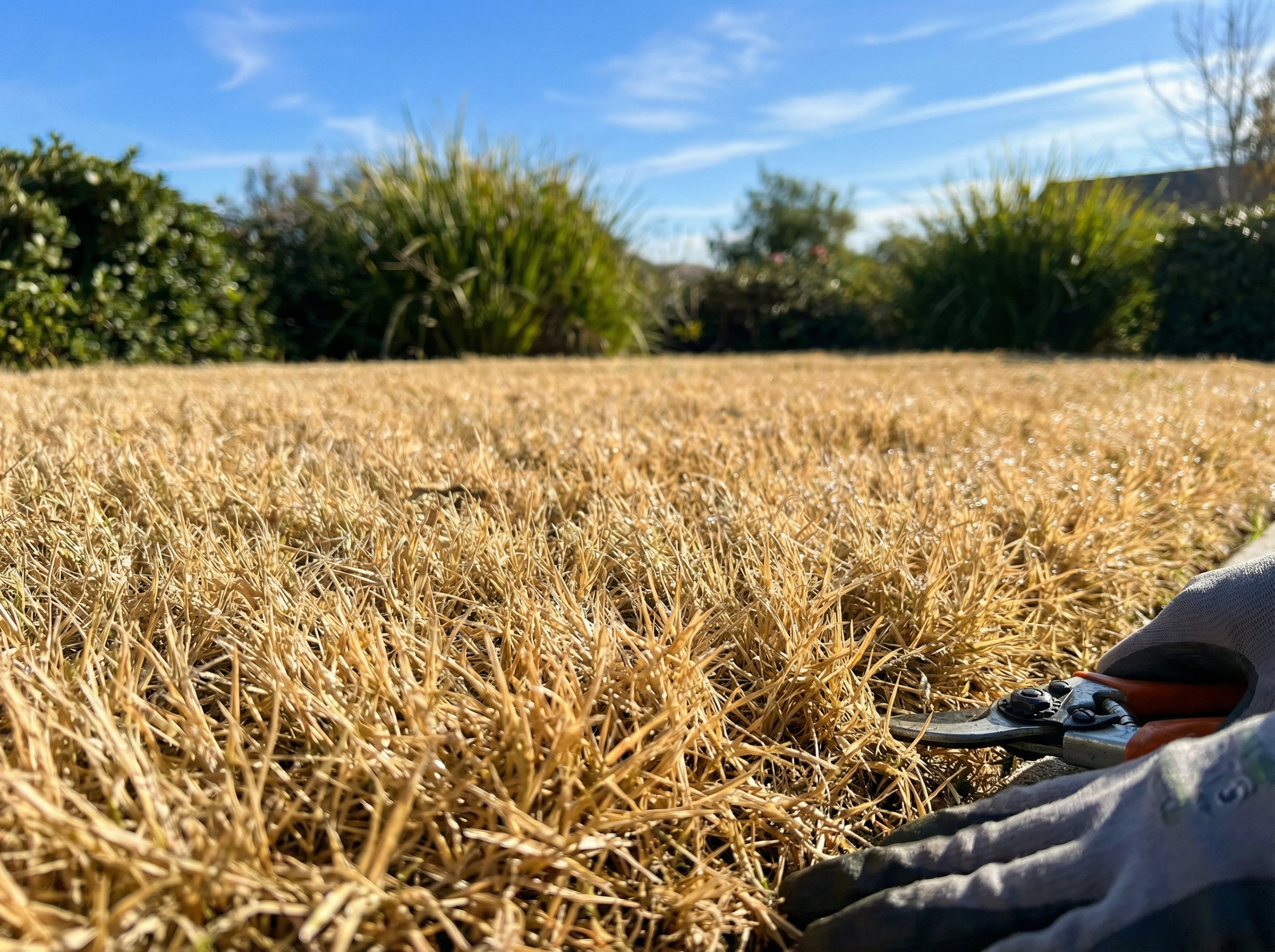
However, Bermudagrass enters dormancy from December through February, turning brown during California's mild winters. It also requires vigilant edge management as it can become an invasive weed in neighboring fescue lawns.
UC Verde Buffalograss: The Water-Saver
Developed specifically for California conditions, UC Verde Buffalograss represents the pinnacle of drought-tolerant turf[1]. This native grass requires substantially less water than traditional lawn grasses while maintaining green color through California's dry summers. It's particularly suited for zones 8a-10a in inland areas.
UC Verde handles California's low to moderate humidity levels well and shows excellent resistance to common weeds like crabgrass and spurge. The grass remains semi-dormant during winter months but recovers quickly with spring warmth[5].
Zoysiagrass: The Premium Option
Zoysiagrass offers dense, carpet-like texture ideal for California homeowners seeking a high-end appearance. It performs best in zones 8a-11a, particularly in coastal areas with moderate humidity[6]. This grass type resists dollar spot and rust diseases common in California lawns.
Which Cool-Season Grasses Work Best in California?
Cool-season varieties excel in California's coastal regions and higher elevation areas, providing year-round green color with minimal dormancy.
Tall Fescue: The All-Around Performer
Tall Fescue dominates California's cool-season lawn market due to its exceptional drought tolerance and adaptability[3]. Modern turf-type varieties thrive in zones 5a-9a, handling both coastal fog and inland heat. Tall Fescue's deep root system efficiently utilizes California's limited rainfall while resisting white grubs and crane flies.
This grass type requires fertilization from March through October and benefits from fall overseeding between September and October. Tall Fescue rarely experiences true dormancy in California's mild climate[2].
Kentucky Bluegrass: The Coastal Beauty
Kentucky Bluegrass creates California's most attractive lawns in suitable microclimates, particularly zones 5a-8a along the coast[4]. It requires consistent irrigation beyond California's 22-inch average rainfall but rewards homeowners with dense, emerald-green turf.
This grass type needs protection from fusarium patch disease during California's wet winters and benefits from spring pre-emergent applications in February-March to prevent annual bluegrass invasion.
St. Augustinegrass: The Shade Specialist
St. Augustinegrass thrives in southern California's warmer zones (9a-11a), especially areas with higher humidity near the coast. It tolerates shade better than other warm-season options and resists chinch bugs, though it's susceptible to brown patch during California's foggy periods[6].
How Do I Choose the Right Grass for My California Zone?
Selecting the optimal grass type requires matching variety characteristics to your specific location and maintenance preferences[5].
Climate Zone Considerations
Zones 5a-7a (mountain and northern regions): Choose Tall Fescue or Kentucky Bluegrass for cold tolerance and consistent performance.
Zones 8a-9a (central valley and inland areas): Bermudagrass or UC Verde Buffalograss offer excellent heat tolerance with lower water needs.
Zones 10a-11a (southern California): St. Augustinegrass or Zoysiagrass provide tropical appearance with good humidity tolerance.
Water and Maintenance Factors
For low-water landscapes, prioritize UC Verde Buffalograss or drought-tolerant Tall Fescue varieties. High-maintenance lawns can support Kentucky Bluegrass with proper irrigation systems[3].
Consider your aeration schedule: warm-season grasses need June-July aeration, while cool-season types require September-October timing.
Conclusion
Success with California lawns starts with matching grass type to your specific zone and water availability. Warm-season options like Bermudagrass and UC Verde Buffalograss excel in inland areas, while Tall Fescue dominates coastal regions[1]. Start by testing your soil pH, then select seed or sod appropriate for your zone's timing—cool-season planting in September-October or warm-season establishment in late spring. Contact your local UC Cooperative Extension office for zone-specific recommendations and current drought restrictions in your area.