
Quick Answer
California drought lawn care requires switching to drought-tolerant grasses like UC Verde Buffalograss or deep-rooted tall fescue, reducing irrigation frequency while watering deeply, and adjusting maintenance practices for the state's 22-inch annual rainfall and varied climate zones. Focus on soil health, proper timing, and water-efficient techniques to maintain a healthy lawn during California's recurring drought cycles.
Key Takeaways
- Choose drought-tolerant grasses like UC Verde Buffalograss, tall fescue, or established Bermudagrass for California's varied climate zones
- Water deeply but less frequently—aim for 1-1.5 inches per week including rainfall during growing season
- Raise mowing height to 3-4 inches for cool-season grasses and 1.5-2.5 inches for warm-season varieties
- Time irrigation for early morning (4-8 AM) to minimize evaporation in California's low humidity conditions
- Focus on soil improvement and fall overseeding (September-October) to establish resilient turf
Introduction
California drought lawn care presents unique challenges across the state's diverse climate zones—from Mediterranean coastal regions to hot inland valleys and desert south[1]. With an average annual rainfall of just 22 inches and summer temperatures reaching 85°F, maintaining a healthy lawn requires strategic water management and grass selection[2]. The state's USDA hardiness zones ranging from 5a to 11a mean different regions face varying drought stresses, making location-specific care essential for success.
Which California Grass Types Survive Droughts Best?
The most drought-resilient grass options for California vary by region and water availability. UC Verde Buffalograss stands out as the top choice for extreme drought tolerance, requiring significantly less water than traditional Kentucky Bluegrass while thriving in zones 7a-10a[1]. This native California variety goes dormant during winter months but returns vigorously in spring.
Tall fescue ranks as the best cool-season option for California drought conditions, with deep root systems extending 2-3 feet down to access groundwater[3]. Established tall fescue lawns can survive on natural rainfall alone in many coastal and northern California regions. Bermudagrass offers excellent warm-season drought tolerance for inland valleys and southern California, though it requires more summer water than buffalograss[4].
For transitional zones throughout California, consider overseeding existing Bermudagrass with cool-season varieties during September-October to maintain year-round color while reducing summer water needs[1]. Avoid Kentucky Bluegrass and St. Augustinegrass in drought-prone areas, as these require substantially more water than drought-adapted alternatives.
How Should I Water My California Lawn During Drought?
Proper irrigation timing and technique become critical during California drought periods. Water deeply but infrequently, applying 1-1.5 inches per week including natural rainfall during active growing seasons[2]. California's low humidity and high evaporation rates make early morning watering (4-8 AM) essential—avoid afternoon irrigation when temperatures peak at 85°F or higher[5].
Implement the "cycle and soak" method for California's varied soil types. Run sprinklers for 10-15 minutes, allow 30 minutes for absorption, then repeat 2-3 cycles[2]. This prevents runoff on slopes common throughout California while ensuring deep water penetration. Clay soils prevalent in Central Valley regions require longer soak periods, while sandy coastal soils need shorter, more frequent applications.
During severe drought restrictions, prioritize high-visibility areas and establish zones for different water needs[6]. Cool-season grasses like tall fescue can survive brief dormancy periods, while warm-season varieties like Bermudagrass naturally slow growth during water stress. Consider allowing lawn dormancy in late summer (August-September) when California's dry season peaks.
What California Drought Maintenance Adjustments Help Lawns Survive?
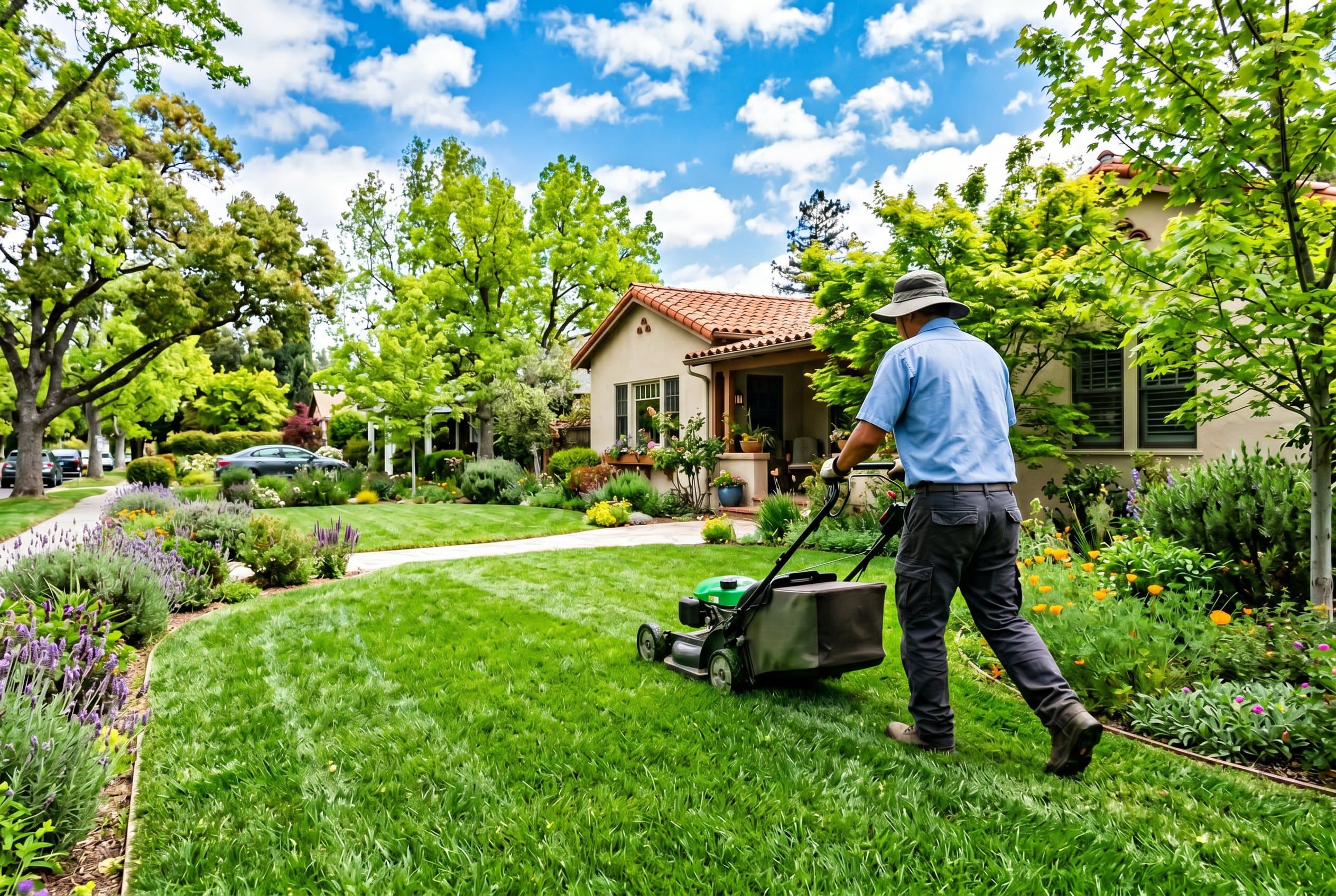
Adjust mowing practices significantly during drought conditions across California's climate zones. Raise cutting height to 3-4 inches for cool-season grasses and 2-2.5 inches for warm-season varieties to promote deeper root growth and shade soil surfaces[3]. Taller grass reduces water evaporation while improving drought stress tolerance.
Modify fertilization schedules to avoid promoting excessive growth during water-stressed periods[4]. Apply slow-release nitrogen fertilizers in early spring (March for cool-season, May for warm-season) rather than summer applications that increase water demands. Focus on potassium-rich fertilizers during California's dry season (June-October) to improve drought tolerance and disease resistance against brown patch and dollar spot.
Improve soil health through annual aeration during optimal windows—September-October for cool-season grasses, June-July for warm-season varieties[1]. California's compacted clay soils benefit from core aeration to improve water infiltration and reduce runoff. Apply compost topdressing after aeration to improve soil moisture retention and reduce irrigation needs.
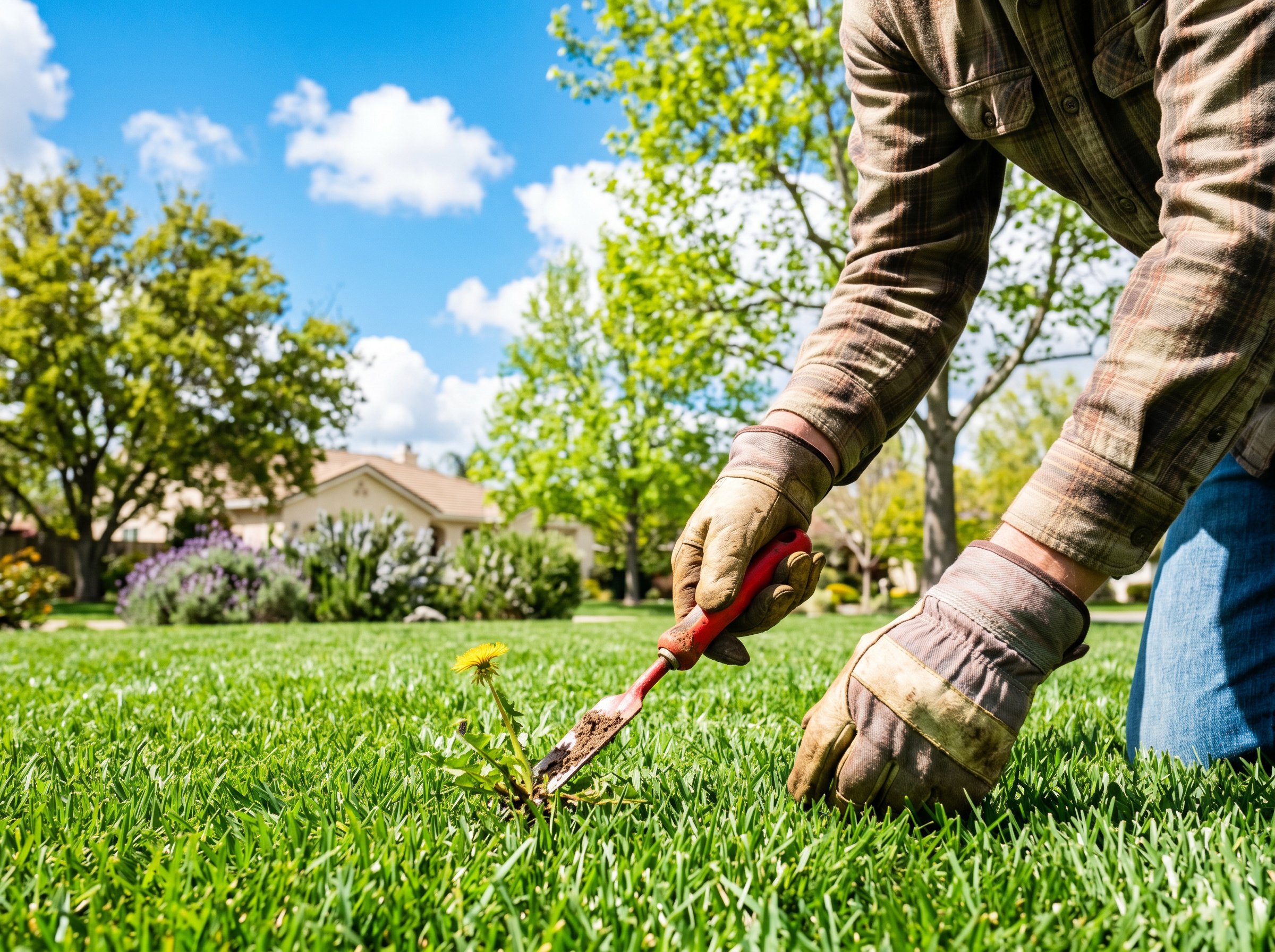
Control weeds aggressively, as crabgrass, spurge, and oxalis compete directly with drought-stressed turf for limited water resources[3]. Apply pre-emergent herbicides in February-March before California's spring growth begins, targeting common weeds that emerge as temperatures reach 50-55°F consistently.
How Do I Prepare My California Lawn for Future Drought Cycles?
Building long-term drought resilience requires strategic planning aligned with California's climate patterns. Focus fall renovation efforts during September-October overseeding windows when temperatures moderate and natural rainfall increases[1]. Choose certified drought-tolerant cultivars appropriate for your specific hardiness zone—varieties developed by UC Agriculture and Natural Resources show superior performance in California conditions.
Install efficient irrigation systems with smart controllers that adjust for local weather patterns and evapotranspiration rates[2]. Drip irrigation for landscape borders and rotor sprinklers for lawn areas provide optimal water distribution while meeting California water efficiency requirements. Consider moisture sensors that prevent irrigation during natural rainfall periods[5].
Develop diverse landscape zones that reduce overall lawn area while maintaining functional green space[6]. Native California plant borders require minimal supplemental water while providing habitat and reducing maintenance. Focus lawn areas on high-use zones like children's play areas while transitioning ornamental areas to drought-tolerant alternatives.
Conclusion
Successful California drought lawn care combines smart grass selection, efficient watering practices, and adapted maintenance techniques suited to the state's diverse climate zones. Start by evaluating your current grass type and consider transitioning to drought-tolerant varieties like UC Verde Buffalograss or tall fescue during fall renovation periods. Implement deep, infrequent watering schedules and raise mowing heights to build natural drought resistance.
Take action this season by conducting soil tests, upgrading irrigation efficiency, and planning fall overseeding with drought-adapted varieties. Focus on building soil health through proper aeration timing and organic matter incorporation. With strategic planning and appropriate variety selection, California lawns can maintain beauty and function while using significantly less water during inevitable drought cycles.