
Quick Answer
In California, apply crabgrass preemergent herbicide in February through early March, before soil temperatures reach 55-60°F for several consecutive days[1]. Coastal areas should target mid-February, while inland valleys and desert regions can wait until late February to early March due to their cooler winter soil temperatures[2].
Key Takeaways
- Apply preemergent when soil temperatures consistently reach 50-55°F, typically February-March in California
- Coastal regions need earlier applications (mid-February) than inland areas (late February-March)
- Target application before bermudagrass begins spring green-up for maximum effectiveness
- Reapply 8-12 weeks after first application for season-long control
- Water in immediately after application with 0.5 inches of irrigation
Introduction
California's diverse climate zones, spanning USDA hardiness zones 5a through 11a, create unique challenges for crabgrass prevention. From the Mediterranean coast to hot inland valleys and desert regions, timing preemergent applications correctly is crucial for protecting popular grass types like bermudagrass, tall fescue, and Kentucky bluegrass from this persistent annual weed[3].
What Soil Temperature Triggers Crabgrass Germination in California?
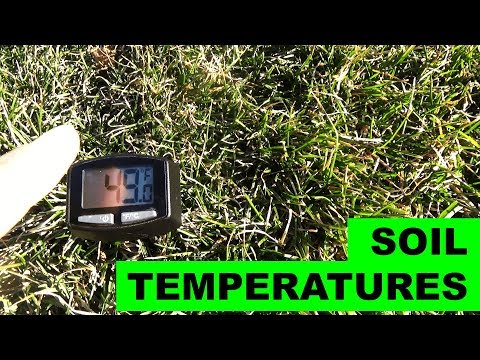
Crabgrass seeds germinate when soil temperatures reach 55-60°F for 3-5 consecutive days[4]. In California's varied climate, this threshold occurs at different times depending on your location:
Coastal Areas (Zones 9b-10a): Mid-February to early March
Inland Valleys (Zones 8b-9a): Late February to mid-March
Mountain Regions (Zones 5a-7b): Mid-March to early April
Desert South (Zones 10a-11a): Early to mid-February
Monitor soil temperature using a soil thermometer at 2-4 inches deep, taking readings at the same time daily for accuracy. UC Agriculture and Natural Resources recommends applying preemergent when soil temperatures consistently reach 50°F, providing a safety margin before germination begins[1].
How Do I Time Applications for Different California Grass Types?
The timing varies based on your lawn's grass type and its spring growth patterns:
Bermudagrass Lawns
Apply preemergent 2-4 weeks before bermudagrass begins spring green-up, typically mid-February in warmer zones and early March in cooler areas[5]. Bermudagrass emerges from dormancy when soil temperatures reach 65°F, giving you a clear timing window.
Cool-Season Grasses (Tall Fescue, Kentucky Bluegrass)
For established tall fescue and Kentucky bluegrass lawns, apply in February when these grasses are actively growing but before warm-season weeds germinate. These grasses tolerate most preemergent herbicides well during their active growth period.
St. Augustinegrass
Common in Southern California, St. Augustinegrass benefits from early February applications in zones 10-11a. This warm-season grass remains semi-active during mild winters, making timing less critical than with fully dormant bermudagrass.
What's the Best Application Strategy for California's Climate?
California's 22-inch average annual rainfall and Mediterranean climate require specific application strategies:
Pre-Rain Application
Apply preemergent before expected winter or spring rains when possible. Natural rainfall provides ideal activation, but avoid application immediately before heavy storms that could wash away the herbicide[6].
Irrigation Requirements
If rain isn't forecast within 7 days, water in the application with 0.5 inches of irrigation. California's low humidity and variable rainfall make immediate activation crucial for creating an effective herbicide barrier.
Split Applications
Consider split applications 6-8 weeks apart for season-long control. Apply the first treatment in February-March, then follow up in April-May. This strategy works particularly well in warm inland valleys where growing seasons extend longer.
Drought Considerations
During drought restrictions, focus on single, well-timed applications rather than split treatments. Choose longer-lasting preemergent formulations (4-6 month control) to maximize effectiveness under limited irrigation.
How Do I Handle California's Microclimates and Problem Areas?
California's dramatic climate variations within short distances require localized strategies:
Urban Heat Islands: Cities like Los Angeles and Fresno experience earlier soil warming. Start monitoring soil temperatures in early February and be prepared for earlier applications.
Coastal Fog Influence: Marine layer effects can delay soil warming in coastal areas despite mild air temperatures. Monitor soil temperature rather than relying on air temperature forecasts.
Slope and Exposure: South-facing slopes and areas with heat reflection from concrete warm faster, potentially requiring earlier treatment than shaded, north-facing areas.
Established Crabgrass Areas: Previous problem spots may need enhanced treatment. Consider using higher label rates in areas with persistent crabgrass pressure, especially around driveways and walkways where heat accumulation accelerates germination[2].
Conclusion
Successful crabgrass prevention in California starts with understanding your specific climate zone and grass type. Monitor soil temperatures starting in January, aim for application when temperatures consistently reach 50-55°F, and adjust timing based on your location within the state. Remember that coastal areas need earlier applications than inland regions, and always water in the treatment if rain isn't expected within a week.
For best results, mark your calendar for February monitoring, purchase your preemergent herbicide in January, and have your soil thermometer ready. With proper timing, you'll prevent crabgrass before it becomes a summer-long problem in your California lawn.