
Quick Answer
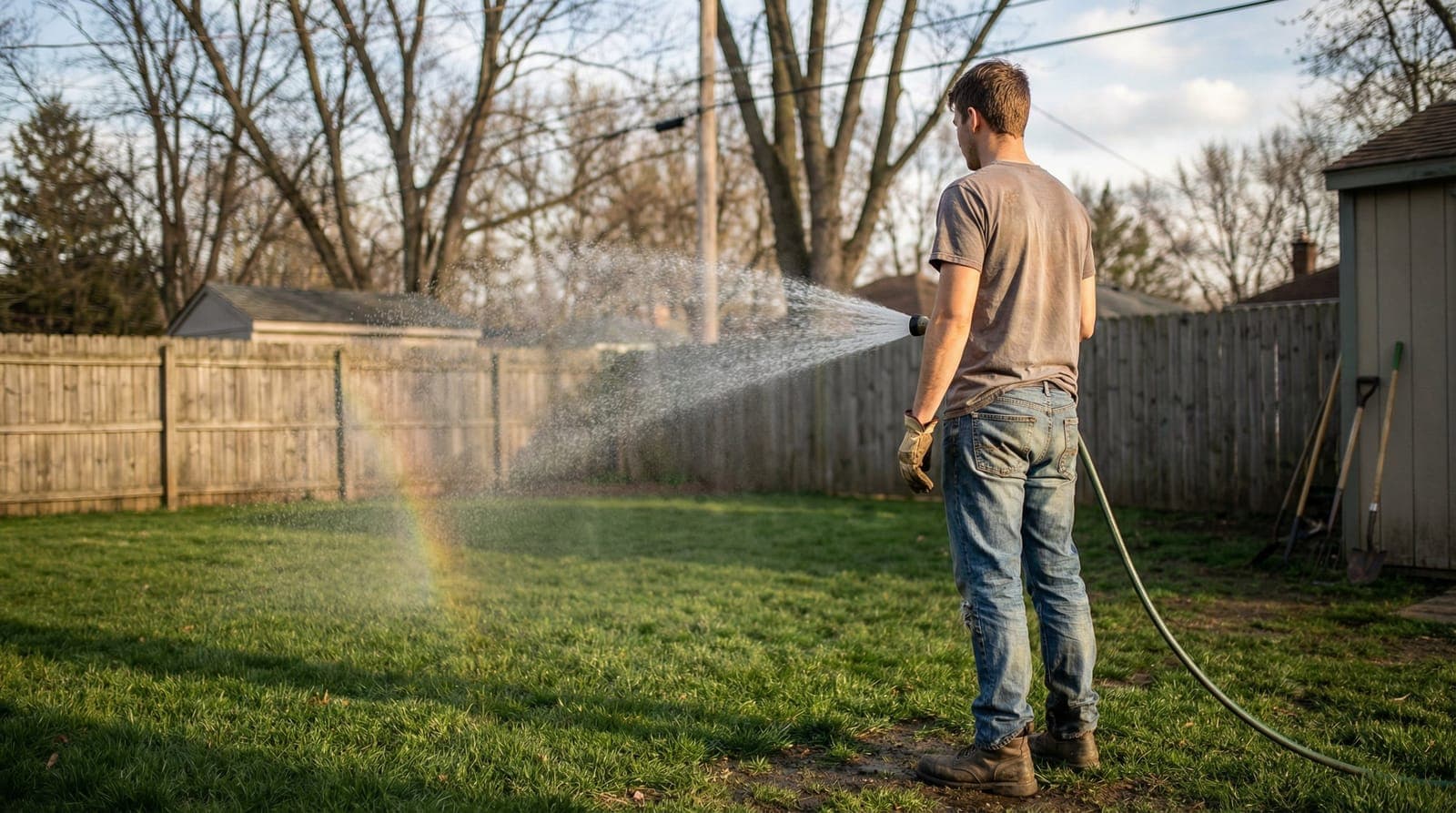
The best time to water your lawn in summer is early morning between 6:00 AM and 10:00 AM when temperatures are cooler and winds are calmer[1]. This timing allows grass to absorb water efficiently while minimizing evaporation and reducing disease risk from prolonged moisture on grass blades.
Key Takeaways
- Water between 6:00-10:00 AM for optimal absorption and minimal evaporation
- Avoid evening watering as it promotes fungal diseases in humid conditions
- Deep, infrequent watering (2-3 times per week) is better than daily shallow watering
- Apply 1-1.5 inches of water per week including rainfall
- Adjust timing based on your specific grass type and local climate conditions
Proper watering timing can make the difference between a thriving green lawn and a stressed, patchy yard during summer's intense heat. For year-round guidance, see our complete lawn watering schedule. Understanding when and how to water helps conserve water while maintaining healthy turf that can withstand summer stressors like heat, foot traffic, and potential drought conditions.
Why Is Morning the Best Time to Water?
Morning watering between 6:00-10:00 AM provides several critical advantages for summer lawn care[2]. This aligns with year-round recommendations in our guide on the best time to water your lawn. Cooler temperatures mean less water evaporates before reaching grass roots, maximizing efficiency. Lower wind speeds during morning hours also prevent water from blowing away from intended areas.
Morning watering allows grass blades to dry completely before evening, which significantly reduces the risk of fungal diseases like brown patch and dollar spot that thrive in moist, warm conditions[3]. This drying time is especially important in humid climates where disease pressure is naturally higher.
Additionally, grass naturally begins its most active growth period in early morning as photosynthesis starts. Providing water during this time supports the plant's natural biological processes and helps it prepare for the day's heat stress.
What's the Proper Watering Technique for Summer?
Effective summer watering focuses on depth rather than frequency. Apply water slowly and deeply to encourage roots to grow deeper into the soil, creating a more drought-resistant lawn[4]. Use a rain gauge or empty tuna can to measure water output – most lawns need 1 to 1.5 inches per week including rainfall.
Set sprinklers to run for longer periods but less frequently, typically 2-3 times per week rather than daily light watering[1]. This approach prevents shallow root development and reduces water waste. Check soil moisture by inserting a screwdriver or soil probe – it should penetrate 6-8 inches easily in properly watered soil.
Adjust sprinkler heads to avoid watering sidewalks, driveways, and other non-lawn areas. Consider using drip irrigation or soaker hoses in garden beds adjacent to turf areas for more precise water application.
Should You Ever Water in the Evening During Summer?
Evening watering is generally discouraged during summer months, particularly in humid climates[5]. When grass stays wet overnight, it creates ideal conditions for fungal diseases that can quickly damage or kill large lawn areas. However, there are limited exceptions to this rule.
If morning watering is absolutely impossible due to water restrictions or scheduling constraints, late afternoon (4:00-6:00 PM) is preferable to evening watering. This timing allows some drying time before nightfall while still avoiding the peak heat of midday[2].
In extremely hot, arid climates with very low humidity, evening watering may be acceptable since disease pressure is naturally lower. However, morning watering remains the gold standard even in these conditions for maximum water efficiency.
How Do You Adjust Watering for Different Grass Types?
Cool-season grasses like fescue, bluegrass, and ryegrass require more frequent watering during summer since they're outside their optimal growing season[3]. These grasses benefit from slightly more frequent watering (every 2-3 days) with the same total weekly amount.
Warm-season grasses including bermuda, zoysia, and St. Augustine are more heat and drought tolerant, allowing for less frequent but deeper watering sessions[4]. These grasses can often thrive with twice-weekly watering when applied properly.
Newly seeded or sodded lawns require more frequent watering regardless of grass type, but still benefit from morning application. Established lawns should be watered based on actual need rather than a rigid schedule – look for signs like footprints that don't spring back or a blue-gray color indicating water stress.
Conclusion
Successful summer lawn watering starts with proper timing between 6:00-10:00 AM, combined with deep, infrequent applications of 1-1.5 inches per week. Pair smart watering with the right maintenance approach — our guide on how to keep your lawn green all summer covers fertilization, pest prevention, and more. Monitor your lawn's specific needs based on grass type, local climate, and soil conditions rather than following a rigid schedule. Invest in a rain gauge and soil moisture meter to make data-driven watering decisions that conserve water while maintaining a healthy, resilient lawn throughout the summer months.