Quick Answer
The biggest lawn leveling mistakes include using wet materials, skipping dethatching, buying overpriced bagged soil, and seeding before leveling instead of after.
Key Takeaways
- Always dethatch or aerate before leveling to ensure materials penetrate properly
- Buy bulk screened materials from dirt suppliers instead of expensive bagged soil
- Use dry materials and mow grass short for best penetration and recovery
- Apply fertilizer 1-2 weeks before leveling and seed after, never before
- Time your project when grass grows strongest - spring/fall for cool season, late spring/summer for warm season
Pre-Leveling Preparation Mistakes
Skipping Dethatching and Aeration
One of the most costly mistakes homeowners make is applying leveling materials directly onto unprepared grass. When you spread sand or soil over a thick thatch layer, the materials sit on top instead of working down into the grass canopy where they belong. If your yard has significant bumps, start by understanding why your lawn is bumpy before attempting to level it.
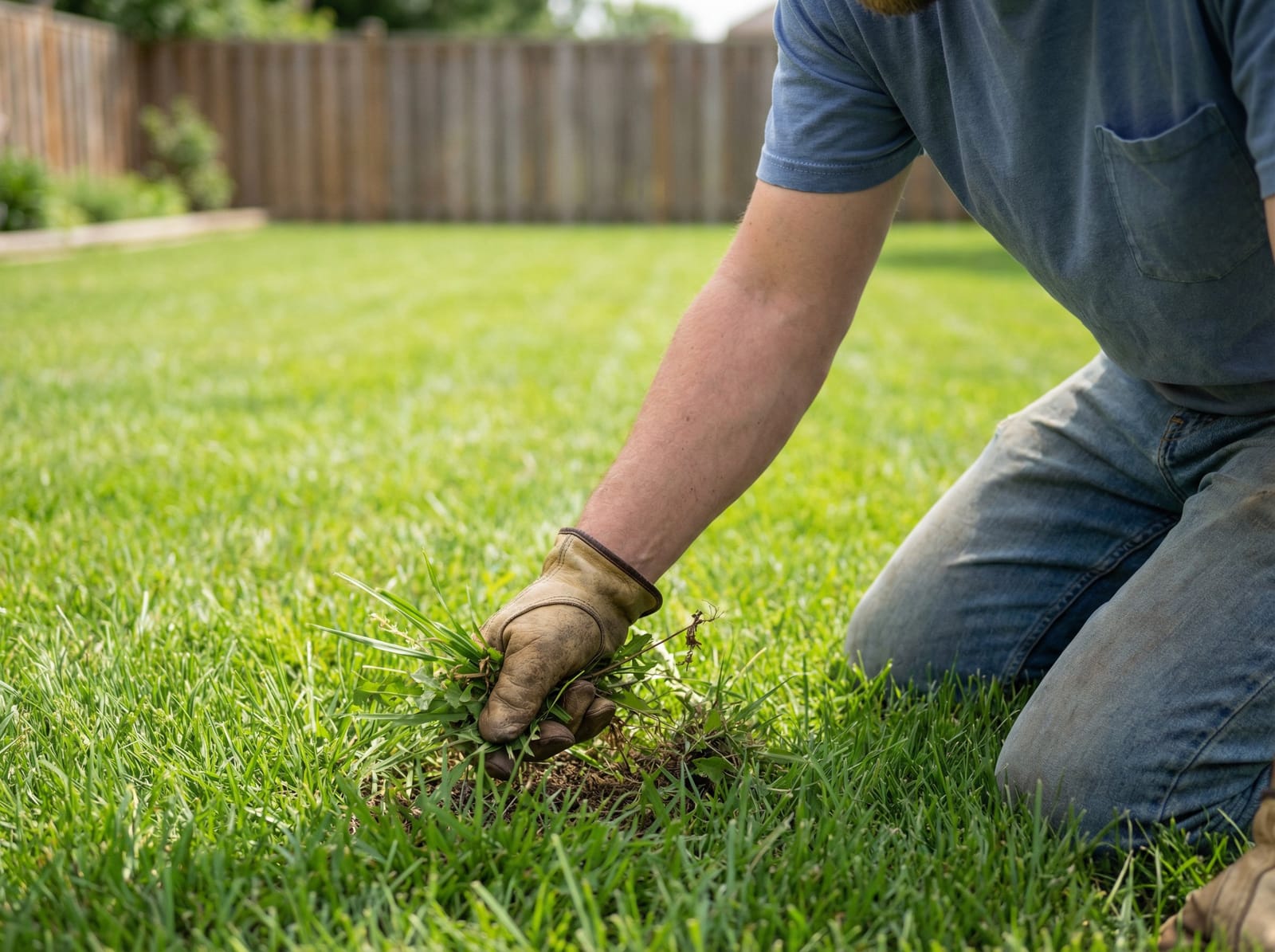
Thatch is the layer of dead grass, roots, and organic matter that builds up between your soil and living grass. Without proper preparation, your expensive leveling materials create a barrier that prevents water and nutrients from reaching grass roots.
Schedule dethatching or core aeration at least one week before your leveling project. This opens pathways for materials to settle properly and creates the foundation for a smooth, professional result.
Poor Timing Decisions
Lawn leveling stresses grass significantly, so timing is everything. Many homeowners tackle this project when grass is dormant or struggling, leading to poor recovery and patchy results.
For cool-season grasses (fescue, bluegrass, ryegrass), level during mid-spring or early fall when temperatures are moderate. Warm-season varieties (Bermuda, Zoysia, St. Augustine) respond best to late spring through early summer treatment.
A simple test: if you're mowing 2-3 times per week, your grass is actively growing and ready for leveling.
Material Selection and Sourcing Errors
Overpaying for Bagged Materials
Big box store pricing has made bagged leveling materials financially impractical. What once cost $2.99 per bag now exceeds $7.00 - a 200% increase that makes bulk purchasing essential for any significant project.
Local dirt suppliers offer superior value and quality. Bulk materials cost significantly less per cubic yard, arrive screened and clean, and eliminate countless trips hauling heavy bags.
Using Contaminated or Wet Materials
Bagged soils often contain rocks, sticks, and debris that create uneven surfaces and damage mower blades. Some homeowners discover broken glass or metal fragments mixed in with their "premium" topsoil.
Seek suppliers who screen materials through fine mesh, removing debris and creating consistent particle size. Quality suppliers use pulverizers and hammer mills to break down clumps, then screen everything to remove unwanted materials.
Wet materials clump together, making smooth application nearly impossible. Look for suppliers who store materials under cover, protecting them from rain and moisture. Dry materials spread evenly and integrate better with existing soil.
Application and Tool Mistakes
Using Wrong Equipment
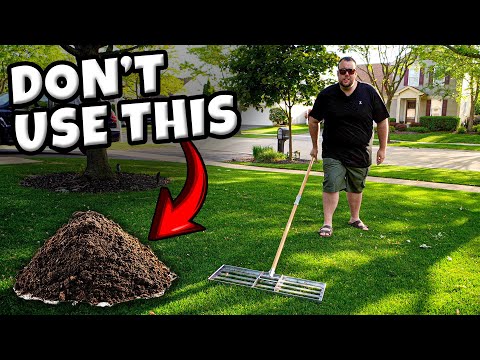
Standard garden rakes create uneven, streaky results that look unprofessional. Specialized lawn leveling rakes feature wide, flat bases with channels that distribute materials evenly across your lawn surface.
These tools knock down high spots automatically while their weight provides firm ground contact for smooth finishing. The long handles allow efficient coverage with fewer passes, reducing project time and physical strain.
Incorrect Grass Height
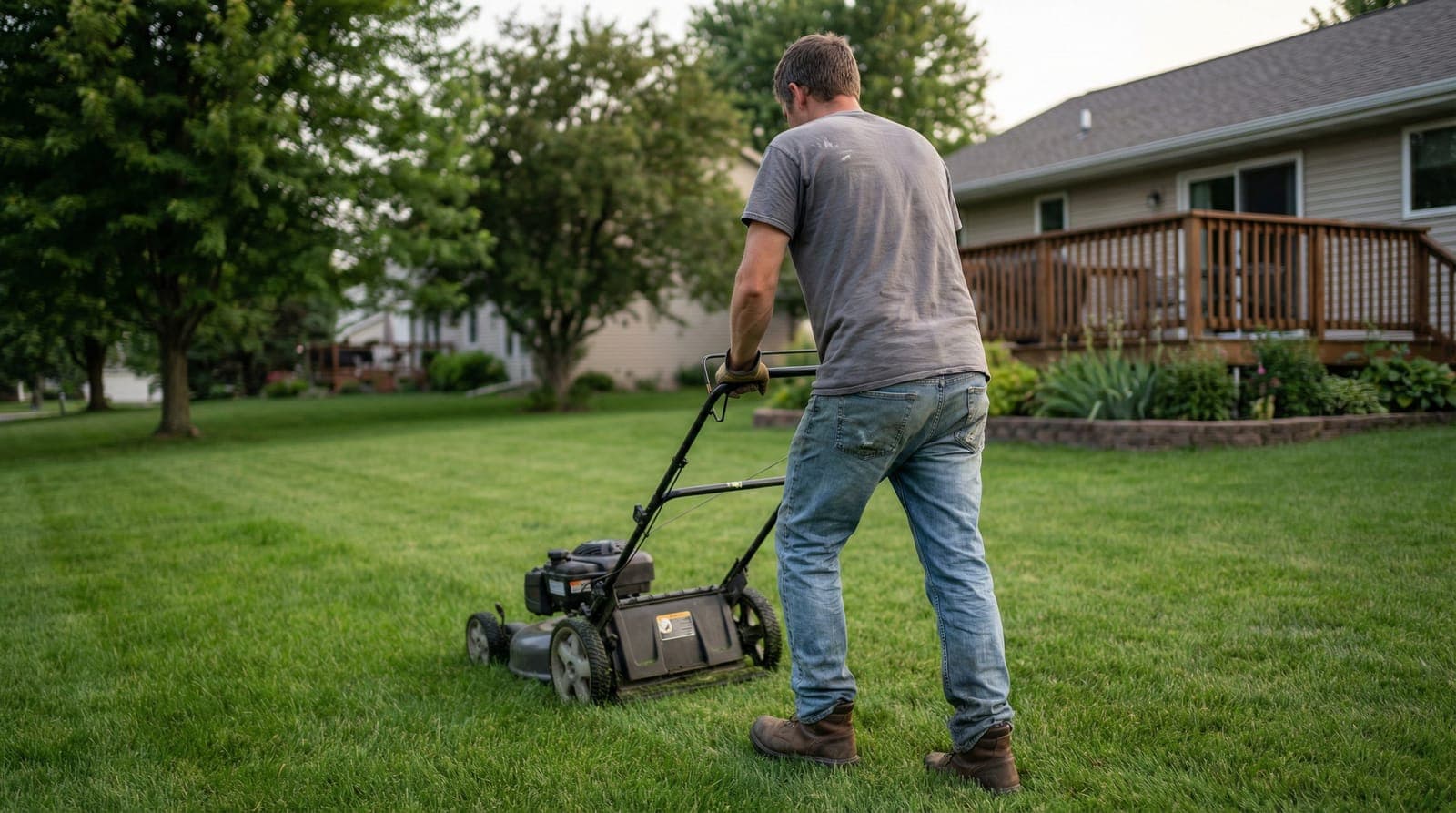
Many homeowners assume longer grass blades help penetrate leveling materials, but the opposite is true. Tall grass lies flat under material weight, creating barriers that prevent proper integration.
Mow at your lowest deck setting before applying materials. Short grass stands more erect, allowing materials to settle around individual blades rather than matting down on top.
Fertilization and Seeding Sequence Errors
Skipping Pre-Leveling Fertilization
Leveling materials can temporarily reduce grass access to nutrients, slowing recovery. Proper topdressing technique combined with fast-acting nitrogen fertilizer applied 1-2 weeks before your project promotes vigorous growth that helps grass recover quickly.
Ammonium sulfate-based fertilizers provide rapid results, creating the energy reserves grass needs to push through leveling materials. This preparation step dramatically improves recovery speed and final appearance.
Wrong Seeding Timing
Seeding before leveling buries seeds too deep for successful germination. Grass seeds need light contact with soil surface - typically just a dusting of coverage or simple pressing into existing soil.
Complete your leveling project first, then overseed thin areas. This ensures proper seed placement and maximizes germination rates while avoiding waste from buried seeds that never emerge.
By avoiding these common pitfalls, your lawn leveling project will deliver the smooth, professional results you're seeking while protecting your investment in time and materials. For a complete walkthrough of the repair process, see our guide on how to fix a bumpy, uneven lawn.