Quick Answer
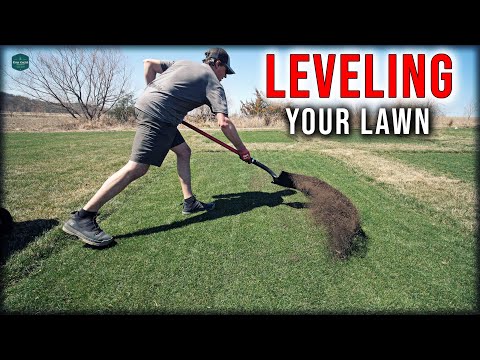
Topdressing involves spreading a thin layer of soil mixture (usually compost, sand, and topsoil) over your existing lawn to improve soil quality and grass health. Apply ¼ to ½ inch of material in spring or fall, rake it evenly, then water thoroughly for best results.
Key Takeaways
- Topdressing improves soil structure, drainage, and nutrient content
- Best timing is spring (after last frost) or early fall for cool-season grasses
- Use a mixture of compost, sand, and quality topsoil in equal parts
- Apply only ¼ to ½ inch thickness - too much can smother grass
- Water immediately after application to help material settle into soil
Topdressing your lawn is one of the most effective ways to improve grass health without starting over. This practice helps level uneven areas (avoid these common lawn leveling mistakes), improves soil quality, and provides nutrients that promote thicker, more resilient turf[1]. Whether you're dealing with compacted soil, thin patches, or simply want to boost your lawn's overall health, topdressing delivers results that last.
What Materials Do You Need for Topdressing?
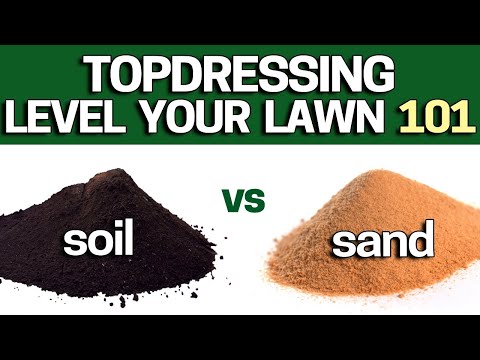
The right topdressing mixture makes all the difference in results. University research shows that a blend of equal parts compost, coarse sand, and quality topsoil works best for most lawn types[2]. This combination improves drainage while adding organic matter and nutrients.
For sandy soils, increase the compost ratio to improve water retention. Clay soils benefit from additional sand to enhance drainage[3]. A soil test will tell you exactly which amendments your lawn needs. Avoid fine sand or beach sand, which can create drainage problems.
You'll also need:
- Drop spreader or broadcast spreader for even application
- Steel rake or specialized topdressing rake
- Garden hose with sprinkler attachment
- Wheelbarrow for mixing and transporting material
Calculate about 2-3 cubic yards of topdressing material per 1,000 square feet for a ¼-inch application depth.
How Do You Apply Topdressing Step-by-Step?
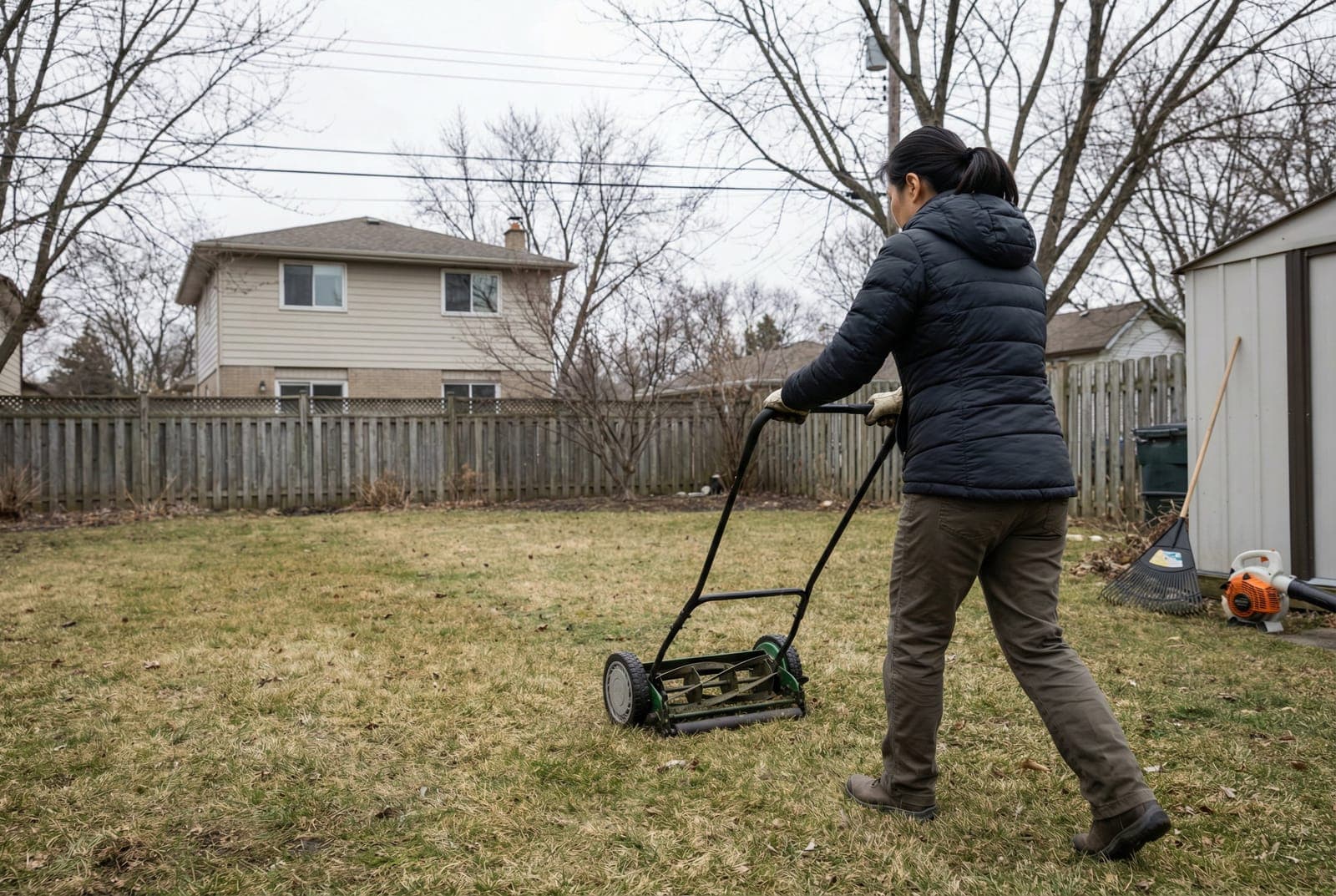
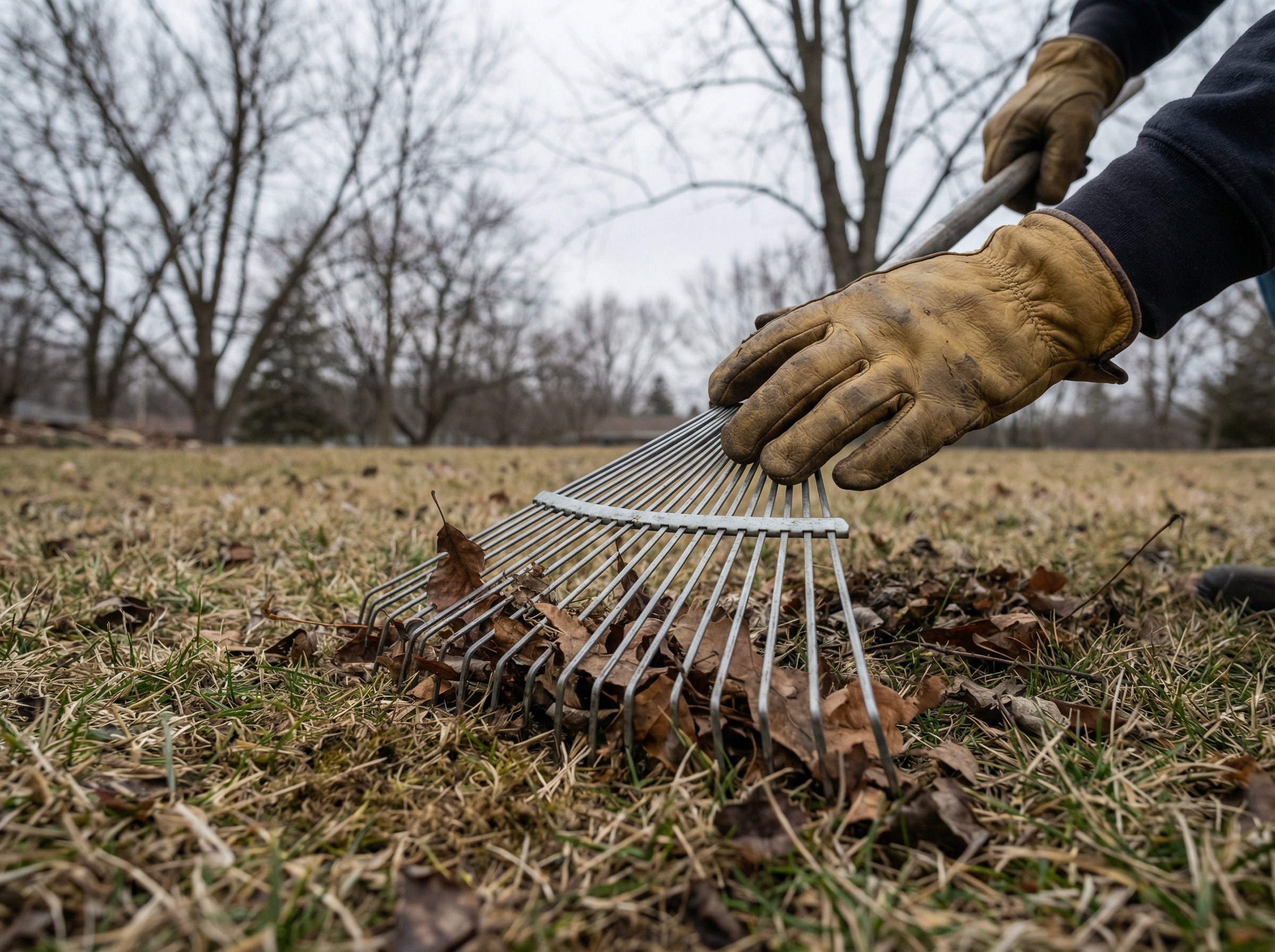
Start by mowing your grass shorter than usual - about 1 inch high - to ensure good contact between the topdressing and soil[4]. Remove any debris, leaves, or thick thatch layers that might prevent proper settling.
Mix your topdressing materials thoroughly in a wheelbarrow or directly on a tarp. The mixture should be slightly moist but not soggy - it should crumble in your hand without forming clumps.
Using a spreader, apply the mixture evenly across your lawn. Work in sections to maintain consistent coverage. The application should be thin enough that grass blades still show through - typically ¼ to ½ inch maximum depth[1].
After spreading, use a steel rake to work the material down into the grass canopy. Rake gently in multiple directions to ensure even distribution and good soil contact. The grass should remain visible after raking.
Water the area thoroughly but gently immediately after application. This helps the topdressing settle and prevents it from washing away during the next rainfall.
When Is the Best Time to Topdress Your Lawn?
Timing significantly impacts topdressing success. For cool-season grasses like fescue, bluegrass, and ryegrass, early spring (after the last frost) or early fall provide optimal growing conditions[2]. These periods allow grass to recover quickly and establish strong root systems before temperature extremes.
Warm-season grasses such as Bermuda, Zoysia, and St. Augustine benefit from late spring to early summer topdressing when they're actively growing[5]. Avoid topdressing during dormant periods or extreme weather conditions.
Soil moisture also matters - topdress when soil is slightly moist but not waterlogged. Avoid periods immediately following heavy rains or during drought conditions. The grass should be actively growing to recover from the temporary stress of being partially buried.
How Long Until You See Results?
Visible improvements typically appear within 2-4 weeks after topdressing. Grass color often improves first as plants access new nutrients from the organic matter[3]. Thickness and density improvements develop over 6-8 weeks as root systems expand into the improved soil.
Continue normal watering and mowing practices, but avoid heavy foot traffic for the first two weeks. The topdressing material needs time to integrate with existing soil and establish proper grass root contact.
For best long-term results, many lawn care professionals recommend annual topdressing combined with core aeration as part of a comprehensive maintenance program. This builds soil health over time and maintains the benefits year after year[4].
Conclusion
Topdressing transforms lawn health by improving soil structure, adding nutrients, and creating ideal growing conditions for grass. Focus on using quality materials in thin, even applications during your grass type's active growing season. With proper technique and timing, you'll see noticeable improvements in color, thickness, and overall lawn resilience within a month. Start planning your topdressing project for the next optimal season - your lawn will reward you with years of improved performance.