Quick Answer
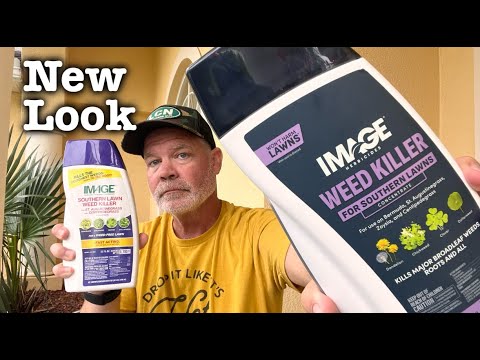
Image for Southern Lawns is considered one of the best store-bought herbicides for warm-season grasses because it contains four active ingredients with three different modes of action, making it effective against a wide variety of weeds including dollar weed, clover, and crabgrass.
Key Takeaways
- Multi-ingredient herbicides are more effective than single-ingredient products
- Mix 6.2 ounces per gallon of water for safe application on all warm-season grasses
- Avoid mowing 2 days before and after application for maximum effectiveness
- Don't spray when temperatures exceed 85°F to prevent lawn damage
- Results typically appear within days, with full control in 14-28 days
Why Multi-Mode Herbicides Outperform Single-Ingredient Products
When shopping for weed control at your local home improvement store, you'll find dozens of options promising to eliminate lawn weeds. However, most commercial herbicides rely on just one active ingredient, which limits their effectiveness against diverse weed populations.
The most effective products combine multiple active ingredients that work through different biological pathways. Image for Southern Lawns stands out because it contains four active ingredients working through three distinct modes of action:
- Synthetic auxins (2,4-D and dicamba): These growth regulators cause broadleaf weeds to grow so rapidly they essentially destroy themselves from within
- PPO inhibitor (sulfentrazone): Burns leaf tissue on contact, providing quick visual results
- ALS inhibitor (prodiamine): Prevents amino acid production, stopping cellular growth at the source
This multi-pronged approach explains why the product controls such an extensive list of weeds, from stubborn dollar weed and clover to persistent crabgrass and sedges.
Safe Mixing and Application for All Warm-Season Grasses
One major advantage of quality herbicides is their versatility across different grass types. Whether you have Bermuda, Zoysia, St. Augustine, Centipede, or Bahiagrass, you can use the same mixing ratio safely.
Standard Mixing Formula:
- 6.2 ounces of concentrate per 1 gallon of water
- Covers 1,000 square feet for broadcast applications
- Safe for spot-treating specific weed patches
This conservative rate falls within the labeled range for all warm-season grasses, giving beginners confidence while providing effective control. For severe infestations, you can increase to the higher labeled rates, but most homeowners will see excellent results with the standard formula.
Application Tips:
- Fill sprayer halfway with water before adding concentrate
- Use a fine spray tip for thorough weed coverage
- Spray weeds until completely wet but not dripping
- Focus on uniform coverage rather than heavy saturation
Critical Timing and Safety Considerations
Proper timing dramatically impacts herbicide effectiveness and lawn safety. Follow these essential guidelines:
Pre-Application Requirements:
- Avoid mowing for 2 days before spraying to maximize leaf surface area
- Check weather forecast for temperatures below 85°F
- Choose calm days to prevent drift onto desirable plants
During Application:
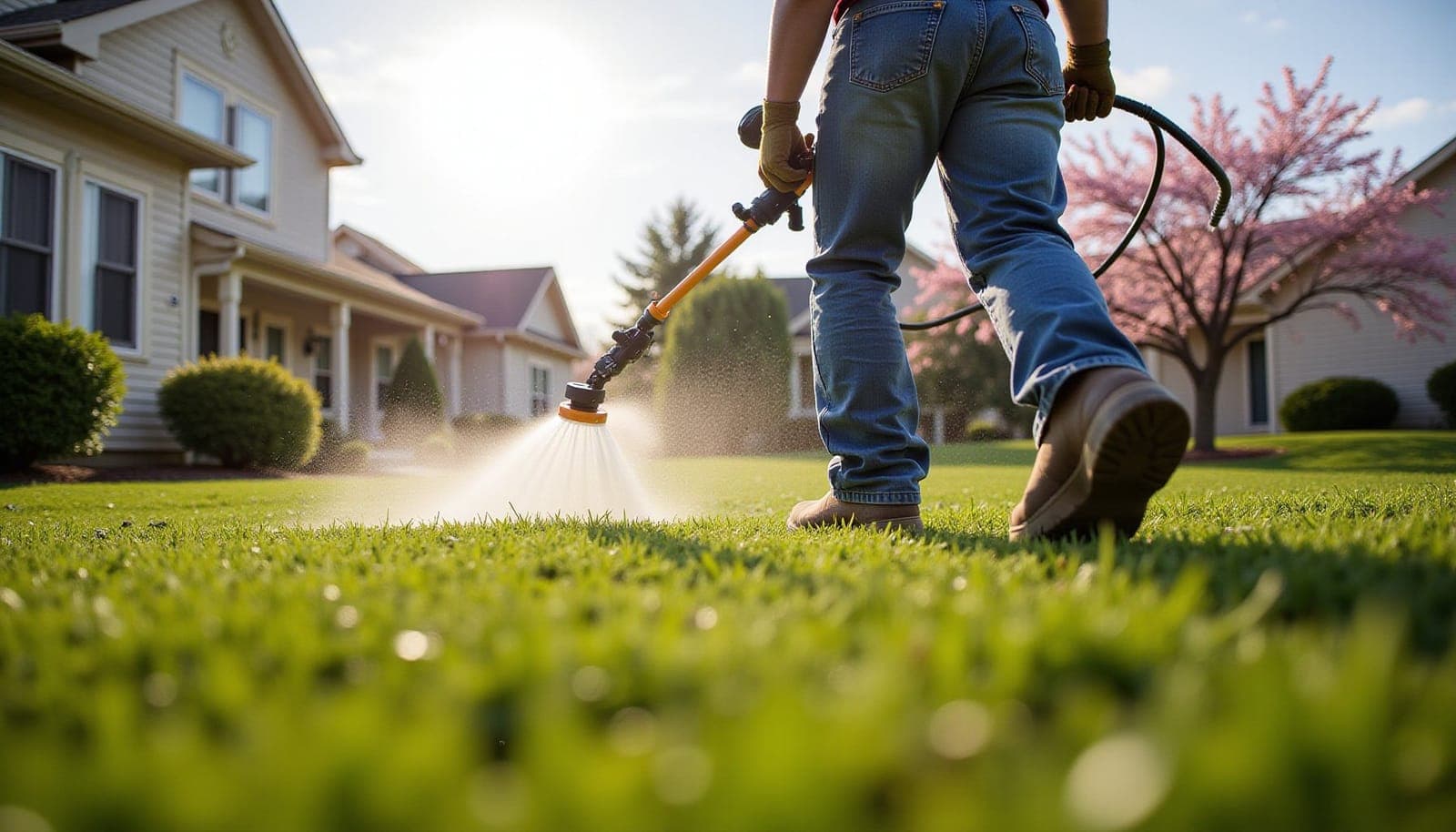
- Wear protective equipment: gloves, long sleeves, pants, and closed shoes
- Keep people and pets away from treatment areas
- Apply in early morning or evening when temperatures are cooler
Post-Application Care:
- Wait for spray to completely dry (15-20 minutes minimum)
- Avoid mowing for 2 days after application
- Allow systemic herbicides time to move throughout the plant
- Wait 30 days before reapplying if additional treatment is needed
Expected Results and Follow-Up Strategy
Understanding realistic timelines helps set proper expectations and prevents over-application. With systemic herbicides, patience is key:
Timeline for Results:
- Initial symptoms: 2-3 days (yellowing, curling leaves)
- Significant decline: 7-10 days
- Complete control: 14-28 days depending on weed type and size
Some weeds show dramatic symptoms within hours, especially broadleaf varieties that twist and curl from the auxin activity. Others, particularly grassy weeds, may take longer to show visible decline but are being controlled systemically.
For established lawns with ongoing weed pressure, plan for seasonal applications during active growing periods. Spring and fall typically provide ideal conditions for herbicide activity when weeds are actively growing and temperatures are moderate.
Remember that even the best herbicides work most effectively as part of a comprehensive lawn care program. Maintaining thick, healthy turf through proper fertilization, watering, and mowing practices provides the best long-term weed prevention.