
Quick Answer
Kill spurge weed using selective herbicides like Speed Zone or Ortho Weed Clear, or hand-pull carefully with gloves due to irritating milky sap. Prevent future growth with pre-emergent herbicides applied in split applications.

Key Takeaways
- Spurge produces irritating milky sap, so always wear gloves when handling
- Use selective herbicides appropriate for your grass type (cool vs warm season)
- Hand-pull from the taproot when soil is moist to prevent regrowth
- Never string trim spurge as it spreads seeds everywhere
- Apply pre-emergent herbicides in split applications for best prevention
What is Spurge Weed and Why It's Problematic
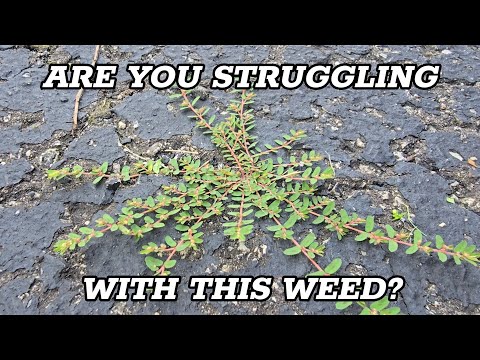
Spurge is an aggressive annual weed that seems to pop up everywhere—from pristine lawn areas to flower beds, sidewalk cracks, and even driveways. This persistent invader comes in multiple varieties, often with different leaf shapes, but all share one common trait: they're incredibly difficult to control once established.
The most concerning characteristic of spurge is its milky white sap, which can cause skin irritation in sensitive individuals. Additionally, mature spurge plants produce numerous small seeds that spread rapidly when disturbed, making proper removal techniques crucial for long-term control.
Effective Methods to Eliminate Spurge Weeds
Chemical Control with Selective Herbicides
The most efficient way to eliminate spurge from large areas is through targeted herbicide application. For homeowners, two product categories work exceptionally well:
Professional-Grade Options:
- Speed Zone (for cool-season grasses like tall fescue, ryegrass, Kentucky bluegrass)
- Speed Zone Southern (for warm-season grasses like Bermuda and St. Augustine)
Retail Store Alternatives:
- Ortho Weed Clear with orange cap (cool-season lawns)
- Ortho Weed Clear with purple cap (warm-season lawns)
These products come in various application formats: concentrate for pump sprayers, hose-end attachments, or ready-to-use spot treatment bottles.
Critical Safety Reminders:
- Always read and follow label instructions precisely
- Wear complete protective equipment: long pants, closed shoes, long sleeves, and gloves
- Avoid application near desirable plants in landscape beds
- Match the herbicide to your specific grass type
Hand Removal Technique
For small infestations or organic gardening approaches, hand removal can be highly effective when done correctly.
Proper Hand-Pulling Method:
- Always wear protective gloves to avoid skin contact with milky sap
- Moisten dry soil with water to make removal easier
- Grasp the entire plant near the base
- Pinch the center stem firmly
- Pull straight up to extract the complete taproot
- Avoid breaking the stem, which leaves roots to regrow
Important Warning: Never attempt hand removal without gloves. The white milky sap can cause skin irritation and allergic reactions in sensitive individuals.
What NOT to Do When Dealing with Spurge
One of the biggest mistakes homeowners make is using string trimmers on spurge weeds. This approach actually worsens the problem significantly. Mature spurge plants develop small seed pods along their stems, and string trimming launches these seeds across your entire yard, creating dozens of new problem areas.
Instead of reducing your spurge population, string trimming can multiply it exponentially. Stick to targeted herbicide application or careful hand removal for effective control.
Prevention Strategies for Long-Term Control
Lawn Areas
Preventing spurge in established lawns requires strategic pre-emergent herbicide applications. Research shows that split applications provide superior control compared to single treatments.
Recommended Pre-Emergent Products:
- Dimension (dithiopyr)
- Barricade (prodiamine)
Application Timing: Apply the first treatment in early spring before soil temperatures reach 55°F, then follow up with a second application 6-8 weeks later.
Landscape Beds
Flower beds and garden areas require different prevention approaches:
- Preen Extended Control: Granular pre-emergent safe around established plants
- Snapshot: Professional-grade granular pre-emergent with longer residual control
Proper application rates are critical for effectiveness. Too little product won't prevent germination, while excessive amounts can damage desirable plants.
Creating Your Spurge Control Plan
Successful spurge management requires a comprehensive approach combining immediate elimination with long-term prevention. Start by identifying your grass type to select appropriate herbicides, then develop a treatment calendar that includes both post-emergent control for existing weeds and pre-emergent prevention for next season.
Remember that consistency is key. Spurge seeds can remain viable in soil for multiple years, so maintaining your prevention program for at least two full growing seasons ensures the best long-term results. With proper technique and persistence, you can eliminate this troublesome weed and enjoy a cleaner, healthier lawn.