Quick Answer: Texas summer lawn care focuses on deep, infrequent watering (1-1.5 inches weekly), raising mower height to 3+ inches for heat stress protection, and proactive pest management for chinch bugs and white grubs that thrive in 95°F+ temperatures. Bermudagrass and St. Augustinegrass dominate Texas lawns and require specific summer strategies across USDA zones 6b-9a.
Key Takeaways
- Water deeply 2-3 times per week in early morning to maximize absorption and minimize evaporation
- Raise mower height to 3-4 inches during peak summer heat to protect grass crowns
- Monitor for chinch bugs in St. Augustine and armyworms in Bermudagrass during July-August
- Apply summer fertilizer with slow-release nitrogen in May-June, avoid fertilizing during extreme heat
- Focus on eastern vs. western Texas watering differences due to humidity and rainfall variations
Texas summers present unique lawn care challenges with average highs reaching 95°F and humidity varying dramatically from the humid east to arid west regions. The state's warm-season grasses—primarily Bermudagrass, St. Augustinegrass, and Zoysiagrass—are naturally heat-tolerant but require strategic care during the intense summer months across USDA hardiness zones 6b-9a.
How Should I Water My Texas Lawn During Summer?
Proper summer watering in Texas requires understanding your region's specific climate conditions[1]. Eastern Texas receives higher humidity and more rainfall (often exceeding 28 inches annually), while western regions face arid conditions requiring more irrigation.
Water your lawn deeply 2-3 times per week, applying 1-1.5 inches total including rainfall[2]. The best timing is between 4-8 AM when temperatures are coolest and wind is minimal, reducing evaporation losses that can exceed 50% during midday watering.
For St. Augustinegrass, the most water-demanding Texas grass, monitor for wilting signs like folded leaf blades or footprints remaining visible after walking across the lawn[1]. Bermudagrass and Zoysiagrass are more drought-tolerant but still need consistent moisture during peak heat periods.
What's the Best Mowing Strategy for Texas Summer Heat?
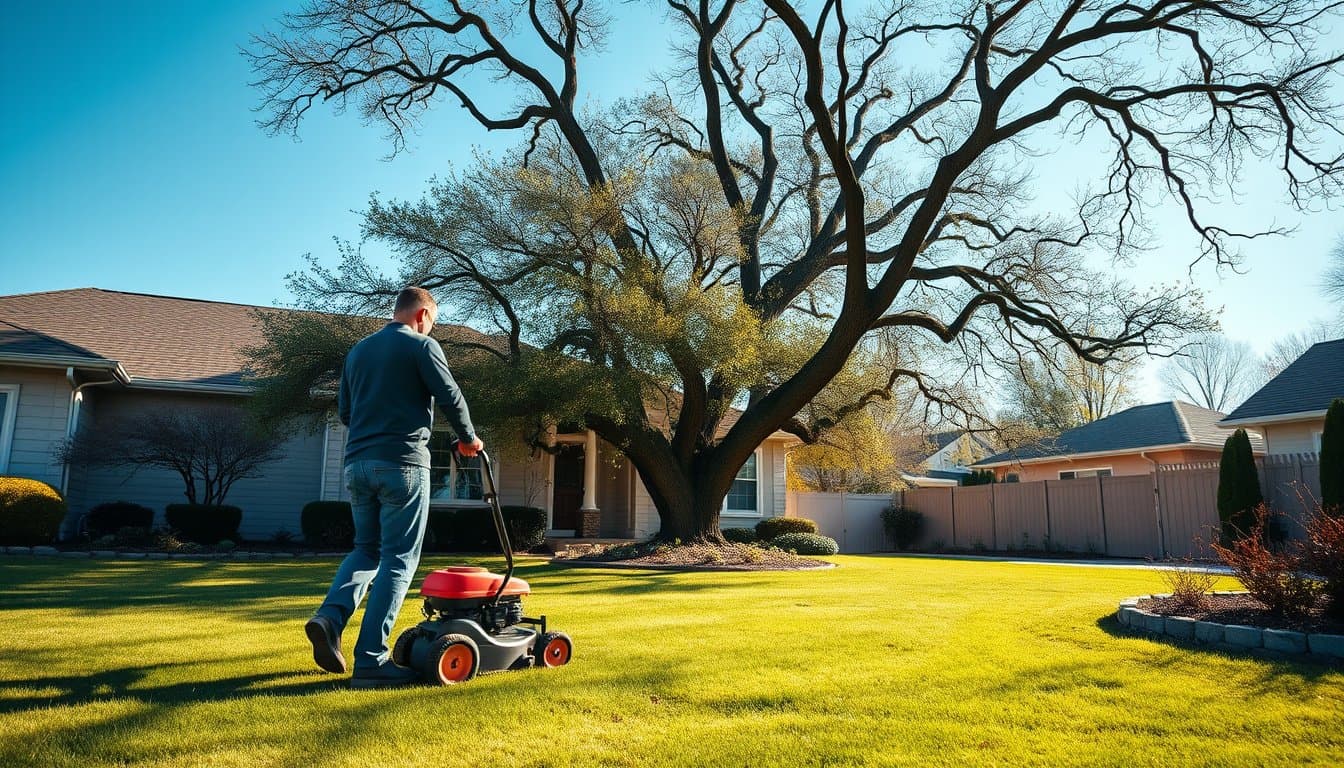
Raise your mower height to 3-4 inches during Texas summers, significantly higher than spring settings[3]. This increased height provides crucial shade for grass crowns and root systems when temperatures soar above 95°F.
Mow frequently enough to follow the one-third rule—never remove more than one-third of the grass blade length in a single cutting. During peak growing season (May-July), this typically means mowing weekly for Bermudagrass and every 7-10 days for St. Augustinegrass[1].
Keep mower blades sharp, as dull blades create ragged cuts that increase water loss and disease susceptibility. Consider mowing in the early evening (6-8 PM) when temperatures begin dropping but avoid mowing wet grass, which promotes fungal diseases like brown patch.
How Do I Control Summer Pests and Diseases in Texas?
Texas summers activate several problematic pests that target warm-season grasses[4]. Chinch bugs are particularly destructive to St. Augustinegrass, creating yellow patches that expand rapidly in hot weather. Look for small black bugs with white wing markings along the edges of damaged areas.
White grubs become active in July-August, feeding on grass roots and creating brown patches that peel back like carpet[5]. Apply preventive grub control in May-June for best results, as curative treatments are less effective once damage appears.
Armyworms can devastate Bermudagrass lawns overnight during late summer. These caterpillars feed in early morning and evening, so inspect your lawn during these times for feeding damage and small green pellet droppings[1].
Brown patch disease thrives in Texas's humid conditions, particularly affecting St. Augustinegrass when nighttime temperatures exceed 70°F with high humidity[6]. Improve air circulation, avoid evening watering, and reduce nitrogen fertilization during peak summer to prevent outbreaks.
When Should I Fertilize My Texas Lawn in Summer?
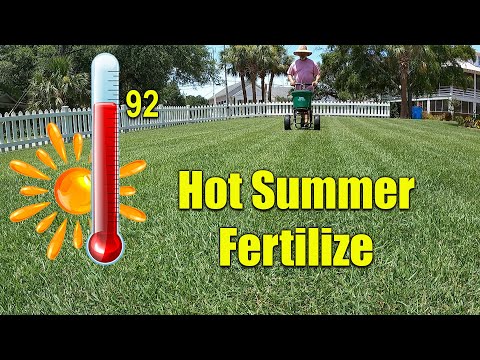
Apply summer fertilizer to Texas lawns in May-June before extreme heat arrives[1]. Use a slow-release nitrogen formula to provide steady nutrients without encouraging excessive growth that increases water demands.
Avoid fertilizing during peak heat periods (July-August) when temperatures consistently exceed 95°F, as this can burn grass and increase stress susceptibility. Bermudagrass can handle light feeding through summer if irrigation is adequate, but St. Augustinegrass should receive minimal nutrients during extreme heat[3].
Consider applying iron supplements in July-August to maintain green color without stimulating growth. Iron provides the visual appeal homeowners want while supporting grass health during stress periods.
Conclusion
Successful summer lawn care in Texas requires adapting your maintenance routine to work with the state's intense heat and varying humidity conditions. Focus on deep watering schedules, appropriate mowing heights, and proactive pest monitoring to keep your Bermudagrass, St. Augustinegrass, or Zoysiagrass healthy through the challenging summer months. Start implementing these strategies in May before peak heat arrives, and your Texas lawn will better withstand the summer stress while maintaining its appearance and health.